“Bei Russen”: Understanding Russian Flower Etiquette
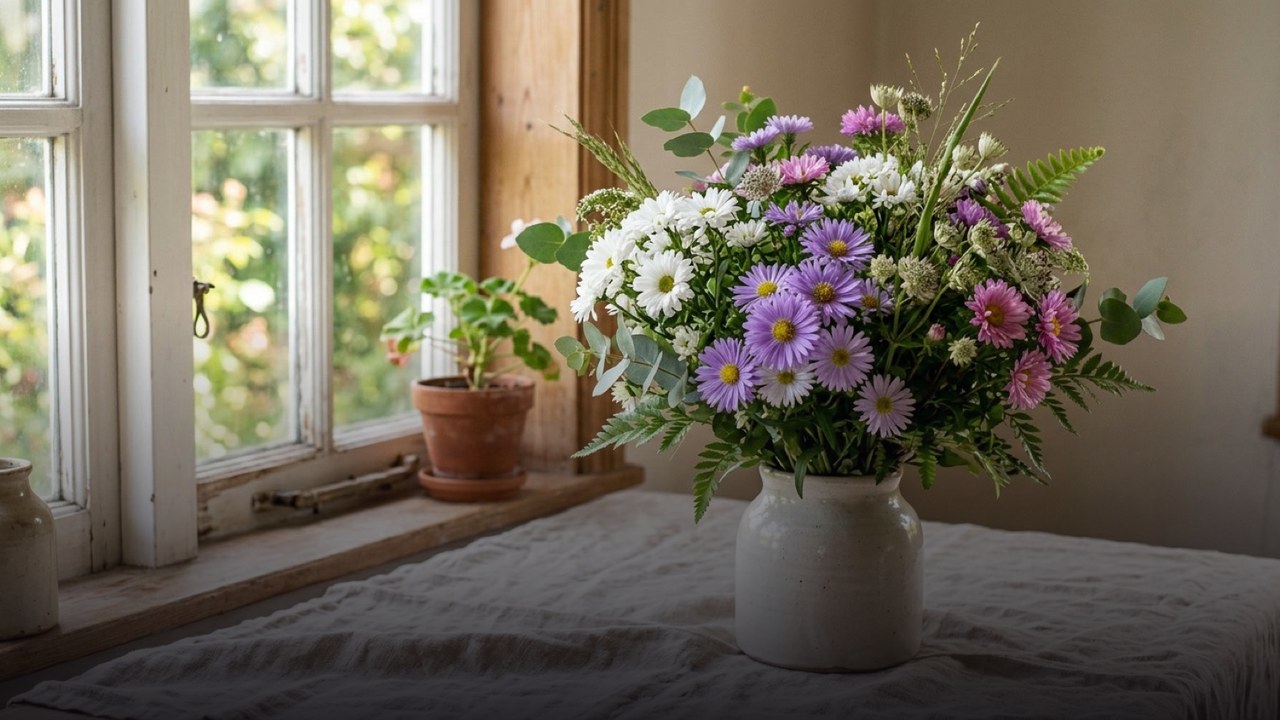
“Bei Russen” is German for “among Russians” or “with Russians”; its precise meaning depends on the sentence around it. If you are asking about giving flowers in Russia, a useful starting point is to choose for the recipient’s taste, use an odd number of stems in a small, clearly counted gift bouquet, and consider the occasion.
Flowers can mark a birthday, express affection, thank a host or simply show that you are thinking of someone far away. There is no single bouquet that suits every Russian recipient, and customs should guide your choice without replacing what you know about the person. Here is how to make the gift feel appropriate, keep the flowers in good condition and arrange delivery when you are ordering from abroad.
Start with the person and the reason for the gift
Before choosing a flower, decide what you want the gesture to say. A birthday bouquet can reflect the recipient’s favourite colours; a thank-you gift might suit a more restrained arrangement. For someone you have only recently met, choose with the relationship in mind. A strongly romantic presentation can communicate more intimacy than you intended, especially when the card offers no explanation.
Personal preferences are more useful than rigid rules about age or gender. Notice whether the recipient likes bright colours, soft shades, garden-style flowers or tidy, structured arrangements. If they have mentioned disliking a particular flower or fragrance, take that seriously. When you know little about their taste, focus on a clear colour palette and a short, thoughtful message.
Consider where the bouquet will go as well as how it looks in a photograph. Someone receiving flowers at work may need to carry them home, while a host may have limited space on a busy dining table. Browse the Bouquets catalogue with those practical details in mind, then choose an arrangement whose size and style fit the recipient’s day.
Understand stem counts and colour without overreading them
In Russian flower-giving custom, an odd number of stems is the usual choice for a celebratory gift when the flowers are plainly counted. Even numbers are traditionally associated with mourning. This distinction is especially noticeable with a small bunch of roses or tulips. If you are uncertain about a particular arrangement, ask about the count before confirming your choice.
Mixed bouquets are less straightforward to count because they can contain branching stems, several flower heads and decorative foliage. Do not try to count every visible bloom in a photograph as though it were a separate stem. Explain that the bouquet is for a birthday, a thank-you or another happy occasion, so the intended meaning is clear when you discuss the arrangement.
Colour meanings are more flexible than stem-count customs. Red roses often suggest romance, but a recipient’s own associations matter; yellow flowers, for example, are not universally unwelcome. If you know someone loves yellow tulips, their preference is a better guide than a sweeping claim about national symbolism. Use the card to make an affectionate or appreciative intention explicit.
Bouquets we can deliver




Use the card to give the flowers their context
A useful card says why you are sending the flowers and gives the recipient something personal to recognise. Name the occasion, mention a shared memory or offer a simple wish that sounds like you. For a friend, “Thinking of our long kitchen conversations—happy birthday!” is more meaningful than a formal declaration that could have been addressed to anyone.
Choose the language the recipient reads most comfortably. You do not need to write in Russian simply because the flowers are going to Russia. If you use a translated message, keep it short and check names, forms of address and the level of intimacy. Pet names and elaborate romantic phrases can sound quite different when translated literally, so plain wording is often the safer choice.
With TurboFlora, a card containing your text is free. Delivery is anonymous by default: the courier does not name the sender. If you want the recipient to know who sent the flowers, include your name in the card text. An unsigned bouquet can be welcome between people who understand the gesture, but it can also leave someone unsure whom to thank.
Choose a delivery time that works for the recipient
Start with the recipient’s routine and the local time at their address. A surprise is easier to enjoy when someone can receive the bouquet and put it in water. If you are ordering from another country, check the time difference before choosing a slot. Think about journeys, appointments and work hours rather than assuming that someone will be home throughout their birthday.
We deliver flowers across Russia. Express delivery in large cities is available in 1–2 hours after the order is confirmed. You can also arrange an exact time with a tolerance of plus or minus 30 minutes, choose a delivery window of 09–12, 12–15, 15–18 or 18–21, or pre-order 1–30 days ahead. Match the option to the recipient’s availability when confirming the order.
The courier calls the recipient about 15 minutes before arrival, so plan for that contact when organising a surprise. If the recipient is absent, we agree a second delivery that day or, with the sender’s consent, hand the flowers to a neighbour or concierge. Decide whether you would be comfortable with either handover option, especially if the address has several entrances or a shared reception.
Order from abroad with the essential details ready
Prepare the delivery city, full address, recipient’s name and telephone number, your preferred timing and the exact card text. Include useful access information you already know, such as an entrance or apartment number. Check the spelling and digits carefully: a beautiful bouquet still needs a clear destination, and the recipient’s number matters because the courier calls before arriving.
You can contact a manager on WhatsApp for help choosing a bouquet and agreeing the time, address and card text. You can also ask for a photo of the bouquet before delivery. If you are unsure how a choice will be interpreted, describe the relationship and occasion in a sentence; that gives the discussion a useful starting point without needing a long explanation.
City delivery costs 500 RUB. For remote districts and suburbs, the operator confirms the delivery price when confirming the order. Online checkout uses CloudPayments; check the payment options displayed there rather than assuming that a particular foreign-issued card will be accepted. The Delivery and payment page is a useful reference while you prepare the order.
Help the recipient enjoy the bouquet for longer
Once the flowers arrive, the first useful step is to place them in a clean vase with fresh water. Remove wrapping that prevents the stems from sitting properly, and keep any leaves below the waterline out of the vase. Submerged foliage breaks down and makes the water dirty. Use a vase that supports the bouquet without crushing the stems together or leaving the arrangement unstable.
Trim the stem ends with a clean, sharp tool before placing them in water, and follow any flower-food instructions if food is supplied. Check the water daily, replenish it as needed and clean the vase when changing dirty water. Different flowers have different needs, so ask for advice about the actual bouquet rather than applying an elaborate care routine intended for another species.
Choose a display spot away from radiators, direct sun and ripening fruit. Avoid leaving cut flowers beside an open window in cold weather or next to a strong draught. If the bouquet is a gift, a brief care reminder can be helpful, but let the recipient enjoy it without turning the gesture into a set of chores. Good basic care is more useful than a promise of a fixed vase life.
Frequently asked questions
What does “bei Russen” mean in English?
It usually means “among Russians” or “with Russians”, depending on the surrounding sentence. On its own, it does not specify a question about flowers or etiquette.
Should a gift bouquet in Russia have an odd number of flowers?
An odd number of stems is customary for a small, clearly counted bouquet given on a happy occasion. Even numbers are traditionally associated with mourning; ask about the arrangement if its stem count is unclear.
Can I send flowers to Russia while living abroad?
Yes, we deliver flowers across Russia, and you can arrange the order from abroad. Checkout uses CloudPayments, so check the options shown there for your payment method.
Will the recipient be told who sent the flowers?
The courier does not name the sender because delivery is anonymous by default. Include your name in the free card text if you want the recipient to identify you.
How quickly can flowers be delivered?
Express delivery in large cities takes 1–2 hours after order confirmation. You can also arrange an exact time within plus or minus 30 minutes, select an available time window or pre-order 1–30 days ahead.
Ready to send flowers?
Pick the city, choose the bouquet, and a local florist takes it from there.
Choose a city →