Thank-You Flowers for a Russian Teacher: What Is Expected
Giving flowers to a teacher in Russia is one of those gestures that looks simple from the outside but carries a quiet set of expectations underneath. Get it right and the bouquet says exactly what you meant. Get it slightly wrong — the wrong colour, the wrong moment, the wrong number of stems — and the message blurs. This guide breaks down what teachers actually expect, when to give, and how to choose a bouquet that lands with warmth rather than awkwardness.
Why Flowers for Teachers Matter More in Russia Than You Might Expect
In Russia, giving flowers to a teacher is not a casual or optional gesture — it sits somewhere between a social obligation and a sincere expression of respect. The tradition runs deep, shaped by Soviet-era culture where teachers held an almost ceremonial status in public life. That culture has softened, but the expectation around flowers has not disappeared; it has simply become more personal.
For parents sending a child to school, flowers on key occasions signal that the family values the teacher's work. For adult students or university graduates, a bouquet marks the relationship as meaningful rather than transactional. Even a single well-chosen stem communicates more than a card alone would in this context.
Teachers themselves are aware of this tradition and notice when it is observed. This does not mean they are counting bouquets or judging families — most teachers are genuinely moved by a thoughtful arrangement. But it does mean that arriving empty-handed on September 1 or at a graduation ceremony reads as an oversight rather than a deliberate choice. Understanding this dynamic helps you approach the gesture with the right intention: not obligation, but genuine acknowledgment of someone who has spent real time and care on a person you love.
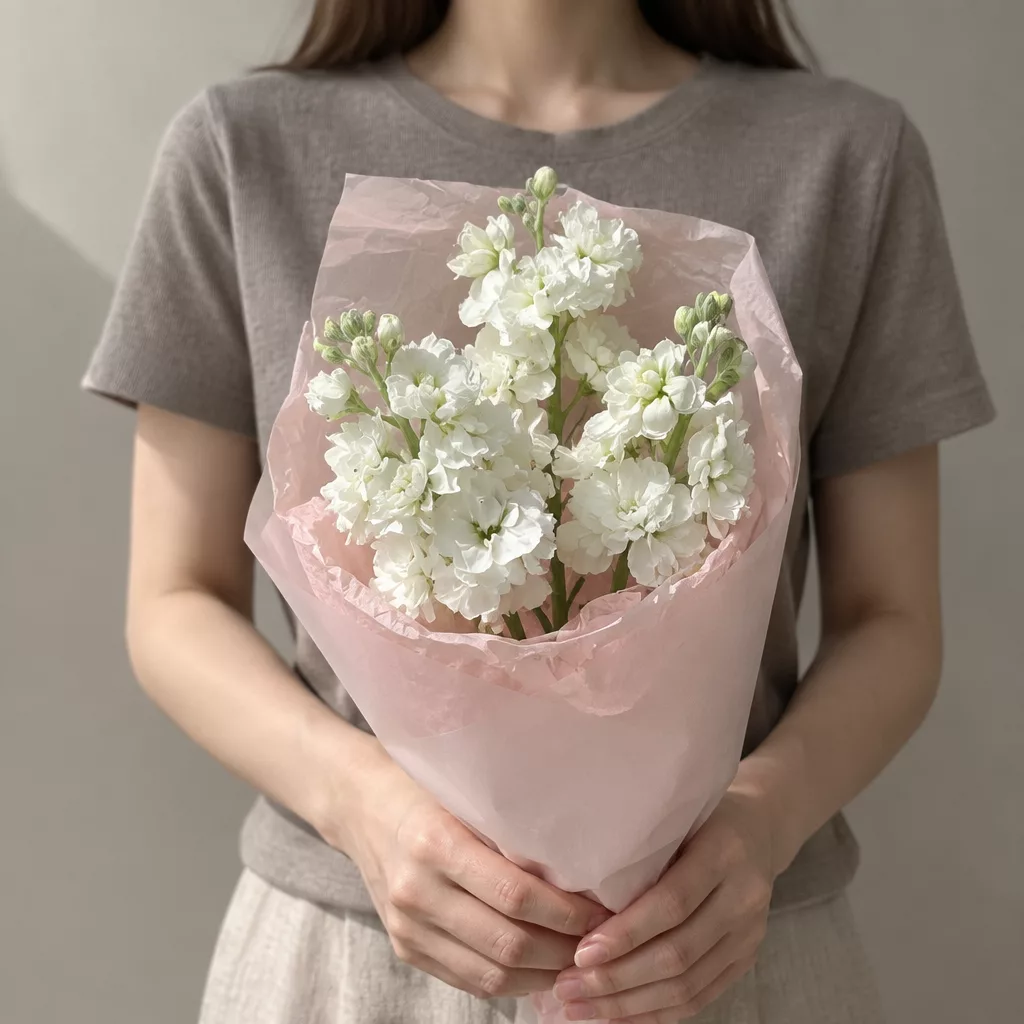
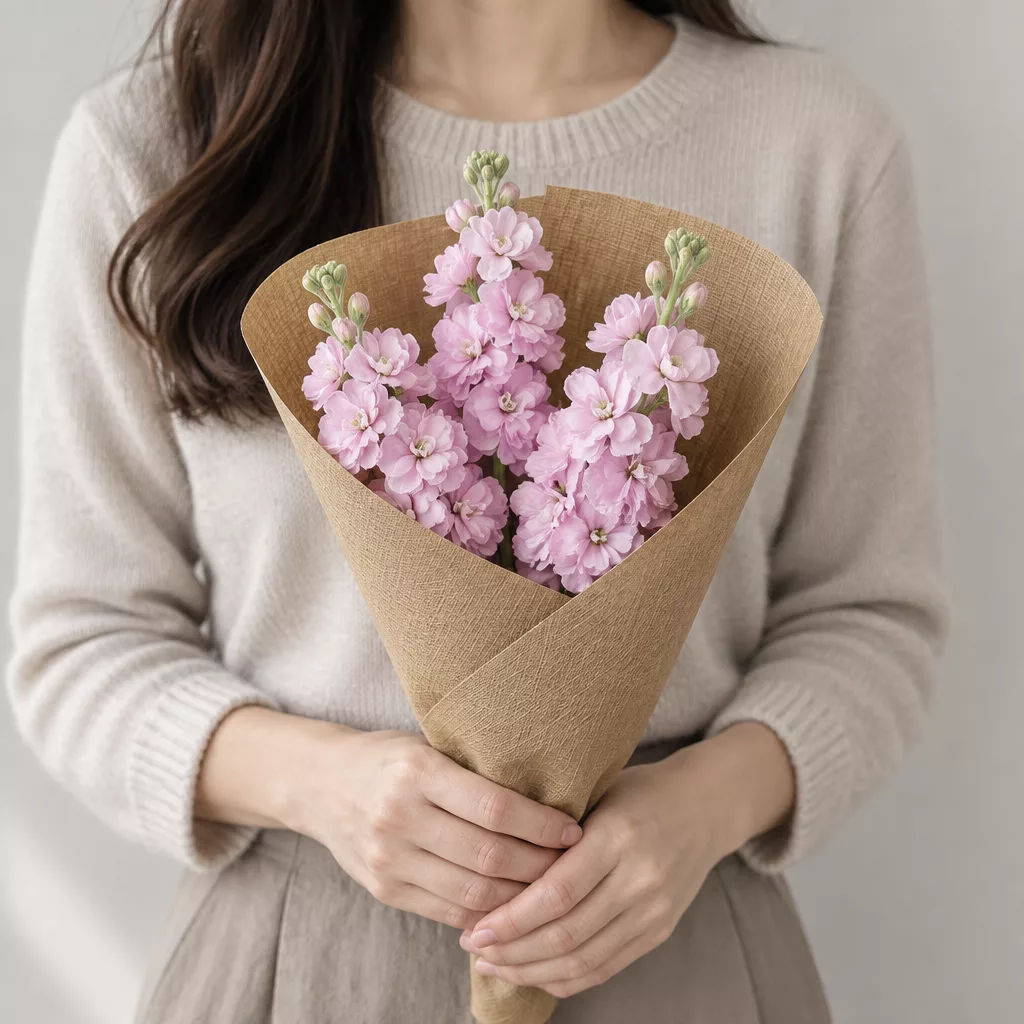
Bouquets we can deliver


The Occasions That Go Well Beyond September 1
September 1, Knowledge Day, is the most visible moment for teacher flowers in Russia — every child walks through the school gates carrying a bouquet, and the teachers' arms are full before noon. But limiting yourself to that one date means missing several occasions that teachers often find even more meaningful.
Teacher's Day falls on the first Sunday of October in Russia and is specifically dedicated to educators. A bouquet on this day feels personal rather than collective, because not every family remembers it. End-of-year celebrations in late May or early June carry strong emotional weight — this is when students and teachers part, sometimes for good, and flowers mark that transition with warmth.
Mid-year milestones matter too. If a teacher has helped a struggling student through a difficult exam, or supported a child through a hard period, flowers at that point are unexpected and therefore especially touching. International Women's Day on March 8 is also a standard occasion for flowers to female teachers, and the vast majority of schoolteachers in Russia are women. Birthdays are appropriate if you know the date and have a close relationship with the teacher. Thinking beyond the calendar means your gesture arrives when the teacher least expects it — and that is often when it means the most.
What Flowers Teachers Actually Expect to Receive
Certain flowers have become almost synonymous with teacher appreciation in Russia, and knowing them helps you choose with confidence. Chrysanthemums are perhaps the most traditional choice — large-headed varieties like Anastasia or Zembla feel formal and generous, while spray chrysanthemums work well in mixed arrangements. They hold up beautifully at room temperature, which matters when a teacher will carry a bouquet through a long ceremony.
Roses remain a reliable and respected choice, particularly in cream, white, peach, or soft pink. Red roses can feel romantic in this context and are generally better avoided unless the relationship is between an adult student and a much-admired professor. Garden roses with their layered petals and gentle fragrance read as more considered than standard long-stem varieties.
Eustoma, also known as lisianthus, has become increasingly popular for teacher bouquets because it looks lush and expensive without being overpowering. Alstroemeria adds colour and longevity. Gerberas in warm tones feel cheerful and are particularly well-suited to younger teachers or primary school settings. Peonies, when in season from late spring through early summer, are genuinely loved and feel celebratory. What all these flowers share is a sense of care and occasion — they signal that someone thought about this, rather than grabbing the nearest bunch.
Colours and Numbers: The Unwritten Rules That Matter
In Russia, the number of stems in a bouquet carries meaning, and this is one of the first things a florist will think about when you place an order. Even numbers of flowers are associated with mourning and are placed at graves — so a bouquet for a living person should always contain an odd number of stems: five, seven, nine, eleven, and so on. This is not superstition in the casual sense; it is a social convention that most Russians observe automatically and that a teacher will notice immediately.
Colour carries softer but still real expectations. White flowers signal purity and respect — appropriate and always safe. Soft pinks, creams, and peaches read as warm and feminine. Yellow flowers are cheerful and increasingly accepted, though older generations may still associate yellow with separation or bad news, so mixing yellow with other colours is safer than a purely yellow bouquet. Purple and lilac tones, particularly in eustoma or spray chrysanthemums, feel elegant and are well-received.
Avoid strongly dark or near-black flowers in this context — deep burgundy roses or black-dyed varieties can feel funereal. A combination of two or three complementary tones almost always works better than a single dramatic colour for a teacher bouquet, because it reads as composed and considered. Ask your florist to keep the palette cohesive rather than rainbow-bright, which can feel less intentional at a formal occasion.
Choosing by the Occasion: Informal Thanks Versus Formal Ceremonies
Not every bouquet for a teacher needs to be the same size or style. Matching the bouquet to the occasion shows awareness, and teachers notice the difference between a gesture that fits the moment and one that feels either too small or unexpectedly grand.
For an informal thank-you — after a particularly helpful parent meeting, or when a teacher has gone out of their way for your child — a compact arrangement of seven to nine stems is entirely appropriate. A hand-tied bouquet of eustoma, spray roses, and a few stems of eucalyptus looks crafted and personal without being overwhelming. This kind of bouquet is easy to carry home on public transport, which matters in a city like Saint Petersburg.
For September 1 or Teacher's Day, something slightly more generous is expected — eleven or thirteen stems, or a mixed bouquet with a clear focal flower like a large garden rose or a full chrysanthemum bloom. The presentation matters here: clean wrapping, a ribbon, and a neat shape all contribute to the impression.
For end-of-year or graduation occasions, this is the moment for something genuinely beautiful. Peonies if the season allows, or a lush combination of roses, eustoma, and soft greenery. A bouquet that a teacher would be proud to carry across a stage or hold in a photograph. Think about how it will look in the memory of the moment, not just in the hand.
Practical Details: Keeping the Bouquet Fresh Until It Arrives
A wilted bouquet at a school ceremony is one of those small disasters that parents remember for years. The practical side of flower-giving for teachers deserves real attention, especially when September 1 falls in warm weather — Saint Petersburg in early September can still be genuinely warm, and cut flowers suffer quickly in heat.
If you are ordering for delivery, timing matters as much as variety. Flowers delivered one to two hours before the ceremony are in far better condition than those that have been sitting in a warm hallway since early morning. Chrysanthemums and alstroemeria are among the most heat-tolerant cut flowers and hold their shape well. Peonies and garden roses are more sensitive and should be kept out of direct sunlight and away from warm radiators.
Once the teacher brings the bouquet home, a clean vase with fresh, cool water makes the biggest difference to vase life. Cutting the stems at an angle under running water before placing them in the vase allows better water uptake. Removing any leaves that would sit below the waterline prevents bacterial growth that shortens the life of the whole arrangement. Chrysanthemums typically last seven to ten days with basic care. Eustoma and spray roses hold for five to eight days. Keeping the vase away from fruit bowls — ethylene gas from ripening fruit accelerates wilting — extends the display noticeably. These are small details, but passing them on with the bouquet shows a level of care that teachers genuinely appreciate.
When You Are Sending Flowers Remotely: What to Consider
Not every parent or former student lives in the same city as the teacher they want to thank. Remote delivery for teacher occasions has become much more common, and it works well when you think through a few specifics in advance.
First, confirm the delivery address carefully. Schools have reception desks and staff who can accept a delivery, but it is worth calling ahead or including a note with the teacher's full name and class so the bouquet reaches the right person without confusion. If you are sending to a teacher's home address, make sure someone will be there to receive it — a bouquet left outside a door in warm weather will not survive long.
Second, think about the message card. A handwritten-style note included with the bouquet adds warmth that a bare arrangement cannot provide on its own. In Russian culture, the words matter — a specific, personal sentence about what the teacher did that meant something to you or your child carries far more weight than a generic thank-you. Even if you write in English and the florist transcribes it, the specificity will come through.
Third, consider the timing of the delivery relative to the occasion. For September 1, morning delivery before nine o'clock is ideal. For Teacher's Day or an end-of-year event, mid-morning allows the teacher to have the bouquet for the celebrations rather than receiving it after the moment has passed. Ordering the evening before and scheduling delivery for early morning is the most reliable approach for any ceremony.
Giving flowers to a teacher in Russia is one of those gestures that rewards a little knowledge. Once you understand the occasions, the colour conventions, the odd-number rule, and the difference between a ceremony bouquet and an informal thank-you, the whole thing becomes much easier — and much more meaningful. A well-chosen bouquet does not need to be expensive or elaborate. It needs to feel considered. That is what teachers remember: not the price, but the sense that someone thought about them specifically, at the right moment, with the right flowers.
Frequently asked questions
Is it appropriate to give flowers to a male teacher in Russia?
Yes, entirely appropriate. Male teachers receive flowers on the same occasions as female colleagues — September 1, Teacher's Day, and end-of-year celebrations. Opt for a more structured, less frilly arrangement: firm roses, strong chrysanthemums, or a clean combination of two tones without trailing greenery. The gesture is the same; the style can simply feel a little more restrained.
How many flowers should a teacher bouquet contain?
Always an odd number — five, seven, nine, eleven, or more. Even numbers are associated with mourning in Russian tradition and are used for grave flowers. This is one of the most consistent social conventions around flowers in Russia, and teachers are aware of it. A bouquet of seven or nine stems is considered generous without being excessive for most occasions.
Can I send flowers to a teacher at school rather than at home?
Yes, and for September 1 or Teacher's Day, the school is actually the more practical address. Most school reception staff are accustomed to accepting flower deliveries on these dates. Include the teacher's full name, subject if relevant, and class number in the delivery note so the bouquet reaches the right person quickly, especially on busy ceremonial mornings.
Are yellow flowers acceptable for a teacher bouquet?
Yellow flowers are increasingly accepted and can look beautiful, but older Russian traditions associate pure yellow bouquets with separation or bad news. The safest approach is to mix yellow with white, cream, or peach tones rather than sending an entirely yellow arrangement. Yellow spray chrysanthemums or yellow eustoma within a mixed bouquet read as cheerful and warm without any awkward associations.
What is the best flower for a teacher bouquet that needs to last through a long school ceremony?
Chrysanthemums — particularly spray varieties or large-headed types like Anastasia — are the most practical choice for long ceremonies in warm conditions. They hold their shape and colour well without water for several hours. Alstroemeria is another strong option. Avoid open peonies or garden roses for outdoor September events, as they are more sensitive to heat and will wilt faster.
Ready to send flowers?
Pick the city, choose the bouquet, and a local florist takes it from there.
Choose a city →