Birthday Flowers for a Russian Woman: a Practical Guide
Sending flowers to a Russian woman on her birthday feels straightforward until you realise there are unspoken rules that almost every Russian knows by heart. Get the number wrong, choose the wrong colour, or pick a flower associated with grief, and the gesture lands differently than you intended. This guide walks you through exactly what matters, why it matters, and how to put together something she will genuinely love.
Why the Rules Around Flowers in Russia Are Worth Knowing
Russia has one of the strongest flower-giving cultures in the world. Flowers appear at birthdays, graduations, name days, first days of school, and professional achievements. Because giving flowers is so common, the etiquette around them is equally well developed, and most Russian adults absorbed it in childhood without ever reading it anywhere.
The two rules that matter most for a birthday are the number of stems and the type of flower. An even number of stems is reserved for funerals. Bring twelve roses to a birthday and you will cause visible discomfort, even if no one says anything directly. An odd number — eleven, fifteen, twenty-one — signals celebration. The further the number is from the even-number association, the better.
The second rule is about flower type. Certain flowers, particularly chrysanthemums and carnations, carry strong funeral associations for older generations of Russian women. Younger women in their twenties and thirties are often less strict about this, but when you do not know your recipient well, it is safer to avoid these varieties entirely. The risk is not worth it when there are so many beautiful alternatives.
Understanding these two points already puts you ahead of most people ordering from outside Russia. Everything else — colour, variety, presentation — is a matter of taste and budget. But the number and the flower type are the foundation, and they are non-negotiable if you want the gift to feel thoughtful rather than accidental.
Bouquets we can deliver

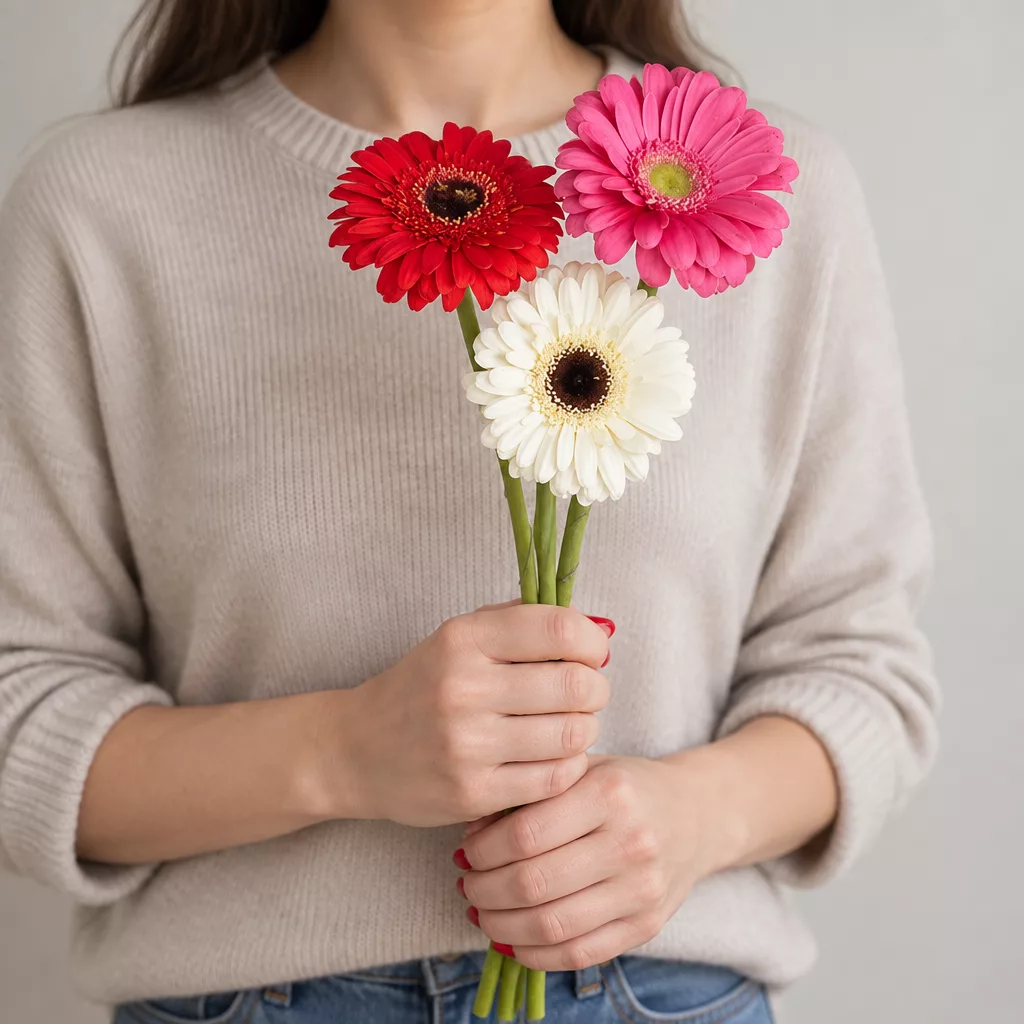

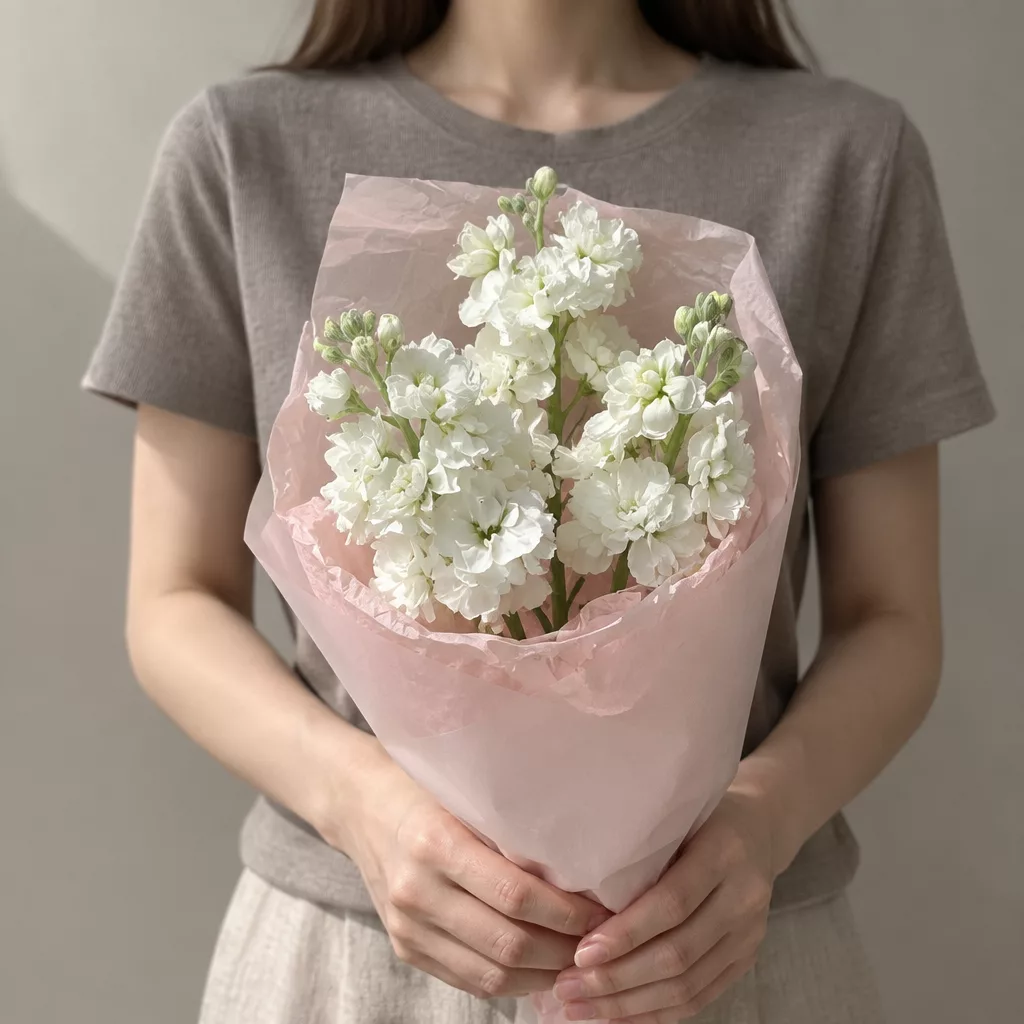
Odd Numbers and What They Actually Mean in Practice
The odd-number rule sounds simple, but it creates real confusion when people try to apply it. The most common mistake is ordering ten stems to keep costs down and assuming no one will count. Russian women count. It is not superstition for most of them — it is simply the way flowers have always worked, the same way a cake has candles and a toast has a reason.
The good news is that odd numbers give you more flexibility than even numbers do. A bouquet of seven peonies is generous and beautiful. Eleven tulips in a single colour look deliberate and elegant. Fifteen spray roses arranged loosely in kraft paper feel abundant without being over the top. Twenty-one stems of any flower signals a serious, celebratory gesture.
For milestone birthdays — thirtieth, fortieth, fiftieth — the number of stems sometimes mirrors the age, provided it is odd, or rounds up to the nearest odd number just above it. A woman turning fifty might receive fifty-one roses. This is a well-understood and appreciated gesture in Russian culture, and it removes any guesswork about what the bouquet is for.
If you are ordering a mixed bouquet rather than single-stem, count the total stems including any filler flowers. Gypsophila and eucalyptus branches are usually not counted, but individual spray roses or lisianthus blooms are. When in doubt, ask your florist to confirm the final stem count before the arrangement is wrapped. A good florist will always check this automatically for a birthday order.
Which Flowers Are Considered Celebratory and Which to Avoid
Roses are the safest and most universally loved birthday flower in Russia, and they carry no negative associations at any age. Garden roses with their layered petals and soft fragrance are particularly popular right now, especially varieties like David Austin-style blooms in blush, peach, and cream. They photograph beautifully and last well in a vase, which matters when the recipient wants to enjoy them for days.
Peonies are deeply loved and carry no negative meaning. They are associated with abundance and femininity, and a full, round peony bouquet is one of the most appreciated gifts for a Russian woman at any age. Their season runs roughly from late April through June, and when they are in season, they are the first choice of many experienced florists for birthday orders.
Tulips are cheerful and appropriate, particularly for younger women or a more casual birthday. A single-colour tulip bouquet in white, soft pink, or deep burgundy looks intentional and polished. Avoid yellow tulips if you want to be safe, as yellow flowers in some regions carry associations with separation or bad luck in relationships, though this is less universally held than the even-number rule.
Chrysanthemums and carnations are the flowers to approach with caution. White chrysanthemums in particular are used at funerals. Colourful carnations are less fraught, but they still carry an association with Soviet-era official events and older generations may find them impersonal. Lisianthus, ranunculus, and freesia are excellent alternatives that feel fresh and modern without any cultural baggage.
Choosing by Colour: What Works and What to Think Twice About
Colour carries meaning in Russian flower culture, though it is slightly less codified than the number rule. Red roses are the classic romantic gesture and work perfectly well for a birthday from a partner. For a colleague, a friend, or a relative, softer colours — blush pink, cream, lavender, soft coral — tend to feel more appropriate and are currently very fashionable in Saint Petersburg and Moscow alike.
White flowers are beautiful and not inherently associated with mourning the way they are in some East Asian cultures. A white peony or white garden rose bouquet is elegant and would be received warmly. The exception is an entirely white arrangement composed of flowers that are also used at funerals, such as white lilies or white chrysanthemums. A mixed white bouquet with greenery and texture reads as sophisticated, not sorrowful.
Yellow flowers deserve a mention because the association varies by generation. Many older Russian women associate yellow flowers, especially yellow roses, with betrayal or the end of a relationship. Younger women are far less likely to hold this belief. If you know your recipient well and she has a modern outlook, a warm yellow or golden bouquet can be stunning. If you are uncertain, a mix that includes yellow alongside other colours is a comfortable middle ground.
Purple and lilac tones are universally safe and feel luxurious. Deep burgundy is sophisticated and works across all ages. Bright orange and hot pink bouquets read as energetic and fun, well suited to younger recipients or a woman with a bold personal style. Soft green flowers like hellebores or green button chrysanthemums used as accents add texture without any colour-related concerns.
Bouquet Options Across Different Budgets
A thoughtful birthday bouquet does not require the largest possible arrangement. What matters more is that the flowers are fresh, the stem count is correct, and the presentation is intentional. A small, tight bouquet of nine garden roses in a single colour, wrapped in matte paper with a satin ribbon, looks more considered than a large mixed arrangement thrown together without a clear concept.
For a modest budget, single-variety bouquets work best. Eleven tulips, nine spray roses, or seven lisianthus stems each make a clean, elegant statement. Lisianthus in particular offers exceptional vase life — up to two weeks when properly cared for — which makes it a strong value choice. Pair any single-variety bouquet with eucalyptus or ruscus for volume and the arrangement looks fuller without adding significant cost.
For a mid-range budget, mixed bouquets open up. A combination of garden roses, ranunculus, and freesia in a tonal palette — all blush, or all white and cream — looks professionally composed and feels generous. Adding three or five stems of a feature flower like a large peony or a protea gives the eye a focal point and elevates the whole arrangement.
For a generous gift, consider a hat-box arrangement or a large mono-bouquet of premium roses in twenty-one or thirty-one stems. Hat boxes travel well and present beautifully when the recipient opens the door, which matters for a delivery. Whatever the budget, make sure the outer wrapping is clean and that the card is properly attached. Presentation is part of the gift, and a beautiful flower in torn cellophane loses half its impact before it is even unwrapped.
Timing the Delivery and Keeping Flowers Fresh on Arrival
A birthday bouquet should arrive on the day, ideally in the morning or early afternoon when the recipient is at home and the occasion still feels fresh. Evening deliveries work when the birthday celebration is in the evening, but a morning arrival sets a positive tone for the whole day. Turboflora delivers across Russia within one to two hours of ordering, which makes same-day delivery genuinely reliable even when you remember at the last minute.
Temperature matters more than most people realise. Flowers in transit during Russian winters need to be wrapped in insulating paper to protect them from frost, and in summer they need to move quickly to avoid wilting in the heat. A florist who knows Russian conditions will account for both. Roses and peonies are particularly sensitive to temperature extremes — a peony that freezes in transit will never fully open, and a rose left in a hot car for twenty minutes will droop within hours of arrival.
When the bouquet arrives, the recipient should trim the stems at a diagonal cut, about two centimetres from the bottom, and place them in clean, cool water immediately. Remove any leaves that would sit below the waterline, as they rot quickly and cloud the water. Change the water every two days and keep the bouquet away from direct sunlight and fruit bowls — ethylene gas from ripening fruit shortens the vase life of roses and tulips significantly.
A sachet of flower food, included with most professional bouquets, extends vase life by several days. It is not optional: it balances the water pH and provides a small amount of sugar to keep the blooms fed. Encourage the recipient to use it rather than leaving it in the bag.
Adding a Personal Touch That Goes Beyond the Flowers
The flowers are the main event, but the details around them shape how the gift is received. A handwritten card, even a short one, transforms a delivery into a personal gesture. Many people default to the florist's standard message field and write almost nothing. Take a moment to write something specific — a memory, a wish, something that only makes sense to the two of you. That specificity is what makes a birthday feel seen rather than ticked off a list.
Scent is an underrated dimension of a birthday bouquet. Freesia has one of the most reliably beautiful fragrances of any cut flower and holds it for the full vase life. Roses vary enormously by variety — some modern hybrid roses have almost no scent, while garden roses and old-fashioned varieties are intensely fragrant. If scent matters to your recipient, specify this when ordering and a good florist will select accordingly.
For a woman who loves plants as well as cut flowers, pairing a bouquet with a small potted plant — a compact orchid, a succulent, or a fragrant lavender — gives her something to keep after the bouquet fades. This combination works particularly well for milestone birthdays when you want the gift to feel more lasting.
Finally, think about the vase. Not every home has a vase the right size for a large bouquet. A hat-box or a water-filled box arrangement solves this problem neatly because it arrives ready to display. For a traditional bouquet, mentioning in the card that a simple tall glass or a wide-mouthed jar works perfectly as a vase removes any anxiety the recipient might feel about not having the right vessel. Small practical details like this show that you thought the whole experience through, not just the flowers themselves.
Getting birthday flowers right for a Russian woman is mostly a matter of knowing two firm rules — odd numbers of stems, and avoiding flowers with funeral associations — and then applying your own knowledge of her taste within those boundaries. Everything else, from colour to variety to presentation, is yours to shape into something personal. A florist who understands Russian customs and delivers fresh flowers on the day makes all the difference between a gift that lands and one that simply arrives. We deliver bouquets across Russia in 1–2 hours.
Frequently asked questions
Is it really true that Russians count the stems in a bouquet?
Yes, and most Russian women do it automatically. An even number of stems is associated with funerals, so a birthday bouquet should always have an odd count — seven, eleven, fifteen, twenty-one, and so on. This is one of the most consistent rules in Russian flower-giving culture and applies regardless of the recipient's age or city.
Can I send yellow flowers to a Russian woman for her birthday?
It depends on her generation. Older women often associate yellow flowers, especially yellow roses, with separation or bad luck in relationships. Younger women tend not to share this belief. If you are unsure, use yellow as one colour in a mixed bouquet rather than a single-colour arrangement — it reads as a design choice rather than a statement.
Are chrysanthemums really off-limits for a birthday in Russia?
White chrysanthemums carry a strong funeral association and are best avoided for any celebratory occasion. Colourful chrysanthemums are less fraught but still feel dated to many recipients. Lisianthus, ranunculus, and garden roses are excellent alternatives that offer similar textures and longevity without any cultural concerns.
How long will a birthday bouquet last after delivery?
With proper care, roses last seven to ten days, peonies five to seven days, and lisianthus up to two weeks. Trim the stems on arrival, use the flower food sachet, change the water every two days, and keep the bouquet away from direct sun and fruit. Temperature during transit also matters — flowers that travel in proper conditions arrive in better condition and last longer.
What is the most appreciated birthday flower for a Russian woman right now?
Garden roses in soft blush, peach, or cream tones are extremely popular at the moment and suit almost every age group. Peonies are equally loved when they are in season, roughly late April through June. Both carry no negative cultural associations, photograph beautifully, and have a natural fragrance that makes the gift feel luxurious rather than purely decorative.
Ready to send flowers?
Pick the city, choose the bouquet, and a local florist takes it from there.
Choose a city →