Birthday Flowers for a Russian Woman: What to Know Before You Order
Sending birthday flowers to a woman in Russia feels straightforward until you realise there are unwritten rules that most people outside the country have never heard of. The wrong number of stems, the wrong colour, or a bouquet that simply looks too sparse can send a message you never intended. This guide walks you through what actually matters — from the count of flowers to the combinations that feel genuinely celebratory — so your gift arrives feeling thoughtful rather than accidental.
Why Flower Count Matters More Than You Might Expect
In Russia, the number of stems in a bouquet carries real social weight. An even number of flowers — two, four, six — is traditionally associated with mourning and funerals. For a birthday, you always want an odd number: five, seven, nine, eleven, fifteen, or more. This is not a superstition that older generations hold quietly while younger people ignore it. It is genuinely noticed across all age groups, and arriving with an even-numbered bouquet can create an awkward moment even if nobody says anything aloud.
For a close friend or family member, nine or eleven stems is a comfortable starting point. For a more significant gesture — a milestone birthday, a colleague you respect, a woman who means a great deal to you — fifteen, nineteen, or twenty-five stems signals that you thought carefully about the gift. Round numbers like twenty-five also work because the odd rule applies to smaller arrangements more strictly; very large bouquets of forty or fifty stems read as grand gestures rather than counted items.
The practical takeaway: when you place your order, confirm the stem count explicitly. A good florist will already follow this convention, but it costs nothing to double-check. If you are ordering a mixed bouquet where stems are harder to count — think lush greenery, multiple filler flowers, and a few focal blooms — ask how many primary flowers are included. Those are the ones that get counted.
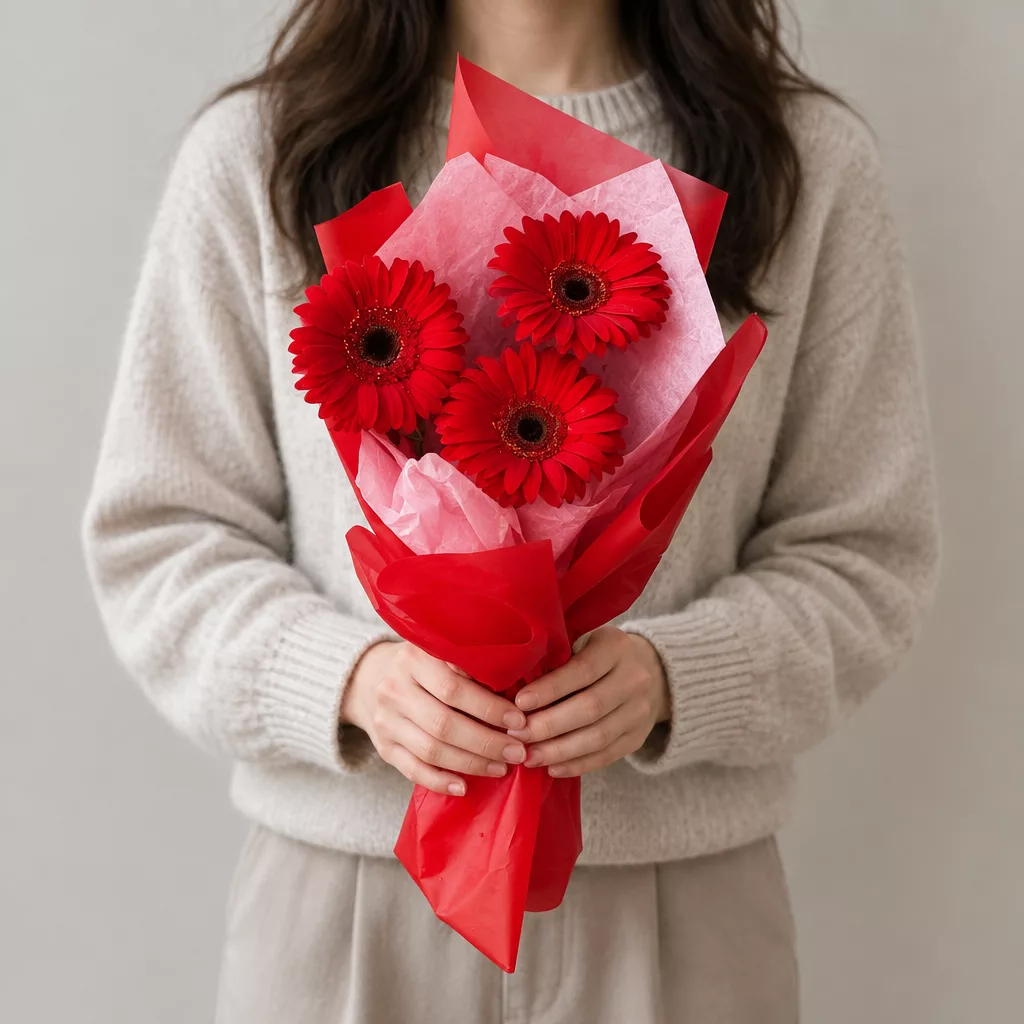
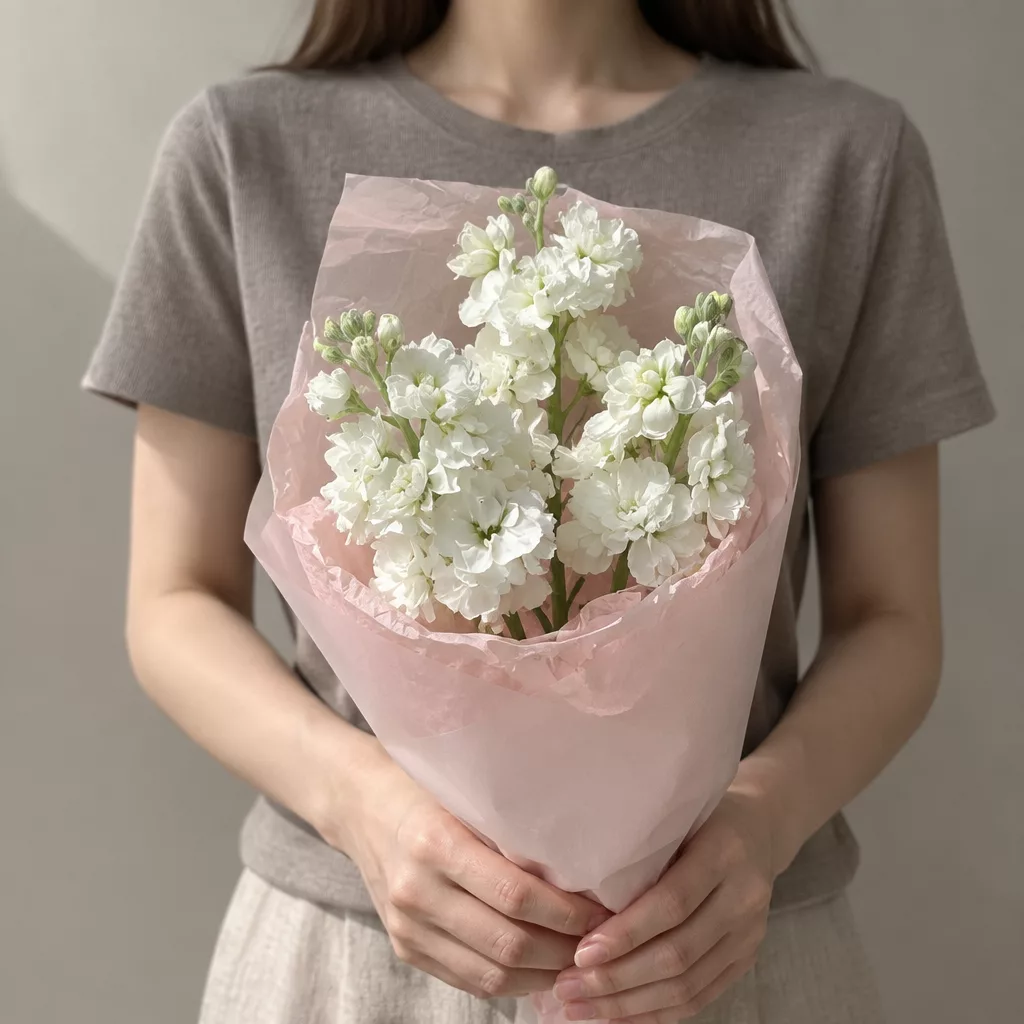
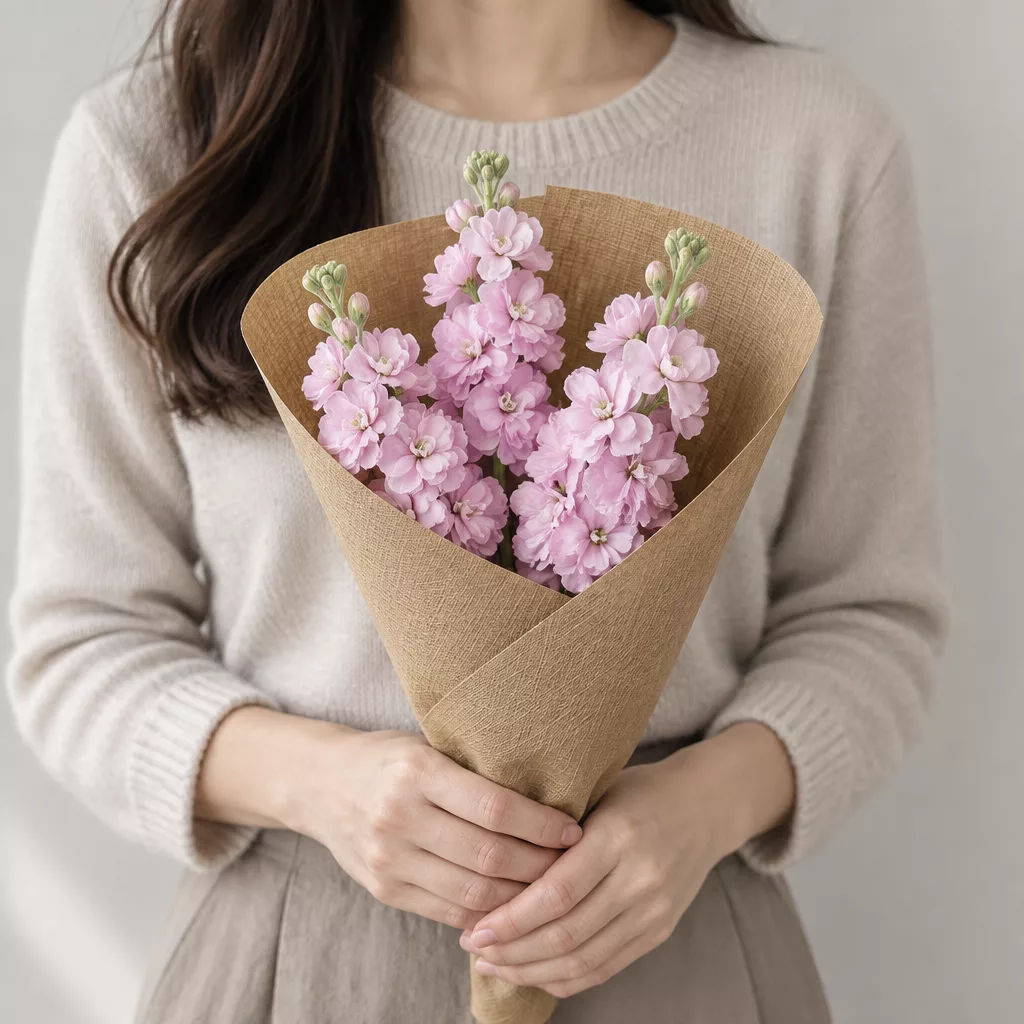
Bouquets we can deliver

Reading the Recipient: Age, Relationship, and Occasion
The bouquet that delights a twenty-five-year-old colleague is not the same one that honours a woman turning sixty. Younger recipients in Russia — roughly under forty — tend to respond warmly to garden-style arrangements: ranunculus, anemones, garden roses, sweet peas when in season, and eucalyptus or ruscus for texture. These feel fresh and personal rather than formal, and they photograph beautifully, which matters to people who share moments on social media.
For a woman in her forties or fifties, the gesture often calls for something with more presence. Classic roses — particularly large-headed varieties like Explorer or Mondial — remain the benchmark for this age group. A tight, structured bouquet of nineteen deep red or blush roses communicates respect and warmth without needing any explanation. Peonies, when available between late April and June, are universally beloved and carry a sense of abundance that feels genuinely celebratory.
Relationship matters just as much as age. A close friend can receive something playful and colourful — a mix of tulips and freesias in spring, or a loose arrangement of dahlias in late summer. A more formal relationship — a manager, a mother-in-law, a professor — calls for something unified and composed. Single-variety bouquets, or combinations of no more than two flower types, tend to read as more considered and respectful in those contexts. When in doubt, lean toward classic over clever; a well-composed rose bouquet never needs explaining.
Colours That Celebrate and Colours to Think Twice About
Red roses are the most recognisable choice in Russia and carry no ambiguity — they are festive, warm, and universally appropriate for a birthday. White flowers, however, deserve a moment of thought. In isolation, an all-white bouquet can feel cold or overly formal in Russian aesthetic tradition, even though white blooms are genuinely beautiful. The solution is simple: mix white flowers with something warm. White roses paired with blush lisianthus, white peonies with soft peach ranunculus, or white tulips alongside yellow freesias all read as celebratory rather than austere.
Yellow flowers were once considered unlucky in Soviet-era folk belief, associated with separation or infidelity depending on the region. That association has faded considerably among younger generations in cities like Saint Petersburg and Moscow, and yellow tulips or sunflowers are now widely given and received without concern. That said, if you are sending to an older woman or are unsure of her background, mixing yellow with orange or warm pink removes any possible ambiguity while keeping the colour in the bouquet.
Pink is the safest celebratory colour across all ages and relationships. Coral, peach, and blush shades work especially well in mixed arrangements. Deep burgundy and violet — think burgundy dahlias or violet lisianthus — feel rich and sophisticated and are particularly well-suited to autumn birthdays when those varieties are at their peak. Avoid building an arrangement entirely around a single muted or grey-toned flower; those palettes feel editorial in photographs but can seem cold in person.
Seasonal Choices and What Is Actually Fresh Right Now
Russia's seasons shape what is genuinely good in a bouquet, and a florist who works with what is fresh rather than what is always available will always produce something more alive. In late winter and early spring — February through April — tulips are at their absolute best. Dutch tulips arrive in Russia in enormous variety during this period: parrot tulips with their fringed petals, double tulips that resemble peonies, and classic single-stem varieties in every colour. A bouquet of fifteen or nineteen tulips in a single colour, tightly wrapped, is one of the most elegant birthday gifts you can send in March.
From May through June, peonies take over. They are the most requested flower in Russia during their short season, and for good reason — a fully open peony is extravagant and fragrant in a way that no other flower quite matches. Order peonies as buds if the birthday is a day or two away; they will open in a warm room within twenty-four to forty-eight hours and last five to seven days at their peak.
Summer brings garden roses, dahlias, and lisianthus. Autumn is excellent for chrysanthemums — which in Russia are a celebratory flower, not a mourning one as in some other countries — as well as roses and hypericum berries for texture. In deep winter, roses, orchids, and alstroemeria are the workhorses: reliable, long-lasting, and beautiful when composed with care. Asking your florist what arrived fresh that week is always a better question than asking for a specific flower by name regardless of season.
Presentation, Wrapping, and the Details That Elevate a Bouquet
In Russia, how a bouquet is wrapped is considered part of the gift itself. A beautiful arrangement handed over in plain cellophane feels incomplete; the wrapping communicates effort and care before the flowers are even looked at closely. Kraft paper with a satin ribbon, layered tissue in a complementary colour, or a structured hatbox for a more luxurious presentation — these choices matter to the recipient and to anyone who sees the bouquet arrive.
The spiral technique, where stems are arranged at an angle so the bouquet fans naturally when set in a vase, is the standard for professional bouquets in Russia. It allows the flowers to drink evenly and means the arrangement holds its shape without the recipient needing to rearrange anything. When you receive a bouquet wound tightly and held with a rubber band at the base, that spiral structure is what you are looking at.
For delivery, temperature is a real consideration. In Saint Petersburg, winters regularly drop below minus fifteen degrees Celsius. Flowers — particularly tropical varieties like orchids and anthuriums — are sensitive to cold exposure even for a few minutes. A good delivery operation wraps cold-sensitive flowers in insulating sleeves and moves quickly between vehicle and door. In summer, direct heat and sunlight in a delivery vehicle can wilt a bouquet within an hour, so same-day delivery within a tight window matters as much in July as it does in January. Always specify the delivery time as precisely as you can, and make sure someone will be available to receive the bouquet promptly.
Keeping the Bouquet Fresh: Simple Care That Makes a Real Difference
A birthday bouquet can last anywhere from four days to two weeks depending on the variety and how it is cared for from the first hour. The most important step happens immediately: cut one to two centimetres from each stem at a diagonal angle, ideally under running water or submerged in a basin. This removes the air bubble that forms when stems are out of water and allows the flower to drink immediately. Use a clean, sharp knife rather than scissors, which crush the stem tissue.
Water temperature matters more than most people realise. For almost all cut flowers, cool water — around fifteen to eighteen degrees Celsius — extends vase life significantly compared to room-temperature water. Tulips are an exception; they continue to grow after cutting and will lean toward light, so rotating the vase and keeping the water cool helps them stay upright. Change the water every two days and re-cut the stems each time.
Keep the vase away from direct sunlight, radiators, and fruit bowls. Ripening fruit releases ethylene gas, which accelerates the aging of flowers — roses and tulips are particularly sensitive to this. A cool room overnight, even just moving the vase to a hallway, can add a day or two to the life of the arrangement.
Roses and lisianthus tend to last the longest in a mixed bouquet — up to ten days with good care. Tulips and ranunculus are shorter-lived but more dramatic while they last. As individual stems fade, removing them keeps the remaining flowers looking their best and reduces bacterial buildup in the water.
Sending birthday flowers to a Russian woman is one of those gestures where the details genuinely matter — not because the rules are strict, but because getting them right shows that you thought about her specifically, not just about flowers in general. An odd number of stems, a colour palette that feels warm and celebratory, varieties that are actually in season, and wrapping that treats the bouquet as a proper gift rather than an afterthought: these are the things that turn a purchase into a memory. When you order with that level of care, the bouquet does not just arrive — it lands.
Frequently asked questions
Is it true you should never give an even number of flowers in Russia?
Yes, this convention is widely observed across generations. Even numbers are associated with mourning, so birthday bouquets should always contain an odd number of stems — five, seven, nine, eleven, fifteen, or more. For large grand-gesture bouquets of forty or more stems the rule is less strictly applied, but for anything under thirty stems, odd is the standard.
Are yellow flowers really considered bad luck in Russia?
This belief existed in Soviet-era folk tradition and is still held by some older recipients. In major cities it has largely faded among younger people, and yellow tulips or sunflowers are given freely. If you are uncertain about the recipient's views, mix yellow with orange or warm pink rather than presenting an all-yellow bouquet — it keeps the warmth while removing any ambiguity.
What flowers are best for a Russian woman's milestone birthday — 50th or 60th?
For a significant milestone, choose flowers with presence and polish. Large-headed roses in deep red, blush, or cream are the classic choice. Peonies, if in season, are universally appreciated. A structured bouquet of nineteen or twenty-five stems in a single variety reads as more considered and respectful than a mixed arrangement for this kind of occasion.
Can I send white flowers for a birthday in Russia?
White flowers are beautiful but work best when combined with warmer tones. An all-white bouquet can feel cold or overly formal in Russian tradition. Pair white roses with blush or peach accents, or mix white tulips with yellow freesias. That combination reads as celebratory and elegant without the austerity that a single-colour white arrangement can carry.
How far in advance should I order birthday flowers for same-day delivery in Russia?
For same-day delivery within Saint Petersburg, ordering by early afternoon gives the best results and allows the florist to select the freshest stems available that day. For deliveries to other Russian cities, ordering the evening before is advisable. Always specify a delivery window and confirm that someone will be present to receive the bouquet promptly, especially in cold or very hot weather.
Ready to send flowers?
Pick the city, choose the bouquet, and a local florist takes it from there.
Choose a city →