Sending a Bouquet Photo: Before or After Delivery, and Why It Matters
You have placed an order, chosen the flowers, written the card message, and now you are waiting. At some point a question forms: will anyone show me what the bouquet actually looks like before it reaches the door? This is one of the most common things customers ask us, and the answer is more layered than a simple yes or no. Here is exactly what happens at Turboflora, step by step, so you know what to expect and why each moment is timed the way it is.
Why the Photo Question Matters More Than It Seems
When you order flowers for someone in another city, you are placing a lot of trust in people you cannot see. You cannot walk into the workroom and check that the roses are fully open, that the ranunculus are the right shade of coral, or that the ribbon colour matches the wrapping. The photo is your eyes in that room. It turns an act of faith into something you can actually see and confirm.
For the recipient, a bouquet arriving at their door is a complete surprise. For the sender, though, the experience is quite different. You chose those flowers with a specific person in mind. You imagined how they would look. The photo closes the gap between your imagination and the real arrangement sitting on our workbench.
There is also a practical dimension. If something is genuinely wrong — a stem broken in assembly, a colour that does not match the description, a bunch that looks sparse — a photo taken at the right moment gives us time to correct it before the courier leaves. That window of opportunity is narrow, which is exactly why the timing of when we take and send the photo is not accidental. It is built into the workflow deliberately, and every florist on our team knows the sequence.
Bouquets we can deliver

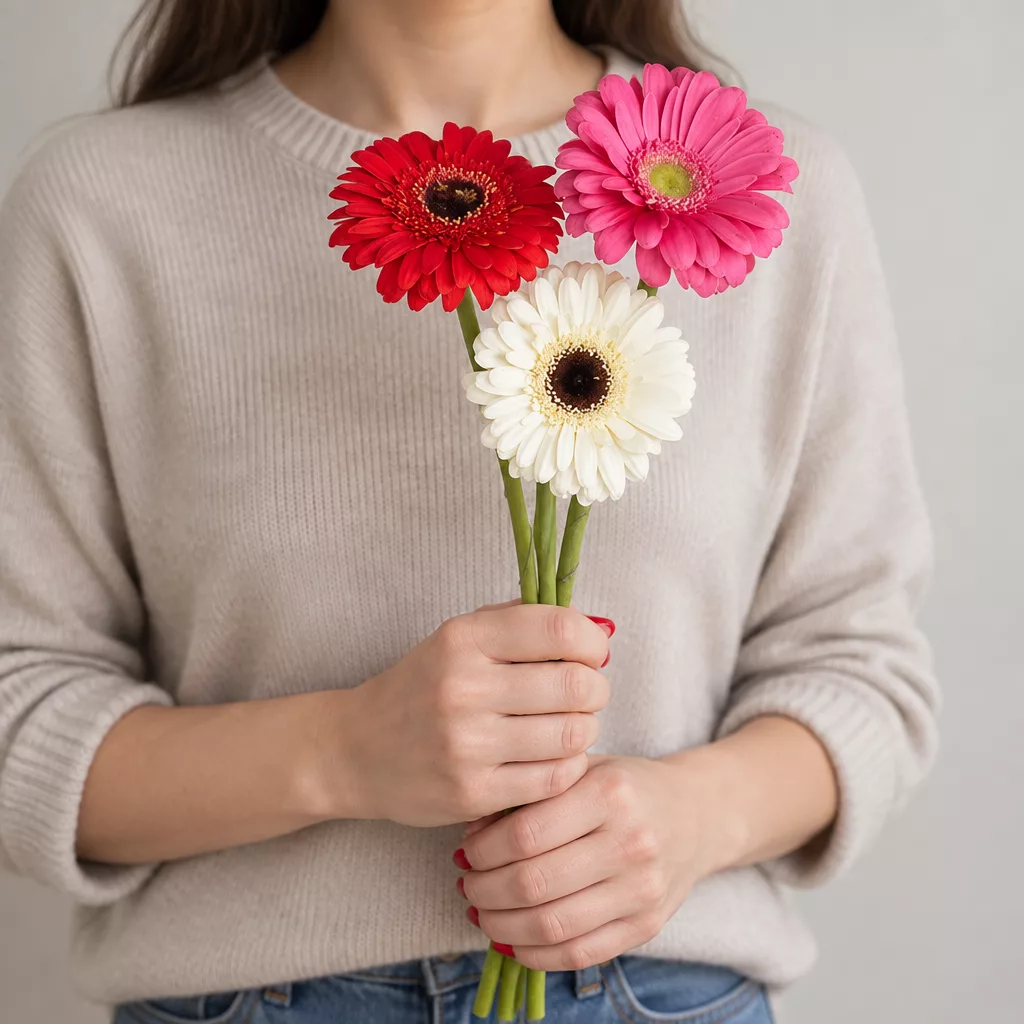
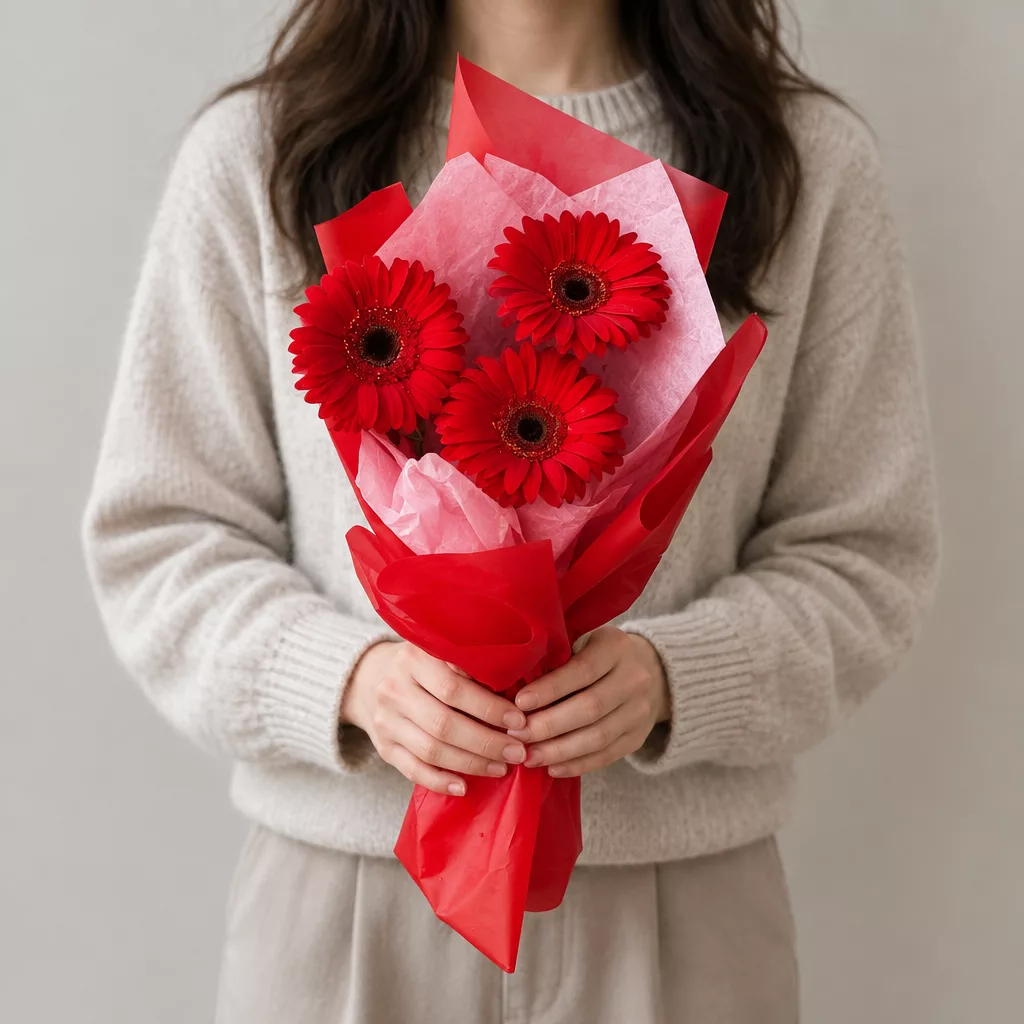
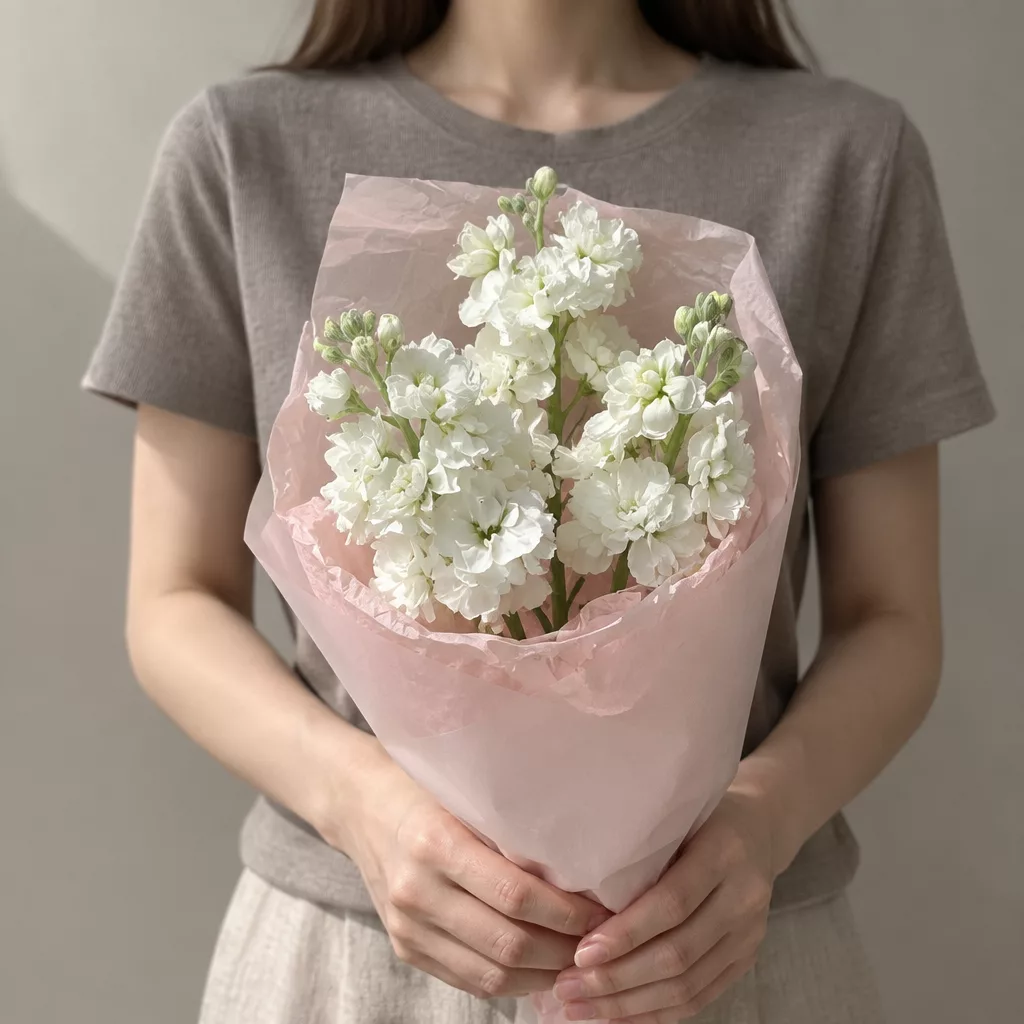
When Exactly Turboflora Takes the Bouquet Photo
We photograph the bouquet after it is fully assembled and quality-checked, but before the courier picks it up. In practice this means the photo is taken roughly twenty to forty minutes before departure, depending on the complexity of the arrangement and the delivery window you selected. For same-day orders placed in the morning, the photo typically reaches you by early afternoon. For urgent one-to-two-hour deliveries, the timeline is compressed and you receive the image within minutes of assembly being completed.
The florist assembles the bouquet, trims all stems at a fresh angle, removes any guard petals from roses that look tired even if they are structurally fine, and then places the arrangement under consistent workroom lighting. The photo is taken at that point, not earlier. We do not photograph flowers still sitting in the bucket or half-wrapped on the table. What you see is the finished piece.
After the photo is sent, the bouquet goes into its travel packaging. For deliveries across Saint Petersburg and to other Russian cities, we use water-retaining wrapping that keeps stems hydrated during transit. The bouquet you see in the photo is the bouquet that travels. We do not rearrange or substitute anything after the image is captured. That commitment is the whole point of the process.
What the Photo Actually Shows You
The image is taken from a slight overhead angle that lets you see the full face of the arrangement — the distribution of focal flowers, the texture of the foliage, and the overall silhouette. For round hand-tied bouquets, which are the most common style we make, this angle captures the dome shape and shows whether the flowers are evenly distributed or clustered awkwardly to one side.
You will see the wrapping material and ribbon as well, because presentation is part of the gift. A bouquet of garden roses in blush pink wrapped in dusty sage kraft paper reads very differently from the same roses in white tissue. The photo confirms that the presentation matches what you ordered or, if you left the choice to us, shows you the decision our florist made and why it suits the flowers.
For larger arrangements with multiple varieties — say, a mix of lisianthus, matthiola, and spray chrysanthemums — the photo lets you check that no single flower dominates unexpectedly and that the colour story holds together. We also photograph any written card before it is sealed in its envelope, so you can confirm your message was transcribed correctly. Spelling errors in a card are more upsetting than most people admit, and catching them before delivery costs us thirty seconds and saves real embarrassment.
How We Send the Photo and What Happens Next
The photo comes to you via the messaging channel you used to place your order — typically WhatsApp or Telegram, both of which are widely used in Russia for exactly this kind of real-time communication. If you ordered through our website and provided a phone number, we send it as a direct message to that number. The image is high enough resolution to zoom in and check details, but compressed enough to load quickly on a mobile connection.
Once you receive the photo, you have a short window — usually around ten to fifteen minutes — to raise any concerns before the courier departs. In practice, most customers respond with a quick confirmation and that is the end of it. Occasionally someone notices that they wanted more greenery, or that the ribbon colour is not quite what they pictured. If the adjustment is quick, we make it. If it would require rebuilding the bouquet and push the delivery outside your requested window, we discuss options honestly.
If you do not respond within the window, we proceed with delivery. We note this in our internal record so that if you contact us later with a question, we can show exactly what was sent and when. This protects both sides. We are not asking for formal approval — we are giving you a genuine chance to see your gift before it leaves our hands, which is a different thing entirely.
What Happens if You Are Unhappy With What You See
Most concerns that arise at the photo stage fall into one of two categories: colour perception and scale. Colours shift between a screen and real life, and they shift again between different screens. A peony that looks pale pink on your phone might appear almost white on ours, or vice versa. Before you decide something is wrong, it helps to know that our workroom uses daylight-balanced lighting specifically to reduce this distortion. What you see is as close to the true colour as a photograph can show.
Scale is trickier. A bouquet of fifteen stems of ranunculus can look modest in a photo but feel generous and full in person, because ranunculus open wide and create volume that a flat image cannot fully convey. Conversely, a tall arrangement of gladioli looks dramatic in the hand but can appear elongated and sparse on screen. We try to include a reference point — a hand, a table edge — in photos of unusually large or small pieces to help with this.
If you have a genuine concern that goes beyond perception, tell us directly and specifically. Saying the bouquet looks nothing like what I ordered is hard to act on in ten minutes. Saying I asked for yellow flowers and these look orange gives us something concrete to check immediately. Our florists are not defensive about corrections — they would rather fix something now than have a customer disappointed after delivery.
The Photo After Delivery: What It Tells You
In addition to the pre-departure photo, our courier takes a photo at the point of handover. This image is sent to you once the bouquet has been delivered. It serves a different purpose from the workroom photo. It confirms that the flowers arrived in good condition after transit and that they reached the right address.
Transit can be hard on flowers, particularly in temperature extremes. Saint Petersburg summers can push ambient temperatures well above what most cut flowers tolerate comfortably, and Russian winters bring their own challenges — tulips and anemones are especially sensitive to freezing, even briefly. The delivery photo lets you see whether the journey affected the arrangement. In the vast majority of cases, proper packaging means the bouquet looks identical to the workroom photo. But if something shifted during transit, you will see it, and so will we.
The delivery photo also captures the moment of receipt in a way that many customers find genuinely moving. Seeing the person you sent flowers to holding the bouquet, even in a quick courier snapshot, makes the whole transaction feel real and personal. Some customers ask us to send this photo on to the recipient's phone so they have a keepsake image. We are happy to do this when the recipient has consented — we never share images without permission.
How to Make the Most of the Bouquet Photo Process
The single most useful thing you can do is stay reachable in the twenty minutes after your expected photo time. If you placed an order for noon delivery and you know the photo comes roughly forty minutes before departure, keep your phone accessible around that window. Missing the photo and responding an hour later means the bouquet is already en route and adjustments are no longer possible.
When you place your order, be as specific as you can about colour preferences and flower sensitivities. If the recipient dislikes strongly scented flowers — and matthiola, for example, has a powerful fragrance that some people find overwhelming — tell us at the order stage rather than waiting to react to the photo. The more we know in advance, the less likely you are to see something unexpected in the image.
Finally, trust the process enough to enjoy it. The photo is not an invitation to redesign the bouquet from scratch or to second-guess every decision. It is a reassurance. Our florists make hundreds of arrangements a week and they have a strong sense of what works. If you gave us latitude and the photo shows something you did not expect, look at it for a moment before responding. Often what reads as surprising in an image becomes exactly right in person, in a real room, in someone's hands.
The photo you receive before delivery is not a formality or a marketing image — it is a working tool that connects what you imagined to what we made. The photo after delivery closes the loop and confirms the flowers arrived safely. Together, these two moments give you visibility over a process that would otherwise happen entirely out of sight. At Turboflora we built this into every order because we know that sending flowers to someone you cannot be with in person carries real emotional weight, and the least we can do is make sure you never have to wonder.
Frequently asked questions
Can I request not to receive the bouquet photo?
Yes. If you prefer to skip the pre-departure image — perhaps because you want the process to be completely hands-off — just let us know when you place your order. We will proceed with assembly and delivery without sending the photo. The delivery confirmation image after handover can also be omitted on request.
What if I am in a different time zone from Saint Petersburg?
Russia spans eleven time zones, so this is a real consideration. When you place your order, note your local time and the best messaging window for you. We schedule the photo send to fall within your available hours where possible. For very large time differences, we recommend ordering with a delivery window that aligns with a time you will be awake and reachable.
Does the recipient see the bouquet photo before they receive the flowers?
No. The pre-departure photo goes only to the sender. We never contact the recipient before delivery unless you specifically ask us to coordinate timing with them. The bouquet arriving at their door is their first moment of contact with the gift, and we protect that surprise as a default.
What does the photo look like for a box arrangement versus a hand-tied bouquet?
For hat-box or flower-box arrangements, we photograph from directly above so you can see the full surface of the design — how the flowers sit within the frame and how the colours distribute across the space. For hand-tied bouquets the angle is slightly lower to show the three-dimensional shape. Both approaches aim to show the piece as it will actually look in person.
Is the photo sent automatically or does someone manually send it?
A member of our team sends it manually after reviewing the finished bouquet. We do not use automated image sending because we want a person to have looked at the photo before it reaches you. That final human check is part of the quality step, not an afterthought. It adds a minute or two but ensures the image you receive is clear and shows the bouquet properly.
Ready to send flowers?
Pick the city, choose the bouquet, and a local florist takes it from there.
Choose a city →