Flowers That Say Thank You in Russian Culture: The Right Choices
Gratitude in Russia is rarely spoken with just words. When a colleague stays late to help you, when a host opens their home for a dinner that stretches past midnight, when a teacher changes the way someone sees the world — flowers are still the most natural way to say what words alone cannot carry. Choosing them well, though, requires knowing a few things that are not obvious from the outside.
Why Flowers Still Mean So Much in Russian Thank-You Culture
In Russia, giving flowers is not reserved for romantic occasions. It is a deeply ordinary and deeply meaningful gesture woven into daily life — a teacher receives them on the first day of school, a host is handed them at the door, a colleague gets them after a shared project closes. The act of arriving empty-handed, by contrast, can feel abrupt or cold even when no offence is intended.
This tradition has roots in both Soviet-era culture, when flowers were one of the few freely available luxury items, and in older Russian hospitality customs where a gift to the host was a mark of respect. Today the habit survives because it works: flowers are personal without being presumptuous, generous without being complicated.
For someone unfamiliar with Russian customs, the most important thing to understand is that the gesture itself carries weight. But the choice of flower, the number of stems, and even the colour all send signals that people notice. A well-chosen bouquet tells the recipient that you thought about them specifically, not just about finding something to bring. That attention is exactly what makes a thank-you feel sincere rather than performative. Getting these details right takes only a little knowledge, and the sections below will walk through each one clearly.
Bouquets we can deliver

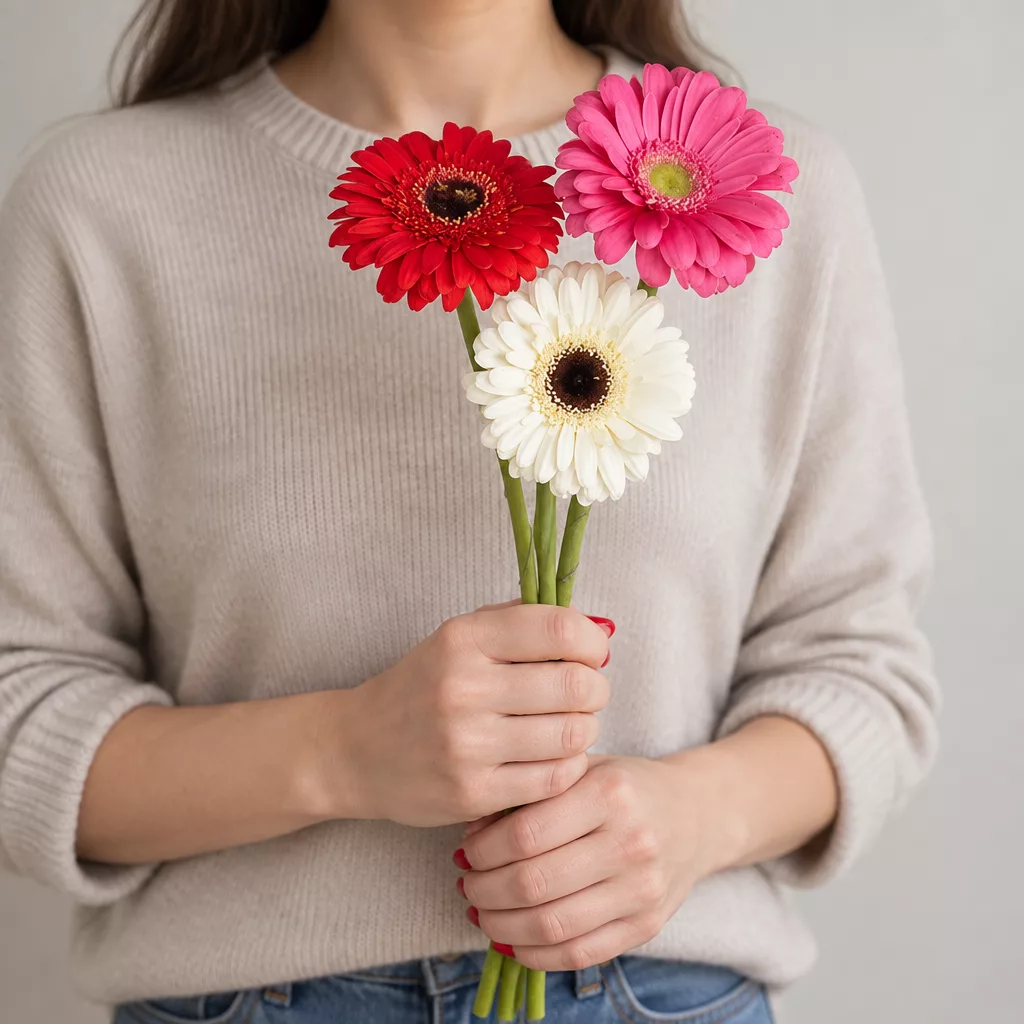
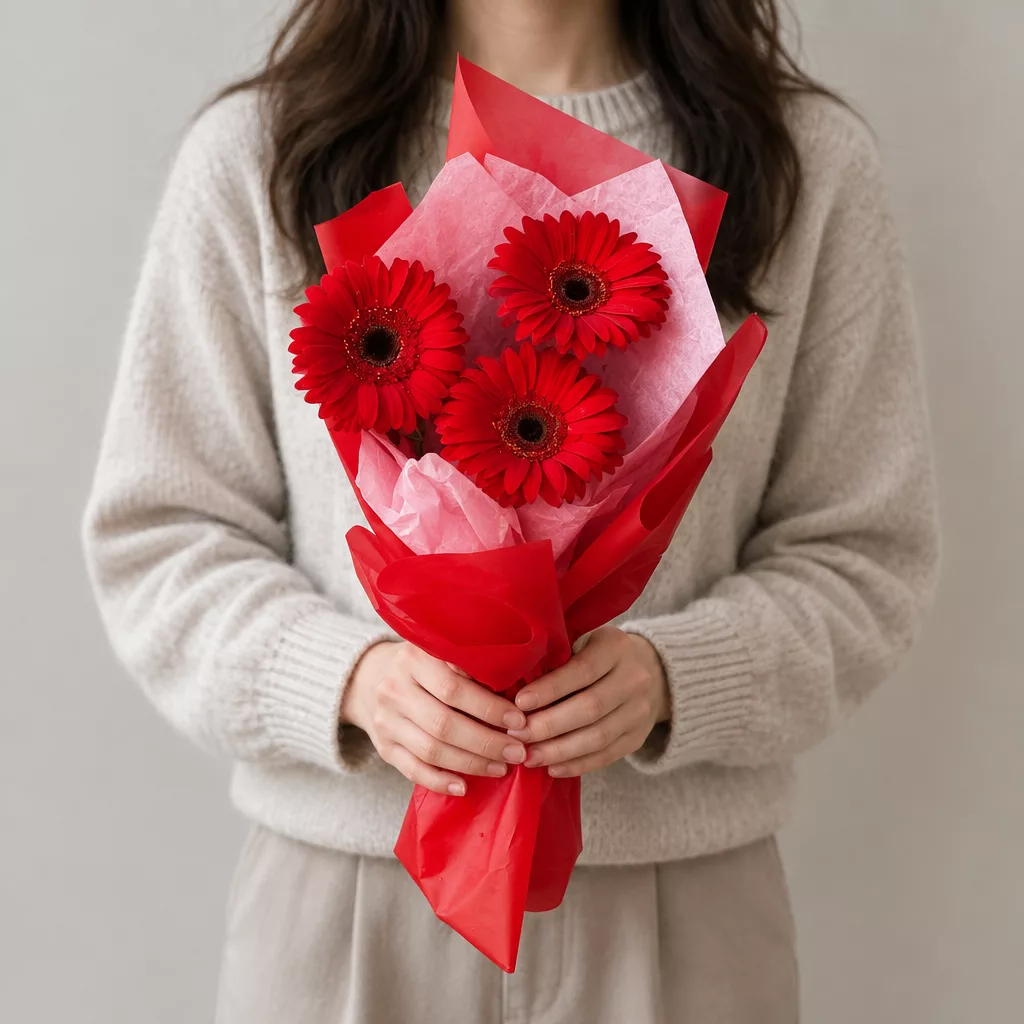
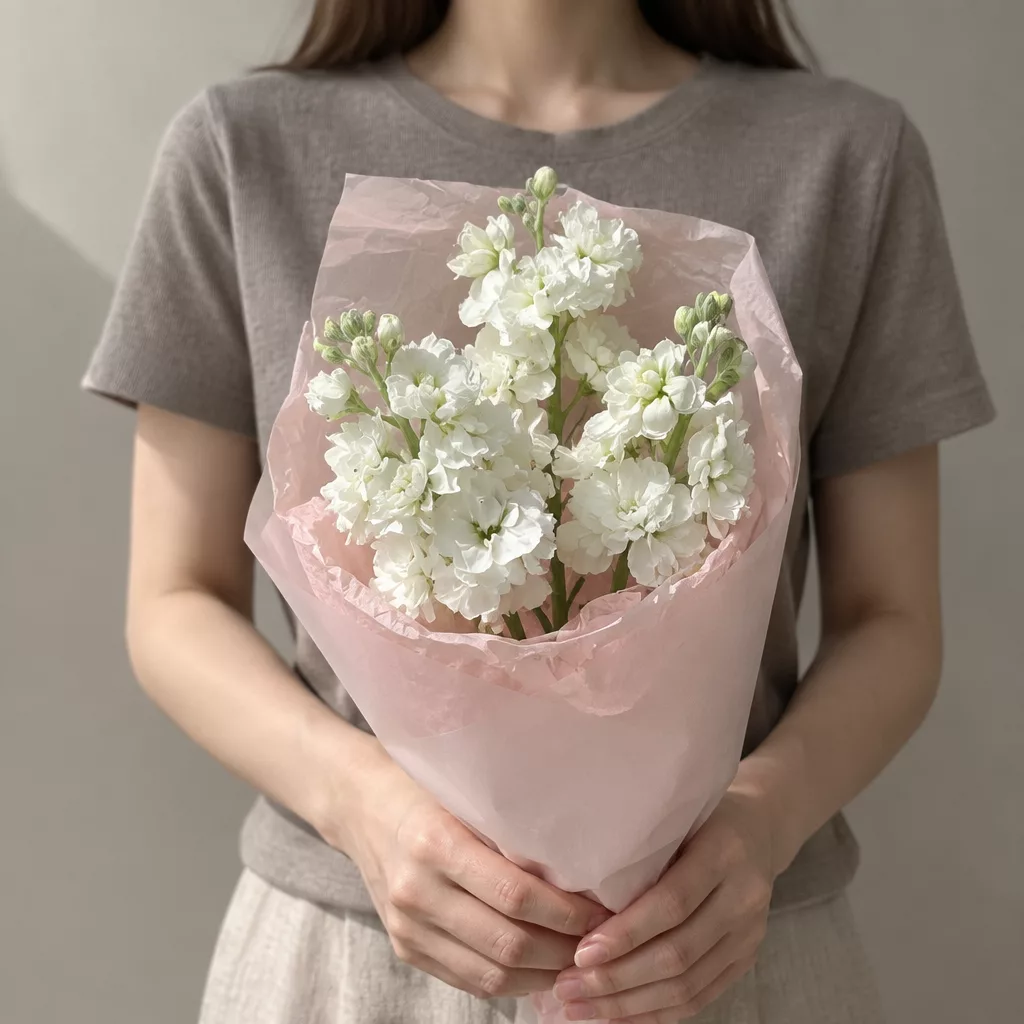
One Rule You Cannot Ignore: Always Count the Stems
Before anything else, there is one rule that cuts across every occasion and every budget in Russia: never give an even number of flowers to a living person. Even numbers — two, four, six, ten — are associated with funerals and mourning. An odd number, even just one stem more, shifts the meaning entirely. Three, five, seven, nine, eleven — these are the counts you want.
This is not a superstition that only older generations follow. Younger Russians in their twenties and thirties are equally aware of it, and receiving an even-numbered bouquet can create a moment of discomfort that the giver never intended. The good news is that it is completely easy to avoid once you know.
When ordering a bouquet for gratitude, always confirm the stem count before the arrangement is finalised. A single extra stem of greenery or a filler bloom like waxflower or eucalyptus can adjust the number without changing the look of the arrangement at all. If you are ordering for a colleague or teacher and you are not certain of the exact count, simply ask the florist to ensure it is odd — any professional will understand immediately and adjust accordingly. This one detail protects the warmth of your gesture from being accidentally misread.
Choosing Flowers by Who You Are Thanking
The relationship shapes the bouquet more than the budget does. For a teacher — particularly around Knowledge Day on September 1st or at the end of the school year — chrysanthemums, gerberas, and gladioli have a long and respected history. They read as celebratory and formal without being cold. A mono-bouquet of white or yellow chrysanthemums in a kraft wrap is a classic that teachers genuinely appreciate rather than merely accept.
For a colleague or professional contact, the register should be warm but measured. Garden roses in blush or coral tones work beautifully here, as do alstroemeria, which last exceptionally well — important when someone will carry them on public transport or leave them on a desk for the afternoon. Avoid anything too dramatically romantic, such as deep red roses in a tight dozen; that combination carries a specific meaning that can make a workplace thank-you awkward.
For a host who has cooked for you, opened their home, or shown you particular kindness, you have the most freedom. Peonies when they are in season from May through June, ranunculus in spring, or a mixed garden-style arrangement with lisianthus and spray roses all say warmth and genuine appreciation. Hosts tend to love something that looks like it came from a garden rather than a formal ceremony — loose, layered, and a little abundant. Presenting the flowers at the door rather than after the meal is the correct moment in Russian custom.
Colours That Carry Gratitude Well — and a Few to Use Carefully
Colour in Russian flower culture is not as strictly codified as stem count, but certain palettes do carry associations that are worth understanding. White flowers are beautiful and widely used, but in large, formal, all-white arrangements they can edge toward a ceremonial register that feels more solemn than thankful. A few white blooms mixed into a warmer palette — blush, peach, soft yellow — work perfectly well.
Yellow flowers had a reputation in Soviet times as a sign of separation or jealousy, and some older recipients may still associate them with that. However, this association has faded considerably among younger generations, and warm yellow — sunflowers, yellow ranunculus, mimosa in late winter — is now widely seen as cheerful and generous. If you are thanking someone in their fifties or older and you are uncertain, leaning toward peach, coral, or pink is a safer choice that carries no ambiguity.
For gratitude specifically, warm tones work best: coral and salmon roses, lavender lisianthus, blush peonies, cream freesia. These colours feel generous and personal without the intensity of red or the severity of all-white. Purple and violet, especially in combinations with white or green, are associated with respect and admiration — excellent for a teacher or mentor. Avoid mixing in colours simply because they are available; a cohesive palette of two or three tones always reads as more considered than a rainbow arrangement, and consideration is exactly what gratitude requires.
Arrangements by Budget: What Each Level Actually Looks Like
A meaningful thank-you bouquet does not require an elaborate or expensive arrangement. At a modest level, a hand-tied bunch of five or seven alstroemeria stems in two complementary colours — say, white and coral — wrapped in kraft paper with a ribbon is entirely appropriate for a colleague or a brief professional thank-you. Alstroemeria is honest, long-lasting, and carries no unintended meaning.
At a mid-range level, you gain access to combinations that feel genuinely considered. Seven to nine stems of garden spray roses mixed with eucalyptus and a few stems of waxflower gives a loose, generous shape that suits hosts and teachers equally well. Lisianthus paired with ranunculus in spring creates a soft, layered look that photographs beautifully and lasts well in a vase — typically seven to ten days with clean water and a cool room.
At a higher level, the focus should shift to seasonal statement blooms rather than simply more stems. A generous arrangement built around peonies in May or June, or around large-headed garden roses in summer, with supporting foliage of ruscus or pittosporum, makes an impression that the recipient will remember. The key at any level is proportion and intention: a tightly composed bouquet of nine stems in perfect condition will always outperform a loose pile of twenty stems that look hurried. Ask for the flowers to be conditioned before wrapping — this means the stems have been cut at an angle and hydrated, which extends vase life significantly after delivery.
Keeping the Flowers Fresh After Delivery: What the Recipient Should Know
If you are sending flowers as a thank-you rather than delivering them yourself, it is worth including a short note with care instructions — or ensuring the florist includes one. Many recipients, particularly those who do not receive flowers regularly, are uncertain what to do in the first hour and this uncertainty costs days of vase life.
The single most important step is immediate re-cutting of the stems. A diagonal cut of about two centimetres, made under running water or at least with a sharp knife rather than scissors, removes the air bubble that forms during transport and allows the flower to drink properly. Scissors can crush the stem tissue and restrict water uptake even if the cut looks clean.
Water temperature matters more than most people expect. Lukewarm water — around 35 to 40 degrees Celsius — is absorbed more easily than cold water for most cut flowers. The exception is bulb flowers such as tulips and hyacinths, which prefer cold water. Changing the vase water every two days and trimming the stems slightly each time extends the arrangement significantly.
Room temperature is the other variable. Flowers kept away from direct sunlight, radiators, and fruit bowls — ethylene gas from ripening fruit accelerates wilting — will last noticeably longer. In a Russian apartment in winter, where indoor heating can be intense, placing the vase near a window at night gives the flowers a cooler rest period. Roses and lisianthus in these conditions can last ten days or more, which means the gratitude stays visible long after the occasion.
Sending Flowers Remotely: Getting the Timing and Presentation Right
Sending a thank-you bouquet to someone in another city — or across Saint Petersburg when you cannot be there in person — is entirely normal in Russia and carries the same warmth as a hand-delivered gift. The important thing is timing. A thank-you that arrives the same day as the occasion, or within twenty-four hours, lands with full emotional weight. One that arrives three days later, however beautiful, feels like an afterthought.
When ordering for remote delivery, specify the occasion in the order notes. A florist who knows the arrangement is a professional thank-you for a colleague will make different choices about formality and colour than one preparing a gift for a host. These details shape the composition even when the recipient never reads them.
Presentation on arrival matters too. A bouquet that is delivered in good condition — stems hydrated, wrapping intact, no wilting — reflects directly on the sender. This means choosing a delivery window that suits the recipient's schedule rather than your own convenience. Flowers left outside a door in summer heat or winter frost for even an hour can arrive in poor condition. A morning or early afternoon delivery, when someone is likely to be home or at their workplace, is almost always the better choice.
Including a handwritten-style card with a specific message — not a generic greeting but a sentence or two that references the actual reason for gratitude — transforms a beautiful arrangement into a genuinely personal one. The flowers open the door; the words walk through it.
Saying thank you with flowers in Russia is one of those customs that feels immediately right once you understand it. The rules are simple: odd numbers, warm colours, a choice of bloom that fits the person rather than just the occasion, and timing that shows you meant it. Whether you are thanking a teacher who shaped someone's thinking, a host who fed you well, or a colleague who made a hard week easier, a well-chosen bouquet says something that a message or a card alone rarely manages. It says that you noticed, and that you took a moment to show it. We deliver bouquets across Russia in 1–2 hours.
Frequently asked questions
Is it appropriate to send flowers to a male colleague as a thank-you in Russia?
Yes, though the arrangement should be chosen carefully. A structured bouquet with strong shapes — sunflowers, large chrysanthemums, or tropical foliage — works better than something delicate and romantic. The gesture itself is entirely accepted in professional Russian culture, particularly when the occasion is clear, such as closing a project or marking a significant favour.
What is the best flower to give a teacher in Russia?
Chrysanthemums have the longest association with teachers in Russian culture and remain a genuinely appreciated choice rather than a cliché. Gladioli and gerberas are also traditional. For a more contemporary feel, a garden-style arrangement with spray roses and eucalyptus reads as thoughtful and personal. Avoid anything too romantic in colour or form — warm whites, yellows, and purples work best.
Can I send flowers to someone's workplace as a thank-you?
Absolutely. Workplace deliveries are common and well-received in Russia. Choose flowers that travel and last well — alstroemeria, lisianthus, and spray roses are excellent choices because they hold up during the day and do not require immediate vase care. Avoid very large or fragrant arrangements that might be difficult to manage in an open office environment.
How far in advance should I order a thank-you bouquet for same-day delivery?
For same-day delivery within Saint Petersburg, ordering at least two to three hours before the desired delivery window gives the best results. This allows time for the arrangement to be properly conditioned and wrapped. For deliveries to other Russian cities, ordering the evening before or first thing in the morning ensures the flowers arrive fresh and on time.
Are there flowers I should avoid entirely for a thank-you gift in Russia?
Even numbers of any flower should always be avoided. Beyond that, large all-white formal arrangements can feel ceremonial rather than warm. Yellow flowers are fine for most recipients under fifty but may carry old associations for older generations. Deep red roses in a classic arrangement read as romantic rather than grateful, which can create unintended awkwardness in professional or host contexts.
Ready to send flowers?
Pick the city, choose the bouquet, and a local florist takes it from there.
Choose a city →