Broken Bouquet: What to Save, Cut and Rearrange
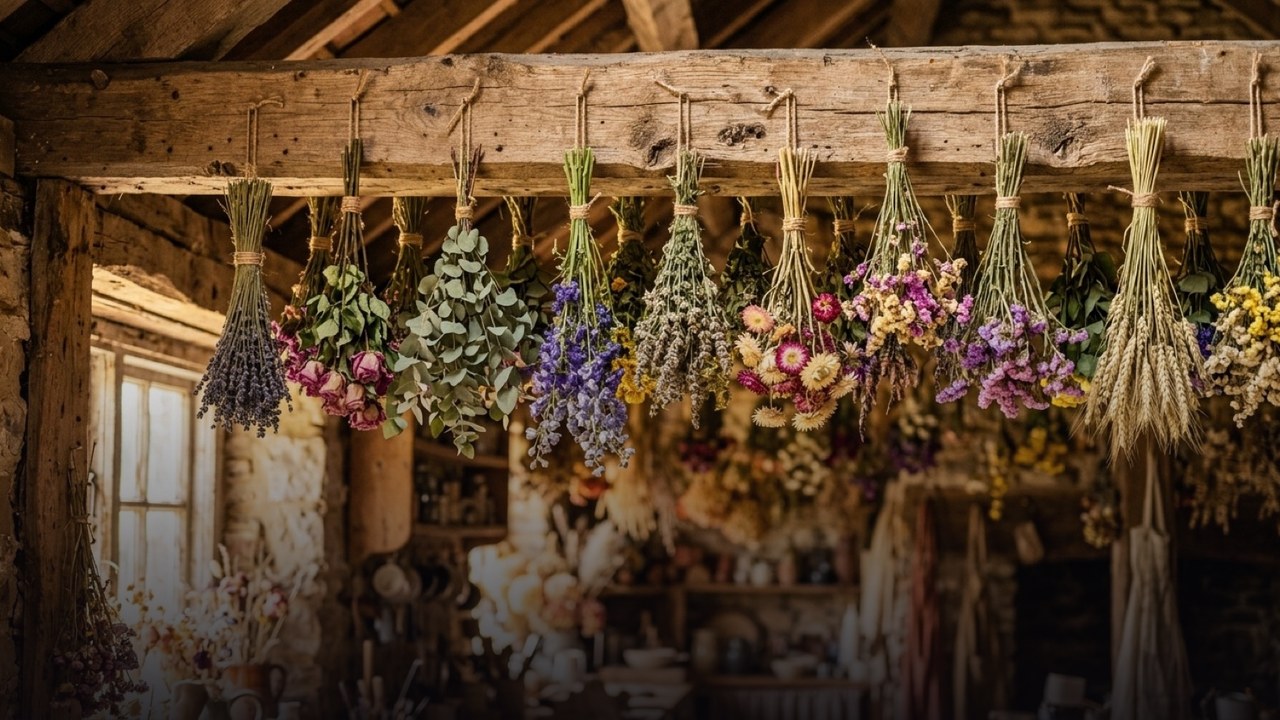
A broken bouquet can often be salvaged by cutting damaged stems back to sound tissue and rearranging the remaining flowers in a smaller vase. A completely snapped stem will not grow back together: shorten it below the break, while keeping any usable flower head on a short stem in a separate small vessel. If the flowers are drooping rather than visibly broken, start with fresh water, a clean vase and a fresh cut.
Before you throw anything away, unwrap the bouquet and examine each stem separately. Bent stems, crushed petals and limp flowers need different treatment, and one damaged bloom does not mean the whole arrangement is lost. Your aim is to preserve healthy material, give the stems access to water and rebuild an arrangement that supports the flowers at their new lengths.
Check whether the stems are broken, bent or simply drooping
Lay the bouquet on a clean surface and loosen the wrapping enough to see the stems without pulling them apart. Look for sharp creases, flattened patches and splits, especially just below the flower heads or where the bouquet was tied. A stem that hangs from a thin strip of tissue needs cutting; a gentle natural curve may need no correction at all.
Drooping is a symptom, not proof of a break. If a stem remains intact but the leaves and flower look limp, water loss or poor water uptake may be involved. Recut the base, remove foliage that would sit underwater and place it in a clean vase with fresh water. Give it a few hours before judging the result, remembering that some flowers will not recover.
Check the flower heads as well as the stems. A few bruised outer petals are different from a crushed centre, and neither is repaired by watering. Remove loose, badly damaged material gently, without stripping away sound petals to chase a perfect shape. Discard material that is mouldy or slimy, and wash your hands and tools before handling the healthy flowers.
Cut snapped stems cleanly instead of trying to mend them
Use a clean, sharp flower knife or secateurs suitable for the stem. Cut below a crushed or split section, where the remaining stem is firm and intact, rather than leaving damaged tissue at the new base. Remove leaves that would be submerged, then put the shortened flower into water promptly. Choose the vase after cutting so its height suits the stems you actually have.
When a break is high up, you may still be able to keep the flower head with a short length of healthy stem beneath it. Place that piece in a bud vase or another small, stable vessel, with the cut end in water and the petals above it. Keep the sound lower stem only if its remaining leaves or side shoots add something useful to the arrangement.
Tape and a splint can hold a bent stem in position, but they do not restore its damaged internal channels or make a severed stem heal. For a household rescue, shortening is usually more practical than disguising a serious break. Do not use household glue on cut surfaces or add improvised repair materials to vase water; neither addresses the flower’s need to take up water.
Bouquets we can deliver




Help intact flowers recover with straightforward vase care
Wash the vase thoroughly before refilling it, particularly if the old water is cloudy or the inside feels slippery. Use fresh water and, if you have a packet of cut-flower food, follow its dilution instructions. Guessing at a stronger dose is unhelpful. Keep leaves and loose petals out of the water, where they can decay and make the vase harder to keep clean.
Put the arrangement somewhere away from direct sun, radiators and draughts. A damaged bouquet does not benefit from repeated handling, so let it stand while you assess whether the intact stems become firmer. Avoid pressing or squeezing flower heads to test them. Check the water level during the day, especially when several stems share a small vessel.
Replace water that becomes cloudy, clean the vessel and remove any stems that turn soft or slimy. Recut a stem if its base deteriorates, provided enough healthy length remains for your vase. Do not expect water care to reverse torn petals, crushed tissue or advanced ageing: it supports the usable flowers, while trimming and rearranging deal with physical damage.
Rebuild the bouquet around its shorter stems
A low arrangement often works better than trying to recreate the bouquet’s original height. Start with a clean vessel whose opening holds the shortened stems without packing them tightly. Add the strongest stems first, then position the more delicate flowers where neighbouring stems can offer light support. Leave room to remove individual flowers later without dismantling everything.
If the stem lengths vary greatly, divide the bouquet between two or three vessels. Keep taller flowers together and turn the shortest pieces into a small arrangement for a bedside table or desk. This also prevents a short stem from disappearing below the waterline in a tall vase. Check that every cut end reaches water and that flower heads are not resting in it.
Use remaining foliage to give the arrangement shape, but do not force greenery against damaged petals to conceal every flaw. Turn an imperfect bloom so its sound side is visible, or remove it if it no longer contributes to the display. Photographing the result from the front can help you notice gaps and crowded areas without repeatedly touching the flowers.
Handle a damaged gift with care and clear communication
If a bouquet arrives damaged, take a few clear photographs before substantially rearranging it: the whole bouquet, the affected stems and any visibly damaged wrapping. Then put usable flowers into water rather than leaving them dry while you write a message. Describe what you can observe, such as snapped stems or crushed heads, without guessing when or how the damage happened.
For a Turboflora order, contact a manager on WhatsApp with the order details and photographs so you can discuss the condition of the bouquet. A manager can also help agree the address, timing and card text for an order, and provide a photo of the bouquet before delivery. That photo gives you a view of the arrangement before it travels.
If you are the recipient, you can thank the sender for the thought and mention the damage plainly if it needs attention. If you are the sender, ask what arrived before making assumptions. A physically broken bouquet has no fixed symbolic meaning; damage alone does not communicate rejection, bad luck or an apology. Let your actual message carry the meaning of the gift.
Send flowers to Russia with the details agreed in advance
If you decide to send another bouquet, start with the bouquets catalogue and confirm the recipient’s city, address and availability. Turboflora delivers flowers across Russia. City delivery costs 500 RUB; for remote districts and suburbs, the operator confirms the delivery price when confirming the order. Use WhatsApp to agree details that need clarification before delivery.
In large cities, express delivery takes 1–2 hours after the order is confirmed. You can also arrange an exact time within a margin of plus or minus 30 minutes, choose a window of 09–12, 12–15, 15–18 or 18–21, or pre-order 1–30 days ahead. When ordering from abroad, make the intended date and recipient’s local delivery time explicit. See delivery and payment for ordering information.
Delivery is anonymous by default: the courier does not name the sender, so sign the free card if you want the recipient to know who sent it. The courier calls about 15 minutes before arrival. If the recipient is absent, we agree a second delivery that day or a handover to a neighbour or concierge with the sender’s consent. Online checkout uses CloudPayments; check the payment options displayed there, as acceptance of every foreign card is not guaranteed.
Frequently asked questions
Can you repair a completely broken flower stem?
A completely severed cut-flower stem will not grow back together. Cut away the damaged section and place the flower’s remaining healthy stem in a suitably small vase.
Will a drooping bouquet recover in water?
Some intact flowers may become firmer after you recut their stems and put them in fresh water in a clean vase. Recovery depends on their condition; water cannot reverse a snapped stem or crushed petals.
Should I remove every bruised petal?
Remove loose or badly damaged petals gently if you can do so without harming the flower. Leave minor imperfections alone when removing them would tear healthy tissue or spoil the bloom’s shape.
What does a broken bouquet mean as a gift?
Physical damage has no fixed symbolic meaning, so it is better to ask what happened than infer a message. If you are sending flowers to express an apology or another personal sentiment, say it clearly in the card.
Can I order flowers to Russia while I am abroad?
You can arrange delivery across Russia and ask a manager to help agree the address, timing and card text. Payment at online checkout uses CloudPayments; check the displayed options because foreign-card acceptance is not guaranteed.
Ready to send flowers?
Pick the city, choose the bouquet, and a local florist takes it from there.
Choose a city →