Can Flowers Stay in a Hot Car? How to Protect Your Bouquet
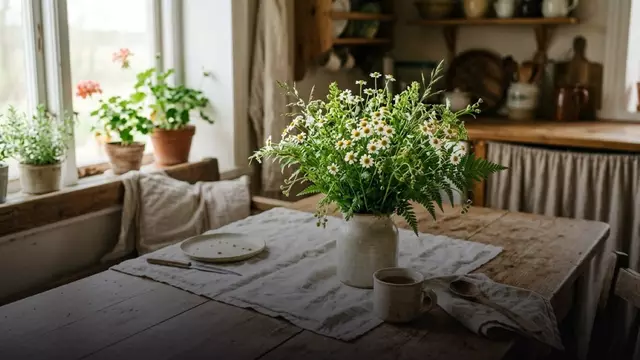
Flowers should not stay in a hot car: heat and water loss can leave a bouquet wilted or permanently damaged. There is no reliable safe waiting time, because conditions depend on sunlight, ventilation, the flowers themselves and whether the stems have water. Take the bouquet indoors whenever you park and leave the vehicle.
A journey in a cooled, occupied car is different from leaving flowers behind while you shop, eat or attend an appointment. Plan the bouquet as your last collection before going straight to the recipient. If you are arranging a gift from abroad for someone in Russia, delivery can also remove the need for the recipient to collect flowers and carry them through several errands.
Why a parked car is a poor place for flowers
Cut flowers continue to lose water through their leaves and petals. Heat increases that loss, and the stems may struggle to replace it, particularly when they are out of water. A bouquet can become limp even while its wrapping still looks neat. Direct sun adds another problem: exposed petals and foliage can suffer damage that fresh water will not reverse.
Water around the stem ends helps with hydration, but it does not make a hot car suitable for storage. A damp wrap contains a limited supply, and a vase cannot protect the flower heads from heat or sunlight. Check what your bouquet is actually standing in before travelling; decorative paper around the stems is not evidence that they have a water source.
Cracking a window or parking in shade does not give you a dependable storage period. Shade can move, and an enclosed car may remain hot even without sun falling directly on the bouquet. Avoid planning around a supposed allowance of a few minutes or an hour. For a longer journey, see our guide to flowers in a car for a few hours.
Prepare the car and bouquet before you set off
Cool the passenger compartment before bringing the flowers inside. Choose a secure place away from direct sunlight, hot glass and strong air blowing straight onto the petals. Keep the bouquet out of the boot, where you cannot easily monitor its condition or assume it shares the cabin's cooling. Remove bags and loose objects that could slide into the flower heads.
For stems that will travel in water, use a stable container and secure it upright so it cannot tip during braking or turns. Keep the water below the leaves and away from upholstery and electrical fittings. If you cannot secure a container safely, hydrate the flowers before departure, keep the journey direct and put them back in water as soon as you arrive.
Support the bouquet without squeezing the heads against a seat, window or seat belt. Leave protective wrapping in place if it prevents rubbing, but do not let tight packaging crush delicate petals or bend stems. Never hold or adjust flowers while driving. If the bouquet shifts, stop somewhere safe before repositioning it, and keep it clear of the driver's controls.
Bouquets we can deliver




Plan errands and the handover around the flowers
Finish shopping, appointments and other stops before collecting the bouquet. Go straight to the destination, and confirm that someone can receive it before you leave. If plans change, take the flowers into a suitable indoor space with you. Leaving them in the car while you wait for a table or visit another building turns a transport problem into a storage problem.
For a restaurant meal, wedding or office celebration, check whether the venue can receive the flowers and put them in water on arrival. Ask before relying on staff to store them. A bouquet left on a sunny reception desk can still deteriorate, so request a place away from windows, heaters and busy walkways where it is less likely to be knocked over.
Think about the recipient's journey as well as your own. Giving flowers just before someone begins a long drive or an outdoor activity leaves them with the same care challenge. A handover near home or at the end of an outing is often more practical. If the presentation needs to happen earlier, arrange access to water and a suitable indoor resting place.
What to do if your bouquet has already become hot
Bring the flowers into a cool indoor room, out of direct sunlight, and inspect them before rearranging anything. Look for drooping heads, limp leaves, browned or translucent petal patches and crushed stems. General softness may improve with hydration; visibly scorched or damaged tissue will not become fresh again. Do not judge recovery while the bouquet is still sitting in the hot vehicle.
For an ordinary hand-tied bouquet of cut stems, use a clean vase and fresh water. With a clean, sharp tool, recut the stem ends and remove leaves that would sit below the waterline. Add cut-flower food according to its packet if you have it. For an arrangement fixed in floral foam or another container, replenish its water carefully instead of pulling the stems out.
Leave the bouquet undisturbed for a few hours, then reassess its firmness and appearance. Keep it away from sun, heating and strong draughts during that time. Avoid trying to rescue it with a freezer, ice pressed against the petals or an improvised soak of the whole arrangement. Recovery varies, and a bouquet that looks better after drinking may still have a shorter display life.
Check the flowers before giving or displaying them
Assess individual stems rather than assuming the whole bouquet is either saved or ruined. Some flowers may stand upright again while others remain collapsed or show damaged petals. Remove badly deteriorated stems and any fallen material from the water. If several usable flowers remain, a smaller arrangement can be more presentable than keeping visibly damaged stems in the original shape.
Handle petals sparingly while checking them; repeated touching can add bruising to existing heat damage. Trim a broken stem back to sound tissue if enough length remains for a smaller vase. Keep the remaining flowers in clean water and check the level regularly. Do not hide wilting with tighter wrapping, which makes it harder to assess the bouquet and may compress the heads.
If the flowers are a gift, a brief, honest explanation is kinder than presenting an obviously heat-damaged bouquet without comment. Tell the recipient that it needs fresh water and a cool place, and avoid promising that every stem will recover. For an important occasion, inspect the flowers with enough time to make another plan rather than discovering their condition at the doorway.
Arrange delivery in Russia when car storage is avoidable
If you are sending flowers to Russia from another country, choose from our bouquets catalogue and plan delivery around the recipient's availability. Turboflora delivers across Russia. City delivery costs 500 RUB; for remote districts and suburbs, the operator confirms the delivery price when confirming the order. Use the destination address when agreeing the details.
In large cities, express delivery is available in 1–2 hours after the order is confirmed. You can also arrange an exact time with a tolerance of plus or minus 30 minutes, choose a window of 09–12, 12–15, 15–18 or 18–21, or pre-order 1–30 days ahead. Contact a manager on WhatsApp to agree the address, timing and card text, get help choosing, or request a bouquet photo before delivery.
The courier calls the recipient about 15 minutes before arrival. If they are absent, we agree a second delivery the same day or a handover to a neighbour or concierge with the sender's consent. Delivery is anonymous by default, and a card with your text is free. Online checkout uses CloudPayments; check the payment options displayed there, as acceptance of every foreign card is not guaranteed. See delivery and payment details when planning your order.
Frequently asked questions
Can I leave flowers in a hot car for ten minutes?
There is no dependable ten-minute allowance: the starting temperature, sunlight and condition of the flowers all matter. Take the bouquet indoors when you leave the vehicle instead of using a timer as protection.
Will flowers be safe in a hot car if they are in water?
Water helps the stems replace moisture, but it does not protect petals and foliage from heat or direct sun. A vase or water wrap is useful during transport, not a reason to leave flowers in a parked car.
Can air conditioning keep flowers safe during a drive?
A cooled passenger compartment makes a direct journey more suitable for flowers, provided the bouquet is secure and shaded. Keep strong airflow off the petals and take the flowers with you when you park.
Will wilted flowers recover after being left in a hot car?
Some stems may regain firmness after recutting and hydration in a cool room, but recovery is uncertain. Browned, scorched or otherwise damaged petals will not return to their original condition.
How can I send flowers to Russia without asking someone to collect them?
Order a bouquet for delivery to the recipient's address and agree a suitable time. You can contact a manager on WhatsApp to confirm the address, delivery details and message for the free card.
Ready to send flowers?
Pick the city, choose the bouquet, and a local florist takes it from there.
Choose a city →