Sending Flowers to Russia? Here Is How Payment Actually Works
You have found the perfect bouquet, you know the address in Saint Petersburg or another Russian city, and then the checkout page asks for payment — and you are suddenly unsure whether your foreign card will work, what currency you will be charged in, and whether the amount on your bank statement will match what you expected. These are completely reasonable questions, and they come up every day from customers in Europe, the United States, and beyond. This article walks you through exactly what happens at the moment you click pay, so there are no surprises on either end.
The Currency You See at Checkout and the Currency You Are Charged In
When you browse the Turboflora website, all prices are displayed in Russian rubles. This is not a technical quirk — it reflects the fact that every cost in the chain, from the wholesale flower market to the courier on the road, is settled in rubles inside Russia. There is no parallel pricing in dollars or euros behind the scenes. What you see is the real price, expressed in the local currency of the country where the flowers are grown, arranged, and delivered.
When you proceed to checkout with a foreign card, your bank receives a charge in rubles. Your bank then converts that ruble amount into your home currency — dollars, euros, pounds, or whatever your account holds — using the exchange rate that your bank applies at the moment the transaction is processed. Turboflora does not set that rate and does not add a markup on top of it. The conversion is entirely between you and your card issuer.
This means the final figure on your statement will be in your home currency, and it will reflect the ruble total plus your bank's standard foreign transaction handling. Most international banks show the original ruble amount alongside the converted sum in the transaction detail, so you can always verify that the numbers align. If you want to know the approximate cost in your currency before placing an order, a simple currency converter using the current ruble rate will give you a reliable estimate.
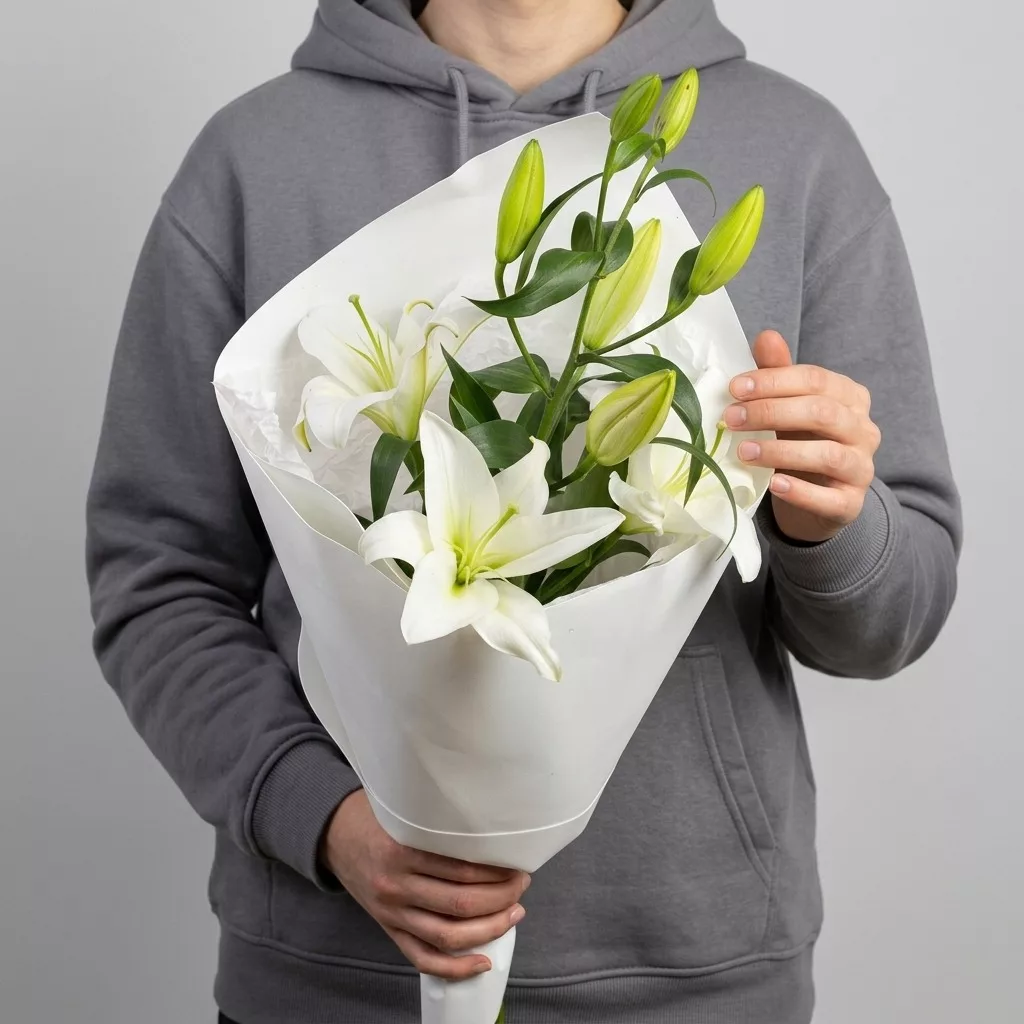
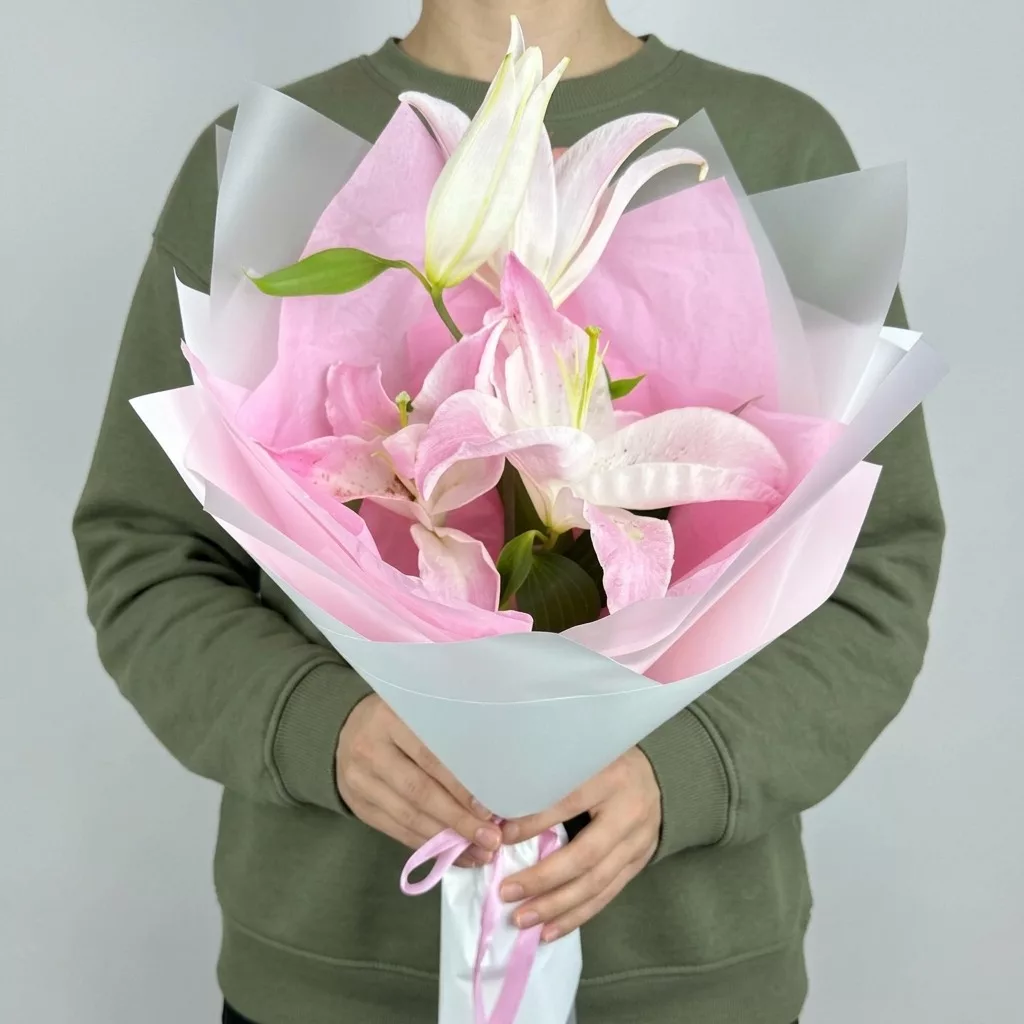
Bouquets we can deliver


Which Cards and Payment Methods Work for Orders from Abroad
The most reliable way to pay from outside Russia is through international payment systems that still process cross-border ruble transactions. Visa and Mastercard issued outside Russia have faced restrictions in both directions since 2022, and the situation has shifted more than once. In practice, many customers from Europe and North America have found that their cards are declined when attempting a direct card payment on Russian merchant sites, because the card networks suspended processing for Russian-based merchants.
The practical solution that works consistently for international customers is payment through services that act as an intermediary — specifically, systems like PayPal where the merchant is connected, or payment links settled through a third-party processor that handles the currency bridge. Turboflora's checkout offers options designed to accommodate customers paying from abroad, and the team is available to discuss the right method for your specific situation before you commit to an order.
Another route that works well is bank transfer in rubles, which some customers arrange through banks that still maintain correspondent relationships with Russian institutions. This is more involved but completely reliable for larger orders or recurring purchases. Cryptocurrency is not currently accepted. The key point is to contact the shop directly if your first attempt at checkout does not go through — the staff handles international payment questions daily and will find a method that works for you without losing the bouquet you have chosen or the delivery time you need.
What the Charge Looks Like on a Foreign Bank Statement
Understanding your bank statement after an international purchase avoids unnecessary worry. When a ruble charge reaches your foreign bank, the statement entry typically shows the merchant name — which will appear as Turboflora or a close variant of the company name — followed by the amount in your home currency. Many banks also print a secondary line showing the original foreign currency amount and the exchange rate applied. If yours does, you will see the ruble figure there, which you can cross-reference with your order confirmation.
Some banks categorize purchases by merchant country code. A Russian merchant code may trigger an automatic foreign transaction fee on certain card types, usually between one and three percent of the total. This fee comes from your bank, not from Turboflora, and it will appear as a separate line item or folded into the converted total depending on how your bank presents it. Checking your card's terms for foreign transaction fees before ordering is a small step that prevents confusion later.
Occasionally a charge appears with a slight delay — up to two or three business days after the order is placed — because cross-border ruble transactions sometimes take longer to clear than domestic ones. The authorization hold may appear first, followed by the final settlement amount, which can differ slightly if the exchange rate moved between those two moments. This is normal behavior for any international transaction and is not a sign that anything went wrong with your order or the delivery.
Why Ruble Pricing Protects You from Hidden Markups
Some international flower delivery platforms display prices in dollars or euros but quietly apply their own conversion rate, which is often several percentage points worse than the interbank rate. You pay what looks like a clean dollar price, but embedded in that figure is a margin the platform keeps. Because Turboflora prices everything in rubles and lets your bank handle the conversion, that layer of hidden markup does not exist. Your bank's rate — whatever it is — is the rate you get.
This also means that when the ruble strengthens or weakens, the price you pay in your home currency moves accordingly. Flowers ordered during a period when the ruble is weaker relative to your currency will cost you less in dollars or euros, even if the ruble price on the site has not changed. Conversely, a stronger ruble makes the same bouquet slightly more expensive in foreign currency terms. This is simply how currency exposure works, and it is transparent rather than concealed.
For customers who send flowers regularly — perhaps to family in Saint Petersburg or colleagues in Moscow — it is worth noting that the ruble prices on the site reflect seasonal wholesale costs. Roses in February, around Valentine's Day, cost more at the Dutch auction and at Russian wholesale markets, and that is reflected honestly in the ruble price. There is no separate international surcharge applied to foreign customers. A customer in Berlin and a customer in Saint Petersburg see exactly the same ruble price for the same arrangement, and both pay according to their own bank's terms.
Choosing the Right Bouquet When You Cannot See It in Person
Ordering flowers from another country means you are placing trust in someone else's eyes and hands, which is why the choice of arrangement matters more than when you are standing in a shop. For recipients you know well, think about what they keep at home — a person with a minimalist apartment often appreciates a single-variety bouquet, perhaps all-white ranunculus or a tight cluster of garden roses in one tone, rather than a large mixed display that needs a wide vase and a confident hand to arrange.
For recipients you know less well, or for professional occasions like a colleague's promotion or a business thank-you, peonies when in season, or a structured bouquet of spray roses combined with eucalyptus, reads as generous without being overwhelming. These combinations travel well in delivery boxes and open beautifully once the stems are cut and placed in water. Avoid asking for tropical varieties like bird of paradise or anthuriums if the recipient lives in a cold apartment — these flowers are sensitive to temperature below fifteen degrees Celsius and can bruise during winter delivery.
If you are sending for a birthday and the recipient has a favorite color, that is always the best starting point. A monochromatic bouquet in blush pink — mixing garden roses, lisianthus, and astilbe — looks far more considered than a rainbow arrangement and stays cohesive in photographs, which matters because many recipients share their flowers on social media. Describing the occasion and the recipient's personality in the order notes gives the florist the information needed to make a choice you would be proud of.
Delivery Timing When You Are in a Different Time Zone
Saint Petersburg operates on Moscow Time, which is UTC plus three hours. If you are ordering from New York, that means the city is eight hours ahead of Eastern Standard Time. From London it is three hours ahead. This gap matters when you are trying to coordinate a delivery for a specific moment — a birthday breakfast, an arrival at the office, a surprise before a dinner reservation.
Turboflora delivers within one to two hours of order confirmation, which means the window you choose on the site is the window the recipient can expect. If you want flowers to arrive at ten in the morning Saint Petersburg time, you need to place the order no later than nine, which is six in the morning in London or one in the morning on the East Coast of the United States. Planning ahead by a day and scheduling the delivery for a convenient morning slot is far more comfortable than trying to order in real time across a large time difference.
For same-day orders placed late in your local evening, check that the delivery time you are selecting falls within operating hours in Saint Petersburg, not just within your own waking hours. The order form reflects Saint Petersburg local time, so the time you select is the time in Russia. Winter in Russia also means short daylight hours and, in some periods, heavy snow that can slow road traffic. Building in a small buffer — asking for delivery by eleven rather than exactly at ten — gives the courier room to navigate city conditions without the recipient waiting anxiously at the door.
Keeping the Flowers Fresh After Delivery: Advice for the Recipient
Fresh flowers delivered in Russia go through a cold chain from the wholesale market to the arrangement stage to the courier bag, but once they arrive at the door, their longevity depends on what happens in the first thirty minutes. The single most important step is cutting the stems — at least two centimeters, at a diagonal angle, under running water or while the stem end is submerged. This prevents an air bubble from forming at the cut end, which would block water uptake and shorten vase life significantly.
The water in the vase should be cool, not cold, and changed every two days. Removing any leaves that would sit below the waterline prevents bacterial growth, which is the main reason flowers die faster than they should. Most arrangements include a small sachet of flower food — a mix of sugar, acidifier, and biocide — and using it correctly extends vase life by several days compared to plain tap water.
Position matters as much as water. Flowers placed near a radiator, a sunny south-facing window, or a bowl of fruit will fade faster. Ethylene gas from ripening fruit is particularly harmful to roses and tulips. A cool corner of a room away from drafts is ideal. In a Russian winter apartment, where heating can push indoor temperatures above twenty-two degrees Celsius, moving the vase to a cooler room at night — even a hallway — extends the display noticeably. Roses and lisianthus kept this way regularly last ten to twelve days, while tulips and ranunculus, which are naturally shorter-lived, will give a good five to seven days with attentive care.
Paying from abroad for flower delivery in Russia is simpler than it first appears once you understand that the pricing is in rubles, the conversion happens at your bank, and the charge on your statement is a straightforward reflection of those two facts. The flowers themselves — the care that goes into choosing varieties, building combinations, and getting them to a door within an hour or two — are the same regardless of where you are paying from. If your card presents a technical obstacle, the team is there to find a method that works. The distance between you and the person receiving the bouquet is the challenge worth solving, and that part Turboflora handles.
Frequently asked questions
Can I pay for Russian flower delivery in US dollars directly?
No direct dollar payment is available at checkout. All prices are in Russian rubles, and your bank converts the ruble charge into dollars when the transaction settles. The rate applied is your bank's standard foreign exchange rate. You will see the dollar amount on your statement, but the original ruble charge may also appear in the transaction detail depending on your bank's format.
Will my Visa or Mastercard work for ordering flowers in Russia?
Since 2022, Visa and Mastercard suspended processing for Russian-based merchants, which means many foreign-issued cards are declined at checkout. If your card does not go through, contact Turboflora directly. The team handles international payment situations daily and can suggest an alternative method that completes your order without losing your chosen delivery slot.
Is there an extra fee for paying from a foreign bank account?
Turboflora does not charge international customers an additional fee. However, your own bank may apply a foreign transaction fee, typically one to three percent, for purchases made with a Russian merchant. This fee comes from your card issuer and will appear on your statement separately or folded into the converted total. Checking your card's terms before ordering avoids surprises.
How do I know the ruble price I paid was not inflated for foreign customers?
Every customer, whether located in Russia or abroad, sees the same ruble price for the same arrangement on the Turboflora website. There is no separate international pricing tier. The ruble cost reflects seasonal wholesale market rates for flowers and standard delivery costs within Russia. Your bank's conversion then determines what you pay in your home currency.
What time should I place my order to ensure morning delivery in Saint Petersburg?
Saint Petersburg runs on UTC plus three hours. For a ten o'clock morning delivery, place your order by nine Saint Petersburg time — that is six in the morning in London or one in the morning on the US East Coast. Scheduling a day ahead and choosing a morning delivery window is far more practical than ordering in real time across a large time difference, especially in winter when road conditions vary.
Ready to send flowers?
Pick the city, choose the bouquet, and a local florist takes it from there.
Choose a city →