Can You Bring Flowers on a Plane? A Practical Bouquet Guide
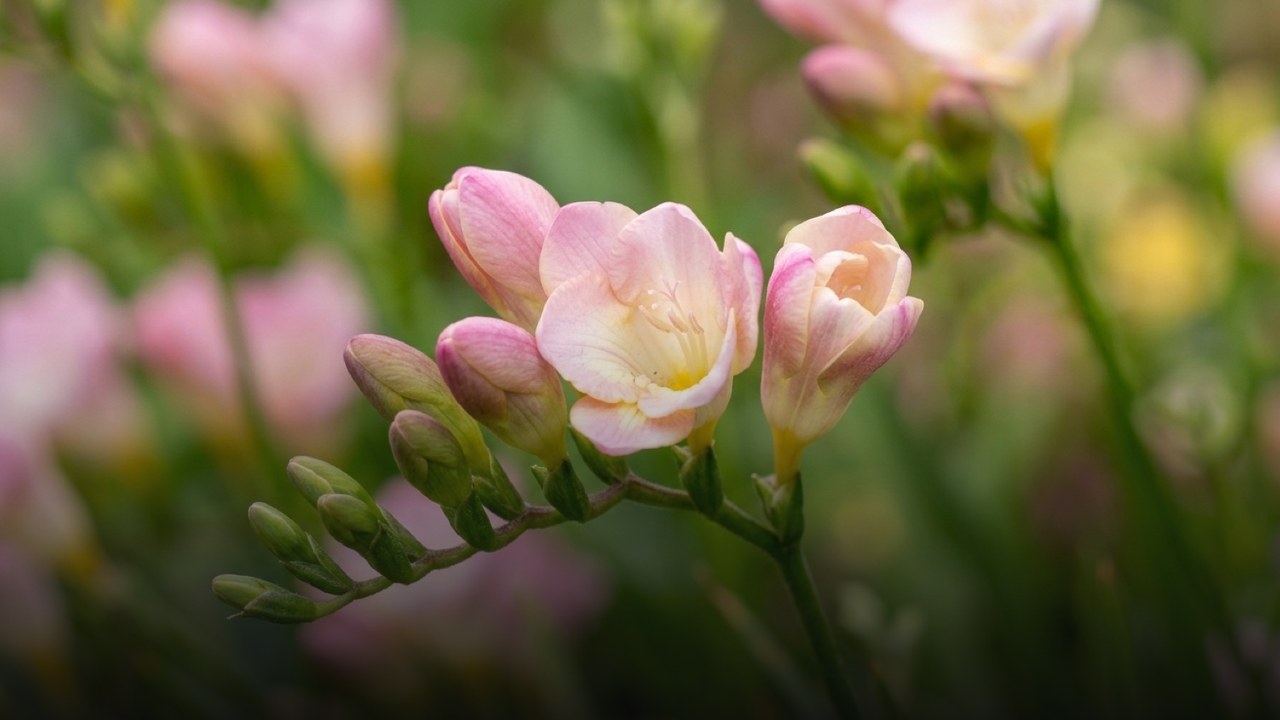
Yes, you can often bring cut flowers on a plane, provided your airline allows the bouquet and it meets the security and plant-import rules for your route. Check the airline’s baggage policy and the destination’s official requirements before you travel, because permission to carry flowers in the cabin does not mean permission to take them across a border.
A bouquet also needs a practical travel plan: somewhere safe to sit, packaging that contains moisture, and access to water after arrival. If you are flying to visit someone in Russia, compare carrying flowers with arranging delivery there. The right choice depends on your route, connections and when you will actually meet the recipient, rather than simply whether the flowers fit beside your cabin bag.
Check the airline, security and border rules separately
Start with your operating airline, including the carrier on each connecting flight. Ask whether a bouquet counts towards your cabin baggage allowance, whether its dimensions are acceptable and where it must go during take-off and landing. Do not assume that flowers are an extra item you can carry free of baggage restrictions, or that an empty neighbouring seat will be available.
Next, check the departure airport’s security guidance. A bouquet with a water reservoir, wet floral foam or a separate vase raises different questions from stems wrapped in paper. Ask specifically about the packaging you intend to use. Scissors and pruning tools are separate items subject to security rules; preparing the stems before leaving home avoids needing them at the airport.
For international travel, consult the destination’s official customs or plant-health authority about the exact flowers and their country of origin. Some routes require documentation or restrict particular plant material. Check transit requirements too, especially if you will collect baggage or leave the airport. Domestic travel can also involve regional plant controls, so a flight within one country is not automatically exempt.
Cut flowers and potted plants need different checks
Describe what you are carrying accurately when you ask for guidance: a hand-tied bouquet of cut stems, a flowering plant in a pot, bulbs or something else. Soil, roots, seeds and other plant material may be subject to different restrictions. Permission for cut flowers should never be treated as permission for a potted plant, even when both are sold as gifts.
Look beyond the main flowers when checking a mixed bouquet. Foliage, decorative branches, seed heads and natural packing materials may also matter to plant-health authorities. Keep the flower names or a florist’s itemised description available if you can obtain one. A receipt can help identify the purchase, but it does not replace any required certificate or import permission.
Inspect the bouquet before packing and leave behind stems with visible pests, mould or decay. This protects the other flowers during travel, but a healthy appearance does not establish that the bouquet is legally admissible. If official guidance is unclear about your particular arrangement, resolve that uncertainty before buying it for the journey or choose to have flowers delivered at the destination.
Bouquets we can deliver




Pack a bouquet that you can carry without crushing it
Choose a manageable arrangement with enough protective wrapping to support the flower heads without compressing them. A broad, heavily decorated bouquet is awkward in queues and narrow aircraft aisles. Tell the florist that you are travelling and describe the journey length, including the trip to the airport and onward travel after landing, so the wrapping suits the whole day.
If your security rules allow it, a lightly damp absorbent wrap around the cut ends can reduce drying during the journey. Enclose that stem wrap in a leak-resistant covering and keep the flower heads dry. This is temporary protection, not a substitute for a vase. Do not add a large water pouch or saturated material without first checking the applicable security requirements.
Carry the bouquet where you can protect it from pressure, and follow the crew’s instructions about stowage. An overhead compartment shared with heavy bags can damage stems and petals; resting luggage on top of flowers can do the same under a seat. If checked baggage is your only option, consider whether the gift is worth exposing to handling, compression and conditions you cannot control.
Plan for the hours between leaving home and finding a vase
Count the journey from the moment the flowers leave water to the moment you can put them back in it. Airport waiting, connections, border checks and the drive from arrivals all count. A short flight can still mean a long day for a bouquet. Avoid choosing flowers already showing tired petals or limp stems, and leave unnecessary shopping or sightseeing until after the gift is in water.
During the journey, keep flowers away from direct sunlight, heaters and strong air vents where practical. Do not leave the bouquet in a parked car while you collect luggage or meet someone. No single temperature limit or survival time applies to every arrangement: flower type, condition, hydration and handling all affect how it looks when you finally hand it over.
At your destination, use a clean vase, remove any leaves that would sit below the waterline and recut the stems with a clean, suitable tool. Add flower food according to its instructions if supplied. Give the bouquet time in water before arranging it for display. For further care, see our guide to reviving tired flowers; badly damaged petals will not simply become fresh again.
Match the flowers to the visit, not just the flight
Think about where the recipient will receive the bouquet. Flowers presented at airport arrivals must travel onwards with them, perhaps alongside suitcases and coats. A home visit gives the recipient easier access to a vase. If you are meeting in a restaurant or heading straight to another appointment, a smaller arrangement may be more convenient than a large bouquet that needs immediate attention.
For a personal gift in Russia, an odd number of flowers is the usual choice when individual stems are counted; even numbers are traditionally associated with mourning. Preferences still vary between people and families. If you are uncertain, explain the occasion when choosing the bouquet. Consider the recipient’s tastes and any known sensitivity to fragrance before relying on a flower’s supposed universal meaning.
Timing can carry as much thought as the flower choice. Bring the bouquet when you can hand it over without leaving it unattended through a long day, or arrange delivery for a time the recipient can receive it. If you are visiting someone’s family for the first time, our guide to bringing flowers to a Russian family can help you prepare for the occasion.
Arrange flowers in Russia when carrying them is impractical
If border requirements or a complicated itinerary make carrying flowers inconvenient, Turboflora delivers flowers across Russia. Choose from the bouquets catalogue, then arrange delivery around the recipient’s availability. City delivery costs 500 RUB; for remote districts and suburbs, the operator confirms the price when confirming the order. This lets you plan the gift without keeping a bouquet in transit.
In large cities, express delivery is available 1–2 hours after order confirmation. You can also arrange an exact time with a tolerance of plus or minus 30 minutes, choose a 09–12, 12–15, 15–18 or 18–21 window, or pre-order 1–30 days ahead. Allow for possible flight delays when choosing a slot linked to your arrival. Use WhatsApp to agree the address, timing and card text, get help choosing, or request a bouquet photo before delivery.
Delivery is anonymous by default: the courier does not name the sender, so include your name in the free card if you want it revealed. The courier calls the recipient about 15 minutes before arrival. If they are absent, we agree a second delivery that day or, with your consent, handover to a neighbour or concierge. Online checkout uses CloudPayments; check the options displayed there, as acceptance of every foreign card is not guaranteed. We deliver bouquets across Russia in 1–2 hours.
Frequently asked questions
Can you bring flowers on a plane in hand luggage?
Often, yes, if the airline accepts the bouquet within its cabin baggage rules and the packaging meets airport security requirements. Confirm how it counts towards your allowance and where it can be stowed.
Can I take a bouquet on an international flight to Russia?
Check current official Russian plant-import requirements for the flowers and their country of origin before travelling. Airline permission alone does not establish that the bouquet can enter the country.
Can flowers go through airport security with water?
Water and moisture-retaining packaging must meet the security rules that apply at your departure and any transfer screening. Check guidance for your specific packaging rather than assuming a bouquet is exempt from liquid restrictions.
How should I care for flowers after a flight?
Put them in a clean vase after recutting the stems and removing leaves below the waterline. Use flower food as directed if supplied, and keep the bouquet away from direct heat and sunlight.
Can I order flowers in Russia instead of carrying them?
Yes, Turboflora delivers across Russia, and you can agree the bouquet and delivery details through WhatsApp. Payment uses CloudPayments at checkout; check the displayed payment options before relying on a particular card.
Ready to send flowers?
Pick the city, choose the bouquet, and a local florist takes it from there.
Choose a city →