Travelling With a Large Bouquet? Keep Every Petal Safe on the Way
You picked up the most beautiful arrangement — roses stacked wide, branches of eucalyptus spilling out, maybe a cloud of gypsophila on top — and now you are standing at the entrance to the metro wondering how on earth you are going to get it home in one piece. It happens to almost everyone who has ever bought flowers in a city. The bouquet that looked manageable in the shop suddenly feels enormous the moment you step onto a crowded platform. The good news is that a few simple habits, learned from florists who carry flowers every single day, will get even the grandest arrangement through rush hour looking exactly as it should.
Understand What Makes a Big Bouquet Vulnerable Before You Board
A large bouquet has two real enemies on public transport: pressure and dehydration. Pressure comes from other passengers, your own grip, and the instinct to hold the flowers upright by squeezing the stems together at the base. Dehydration starts the moment the stems leave water, and in a heated metro carriage in winter, or a stuffy bus in summer, that process accelerates faster than most people expect. Roses, for instance, begin to show stress within twenty to thirty minutes of warmth and no water. Peonies and hydrangeas are even more sensitive because their large heads lose moisture through the petals themselves, not only through the cut stems.
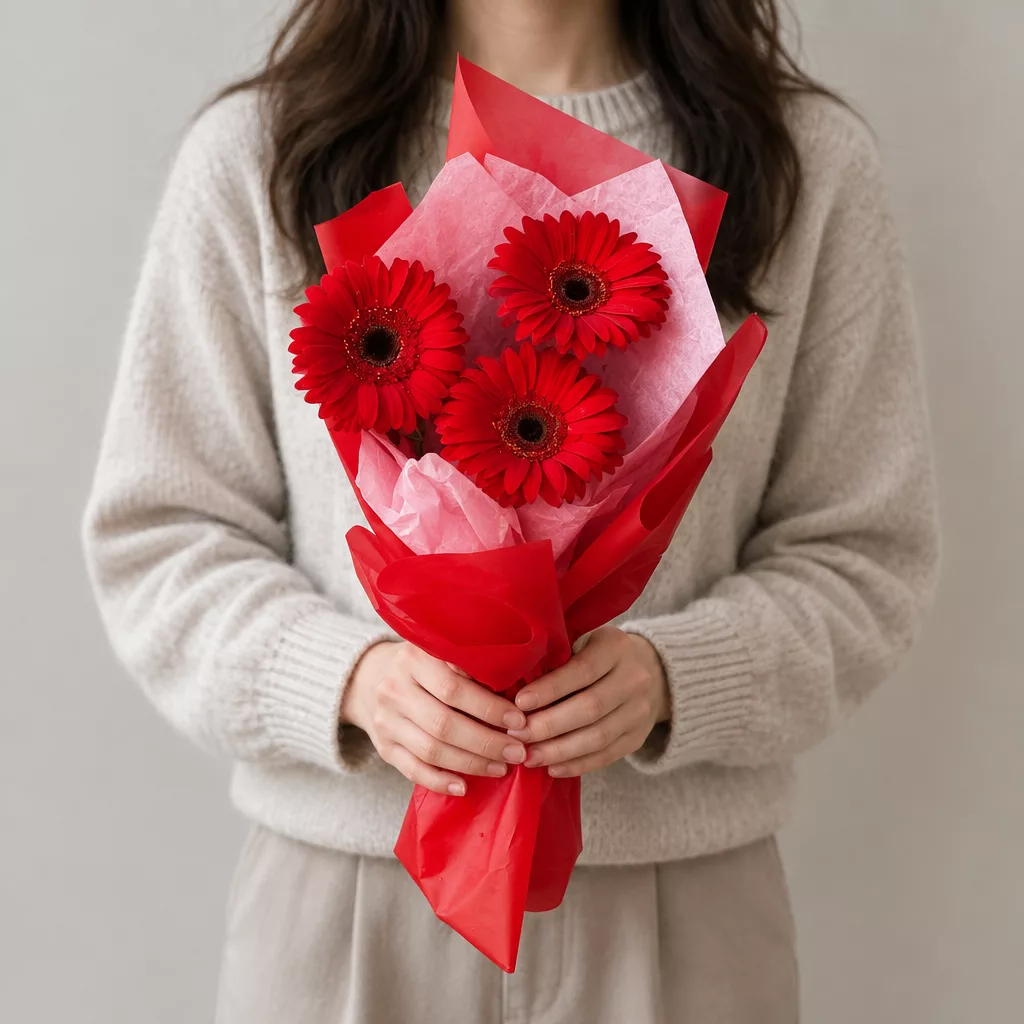
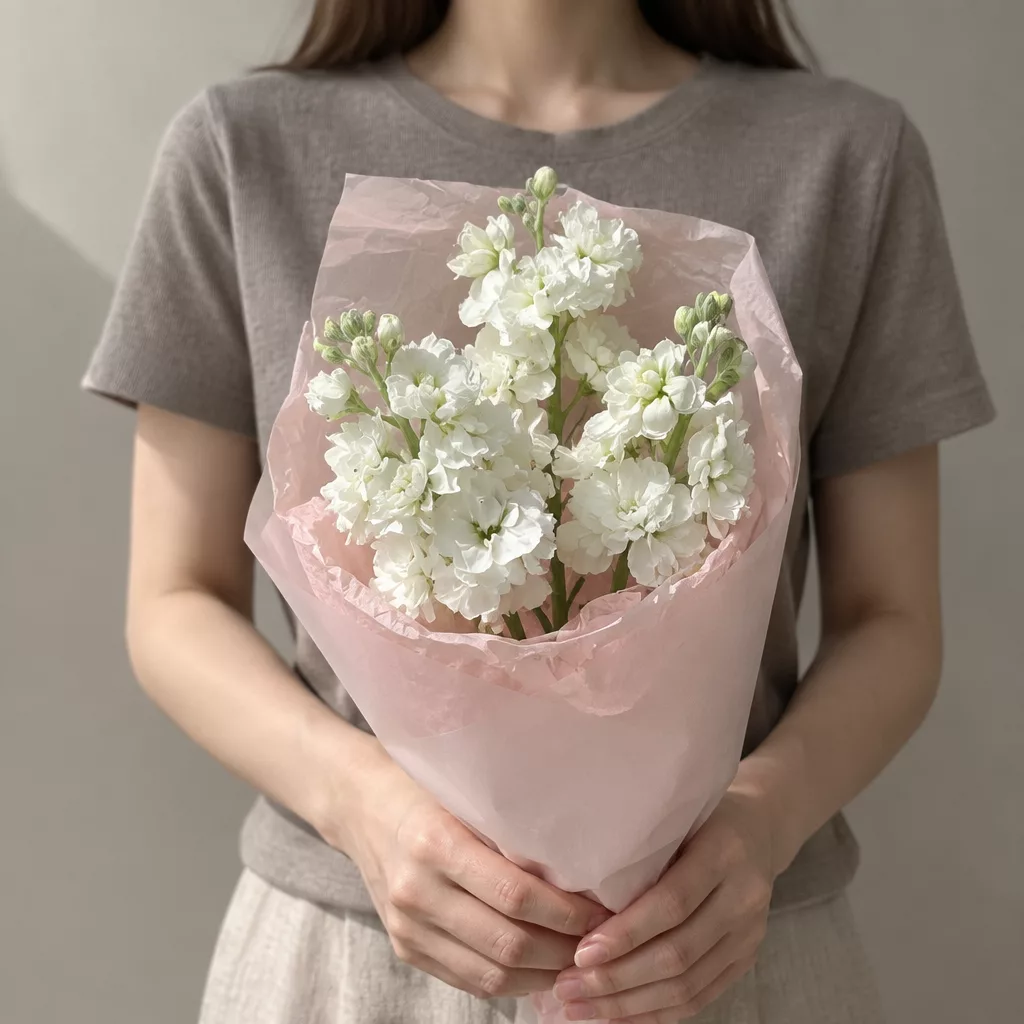
The wrapping matters more than people realise. A florist wraps a bouquet not just for presentation but to create a structural shell. Kraft paper or cellophane around the outside holds the flower heads apart from each other, which prevents the petals from bruising where they press together. If your bouquet arrived without a firm outer wrap, or if the wrap has already been loosened, it is worth asking the florist to re-wrap before you leave. A cone shape with the open end at the top gives the flowers room to breathe while keeping the sides protected. Understanding these two vulnerabilities — pressure and heat — is the foundation of everything else you will do on the journey.
Bouquets we can deliver


Choose Your Route and Timing the Way a Florist Would
Professional florists who carry arrangements across the city think about the journey before they think about the flowers. Rush hour on the Saint Petersburg metro between roughly eight and ten in the morning, and again between five and eight in the evening, means dense crowds, sudden stops, and no room to hold a bouquet at arm's length. If you have any flexibility at all, travelling between ten in the morning and four in the afternoon makes an enormous practical difference. The carriages are quieter, you can stand where you choose, and you are far less likely to have someone walk into your arrangement from behind.
Route length matters too. Stems out of water for under thirty minutes in cool weather are almost always fine. Over forty-five minutes in warmth, you will notice the outermost petals of roses and ranunculus starting to soften at the edges. If your journey is long, ask the shop to include a small water vial on the stems — these are the tiny plastic tubes filled with gel or water that clip onto the cut end. They extend safe travel time considerably. Plan for the longest possible version of your journey, not the fastest. Delays happen, transfers take longer than expected, and a bouquet that was fine for twenty minutes in theory can spend forty minutes in practice on a slow day. Give yourself a buffer, and the flowers will reward you for it.
How to Actually Hold the Bouquet So Your Hands Do Not Betray You
Most people hold a bouquet the way they would hold a broom — gripping the stems tightly near the bottom and letting the flowers hang in front of them. This works for a small bunch, but with a large arrangement it creates two problems. First, a tight grip at the very base of the stems puts all the weight of the flower heads into a single stress point, and stems can snap or bend there if the bouquet is heavy. Second, holding the flowers directly in front of your body means your chest and chin become a hazard for the outermost blooms every time you shift your weight or turn to look at something.
Instead, hold the stems about a third of the way up from the bottom, where the wrap is thickest. This distributes the weight more evenly and gives you better control. Keep the bouquet slightly to one side of your body rather than directly in front, angled outward so the flower heads face away from the crowd. If you are standing, keep your elbow slightly bent rather than fully extended — a locked arm transmits every vibration of the carriage directly into the stems. On escalators, hold the bouquet on the side away from the moving handrail, and turn to face the direction of travel so the flowers are not caught by anyone stepping on or off. These are small adjustments, but they are the difference between a bouquet that arrives pristine and one that arrives with bent stems and bruised petals.
Protect the Flower Heads From Passengers, Poles, and Doors
The flower heads are the most expensive and most fragile part of any large bouquet, and they are almost always the highest point of the arrangement — which means they are exactly at shoulder height for the people around you. On a crowded metro, a backpack swinging at shoulder level is a serious threat to open roses or the delicate florets of a large lisianthus. Being aware of this is the first step; positioning yourself to avoid it is the second.
If the carriage is crowded, stand near the doors rather than in the centre, with the bouquet facing the door rather than the aisle. This way the flowers are against a flat surface rather than exposed to passing traffic. When the doors open, step slightly to the side and angle the bouquet inward so it is not at risk from people pushing past. Avoid leaning the flower heads against the metal poles or glass partitions inside the carriage — even a gentle, sustained pressure against a rose head will leave a visible dent in the petals within a few minutes. If you are sitting, rest the stems across your lap with the flower heads elevated and pointing toward the aisle, not pressed against the seat back or window. In cold weather, keep the bouquet away from frosted windows, as brief contact with very cold glass can spot or bruise delicate petals like those of garden roses or sweet peas.
What to Do in Cold Weather and What to Do in Heat
Saint Petersburg winters are serious, and a large bouquet moving from a heated shop into minus fifteen degrees outside, then into a heated metro, then back outside again, faces real thermal stress. Cold air itself is not the main danger — most cut flowers actually prefer cool temperatures and will last longer in the cold than in the heat. The danger is rapid temperature change and wind. A sudden gust of freezing air can blacken the edges of tulip petals or cause the outer petals of open roses to collapse inward within minutes. Wrap the top of the bouquet loosely in an extra layer of paper or a light fabric before stepping outside, and remove it once you are inside again.
Summer heat is the opposite problem. A hot, airless bus in July is genuinely hard on flowers. Avoid placing the bouquet on the floor near the heating vents that some buses run year-round, and try to stand or sit near a window that can be opened slightly. If you are carrying flowers on a very hot day and the journey is more than twenty minutes, a small cool pack placed against the stems — not the flower heads — will help. Florists sometimes include these in summer orders for exactly this reason. The target temperature for most cut flowers is between five and fifteen degrees Celsius. Everything above twenty degrees starts to shorten the time you have before the flowers show stress, which is why a long hot commute is the scenario that requires the most preparation.
Bags, Boxes, and Clever Carrying Aids That Actually Help
A tall, sturdy bag is one of the best tools for transporting a large bouquet, and it is underused by most people. A bag with a flat base and rigid sides — the kind sold for bottles of wine, or a tall gift bag from a stationery shop — can hold the lower third of a bouquet upright without you gripping it at all. This frees one hand, reduces the risk of dropping the arrangement, and keeps the stems from swinging. The bag should be tall enough to support the stems but not so tall that the flower heads are enclosed inside it, where they will be crushed.
Some florists offer purpose-made flower boxes for arrangements that need to travel. These are shallow rectangular boxes with a secure base, and they work beautifully for flat, structured bouquets or for arrangements with very wide, open heads like sunflowers or large dahlias. If you know in advance that you will be taking public transport, it is worth asking whether a box is available when you order. A box keeps the flowers horizontal and protected on all sides, and it can be carried under one arm or placed on a seat beside you. For round, upright bouquets, a cone-shaped cardboard carrier — which some shops provide on request — keeps the arrangement vertical and stable and leaves your hands almost entirely free. Think of these not as luxury extras but as practical tools that protect your investment in the flowers.
What to Do the Moment You Arrive Home
The journey is over, the flowers have made it, and now the next thirty minutes determine whether the bouquet looks beautiful for three days or ten. The first thing to do is get the stems into water as quickly as possible. If you have been travelling for more than twenty minutes, re-cut the stems at a diagonal before placing them in the vase — even half a centimetre of fresh cut makes a significant difference to how well the stems drink. Use clean water at room temperature rather than cold water straight from the tap; cold water can shock stems that have warmed during travel.
Remove any leaves that will sit below the waterline, because submerged leaves rot quickly and the bacteria they produce will shorten the life of the whole bouquet. Do not place the vase near a radiator, a television, or a fruit bowl — ripening fruit releases ethylene gas, which accelerates petal drop in roses and carnations noticeably. A cool room away from direct sunlight is ideal. Change the water every two days and re-cut the stems each time. Roses and tulips particularly benefit from this routine. Lisianthus and chrysanthemums are more forgiving and will hold their shape even with less frequent care. If any single stem starts to droop before the others, remove it promptly so it does not affect the water quality for the rest of the arrangement. A bouquet that was carried well and cared for immediately on arrival will consistently last longer than one that was kept in perfect conditions during transport but neglected once it reached home.
Carrying a large bouquet across the city on public transport is genuinely manageable once you know what the flowers need from you. Hold the stems where they are strongest, protect the heads from pressure and sudden temperature changes, use a bag or box if the arrangement is wide, and get the stems into water the moment you arrive. The florists who put that bouquet together spent real time on the balance, the colour, and the structure — a little attention on the journey home means the person who receives it sees exactly what was intended. We deliver bouquets across Russia in 1–2 hours.
Frequently asked questions
How long can a large bouquet safely be out of water during transport?
In cool weather, most bouquets tolerate thirty to forty minutes without water without visible damage. In warm or heated conditions, aim for under twenty minutes. Roses and hydrangeas show stress fastest, while chrysanthemums and carnations are more resilient. Asking your florist for water vials on the stems extends safe travel time noticeably on longer journeys.
Is it better to carry a bouquet upright or on its side?
Upright is better for round, tall arrangements because it keeps the flower heads from pressing against each other. Flat, wide bouquets in a box travel well on their side. The key in either case is that no flower head should bear sustained pressure against another surface. A rigid carrier or bag helps maintain the correct position without constant effort from you.
What wrapping should I ask for if I know I am using the metro?
Ask for a firm cone wrap in kraft paper with the open end at the top, and request that the wrap extends high enough to protect the lower third of the flower heads. If the bouquet is very wide, a flat box is more practical than a cone. In winter, an extra outer layer of paper over the top of the arrangement helps against cold air and wind between stops.
Can cold winter air outside actually damage flowers during a short walk?
Yes, particularly for open blooms. Temperatures below minus ten degrees can blacken the petal edges of roses and tulips within two or three minutes of exposure, especially combined with wind. A loose paper covering over the flower heads during the outdoor portion of your journey is enough protection for most short walks between transport connections.
Why do my flowers droop even when I got them home quickly?
Drooping after transport is usually caused by air entering the stem ends, which blocks water uptake. Re-cutting the stems diagonally by at least one centimetre immediately before placing them in room-temperature water almost always solves this. Stems that have been out of water for any length of time form a small seal at the cut end that prevents proper drinking until that seal is removed.
Ready to send flowers?
Pick the city, choose the bouquet, and a local florist takes it from there.
Choose a city →