Chrysanthemums in Russia: Autumn Staple or Year-Round Choice?
Walk past any flower stall in Saint Petersburg in October and you will see chrysanthemums everywhere — in buckets, in arms, in the windows of passing cars. Most people assume they are strictly an autumn flower, something tied to the season the way pumpkins are. The truth is more interesting: chrysanthemums are available fresh every month of the year in Russia, they outlast almost every other cut flower in a vase, and they work beautifully for occasions that roses and peonies simply cannot carry as well. If you have never thought of them beyond September, this article will change that.
Why Autumn Feels Like Chrysanthemum Season in Russia
There is a cultural reason chrysanthemums feel so tied to September and October in Russia, and it is a practical one too. The first of September is Knowledge Day, when students across the country return to school and bring flowers to their teachers. Chrysanthemums are the dominant choice for this occasion — they are abundant, affordable, carry no romantic associations, and look generous even in a modest bunch. Teachers receive them by the armful, and the image sticks in the national memory.
Autumn also brings the outdoor growing season to an end, which historically made chrysanthemums one of the last flowers blooming in Russian gardens. Varieties like the large-headed single-stem Anastasia or the dense spray types such as Bacardi and Zembla continue flowering through cool temperatures that would finish off most other garden plants. That natural timing reinforced the association between the flower and the season.
Beyond Knowledge Day, autumn in Russia is full of gifting moments: Teacher Appreciation events, corporate anniversaries, and the general mood of starting fresh after summer. Chrysanthemums fit the emotional register of these occasions — warm, respectful, celebratory without being extravagant. They say something thoughtful rather than something romantic, which is exactly what many autumn gifts need to say. Understanding this context helps you choose them with intention rather than simply following habit.
Bouquets we can deliver

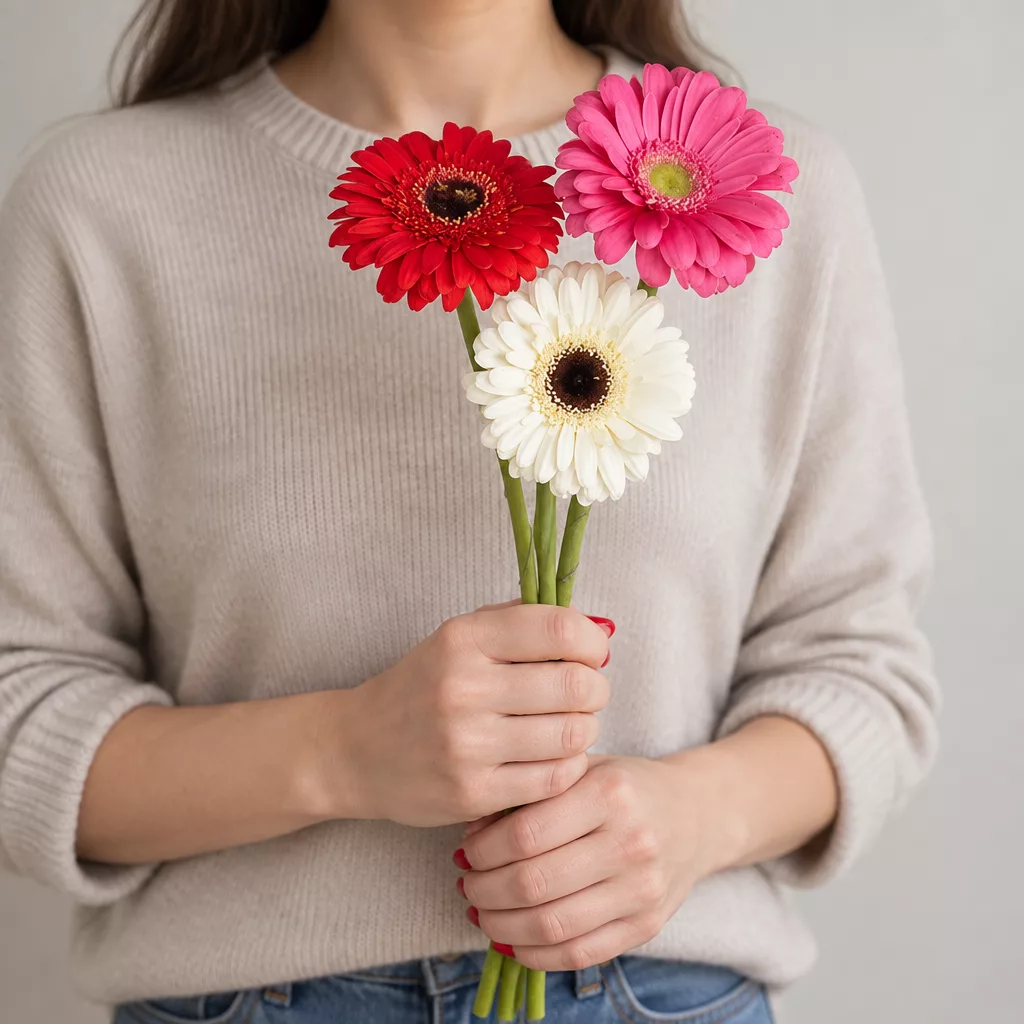

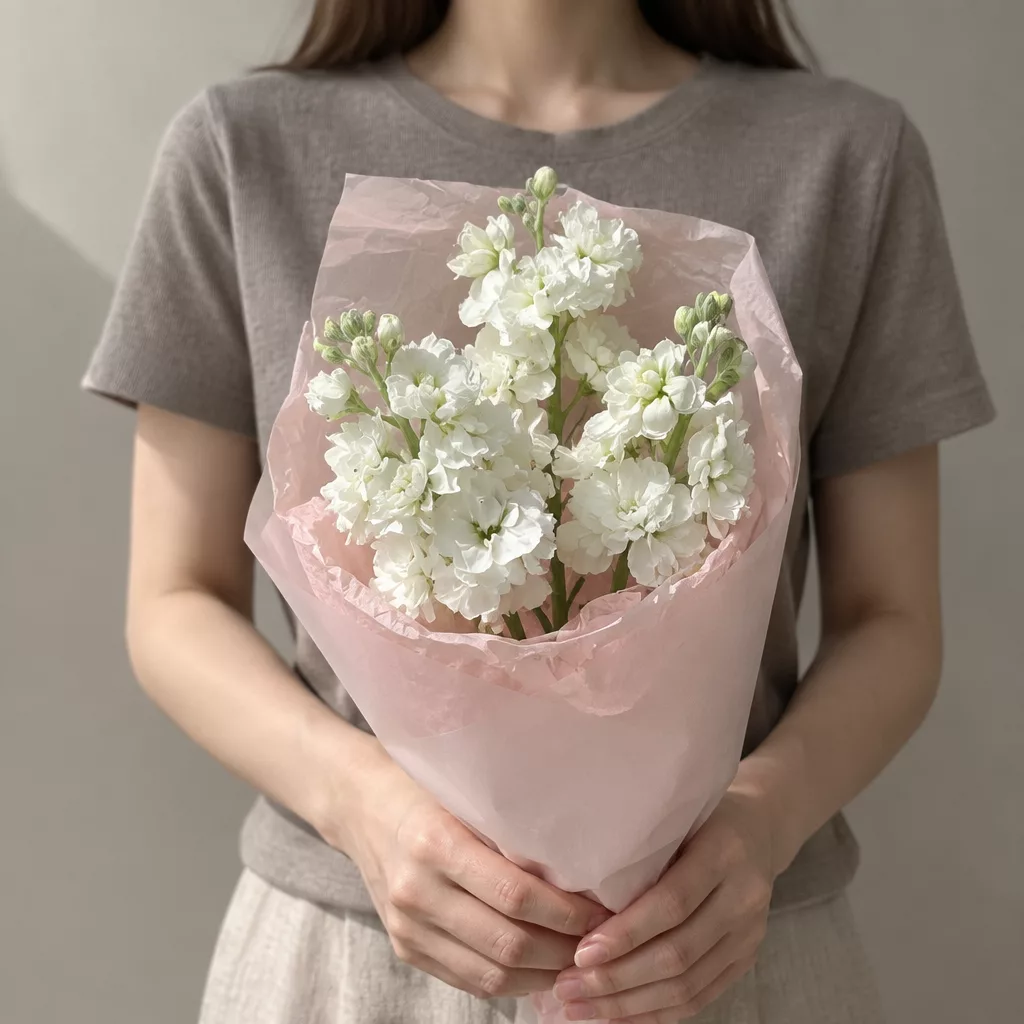
What Russian Florists Actually Stock and When
The chrysanthemums you see in Russian flower shops come almost entirely from Dutch and Colombian greenhouse growers, which means supply is consistent across all twelve months. The cut flower market in Russia does not rely on seasonal outdoor harvests for this variety — refrigerated logistics and year-round greenhouse production keep shelves stocked whether it is January or August.
The most common forms you will encounter are spray chrysanthemums, which produce multiple smaller blooms on a single branching stem, and single-stem or disbud types, where one large flower is grown per stem by removing side buds. Spray types like the white Feeling White or the yellow Santini are workhorses of mixed arrangements. Single-stem varieties in deep burgundy, bronze, and cream appear frequently in autumn compositions and work well as statement flowers alongside seasonal foliage.
Summer is actually the moment when chrysanthemums become genuinely useful as a substitute. Peonies finish by late June, garden roses are inconsistent through July heat, and many soft seasonal flowers wilt quickly in warm apartments. Chrysanthemums tolerate indoor temperatures up to around 22 degrees Celsius far better than most alternatives and still look composed after ten days on a warm windowsill. Florists who work with corporate clients lean on them heavily through July and August for this reason. Knowing the stock cycle means you can plan a meaningful bouquet for any date on the calendar, not just for autumn.
Choosing Chrysanthemums for the Person, Not Just the Date
The most common mistake people make with chrysanthemums is choosing them by default rather than by intention. A bunch of yellow spray chrysanthemums handed to a teacher on Knowledge Day is a perfectly kind gesture, but the same flower in a deep burgundy single-stem variety, arranged with copper-toned autumn leaves and a few stems of white lisianthus, becomes something genuinely memorable. The flower is the same; the thought behind the combination is different.
For a colleague or a professional contact, chrysanthemums read as respectful and composed. They are not flowers that imply romance or deep personal feeling, which makes them ideal for workplace gifting, congratulations on a promotion, or a thank-you to someone who helped you through a project. Pair them with greenery and neutral tones rather than bright reds to keep the register appropriately professional.
For a friend's birthday in autumn, chrysanthemums can carry genuine warmth when you move away from the expected yellow and white. Deep plum, terracotta, and bronze varieties arranged loosely with eucalyptus or seasonal berries feel personal and seasonal without being stiff. For a housewarming or a welcome-to-the-neighbourhood gesture, a large mixed spray arrangement in warm tones is practical as well as pretty — the recipient will enjoy it for two to three weeks without much effort. Think about what the person will feel when they receive the flowers, and then work backwards to the colour and form that creates that feeling.
Vase Life That Changes the Economics of the Gift
Three weeks in a vase is not an exaggeration for chrysanthemums — it is what a well-conditioned stem in clean water at a reasonable room temperature will reliably deliver. Most cut roses last seven to ten days under good conditions. Tulips and ranunculus are finished in five to seven. Chrysanthemums at fourteen to twenty-one days are genuinely in a different category, and this changes the way you should think about their value.
The key conditions are straightforward. The water should be changed every two days, and the vase should be rinsed rather than just topped up — bacteria build up on the glass walls and shorten stem life significantly. Recut the stems at a slight angle each time you change the water, removing about a centimetre. Keep the arrangement away from direct sunlight, heating radiators, and fruit bowls. Ethylene gas released by ripening fruit accelerates petal drop in chrysanthemums noticeably.
Temperature matters more than most people realise. An apartment kept at 19 to 21 degrees Celsius is close to ideal. If the room climbs above 24 degrees consistently, even a robust chrysanthemum will begin to decline faster. In winter, avoid placing them near a draught from a window — cold air on wet stems causes blackening at the cut end, which blocks water uptake and shortens the display. These are small adjustments, but they are the difference between ten days and twenty. When you factor vase life into the cost of a gift, chrysanthemums often represent the most generous choice you can make.
Building Combinations That Make Chrysanthemums Look Considered
Chrysanthemums on their own can look institutional if the arrangement is not thought through. The solution is almost always contrast — in texture, scale, or colour — rather than adding more chrysanthemums of a different shade. A single-stem white disbud variety gains enormously from being paired with something soft and irregular: a few stems of dried pampas grass, some eucalyptus pods, or branches of hypericum berry in deep red.
Spray chrysanthemums, because they already have movement and multiple blooms per stem, work well as the supporting layer in a mixed bouquet rather than the centrepiece. Place them behind a focal flower — a large garden rose, a protea, or a dramatic dahlia in September and October when dahlias are at their best — and let the spray chrysanthemum fill the middle ground. This approach stops the arrangement from looking like a single-flower bunch and gives it the kind of layered quality that feels genuinely designed.
Colour temperature is worth paying attention to. Warm-toned chrysanthemums in bronze, amber, and terracotta pair naturally with rust-coloured foliage, dried elements, and dark berries. Cool-toned varieties in white, pale lavender, and soft pink work well with silver foliage like dusty miller and blue-tinted eucalyptus. Mixing warm and cool tones in the same arrangement is possible but requires a neutral bridge — cream or ivory flowers, or natural raffia and linen wrapping — to stop the combination from feeling unresolved. A florist who thinks in these terms will produce something that looks effortless but is actually quite deliberate.
Budget Ranges and What You Get at Each Level
Chrysanthemums sit comfortably at every price point, which is one of the reasons florists value them so highly. At the entry level, a simple bunch of spray chrysanthemums in a single colour is honest and unpretentious — it is a gesture that says you thought of someone, and the longevity means the thought stays visible for weeks rather than days. This is the level that dominates Knowledge Day purchases, and there is nothing wrong with it when the context calls for simplicity.
In the mid range, you move into mixed arrangements where chrysanthemums play a structural role alongside more expensive focal flowers. A bouquet that combines single-stem disbud chrysanthemums in a rich autumn colour with a few stems of spray roses, some textural greenery, and a considered wrap becomes a genuinely impressive gift without reaching the price of an all-rose arrangement. The chrysanthemums provide the volume and the longevity; the accent flowers provide the elevation.
At the upper end, chrysanthemums appear in large-format arrangements — think wide, low compositions in a ceramic vessel, or tall statement bouquets with dramatic single-stem varieties in dark, unusual colours like deep mahogany or near-black. These arrangements use the flower's strong stem and bold form as an architectural element rather than a filler. They suit corporate lobbies, significant birthday celebrations, and anniversary gifts where presence matters as much as sentiment. The flower itself remains accessible; what you are paying for at this level is design, scale, and the quality of the complementary materials around it.
Sending Chrysanthemums Across Russia: What to Keep in Mind
When you are sending flowers to someone in another city — perhaps a relative in Kazan, a colleague in Novosibirsk, or a friend in Vladivostok — the practical qualities of chrysanthemums become their strongest argument. The flowers are robust enough to travel well when properly conditioned and packaged. They do not bruise easily, they do not require the careful cold-chain management that delicate flowers like garden roses or sweet peas demand, and they arrive looking composed even after a journey.
For autumn deliveries across Russia, chrysanthemums are a particularly sensible choice because the temperature differential between a refrigerated delivery vehicle and a recipient's warm apartment is less of a shock to them than it is to tropical flowers. They adapt to the transition without the immediate wilting you sometimes see with orchids or anthuriums moving from cold storage into a heated home.
The timing of the delivery matters more than people expect. Flowers sent for a specific occasion — a birthday, a professional anniversary, Knowledge Day — should arrive on the day, not the evening before. Chrysanthemums are forgiving enough that a same-day delivery at any point during the day will still look fresh when the recipient gets home. If you are sending to a city with a significant time zone difference from Saint Petersburg, factor in local time when placing the order. A bouquet that arrives at 9 pm local time, after the celebration has ended, misses the emotional moment entirely regardless of how beautiful the flowers are. Plan the delivery time with the recipient's schedule in mind, not your own convenience.
Chrysanthemums earn their place in Russian flower culture not because of tradition alone, but because they genuinely deliver — in vase life, in versatility, in the range of occasions they can carry with grace. Autumn is their most visible season, but a well-chosen chrysanthemum arrangement in February or July can be just as meaningful and just as beautiful as anything September produces. The key is approaching them with the same intention you would bring to any flower: think about the person receiving them, the feeling you want to create, and the combination that makes the gesture look considered rather than convenient. We deliver bouquets across Russia in 1–2 hours.
Frequently asked questions
Are chrysanthemums appropriate for a birthday gift in Russia?
Absolutely. While chrysanthemums are strongly associated with Teacher's Day and Knowledge Day, they are a warm and practical birthday gift when arranged with intention. Choose deep, rich colours like burgundy or terracotta and pair them with complementary foliage to shift the arrangement away from the institutional look and toward something personal and celebratory.
How do I make cut chrysanthemums last as long as possible?
Change the water every two days and rinse the vase each time rather than just topping it up. Recut the stems at an angle, removing about a centimetre. Keep the arrangement away from direct sunlight, radiators, and fruit bowls. Room temperature between 19 and 21 degrees Celsius is ideal. These steps consistently extend vase life toward the three-week mark.
What is the difference between spray and single-stem chrysanthemums?
Spray chrysanthemums produce multiple smaller blooms on a single branching stem, creating volume and movement. Single-stem or disbud varieties have one large flower per stem, grown by removing side buds during cultivation. Spray types work well as supporting flowers in mixed bouquets; single-stem varieties function as bold focal points in more structured arrangements.
Can chrysanthemums be sent to someone in a hot climate or warm apartment?
Yes, though they will perform better with a little care. In rooms consistently above 23 to 24 degrees Celsius, change the water daily rather than every two days and keep the arrangement away from windows with direct afternoon sun. They are still more heat-tolerant than roses or tulips, but the upper end of their vase life will shorten in genuinely warm conditions.
Is it true that chrysanthemums are associated with mourning in Russia?
This association exists in some Western European countries, particularly France and parts of Central Europe, but it is not a strong cultural rule in Russia. In Russia, chrysanthemums are primarily associated with Knowledge Day, teacher appreciation, and general autumn gifting. They are widely given for birthdays, professional occasions, and celebrations without any negative connotation.
Ready to send flowers?
Pick the city, choose the bouquet, and a local florist takes it from there.
Choose a city →