Collector Vase Solutions for Fresh Flowers and Safe Display
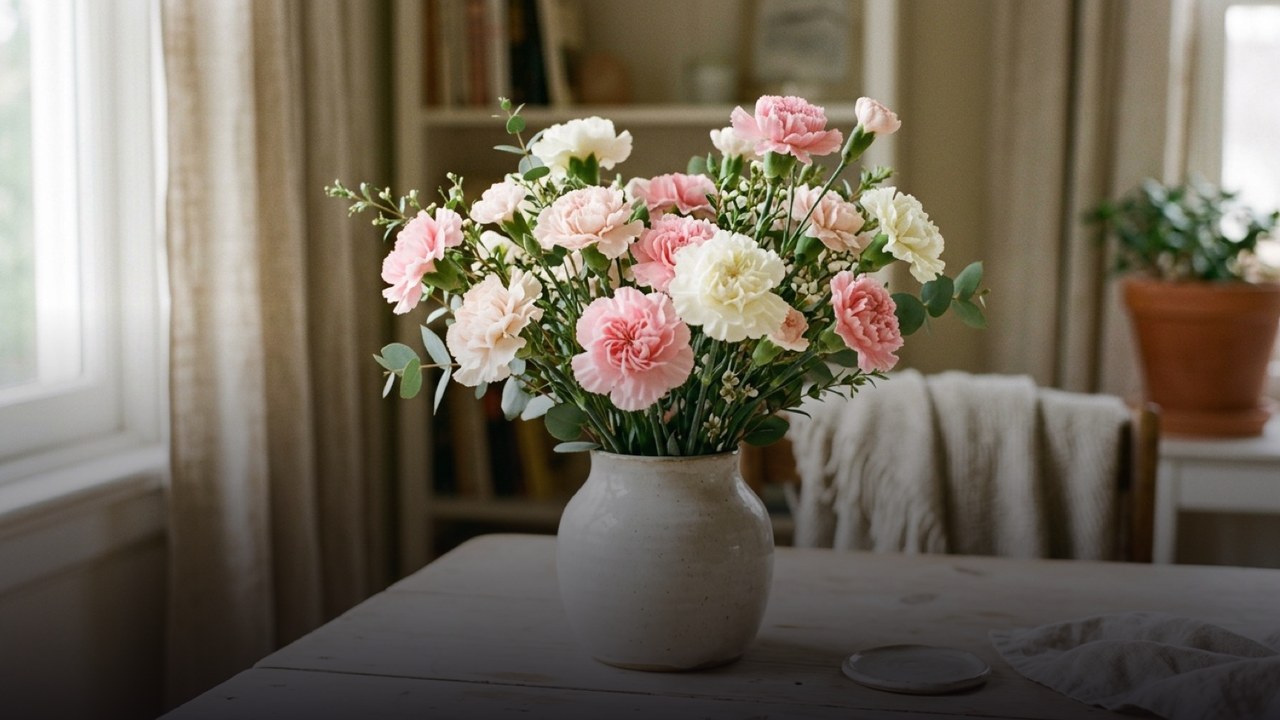
The most useful collector vase solutions are removable, watertight inserts that hold your flowers while keeping water away from a valued vessel. Pair the insert with a stable arrangement and a protected display surface; if a vase is cracked, porous or of uncertain condition, display it empty and place fresh flowers in a separate container.
A vase collected for its shape, maker or family history needs a different approach from an everyday flower jug. You need to consider both the flowers and the object: whether the vessel can safely hold water, whether stems will fit without pressure, and whether you can lift out the arrangement for cleaning. Start with those questions before choosing a bouquet or cutting its stems.
Decide whether the vase should hold water
Inspect the empty vase in good light before filling it. Look for cracks, chipped edges, repairs, flaking decoration and fine lines in a glazed surface. An attractive exterior does not establish that a vessel is watertight. If its material, finish or repair history is uncertain, keep water out of it until you have reliable care advice for that particular piece.
An intact modern vase intended for cut flowers may be suitable for direct use, following its maker's instructions. Antique ceramics, painted interiors, metal vessels and repaired pieces need individual assessment. Avoid testing a valuable object by filling it overnight: a leak or change to a finish may become apparent only after damage has occurred.
For a valuable or sentimental piece, ask a qualified conservator about wet use and cleaning. Until then, you can enjoy its silhouette beside a plain flower vase. Dried stems are another display option, provided they do not scratch the interior or become wedged in the neck; keep dyed or shedding materials away from delicate surfaces.
Choose a removable insert that fits comfortably
For a sound vessel whose interior needs protection, use a separate watertight glass or plastic container with a smooth rim. It should sit securely on the base, leave clearance around the neck and lift out easily when filled. Check the insert for leaks separately before placing it inside the collectible, and never force a snug container through a narrow opening.
Choose an insert tall enough to provide useful water depth without letting stems rest heavily against the outer vase's rim. A small jar hidden inside a broad vessel can work for a modest arrangement, but a tiny water reservoir under many thirsty stems will need frequent attention. If you cannot see or reach the water, remove the insert to check it.
Treat a liner as a practical barrier, not permission to use an unstable or fragile object. Spills can still reach the outer vessel, and grit between the two surfaces can scratch them. Fill and empty the insert away from the collectible, wipe its exterior dry, and avoid adhesives, tightly packed wedges or improvised supports that press against the decoration.
Bouquets we can deliver




Match the bouquet to the opening and the base
Measure the usable opening, including any insert, before selecting flowers. A narrow neck suits a restrained group of stems; a broad opening usually needs more support to keep stems from spreading. Leave enough room to remove the flowers without dragging them against the rim. Do not push a ready-tied bouquet into an opening that compresses its stems.
Judge height by balance as well as appearance. Tall, heavy flower heads can make a light vase easy to tip, especially on a narrow shelf. Start with shorter stems and a compact outline, then check the arrangement from several angles. Keep its visual and physical weight over the base, and allow space around it where sleeves, curtains or pets might brush past.
When the vase itself is the feature, a few stems with a clear outline often show it better than a dense dome of flowers. Repeat one colour from the decoration or choose a quieter palette that lets the pattern remain visible. For a gift, ask about the recipient's room and preferred colours instead of assuming that a particular flower meaning will suit them.
Make flower care easy enough to repeat
Prepare flowers in a separate working container. With clean, sharp tools, recut the stem ends and remove foliage that would sit below the waterline. Keep thorns, cut ends and tools away from the collectible's surface. Our guide to which rose leaves to remove explains how to clear submerged foliage without stripping every leaf.
Check the water daily and replenish it before the stem ends become exposed. Change cloudy water, remove fallen petals and discard decaying stems promptly. If you use cut-flower food, follow its packet directions rather than estimating the dose. Lift out the insert for these jobs so that you can handle water without repeatedly wetting the decorative vessel.
Clean the working container between bouquets using a method appropriate to its material, then rinse it thoroughly. The advice in our vase-cleaning guide is for suitable flower containers; it should not override specialist instructions for an antique or decorated piece. Keep the finished arrangement away from direct sun, heaters and ripening fruit.
Protect the display surface and store empty vases carefully
Choose a level, stable surface with enough room to lift the arrangement straight up. Use a clean, non-abrasive protective mat beneath a suitable vessel if needed, and check for moisture after arranging or topping up. Carry the outer vase and its filled insert separately whenever practical: moving them together adds weight and increases the chance of a spill.
Display fewer pieces together if crowding makes flower care awkward. Leave space between handles, rims and projecting decoration so you can remove one vase without knocking another. Place heavier pieces on stable lower surfaces, and keep frequently used flower containers easy to reach. A collection works better when maintenance does not require moving several fragile objects each time.
Before storage, make sure each piece is clean and fully dry according to its care requirements. Avoid nesting collectible vases unless you have suitable protection and know their shapes and finishes can tolerate it. Record dimensions and care notes alongside a photograph; those details help you choose an insert or plan a bouquet without repeatedly handling the original.
Send flowers to someone with a vase collection in Russia
If you are ordering from abroad, first establish whether your recipient wants flowers for a particular vase. Ask for its opening width, approximate height and whether they use an insert, then browse the bouquets catalogue. Explain any size constraints to a manager on WhatsApp, where you can also agree the address, timing and card text and request a photo of the bouquet before delivery.
We deliver flowers across Russia. City delivery costs 500 RUB; for remote districts and suburbs, the operator confirms the price when confirming the order. In large cities, express delivery is available 1–2 hours after confirmation. You can also arrange an exact time with a tolerance of ±30 minutes, choose 09–12, 12–15, 15–18 or 18–21, or pre-order 1–30 days ahead.
Delivery is anonymous by default, and a card with your text is free, so sign the message if you want the recipient to know who sent it. The courier calls about 15 minutes before arrival; if the recipient is absent, we agree a second delivery that day or a handover to a neighbour or concierge with the sender's consent. See delivery and payment for ordering information. Online checkout uses CloudPayments; check the options displayed there, as acceptance of every foreign card is not guaranteed.
Frequently asked questions
What is the best liner for a collectible vase?
Choose a smooth, watertight glass or plastic insert that sits securely and lifts out without touching or straining the neck. Test it for leaks separately and make sure its water capacity suits the number of stems.
Can I put fresh flowers in a cracked antique vase?
Keep water out of a cracked antique vase and seek advice from a qualified conservator before using it. A separate flower container beside the vase lets you display both without loading the damaged piece.
How do I stop flowers from tipping a small vase?
Shorten the stems, reduce the number of heavy flower heads and keep the arrangement centred over the base. If the vase still feels unstable, use a broader, more stable flower container.
Should I send a large bouquet to someone who collects vases?
The usable opening and stability of their chosen vase matter more than bouquet size. Ask about those dimensions first, especially if they plan to use a removable insert.
Can I order flowers to Russia with a foreign card?
Online checkout uses CloudPayments, and you should check the payment options displayed at checkout. Acceptance of every foreign card is not guaranteed.
Ready to send flowers?
Pick the city, choose the bouquet, and a local florist takes it from there.
Choose a city →