Leaving Flowers at the Door: When Silent Delivery Works
You want the bouquet to appear like magic — no spoiled surprise, no awkward moment, just flowers waiting at the door when someone comes home. It is a lovely idea, and we make it work regularly. But a few practical conditions decide whether the flowers stay beautiful and safe, or end up wilted in a draughty hallway. Here is everything you need to know before you tick the contactless option.
Why People Ask for Contactless Delivery in the First Place
The most common reason is a surprise. Someone wants their partner, parent, or friend to open the front door and find a bouquet already there, with no courier call giving the game away thirty seconds early. It is a genuinely romantic gesture, and when it lands correctly it feels effortless and thoughtful.
A second reason is timing. The recipient may be in a meeting, asleep after a night shift, or simply unavailable to answer the door. Rather than rescheduling or leaving the flowers at a reception desk, the sender prefers a quiet drop-off that fits around the recipient's day without interrupting it.
A third reason is more practical: some buildings in Saint Petersburg and across Russia have entrance halls, covered porches, or concierge desks that provide a safe, sheltered spot. In those cases, leaving the order unattended feels no different from a standard parcel drop. The sender knows the environment, trusts the location, and simply wants the process to be smooth.
All three situations are completely valid. The key is giving the courier enough information to carry out the drop-off safely and to keep the flowers in good condition for however long they will sit before the recipient picks them up. That information starts with the delivery note and the address details, which we will come to shortly.
Bouquets we can deliver


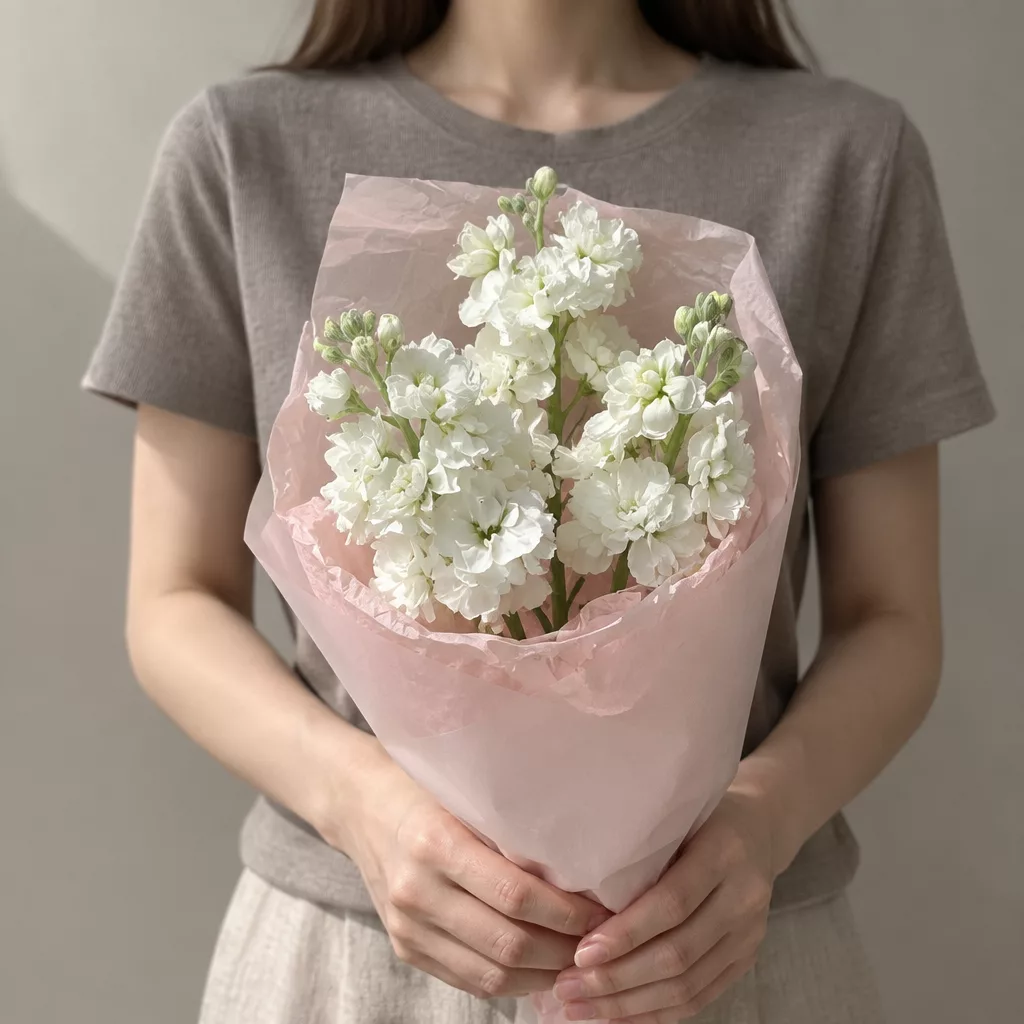
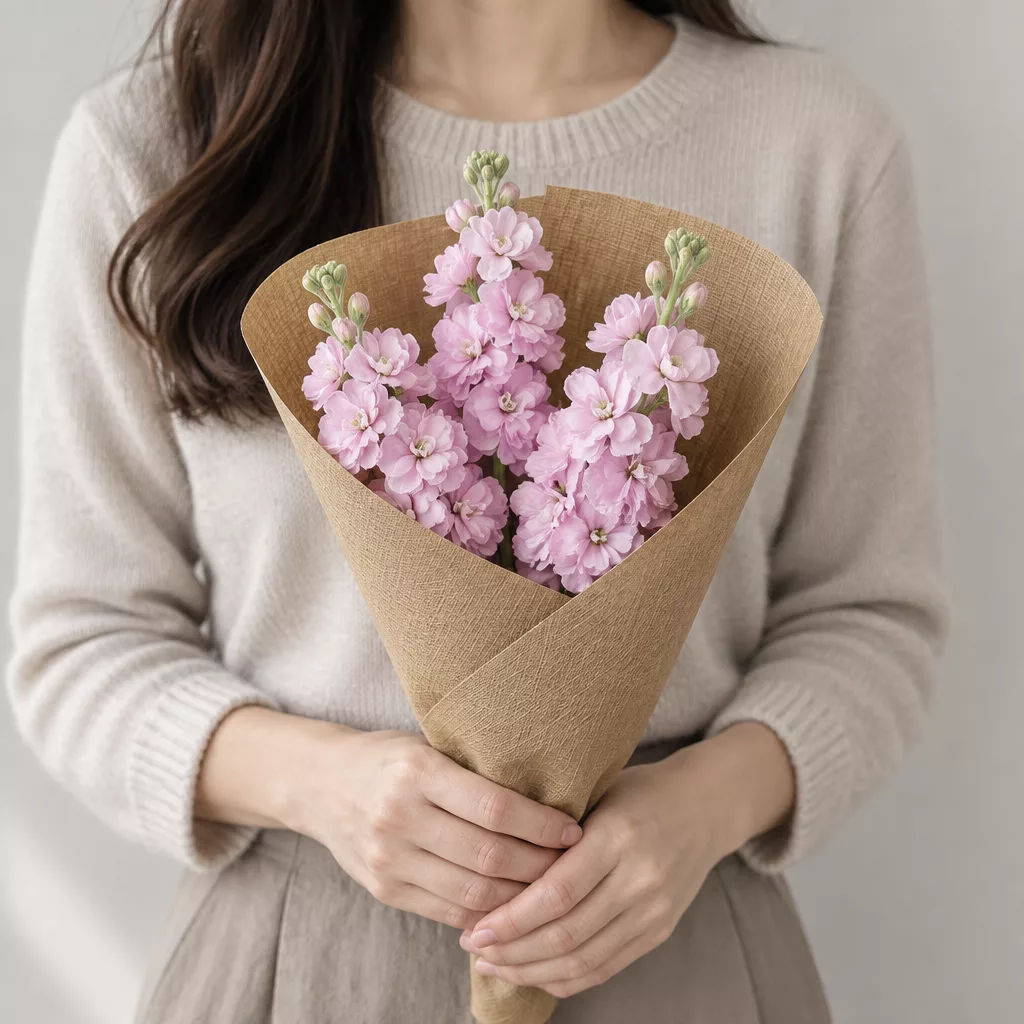
What You Need to Write in the Order Comments
Contactless delivery does not happen automatically — you need to request it clearly when placing the order. The comments field is where this instruction lives. Write something specific: not just 'leave at door' but 'leave outside apartment 47 on the left side of the landing, do not ring the bell, do not call the recipient.' The more precise the instruction, the less the courier has to guess.
Include a description of the exact spot. Russian apartment buildings often have long corridors with identical doors, and a courier arriving with a large bouquet of garden roses or a box of peonies needs to know immediately where to set it down without disturbing neighbours. If there is a mat, a specific corner, or a shelf near the lift, mention it.
Also tell us whether the building has an intercom code, a key fob entrance, or a concierge. If the courier cannot get past the front door, the contactless plan fails before it begins. Providing the intercom code or asking a neighbour to let the courier in are both solutions — just confirm which one applies and note it in the comments.
Finally, let us know the approximate time the recipient is expected home. If flowers will sit for twenty minutes that is very different from two hours. That window affects which flowers we recommend and how we pack them, because some varieties handle waiting better than others.
Which Flowers Hold Up Best When Left Unattended
Not every bouquet is suited to sitting outside a door for an extended period. Temperature, humidity, and direct light all affect how quickly stems decline once they leave water. Choosing the right flowers for a contactless delivery is just as important as choosing them for the occasion.
Roses, particularly varieties with dense petals like garden roses, are reasonably resilient for up to an hour in mild temperatures. Chrysanthemums and alstroemeria are among the hardiest options and can hold their shape and colour for longer without water. Eustoma, sometimes called lisianthus, is also a good choice — its layered petals stay composed and it does not bruise easily during handling.
Avoid flowers that are already fully open and highly fragrant at the time of delivery. Open tulips and ranunculus drop petals quickly when disturbed or left in warm air. Hydrangeas are particularly sensitive to dehydration and will droop visibly within thirty to forty minutes without water, especially in a heated indoor corridor.
We pack contactless orders with a water sachet on the stems and, where the arrangement allows, in a box rather than an open wrap. The box protects against draughts, keeps the stems supported, and prevents petals from catching on door frames or walls. If you are ordering for a contactless drop-off, mention it early so we can choose the packaging accordingly rather than adjusting at the last moment.
Temperature and Seasonal Conditions to Keep in Mind
Russia's climate makes temperature one of the most important variables in any contactless delivery. In winter, a bouquet left outside an apartment door in an unheated stairwell can be exposed to temperatures close to zero degrees Celsius. Most cut flowers tolerate brief cold well — roses and carnations actually prefer cool air — but frost damages petals permanently within minutes. If the building entrance is unheated and temperatures are below freezing, we will advise against leaving flowers unattended outdoors.
In summer the opposite problem applies. A south-facing landing or a glass-fronted entrance hall can reach thirty degrees or more in July and August in Saint Petersburg. In that heat, flowers left for more than twenty to thirty minutes begin to wilt noticeably. Delicate varieties like sweet peas or open peonies are the first to suffer. We recommend keeping the waiting window as short as possible in summer and choosing sturdier stems.
Spring and autumn are generally the safest seasons for contactless delivery because temperatures in most indoor common areas stay between fifteen and twenty degrees — comfortable for most cut flowers for up to an hour.
When you place the order, we take the current weather and the delivery window into account. If conditions are genuinely unsuitable for an unattended drop-off, we will contact you — the sender — rather than the recipient, so the surprise is never accidentally ruined. That is a small but important detail in how we handle these situations.
Building Access and Security: The Practical Realities
Saint Petersburg has a wide variety of residential buildings, from pre-revolutionary communal houses with open courtyards to modern gated complexes with security cameras and key-card access on every floor. The type of building determines how straightforward a contactless drop-off actually is.
In older buildings with open staircases, access is usually simple and the courier can reach the door without any code. In newer residential complexes, there may be a main intercom at the street gate, a second intercom at the building entrance, and a third access point at the lift lobby. Each one needs a code or a concierge to buzz the courier through. If you leave any of these steps out of the delivery instructions, the courier may be stuck at the gate with a bouquet of spray roses and no way forward.
If the building has a concierge or security desk, the flowers can be left there with a note. This is actually a reliable contactless option because the concierge provides a secure handover point and the flowers stay in a temperature-controlled environment. Make sure to write the recipient's name, apartment number, and a short note on the card so the concierge knows who to call and when.
For gated courtyards or buildings where access genuinely cannot be arranged in advance, we will contact the sender for an alternative. We never leave a bouquet on a public pavement or in an unsecured outdoor space, because that is not a delivery — it is simply abandoning flowers.
What Happens If Something Goes Wrong During Drop-Off
Even with clear instructions, unexpected things happen. The recipient arrives home early and opens the door just as the courier is setting down the bouquet. The intercom code has changed. A neighbour has left a pushchair blocking the landing. These small complications are part of real deliveries, and knowing how we handle them makes the process less stressful for everyone.
If the recipient unexpectedly answers the door, the courier simply completes a normal handover. The surprise may be partially revealed, but the flowers are delivered safely and in perfect condition. Most people, it turns out, are delighted regardless.
If access to the building is impossible and we cannot reach the sender, we will make one further attempt to contact the recipient — but without mentioning the sender or the occasion. We might say only that there is a delivery requiring access. If contact still cannot be made within a reasonable window, the bouquet returns to our base and we reschedule with the sender.
We photograph the bouquet at the door before leaving, so you have a record that the delivery was completed and can see the condition of the flowers at that moment. If anything looks wrong — a damaged stem, a spilled water sachet — we note it immediately. Our goal is that when the recipient finds the flowers, they look exactly as they would if handed over in person: fresh, well-arranged, and worth every moment of the planning that went into them.
How to Make the Moment Land the Way You Imagined
The logistics of contactless delivery are only half the picture. The other half is making sure the moment itself feels as warm and intentional as you planned it. A bouquet left at a door with no context can feel puzzling rather than romantic, so a few small details make a significant difference.
Always include a handwritten card or a printed note inside the packaging. The card should be tucked where the recipient will find it immediately — not buried under tissue paper. Keep the message warm and direct. Even three or four sentences are enough to transform a beautiful bunch of garden roses into something that feels deeply personal rather than anonymous.
Consider the timing carefully. A bouquet discovered at seven in the morning as someone leaves for work creates a very different feeling from one found at seven in the evening after a long day. Think about what the recipient will be doing when they open that door and how you want them to feel in that specific moment.
If you are sending flowers for a birthday or anniversary, try to coordinate the delivery with another small gesture — a message sent to arrive just after the flowers, or a phone call a few minutes later. The contactless drop-off creates the visual surprise; your follow-up creates the emotional connection. Together they make the kind of memory that gets mentioned for years.
Tell us the occasion when you order. Even for a contactless delivery, knowing whether these are birthday peonies or a thank-you bouquet of white lisianthus helps us choose colours, combinations, and packaging that match the feeling you are trying to create.
Contactless flower delivery works beautifully when the details are right — clear instructions, the correct building access information, flowers suited to the wait, and a card that makes the moment personal. It is one of the most thoughtful ways to send flowers precisely because it asks nothing of the recipient and gives everything to the surprise. Plan the drop-off as carefully as you chose the flowers, and the result will feel effortless from the other side of that door.
Frequently asked questions
Can I request contactless delivery for any address in Russia?
You can request it for most addresses, but the building needs to allow courier access without the recipient opening the door. Provide intercom codes, concierge details, or any access instructions when ordering. For buildings where access cannot be arranged in advance, we contact the sender to find a workable alternative before the delivery window closes.
How long can flowers safely sit at the door before someone picks them up?
In mild indoor temperatures between fifteen and twenty degrees, most bouquets stay fresh for up to an hour. Hardy varieties like alstroemeria and chrysanthemums manage slightly longer. In summer heat above twenty-five degrees or in near-freezing winter stairwells, we recommend keeping the waiting window under thirty minutes and choosing sturdier stems accordingly.
Will the courier call me or the recipient if there is a problem?
If something prevents the drop-off — a locked gate, an inaccessible floor — the courier contacts the sender first, not the recipient, so the surprise is protected. Only if the sender cannot be reached within a short window will we attempt a neutral message to the recipient. We always try to resolve access issues without revealing who sent the order.
Is there proof that the flowers were actually left at the door?
Yes. The courier photographs the bouquet in position at the door before leaving. That image is kept on record and can be shared with the sender on request. It shows the condition of the flowers at the moment of drop-off and confirms the exact placement, giving you confidence that the delivery was completed as instructed.
What if the recipient comes home earlier than expected and opens the door?
The courier completes a normal handover — the flowers are passed over in perfect condition. The element of surprise may be slightly altered, but the delivery itself is never compromised. In practice, most people are so pleased to receive fresh flowers at their door that the exact mechanics of the moment matter far less than you might expect.
Ready to send flowers?
Pick the city, choose the bouquet, and a local florist takes it from there.
Choose a city →