Cut Flower Stems the Right Way and Your Flowers Will Last Much Longer
You receive a bouquet, you unwrap it, you put it in a vase — and three days later the roses are already drooping. Most of the time, the problem started in the first five minutes. The way you cut the stems before placing flowers in water determines almost everything that follows: how quickly they drink, how long they stay upright, and whether that anniversary arrangement still looks beautiful a week from now. This is not complicated technique reserved for professional florists. It is a small set of habits that anyone can build, and once you understand why each step matters, you will never skip it again.
Why the Cut Matters More Than the Water
Most people assume that fresh water and a clean vase are the two things keeping flowers alive. Water and cleanliness absolutely matter, but they cannot compensate for a stem that was cut badly. When a stem is cut with a dull blade or snapped by hand, the cells at the tip are crushed rather than sliced. Crushed cells seal themselves off almost immediately, the way a bruise forms on skin. The result is a stem that sits in water but barely drinks any of it.
Flowers move water upward through a system of fine tubes called xylem. Those tubes need to be open and undamaged at the base to function. A clean, sharp cut leaves the tubes intact. A torn or crushed cut collapses them. You can see the difference clearly with gerberas and sunflowers, which have thick, spongy stems — a dull cut on either of these turns the base brown and soft within hours.
Beyond the initial cut, stems continue to seal themselves gradually over time even when sitting in water. This is why a single cut at the moment of unpacking is never quite enough. The stem is a living structure, and it responds to its environment constantly. Understanding this is the foundation for everything that follows in this article. Every other step — angle, sharpness, frequency — is simply a way of keeping those tiny water channels open and working.
Bouquets we can deliver


The Angle That Actually Makes a Difference
You have almost certainly seen florists cut stems at a diagonal, and there is a practical reason behind it that goes beyond tradition. A straight horizontal cut places the entire base of the stem flat against the bottom of the vase. The stem rests on the glass or ceramic surface, blocking the cut end and preventing water from entering freely. A diagonal cut — typically around 45 degrees — creates a larger surface area at the tip and lifts the cut end slightly off the base, so water can reach it from all sides.
For most flowers, a 45-degree angle is the standard. Roses, tulips, lisianthus, and alstroemeria all respond well to it. Stems that are particularly thick or woody, such as those on chrysanthemums or some varieties of hydrangea, benefit from a steeper cut or even a small vertical split at the base in addition to the diagonal. The split gives woody tissue more surface area to absorb water without requiring you to change the angle dramatically.
One exception worth knowing is hollow-stemmed flowers. Delphiniums and lupins have stems that are essentially tubes, and some florists turn them upside down, fill the hollow with water, and plug the end with a small piece of cotton before placing them in the vase. This keeps the internal channel full. For everyday arrangements at home, the diagonal cut still helps these varieties, but the hollow nature of the stem means they will need fresh cuts more frequently than solid-stemmed flowers. A little extra attention keeps them standing tall.
Sharp Blades and Why Kitchen Scissors Are the Enemy
The single most common mistake people make when preparing flowers at home is reaching for kitchen scissors. Kitchen scissors are designed to cut through packaging, herbs, and paper — not living plant tissue. Even scissors that feel sharp to the touch work by pressing two blades together, which means they always compress the stem to some degree before slicing through it. That compression is exactly what collapses the xylem tubes you are trying to keep open.
A proper floral knife, a grafting knife, or a single sharp blade such as a box cutter gives you a clean slice with minimal lateral pressure. If you prefer scissors for convenience, look for ones with a single serrated blade and a smooth blade — the combination allows a cleaner cut than two smooth blades pressing against each other. Whatever tool you choose, sharpness is non-negotiable. A dull blade drags across the stem, heating the tissue slightly through friction and tearing rather than cutting.
Maintaining your tools is simple. Wipe the blade clean after each use, dry it thoroughly to prevent rust, and run it across a sharpening stone or a ceramic rod every few weeks if you work with flowers regularly. For most home users, a good quality floral knife that is cleaned and stored dry will stay sharp for an entire season without needing attention. If you notice the blade pulling or catching on stems rather than gliding, that is your signal to sharpen or replace it. Dull tools are one of those problems that feel minor until you see the difference a sharp blade makes on a fresh rose stem.
Cutting Under Water: When It Helps and When It Does Not
Cutting stems under water is a technique that sounds fussy but has a genuine purpose. When you lift a stem out of water and cut it in open air, the exposed tip immediately draws in a tiny bubble of air. That air bubble can travel up the stem and block the xylem tubes, reducing water uptake. Cutting the stem while it is submerged in a basin or bucket prevents any air from entering at the moment of the cut.
In practice, this technique makes the most noticeable difference with flowers that are prone to air embolism — roses are the clearest example. If you receive roses that have already wilted slightly despite being in water, cutting the stems under lukewarm water and then placing them immediately back into a fresh vase often revives them within an hour or two. The wilting is frequently caused by air blockage rather than actual dehydration, and the underwater cut removes the obstruction.
For hardier flowers like carnations, alstroemeria, or statice, cutting under water provides a smaller benefit and is largely optional. The more important factor for these varieties is simply using a sharp blade and moving the stem into fresh water quickly — within a few seconds of cutting. If you are preparing a large mixed arrangement, a practical approach is to cut roses and other delicate stems under water first, then handle the sturdier varieties in open air. This way you spend the extra effort where it genuinely changes the outcome, rather than treating every stem identically regardless of its needs.
How Often You Should Recut and When to Do It
A single cut when you first unpack the flowers is a good start, but it is not a one-time solution. As mentioned earlier, stems continue to seal themselves gradually. For most flowers kept at room temperature, the base begins to restrict water uptake noticeably after about two days. Recutting the stems every two days — removing just a centimetre or so each time — keeps the intake end fresh and open.
The best moment to recut is when you are also changing the water in the vase, which should happen on the same two-day schedule. Remove the flowers, rinse the vase with cold water, refill it with fresh cool water, and then make your cuts before returning the stems. Doing both tasks together means the newly cut stem goes straight into clean water with no delay, which is exactly what you want.
Pay attention to what the stems look like when you take them out. A healthy stem base should be pale green or white. If the base has turned brown, soft, or slimy, cut back further until you reach clean tissue. Brown tissue cannot absorb water at all, and leaving it in place while only recutting a small amount will not solve the problem. With roses in particular, check for any leaves that have fallen below the waterline — decomposing foliage introduces bacteria into the water rapidly, and those bacteria are one of the main reasons flowers fade faster than they should. Remove any submerged leaves at the same time you recut the stems.
Water Temperature and What Happens Below the Waterline
Temperature is often overlooked in conversations about stem cutting, but it connects directly to how well a freshly cut stem absorbs water. Cold water moves more slowly through plant tissue than lukewarm water. For most flowers, water at around 20 degrees Celsius — slightly below room temperature — is ideal for everyday maintenance. Immediately after cutting, placing stems in water that is a little warmer, around 35 to 40 degrees Celsius, can help open the vascular tissue and encourage faster uptake, particularly for roses and tulips that have been out of water during transit.
There is an important exception: bulb flowers such as tulips and hyacinths actually prefer cold water. They originate from cool climates and their cells are accustomed to cold. Placing tulips in warm water accelerates their development and causes them to open faster than you may want. Keep tulips in cool water, away from heat sources and direct sunlight, and they will stay in the bud stage longer before fully opening.
Below the waterline, the only thing that should be present is the stem itself. Leaves, flower petals, and packaging material left in the water all begin to decompose within a day or two, releasing bacteria that cloud the water and attack the stem base. Strip all foliage from the lower third of every stem before placing it in the vase. This is a step that many people skip because it feels unnecessary, but it has a measurable effect on how long the arrangement lasts. Clean water, a clean vase, and bare stems below the surface create the conditions that allow your cut to do its job properly.
Putting It All Together for Different Flower Types
Different flowers have different stem structures, and adapting your approach slightly for each type gives you noticeably better results. Roses are the flowers most people work with and the ones most sensitive to technique. Use a sharp knife, cut at 45 degrees, do it under water if possible, and recut every two days. Remove thorns below the waterline gently — tearing them off damages the stem, so slide them off with a knife or a thorn stripper.
Tulips are soft-stemmed and fast-growing — they will continue to grow in the vase, sometimes by several centimetres. Cut them at a diagonal, use cold water, and expect to recut more frequently than with roses, roughly every day and a half. Wrap them tightly in paper for the first few hours after cutting to help them stand straight as they settle.
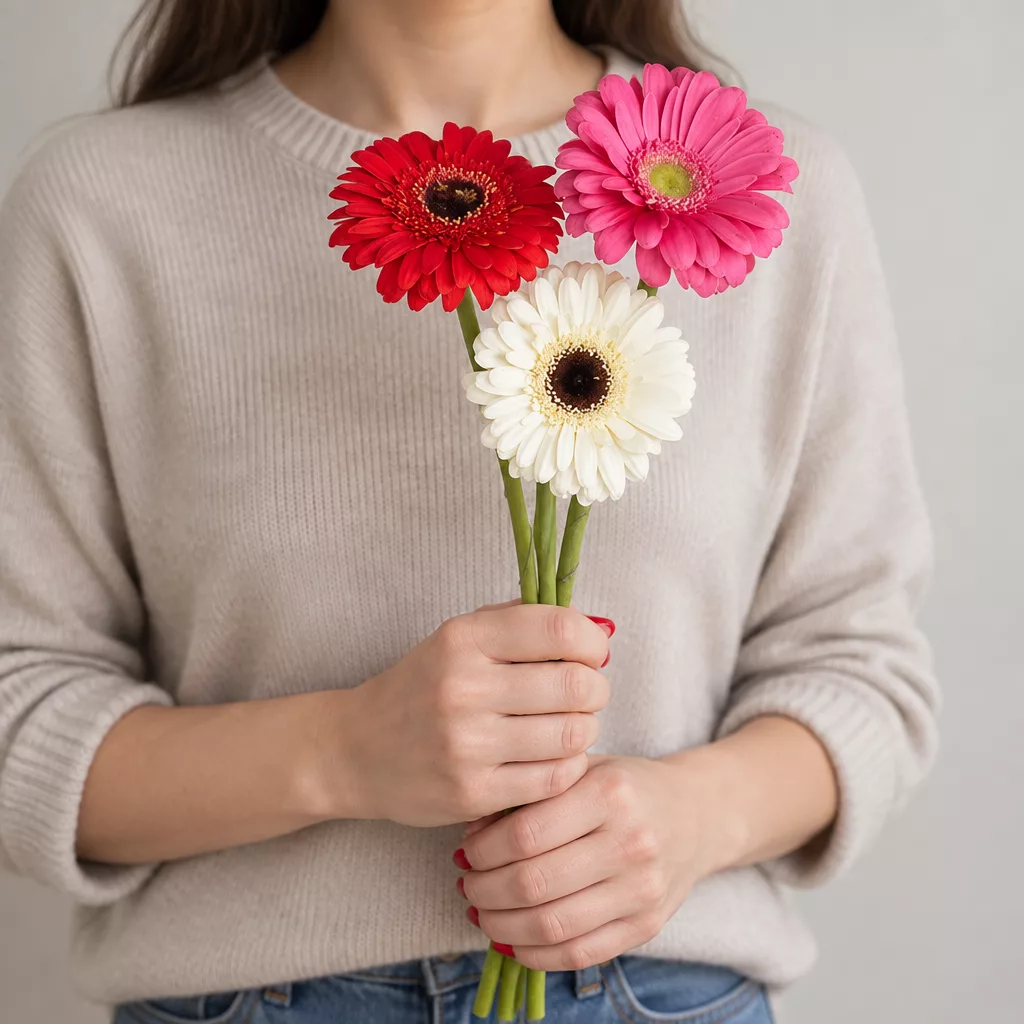
Gerberas have thick, spongy stems that rot quickly if left in deep water. Keep gerberas in shallow water — no more than five centimetres — and recut daily. A sharp diagonal cut is essential because the spongy tissue collapses easily under a dull blade.
Chrysanthemums and lisianthus are among the most forgiving flowers to prepare. A clean diagonal cut, fresh water every two days, and removal of lower foliage is all they need. Lisianthus in particular lasts exceptionally well — up to two weeks with basic care — making it an excellent choice for arrangements where longevity matters. Alstroemeria is similarly resilient and responds well to the standard two-day recut cycle. Learning the character of each variety makes the whole process feel less like a rule to follow and more like a conversation with the flowers themselves.
Keeping flowers fresh longer is not about special additives or elaborate rituals. It comes down to a sharp blade, the right angle, clean water, and the habit of returning to the stems every couple of days to repeat the process. Once these steps become automatic — the way checking water levels becomes automatic — you will notice that bouquets stay vibrant for days longer than they used to. The flowers have not changed. The care around them has. We deliver bouquets across Russia in 1–2 hours.
Frequently asked questions
Does it really matter if I use scissors instead of a knife?
Yes, it does. Scissors compress the stem as they cut, crushing the tiny tubes that carry water upward. A sharp knife slices cleanly through without lateral pressure, leaving those tubes open. The difference becomes obvious after 24 hours — stems cut with scissors tend to wilt faster even when water and vase conditions are identical.
How much stem should I remove each time I recut?
About one centimetre is usually enough if you are recutting every two days on a healthy stem. If the base has turned brown or soft, cut back further until you reach firm, pale tissue. Removing too little means you are still cutting through compromised material that cannot absorb water effectively, so let the colour of the stem guide you.
Can I skip recutting if the flowers still look fine?
Flowers can look perfectly upright while already struggling to take in water — the visible wilting comes later. Recutting on a schedule rather than waiting for signs of distress means you address the blockage before it causes damage. Think of it the way you change water in a fish tank: not because it looks dirty, but because you know it is.
Is cutting under water necessary for every flower type?
Not for every variety. Roses benefit most from this technique because they are particularly prone to air bubbles blocking the stem. Carnations, chrysanthemums, and alstroemeria are less sensitive and do well with a quick cut in open air followed by immediate placement in water. Focus the extra effort on roses and any flowers that arrived slightly wilted.
What water temperature should I use after recutting?
For most flowers, water slightly below room temperature — around 20 degrees Celsius — works well for everyday maintenance. Immediately after a fresh cut, slightly warmer water around 35 to 40 degrees helps the stem absorb more quickly. Tulips and other bulb flowers are an exception: they prefer cold water throughout, as warmth causes them to open faster than desired.
Ready to send flowers?
Pick the city, choose the bouquet, and a local florist takes it from there.
Choose a city →