How Air Quality Affects Cut Flowers in Storage
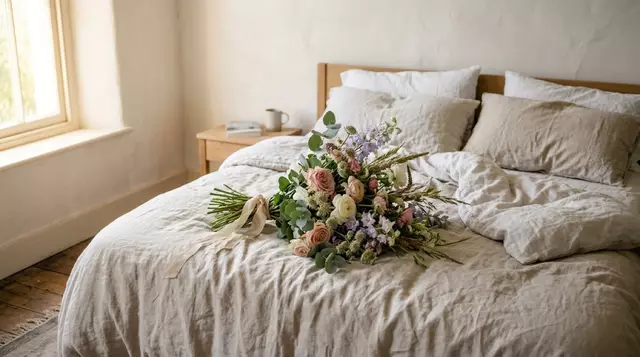
Good cut flower storage air quality means keeping flowers away from ripening fruit, smoke, exhaust fumes and stale, damp air, while allowing gentle ventilation without a direct draught. Choose a cool, clean place, remove decaying plant material promptly and keep petals dry. Air quality works alongside clean water and suitable storage conditions; it cannot compensate for dirty vases or stems left without water.
You do not need specialist equipment to improve the conditions around a bouquet at home. Start by checking what shares its space: a fruit bowl, a smoking area, a heater or a tightly packed cupboard can each create a different problem. The practical aim is to limit harmful gases, avoid trapped moisture and protect flowers from drying airflow. These checks matter whether you are keeping a gift overnight or helping someone in Russia care for flowers you have sent.
Keep ripening fruit and combustion fumes away
Ethylene is a gas released by ripening fruit and ageing plant material. Some cut flowers are sensitive to it and may develop premature wilting, petal drop or other signs of ageing after exposure. Sensitivity varies by flower type, so a mixed bouquet deserves a cautious approach. Do not store it beside apples, bananas, pears or tomatoes, even if the fruit looks perfectly sound.
A little extra distance on the same crowded kitchen counter is a less reliable precaution than choosing a separate room. An open window does not make a fruit-filled storage space suitable for flowers, because ventilation may not remove gases as quickly as nearby sources release them. Remove wilted flowers and fallen leaves too, rather than leaving them underneath fresh stems.
Keep bouquets away from cigarette smoke, vehicle exhaust and fumes from fuel-burning equipment. A garage containing a vehicle or a room used for smoking is a poor holding space. Do not try to correct these conditions with perfume or an air freshener: masking an odour does not remove the source of exposure. Moving the flowers to clean indoor air is the useful first step.
Ventilate gently without drying the bouquet
Gentle air exchange helps prevent a storage area from becoming stuffy and damp. At home, choose an uncluttered room where air can move around the vase rather than an enclosed cupboard. Leave space between bouquets if you are holding several together. Packing flower heads tightly against one another restricts airflow and makes it harder to notice moisture or damaged petals.
More airflow is not always better. A fan aimed at the bouquet, an air-conditioning outlet or a draught through an open doorway can increase water loss from leaves and petals. Put the vase outside the direct path of moving air. If you briefly open a window, check that the flowers are protected from strong wind, direct sun and outdoor temperatures that are unsuitable for them.
A hallway may feel cool but still be a poor choice if the outside door opens frequently. Temperature changes and repeated draughts can make conditions less stable than in an interior room. Pick the position by what actually happens there during the day, rather than by how it feels at one quiet moment. For a broader care routine, see our guide to keeping cut flowers fresh.
Bouquets we can deliver




Control dampness around petals and packaging
Flowers lose moisture in dry air, but wet petals and stagnant, humid conditions create another problem: they can favour fungal decay, including grey mould. The goal is to support hydration through the stems while avoiding lingering surface moisture. Keep foliage below the waterline out of the vase, and do not routinely mist a mixed bouquet unless you have care advice for its particular flowers.
Look inside the wrapping when you bring flowers indoors. If transport packaging is wet or holds condensation against the flower heads, carefully loosen or remove that outer material. Preserve any ties that support the arrangement, and avoid pulling delicate stems apart. Decorative wrapping should not form a sealed, damp pocket around the blooms while you store them.
Check once a day for fallen petals, softened leaves and visibly decaying flowers. Remove affected material carefully and clean the surrounding surface. If several blooms show suspicious spreading spots or fuzzy growth, separate them from the rest while you assess the damage. Do not assume every brown mark is mould: bruising, natural ageing and handling damage can look similar.
Use a household fridge only when it suits the flowers
A household fridge is not automatically a good flower store. It may contain ethylene-producing fruit, offer too little space or expose petals to a cold outlet or freezing surface. Different flowers also have different temperature requirements; some tropical blooms can suffer chilling injury. If you do not know what is in a mixed bouquet, ask for storage advice before refrigerating it.
If refrigeration is appropriate, use a clean space with ripening produce removed and enough room to avoid crushing the flowers. Keep stems supplied with water in a stable container where the arrangement allows it. Prevent petals and leaves from touching the back wall or cooling outlets. Avoid repeatedly moving the bouquet in and out, which changes conditions and can encourage condensation.
Do not use a freezer, and do not assume a balcony or unheated porch is a substitute for suitable refrigeration. Outdoor conditions can change quickly, especially overnight. Our guide to keeping flowers in the fridge explains the practical considerations. For many home situations, a cool room away from sun, fruit and heaters is the more manageable option.
Check the water and stems before blaming the air
Drooping flowers do not prove that storage air is poor. Low water, obstructed water uptake, heat and stem damage can produce similar symptoms. First check the water level and look for leaves submerged in the vase. If the water is cloudy or smells unpleasant, wash the vase and replace the water; improving ventilation alone will not address contamination in the container.
Use clean cutting tools to refresh stem ends where appropriate, then return the flowers to water promptly. Add flower food according to its packet instructions if supplied, rather than guessing the concentration. Avoid improvised mixtures of household cleaners. Clean water and tools help reduce contamination, while a suitable position reduces the strain on the flowers as they take up water.
Use the pattern of damage as a clue, not a diagnosis. Flowers nearest a heater may dry faster; petals pressed against wet wrapping may deteriorate in those contact areas. Sudden petal drop after time beside ripening fruit suggests a possible exposure worth removing, but it does not establish the cause. Change the obvious poor conditions first and reassess the bouquet without repeatedly handling the blooms.
Plan delivery to Russia around a suitable handover
If you are ordering from abroad, arranging a convenient handover helps the recipient put the flowers into water and a suitable room promptly. Turboflora delivers flowers across Russia. In large cities, express delivery is available within 1–2 hours after order confirmation. You can also arrange an exact time within a ±30-minute tolerance, choose a 09–12, 12–15, 15–18 or 18–21 window, or pre-order 1–30 days ahead.
City delivery costs 500 RUB; for remote districts and suburbs, the operator confirms the price when confirming the order. The courier calls the recipient about 15 minutes before arrival. If they are absent, we agree a second delivery that day or handover to a neighbour or concierge with the sender’s consent. When discussing an alternative handover, consider whether someone can bring the flowers indoors promptly.
Browse the bouquets catalogue, then contact a manager on WhatsApp to agree the address, timing and card text, get help choosing, or arrange a photo before delivery. Delivery is anonymous by default: the courier does not name the sender, and a card with your text is free. Online checkout uses CloudPayments; check the payment options displayed there, as acceptance of every foreign card is not guaranteed. Availability and timing of delivery across Russia are confirmed for the chosen city, address, date and bouquet.
Frequently asked questions
Should I put an air purifier beside stored cut flowers?
Removing sources of fumes, ripening fruit and decaying material is the first step. Do not assume a household air purifier removes ethylene; particle filtration alone does not establish that capability, and the unit’s airflow should not blow directly onto the bouquet.
Can I keep flowers and fruit in the same fridge overnight?
It is better to avoid sharing storage with ripening fruit, particularly when you do not know how sensitive the flowers are to ethylene. First confirm that refrigeration suits the bouquet, then use a clean space with the fruit removed.
Does opening a window help cut flowers last?
It can improve air exchange in a stuffy room, provided outdoor conditions are suitable. Keep the bouquet out of the direct draught and away from strong sunlight; an open window cannot compensate for nearby smoke or ripening fruit.
Should I spray water over flowers to improve storage humidity?
Routine misting is not a good default for a mixed bouquet because moisture can linger on petals and favour decay. Keep the stems properly supplied with water and follow any care instructions specific to the flowers.
Where should the recipient put a bouquet after delivery?
Choose a clean vase and a cool indoor position away from direct sunlight, heaters, ripening fruit and smoke. Keep the flowers outside the direct airflow from fans or air-conditioning outlets, and check their water regularly.
Ready to send flowers?
Pick the city, choose the bouquet, and a local florist takes it from there.
Choose a city →