Defender of the Fatherland Day: Flowers for Russian Men on Feb 23
February 23 is one of those Russian holidays that surprises people who encounter it for the first time: the women are buying flowers, and the men are the ones receiving them. If you want to get this right — whether you are sending to a father, a husband, a colleague, or a close friend — this article will walk you through the customs, the best flower choices, and the small details that turn a bouquet into a real gesture of respect.
What February 23 Actually Celebrates and Why Flowers Fit In
Defender of the Fatherland Day has its roots in 1918, when the Red Army was formally established. For decades it was observed strictly as a military holiday, but by the late Soviet period it had broadened into a general celebration of men — soldiers, veterans, and civilian men alike. Today it sits alongside March 8 as one of Russia's two gender-specific public holidays, and the parallel is deliberate: on March 8 men give flowers to women, and on February 23 women return the gesture.
The tradition of gifting flowers to men on this day is not universal across all Russian families, but it is widespread enough that florists across the country see a noticeable surge in orders in the days leading up to it. Workplaces often mark the occasion with small ceremonies, schools ask children to prepare congratulations for male teachers and fathers, and households treat it as a moment to acknowledge the men in their lives.
For someone unfamiliar with Russian customs, the key thing to understand is that this is not a solemn or military occasion in everyday practice. It is warm, sometimes playful, and very much about appreciation. A bouquet here carries the same emotional weight as a card and a handshake combined — it says you thought about the person specifically, not just that you remembered the date. That intention is what makes the flower choice matter.
Bouquets we can deliver


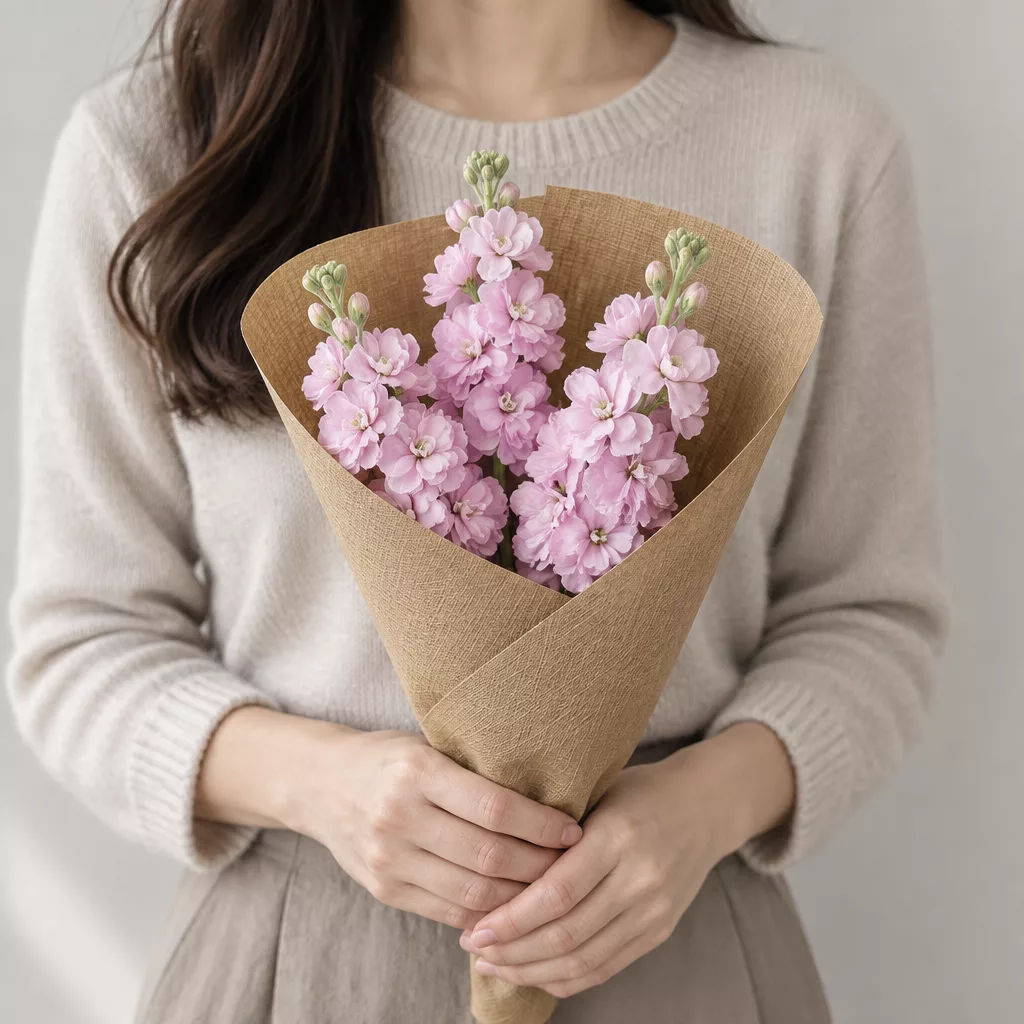
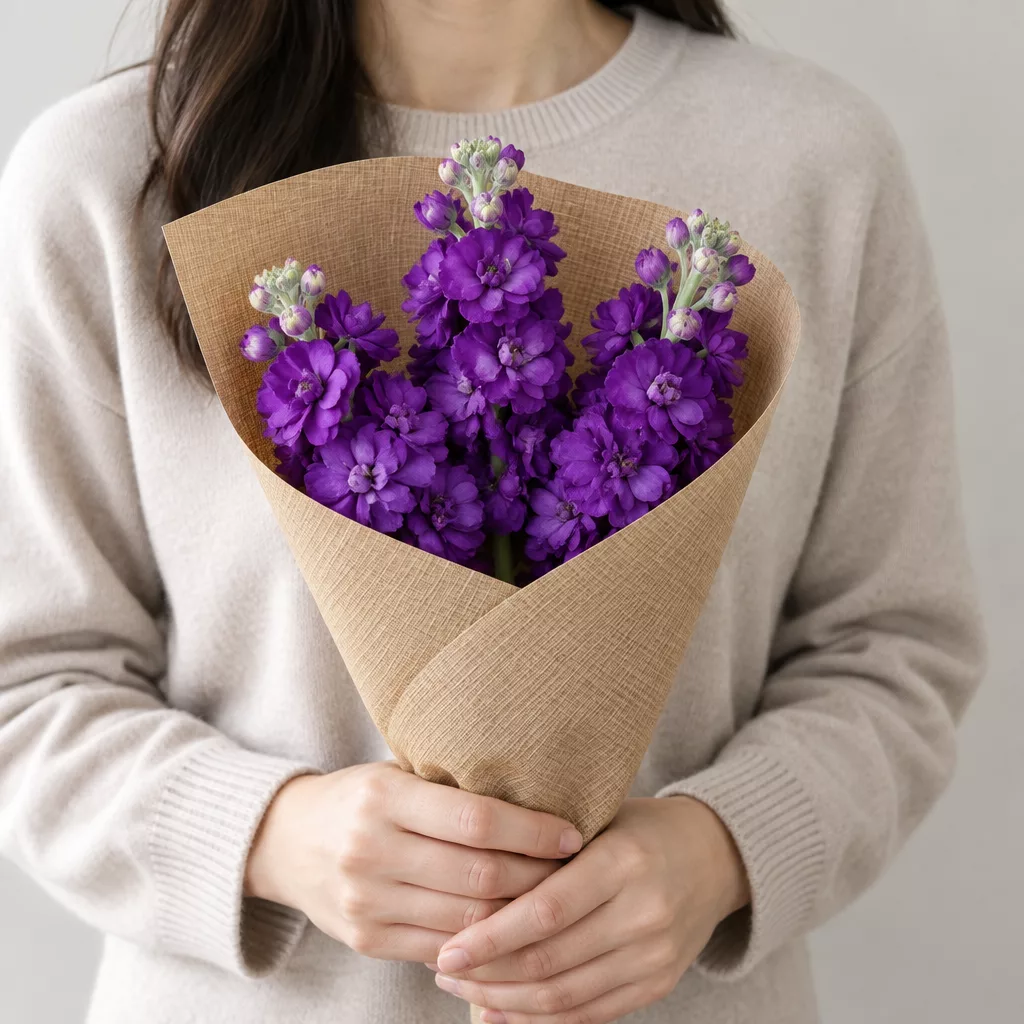
Choosing Flowers That Actually Suit a Man
The most common hesitation people have is whether flowers are really appropriate for a man. In Russia they absolutely are, and the florists who handle February 23 orders every year will tell you that the bouquets that work best are the ones chosen for the individual rather than for some idea of masculinity. That said, there are combinations that tend to land better than others.
Structure and contrast read well in a masculine context. Think of flowers with clear, defined shapes rather than soft, ruffled ones: tulips with their clean cup form, anthuriums with their lacquered surface, proteas with their architectural texture, or chrysanthemums in spray form that give volume without looking delicate. Sunflowers are an excellent choice because they are bold, unpretentious, and universally liked.
Colour is where many people overcorrect. Avoiding pink and going straight to dark red or black-edged varieties can make a bouquet feel heavy. The most successful combinations for February 23 tend to use deep burgundy, warm orange, strong yellow, or forest green as anchors, with white or cream as a lightener. A bunch of deep red tulips with eucalyptus stems, or orange gerbera with green button chrysanthemums, reads as considered rather than fussy.
Avoid arrangements that look like they were assembled for a dinner table centrepiece. Men generally appreciate bouquets that look intentional but uncomplicated — a single variety done in volume, or two varieties that contrast clearly, works better than seven types mixed together.
Giving Flowers at Work: Office and Collective Celebrations
February 23 is heavily observed in Russian workplaces. Female colleagues typically organise a collective congratulation for the men in the team, and flowers are a standard part of that. If you are coordinating this kind of gesture, the dynamics are slightly different from a personal gift — you are choosing for a group of recipients rather than one person, and the presentation needs to work in an office environment.
Individual small bouquets or single stems are a practical solution here. A single large-headed sunflower wrapped in kraft paper, or three tulips with a sprig of ruscus, is easy to carry, fits on a desk, and does not require a vase. If budget allows for proper bouquets, spray chrysanthemums in white or yellow are long-lasting and not too fragile for a commute home.
Timing matters more in an office context than in a personal one. Flowers delivered on the morning of February 23 land well because the celebration usually happens during the working day. Ordering the day before for a morning delivery is the safest approach, since florists see their highest volume on February 22 and the morning of the 23rd itself.
One practical note: if the office is warm, which most Russian offices are in February, avoid flowers that open very fast under heat. Tight tulip buds will open within a day in a heated room, which is actually a feature — they arrive closed and open through the day, which feels like a small event in itself. Gerberas are more sensitive to warmth and do better in a cooler reception area.
Personal Gifts: Flowers for a Father, Partner, or Close Friend
When the bouquet is for someone specific — a father, a husband, a brother, a close friend — you have more room to make it personal, and that is where the gesture gains real weight. Think about what the person actually likes rather than what seems appropriate in the abstract. A man who keeps cacti on his windowsill might appreciate a succulent arrangement or something with structural, spiky elements. A man who loves the outdoors might respond to a wild-feeling bunch of sunflowers and seasonal greenery.
For a father, especially an older one, the register should feel respectful and warm rather than playful. Deep red roses remain a classic here, and they are classic for a reason — they communicate esteem clearly. A bouquet of fifteen or twenty-one roses in a deep red or burgundy, wrapped simply in paper rather than in elaborate packaging, reads as sincere. Odd numbers are traditional in Russian bouquet culture for living recipients.
For a husband or partner, you can afford to be more personal and less formal. A relaxed arrangement of his favourite colour, or flowers that reference something shared — the blooms from your wedding, or the colour of a place you both love — will be remembered longer than the most expensive option on the menu.
For a friend, something cheerful and uncomplicated is usually right. A generous bunch of yellow or orange tulips, a cluster of bright gerberas, or a mixed arrangement anchored by sunflowers all say celebration without any weight of obligation.
Budget Ranges and What Each One Gets You
February 23 bouquets span a wide range, and understanding what is realistic at each level helps you make a decision without second-guessing yourself afterward.
At a modest budget, a single-variety bouquet is your strongest option. Five to seven tulips, a generous bunch of spray chrysanthemums, or three sunflowers with eucalyptus all look complete and intentional when assembled well. The key is to avoid mixing too many elements at this level — simplicity reads as confidence, not economy.
At a mid-range budget, you can combine two complementary varieties and add meaningful greenery. Deep red tulips with dark ruscus, or orange gerberas with green santini chrysanthemums, give the bouquet a sense of composition without looking overdone. This is the range where most personal gifts for February 23 sit, and it is entirely appropriate for a father, a partner, or a close colleague.
At a higher budget, consider volume over variety. A large bouquet of a single premium flower — garden roses, peonies if they are in season, or anthuriums — makes a stronger impression than many different types combined. Proteas or tropical elements like birds of paradise add drama and last exceptionally well, which is a practical advantage since the recipient gets to enjoy them longer.
One thing to keep in mind regardless of budget: the wrapping and presentation carry more weight than people expect. Clean kraft paper, a simple ribbon, and a handwritten note elevate any bouquet. Over-packaged flowers with excessive cellophane and decorative filler read as less thoughtful than a well-wrapped simple bunch.
Keeping the Bouquet Fresh in February Conditions
February in Saint Petersburg and most of Russia presents a specific challenge for cut flowers: the temperature outside can be well below zero, and the indoor heating is intense. This swing between cold streets and hot interiors is hard on flowers, and a little care from the recipient's side makes a real difference to how long the bouquet lasts.
When a bouquet arrives in cold weather, let it acclimatise at room temperature for twenty to thirty minutes before unwrapping it fully. Unwrapping cold flowers immediately in a warm room can cause condensation and speed up petal damage, particularly on roses and tulips. Once acclimatised, trim the stems at an angle under running water and place them in a clean vase with fresh, cool water.
The water temperature matters more than most people realise. Cold or room-temperature water is correct for almost all cut flowers in winter. Warm water encourages blooms to open faster, which shortens vase life. For tulips specifically, cool water and a cool room will keep them upright and fresh for up to a week. In a heated room, they may open fully within two or three days, which is beautiful but brief.
Change the water every two days and re-trim the stems each time. Keep the vase away from radiators, which are running at full strength in February, and away from fruit bowls — ethylene gas from ripening fruit shortens flower life noticeably. Chrysanthemums and anthuriums are the most forgiving in warm, dry indoor air. Roses and tulips reward the small effort of a cool placement and regular water changes.
Ordering Ahead: Timing Your Delivery for February 23
February 23 is a date that florists prepare for weeks in advance, and the closer you order to the date itself, the more limited your options become. The most popular varieties — sunflowers, red tulips, and spray chrysanthemums — sell through quickly in the two days before the holiday. If you have a specific combination in mind, ordering two to three days ahead gives you the best selection and removes the stress of last-minute availability.
If you are sending to a workplace, a morning delivery on February 23 is ideal — typically between nine and noon, before any office celebration is likely to start. If you are sending to a home address, early afternoon works well because it gives the recipient time to receive and enjoy the bouquet during the day rather than arriving after dark.
For deliveries across Russia, the logistics are worth thinking through carefully. Turboflora delivers within one to two hours across its service area, which means you can order on the morning of the 23rd and still have flowers arrive in time for a midday celebration. That said, ordering the evening before is always the safer choice for a time-sensitive occasion.
Include a specific delivery window in your order if the recipient has a schedule to keep — a man who leaves his office at noon will not be there to receive flowers at two in the afternoon. A brief note with the order about the recipient's likely location at different times helps ensure the delivery lands when it should. A bouquet that arrives at the right moment, rather than sitting in a cold hallway, is the whole point of the gesture.
February 23 is a holiday that rewards a little thought. The men who receive flowers on this day often remember it precisely because it is unexpected — because someone made the effort to choose something real rather than reaching for a generic gift. Whether you are sending to a father who has never received flowers from you before, a colleague you want to acknowledge properly, or a partner you want to surprise, the bouquet you choose says something specific about how you see them. Get the flower right for the person, pay attention to the timing and the temperature, and the gesture will land exactly as you intend it to. We deliver bouquets across Russia in 1–2 hours.
Frequently asked questions
Is it actually common to give flowers to men in Russia on February 23?
Yes, it is a well-established tradition, especially in workplaces and families. February 23 functions as the male counterpart to March 8, and flowers are one of the most common gifts. It is not universal in every household, but it is common enough that florists across Russia see a significant increase in orders in the days leading up to the holiday.
Which flowers are considered most appropriate for a man on this holiday?
Sunflowers, tulips in deep or warm colours, spray chrysanthemums, gerberas, and anthuriums all work well. The key is choosing flowers with clear, defined shapes rather than soft, ruffled varieties, and anchoring the colour palette in bold tones like deep red, orange, yellow, or forest green rather than pastel shades.
How far in advance should I order flowers for February 23?
Two to three days ahead is ideal if you want a specific variety or combination. The most popular choices — sunflowers, red tulips, and chrysanthemums — sell through quickly on February 22 and the morning of the 23rd. If you are ordering on the day itself, do so early in the morning to secure your preferred delivery window.
How do I keep the bouquet fresh when it is so cold outside and so warm indoors?
Let the bouquet acclimatise for twenty to thirty minutes before unwrapping it fully. Trim the stems at an angle under cool running water, use a clean vase with cool water, and keep the flowers away from radiators and fruit. Change the water every two days. Tulips and roses benefit most from a cooler spot in the room.
Can I send flowers to a man who is not a soldier or veteran — does the holiday apply to all men?
Absolutely. While February 23 originated as a military holiday, it has long been observed as a celebration of all men in Russia, regardless of whether they served in the armed forces. Sending flowers to a father, colleague, friend, or partner on this day is entirely appropriate and widely practised across the country.
Ready to send flowers?
Pick the city, choose the bouquet, and a local florist takes it from there.
Choose a city →