Delivering Flowers to a Russian Apartment Block: Step by Step
Sending flowers to someone who lives in a Russian multi-storey apartment building is one of the most thoughtful gestures you can make — and one of the easiest to get slightly wrong. The bouquet is ready, the roses are fresh, the peonies are perfectly open, and then the courier stands at a locked steel door with no idea which button to press. A little preparation on your part means the flowers arrive at the right moment, still cool, still beautiful, and completely unexpected in the best possible way.
Understanding How Russian Apartment Buildings Are Organised
Most residential buildings in Saint Petersburg and across Russia are large multi-storey structures that can house dozens of families across several entrances. The Russian word for entrance is podezd, and a single building might have four, six, or even more of them stretching along the street. Each entrance has its own door, its own staircase or lift, and its own set of apartment numbers. This is the first thing many people outside Russia do not realise: the apartment number alone is not enough to find the right door.
Apartment numbers are usually assigned sequentially across all entrances. So if a building has four entrances and forty apartments per entrance, apartments one through forty are in entrance one, forty-one through eighty in entrance two, and so on. Knowing the apartment number helps narrow it down, but confirming the entrance number directly with the recipient — or with someone who knows the building — saves real time on delivery day.
The building itself is identified by its street address and corpus or building number. In Russian addresses, corpus refers to a separate block within the same plot, sometimes written as k.2 or corp. 2. If your recipient's address includes this detail, make sure it appears in the delivery form exactly as written. Leaving it out can send a courier to an entirely different structure on the same street, which is a surprisingly common mistake and one that costs precious minutes when the flowers are sitting in a temperature-controlled bag waiting to be handed over.
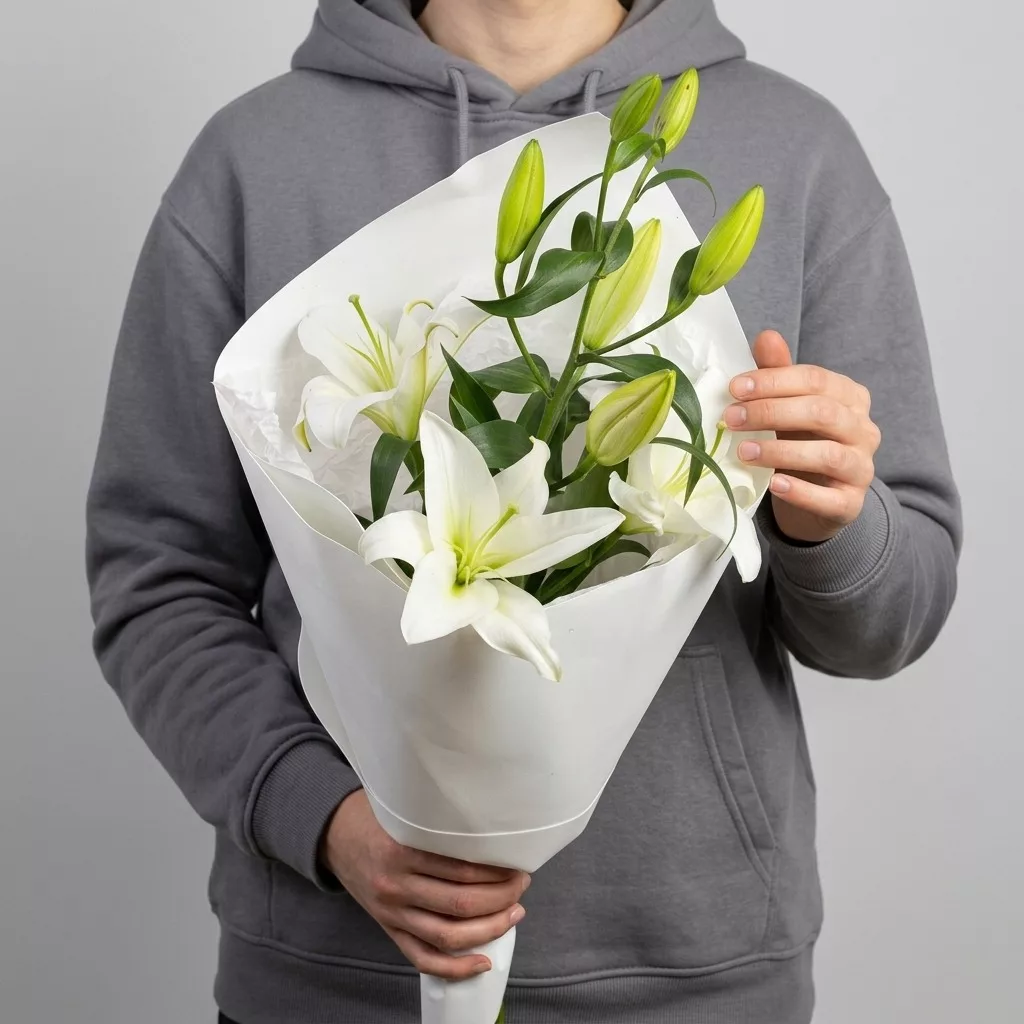
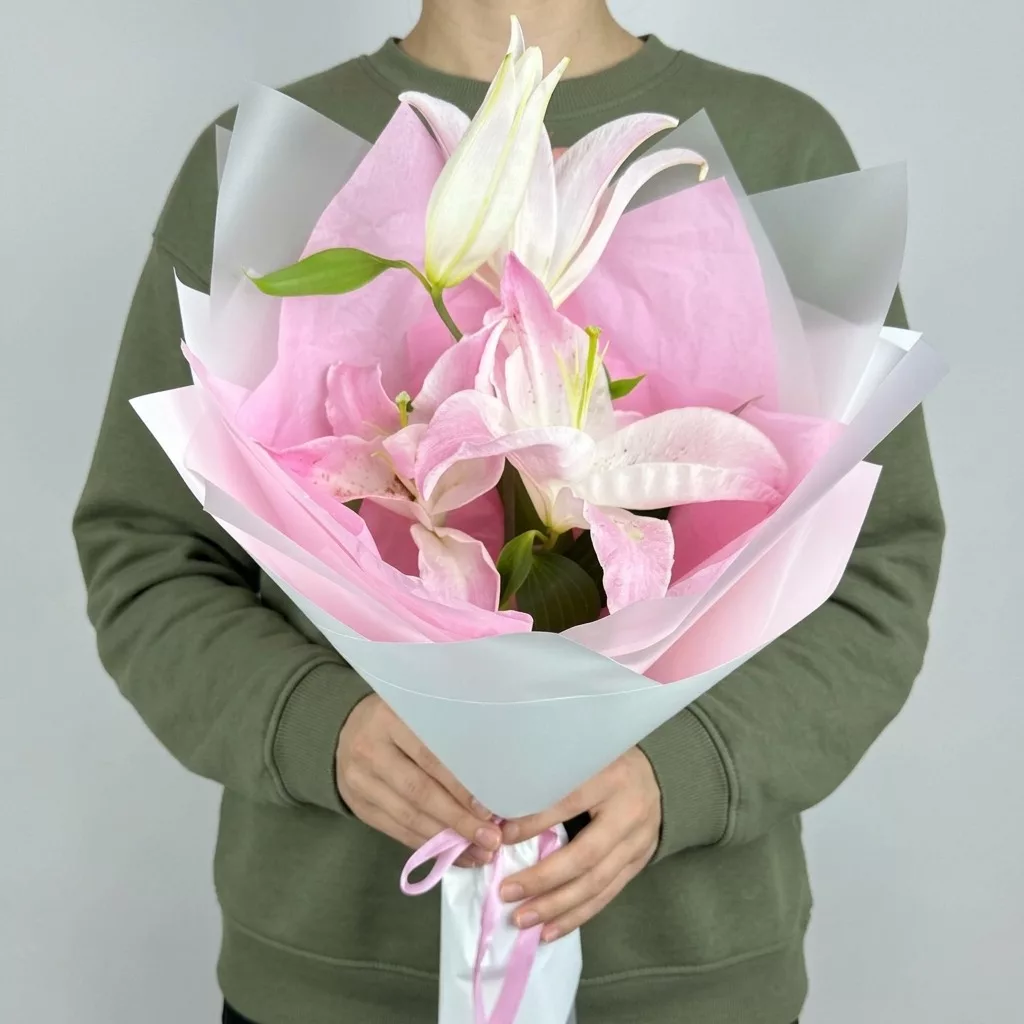
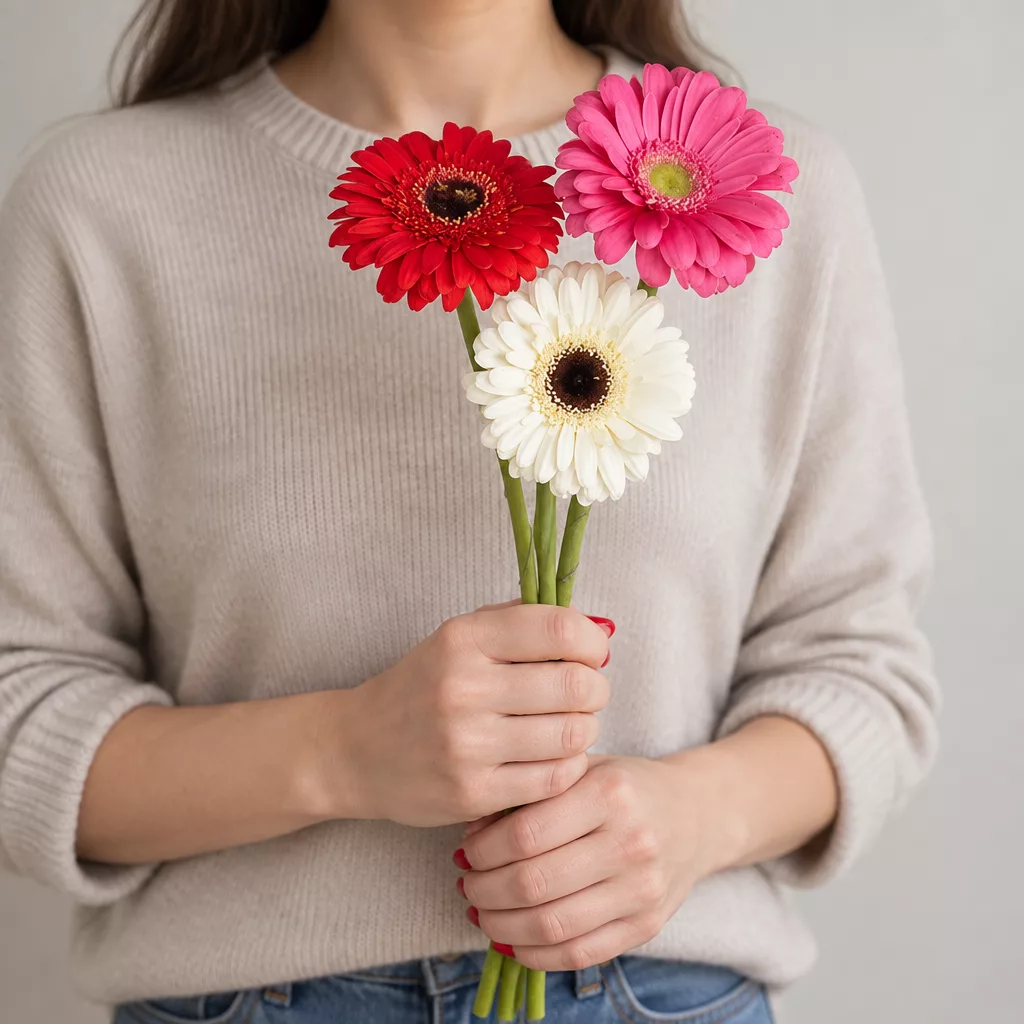
Bouquets we can deliver

The Intercom System and How to Navigate It
Once the courier reaches the correct entrance, the next obstacle is the intercom panel mounted beside the door. Almost every modern apartment building in Russia uses a coded entry system, and the intercom is how a visitor calls up to a specific flat. The panel typically has a numeric keypad and a call button. The courier dials the apartment number, the resident's phone or indoor unit rings, and they buzz the door open remotely. Simple in theory, and usually smooth in practice — provided the intercom is working.
Intercom panels vary by building age and management company. Some are sleek digital units with a camera; others are older analogue boxes where buttons stick or numbers have worn away. A few buildings have replaced intercoms entirely with magnetic key fobs, which means nobody can enter without one. If your recipient lives in a building like this, it is worth mentioning in the delivery notes so the courier can call ahead rather than standing outside in January with a bouquet of tulips slowly feeling the cold.
The most helpful thing you can do is include the intercom code in your order notes if the building has one. Many buildings use a door code that bypasses the individual apartment call — a short sequence entered on the keypad that unlocks the entrance directly. Residents often share this code freely because it makes receiving deliveries so much easier. Ask your recipient for it when you place the order, or let us know that they are happy to be called on the phone the moment the courier arrives. Either approach works well and keeps everything moving.
Entry Codes, Door Locks, and What to Include in Your Notes
The entry code field in a delivery form might look like a minor detail, but it is one of the most important pieces of information you can provide. A correct entry code means the courier walks straight in, takes the lift, and is at the door within minutes. A missing code means a phone call, a wait, and sometimes a second attempt if the recipient is in the shower or has their phone on silent. When flowers are involved — especially delicate varieties like garden roses, ranunculus, or sweet peas — every unnecessary delay matters.
Entry codes in Russian buildings are usually four to six digits long and are entered on the intercom keypad before pressing the call button, or sometimes after a short tone. If you are unsure of the exact sequence, write what you know and add a note that the recipient is happy to be called. Our couriers are experienced with this and will always try the code first, then call if it does not work. Clear communication in the notes removes almost all of the uncertainty.
Beyond the entry code, it helps to mention anything unusual about the building layout. Some buildings have a second inner door after the first, especially in older housing stock from the Soviet era. Some have a concierge or security desk in the lobby — a prikhozhy or konsyerzh — who will sign for the delivery or call the resident on your behalf. If your recipient's building has a concierge, note it. It actually makes delivery smoother, since the concierge knows every resident and can direct the courier instantly. Include their name if you know it; it adds a personal touch that residents always appreciate.
Floors, Lifts, and Getting to the Right Door
Russian apartment buildings range from five-storey khrushchyovki — the compact panel buildings constructed in the 1950s and 1960s — to modern twenty-five-storey towers. The older five-storey buildings have no lift by design, which means the courier carries the bouquet up by foot. A hand-tied arrangement of sunflowers, eucalyptus, and lisianthus is not especially heavy, but a large presentation box or a tall vase arrangement requires a bit more care on the stairs. Noting the floor number helps the courier prepare.
In taller buildings, the lift is usually reliable, but not always large. A grand arrangement in a tall cylindrical vase needs to be carried upright, and a small lift shared with a pram or a bicycle can make that tricky. If the recipient has ordered something particularly tall or wide, it is worth mentioning so the courier can plan the approach. Our team handles elaborate arrangements regularly and knows how to transport them safely, but a heads-up is always welcome.
Floor numbering in Russia starts at the first floor at ground level, the same as in most of continental Europe. So if your recipient is on the third floor, that is two flights above street level — not three, as it would be in the American system. This rarely causes confusion for our couriers, but if you are relaying instructions from someone who learned the address in English, double-check that the floor number matches the Russian convention. The apartment door itself usually has the flat number on it, which is the final confirmation that the courier has arrived in exactly the right place.
Timing the Delivery Around Real Life in the Building
One of the most overlooked aspects of flower delivery to an apartment is timing. A bouquet of white peonies or blush spray roses has the most impact when it arrives as a genuine surprise — not when the recipient is rushing out the door, not when they are putting a child to bed, and ideally not when they are expecting it. This is where a little coordination makes all the difference.
If you are sending flowers as a surprise, think about the recipient's daily rhythm. Morning deliveries work well for people who work from home or have a slow start to their day. Early evening, between six and eight, tends to catch most people at home and in a relaxed mood. Midday can be hit or miss depending on whether the person commutes. Our delivery window of one to two hours means you can choose a slot that fits the occasion rather than just the logistics.
For celebrations like birthdays or anniversaries, many people prefer the flowers to arrive before the main event — before a dinner out, before guests arrive, before the day gets busy. A fresh arrangement of garden roses, stocks, and green bells waiting on the table when friends walk in sets the atmosphere immediately. If the occasion has a specific time attached to it, place the order with enough lead time to choose a delivery window that lands an hour or two before things begin. Flowers that arrive at exactly the right moment feel intentional in a way that makes the gesture land much more deeply than a beautiful bouquet delivered at the wrong time.
Keeping Flowers Fresh From Our Door to Theirs
Freshness is everything, and the journey from our studio to an apartment door involves a few variables worth thinking about. In summer, Saint Petersburg can reach temperatures where cut flowers — particularly delicate varieties like anemones, sweet peas, and garden roses — begin to show stress within an hour if left in a warm car or a sun-exposed entrance hall. In winter, the opposite problem applies: a sudden drop from a heated interior to minus fifteen degrees can bruise petals and shock stems, particularly for tropical varieties like anthurium or orchids.
Our couriers use insulated bags and temperature-aware packaging to protect arrangements during transit, but the last few minutes matter too. If the recipient is not home and the flowers need to be left with a neighbour or a concierge, make sure there is a plan for them to be moved to a cool, shaded spot quickly. A draughty entrance hall in January is not a safe place for a bouquet of tulips, even for thirty minutes.
Once the flowers are inside the apartment, a few simple steps extend their life significantly. Stems should be cut at an angle under running water before going into a clean vase. Tap water at room temperature works well for most varieties. Flowers prefer to be away from radiators, which are very common in Russian apartments and run hot throughout the heating season. A windowsill away from direct afternoon sun and direct heat is usually ideal. Change the water every two days and remove any leaves that sit below the waterline. Done consistently, these steps add three to five days of vase life to almost any arrangement.
Sending flowers to a Russian apartment building is genuinely straightforward once you know what information matters. The entrance number, the intercom code, the floor, and a sensible delivery window cover almost every situation. The rest — the choice of flowers, the combination of textures and colours, the way the arrangement will look on a kitchen table or a windowsill — is where the real joy lives. Get the practical details right, and the emotional part takes care of itself.
Frequently asked questions
What happens if the intercom is broken or the entry code does not work?
Our courier will call the recipient directly using the phone number on the order. This is the most common backup and works smoothly in almost every case. If you know in advance that the intercom is unreliable, simply note it in the order comments and we will plan to call ahead rather than attempt the code first.
Do I need to provide both the entrance number and the apartment number?
Yes, ideally both. The apartment number alone tells us which flat, but in a building with multiple entrances the courier needs to know which door to approach first. If you are unsure of the entrance number, the recipient will know it immediately — it takes one quick message to confirm and saves real time on delivery day.
Can flowers be left with a neighbour or a concierge if the recipient is not home?
Yes, and it works well in buildings that have a concierge. Simply note this preference in your order and provide a neighbour's flat number or confirm that a concierge is on duty. We will always leave a note so the recipient knows exactly where their flowers are and who has them.
How do I ensure the flowers stay fresh in cold winter weather during delivery?
We use insulated packaging suited to seasonal temperatures. For particularly cold days, tropical and thin-petalled varieties are wrapped with extra protection. Once inside, keep the flowers away from exterior doors and draughty hallways. Moving them into a warm room promptly after delivery makes a significant difference to how they settle and open.
Is there a best time of day to schedule a flower delivery to an apartment?
Early evening between six and eight tends to work well for most recipients, as people are generally home and relaxed. For birthday or anniversary surprises, an hour or two before a planned dinner or gathering creates the best atmosphere. Morning slots suit recipients who work from home. Choosing a window that matches the recipient's routine makes the moment feel genuinely considered.
Ready to send flowers?
Pick the city, choose the bouquet, and a local florist takes it from there.
Choose a city →