How to Deliver Flowers to a School or University in Russia
Imagine the look on a student's face when a courier appears at the door of their lecture hall carrying a bouquet of garden roses and eucalyptus. It happens — and when it is coordinated well, it feels like the most natural thing in the world. Educational institutions in Russia have their own rhythms, their own gates, and their own unwritten rules. This guide walks you through every step, so the flowers arrive fresh, on time, and in exactly the right hands.
Understanding How Russian Schools and Universities Handle Visitors
Most Russian schools and universities operate behind a controlled entrance. There is usually a security post — called a prokhódnaya or a post okhrany — staffed by a guard who logs all visitors and deliveries. This is not bureaucracy for its own sake; it is simply how buildings have been managed for decades, and the staff take it seriously. A courier who shows up unannounced, carrying a large wrapped bouquet, will be stopped at the door.
The guard will ask for the name of the recipient, the name of the sender, and sometimes a contact phone number. If you have provided that information in your order notes, our courier can answer every question calmly and the handover takes two or three minutes. If the information is missing, the guard may refuse entry or ask the recipient to come down to the gate — which can feel awkward during a lecture or exam.
Universities tend to be slightly more relaxed than schools, particularly large state universities with multiple buildings and open courtyards. Schools for children under eighteen apply stricter rules, and rightly so. When you place your order, note the type of institution clearly. That single detail shapes how our courier approaches the entrance and how quickly the flowers reach the person you are thinking of.
Bouquets we can deliver

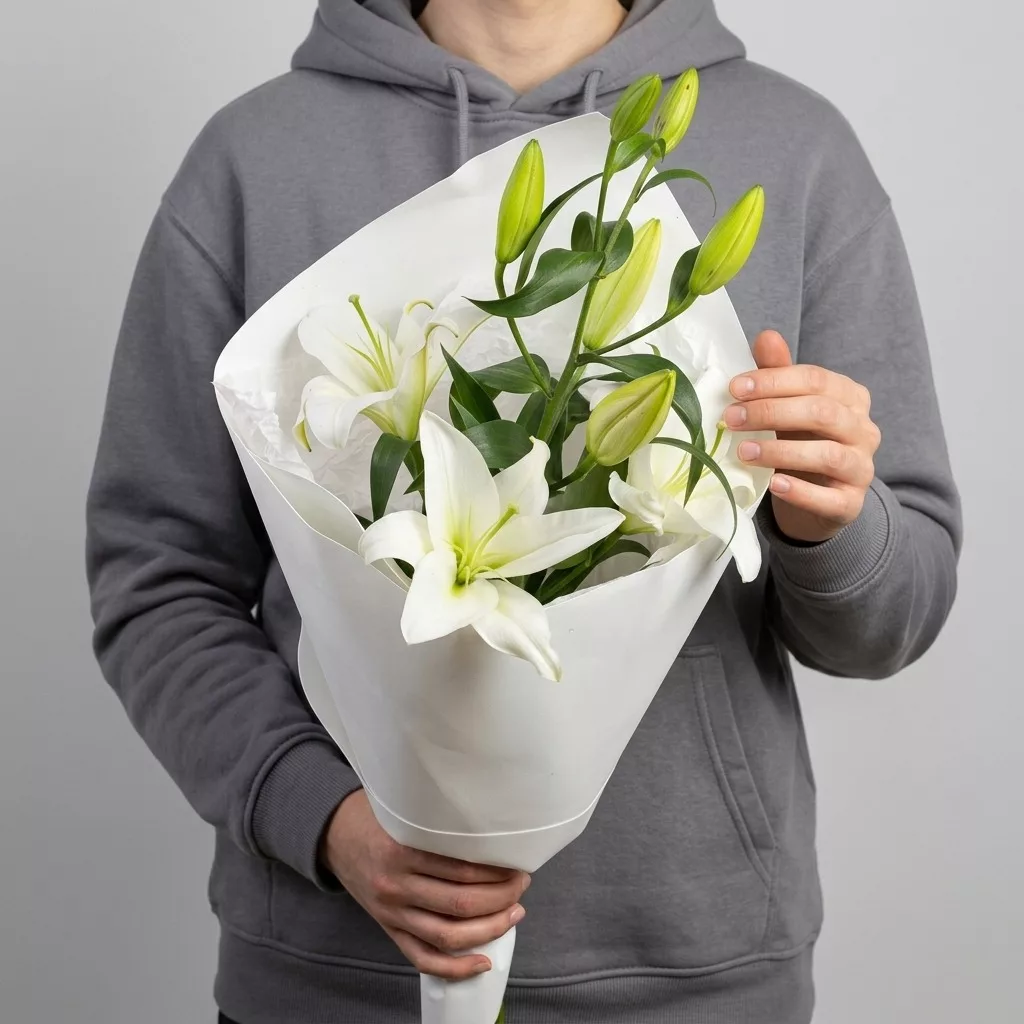
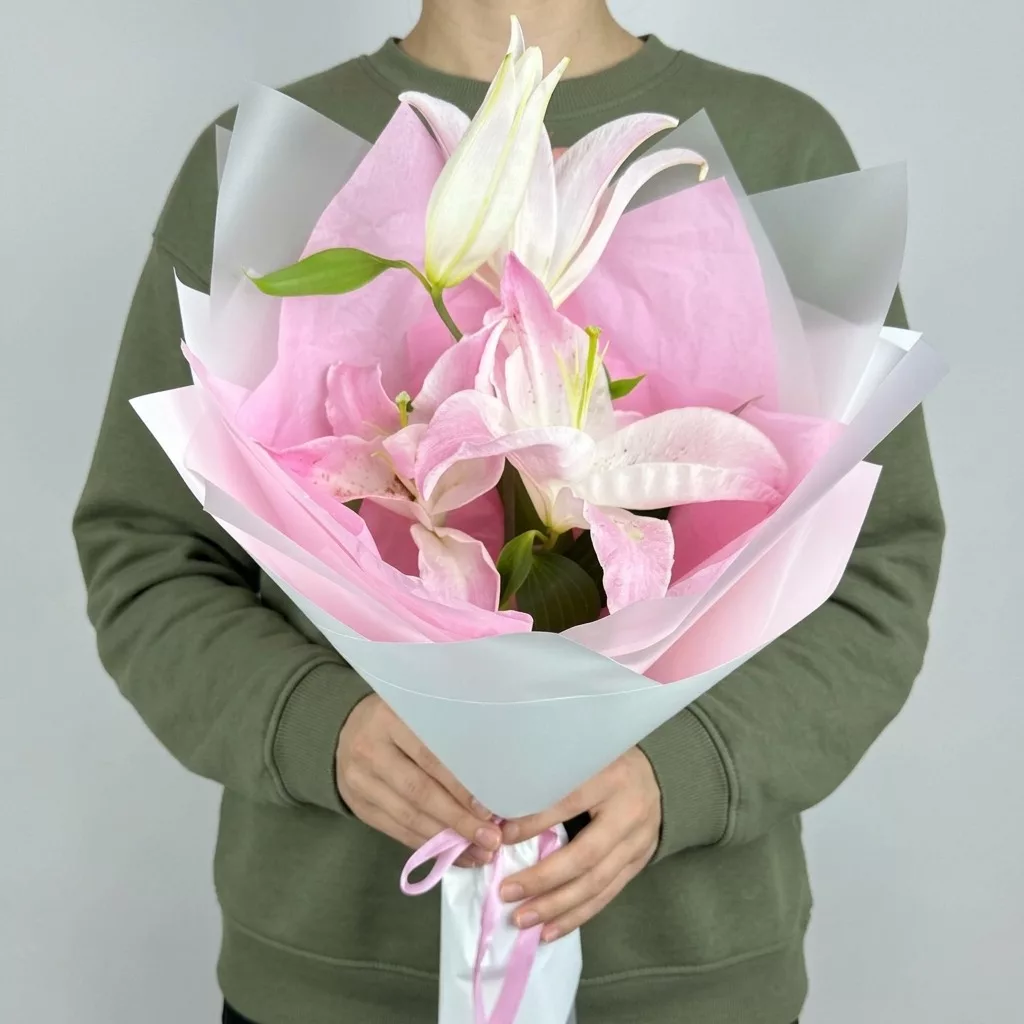

Timing Your Delivery Around Classes and the School Day
The Russian school day typically runs from eight in the morning until two or three in the afternoon, with lessons in forty-five-minute blocks and short breaks of ten to fifteen minutes between them. University schedules vary more widely — a student might have a single lecture at nine and then nothing until two — but most academic activity clusters between nine and six on weekdays.
The best windows for delivery are the longer breaks. In schools, the main break, sometimes called the bolshaya peremena, usually falls around eleven in the morning and lasts twenty to thirty minutes. This is when a recipient can come to the entrance, accept the bouquet, and return to class without missing anything. At universities, the gap between morning and afternoon sessions — roughly one to two in the afternoon — works well for most faculties.
Avoid delivery during the first lesson of the day. Teachers are settling the class, attendance is being taken, and any interruption creates friction. The last lesson of the day carries its own risk: if the recipient leaves by a different exit or is kept late, the courier waits. For Teacher's Day on the fifth of October and the last school bell celebrations in late May, we recommend booking your delivery slot at least twenty-four hours ahead. Those dates see a surge in bouquets going to the same addresses, and an early slot guarantees your arrangement arrives while the celebration is still at its peak.
What to Write in the Address and Recipient Fields
The address field needs to be precise. For a school, include the full street address, the building number, and — if the campus has more than one entrance — which entrance the courier should use. For a university with multiple buildings, add the korpus number or the faculty name. Writing simply 'Moscow State University' is not enough; the campus covers several square kilometres.
In the recipient field, write the full name of the person receiving the flowers. For a teacher or professor, include their title and the subject they teach: 'Irina Nikolaevna Sorokina, mathematics teacher.' Guards and administrative staff recognise teachers by name and subject, and this combination gets the bouquet moving faster than a name alone.
For a student recipient, add their year and group number if you know it, or the name of their faculty. Something like 'Anastasia Volkova, second year, Faculty of Law' gives the security post enough information to make a quick call and confirm the person is on site.
In the order notes, leave a working phone number for the recipient. Our courier will send a message a few minutes before arrival so the person can come to the gate or inform the guard. This one step eliminates almost every delivery complication we encounter at educational institutions. If the recipient is meant to be surprised, leave a number for a friend or classmate who can quietly coordinate the handover without spoiling the moment.
Choosing Flowers That Survive the Journey and the Classroom
A bouquet going to a school or university will spend time in a bag, then on a desk, then possibly on public transport on the way home. The arrangement needs to hold its shape through all of that. Spray roses, alstroemeria, and chrysanthemums are reliable choices — they do not bruise easily and they keep their colour without water for three to four hours at indoor temperatures. Lisianthus adds a soft, layered look that photographs beautifully and lasts well.
Avoid open garden roses with very large heads if the weather is warm. Above twenty degrees Celsius, a fully open rose loses its petals quickly, and a bouquet that looked lush at eleven in the morning can look tired by three in the afternoon. If roses are important to you, ask for buds at the three-quarter-open stage — they will fully open by the time the recipient gets home, which is its own small pleasure.
For teachers, a structured hand-tied bouquet in a kraft wrap is the classic choice in Russia. It is easy to carry, it fits in a vase without recutting, and it looks intentional rather than improvised. For students celebrating a birthday or an exam result, something with more colour and movement — mixed seasonal flowers with a few stems of waxflower or statice for texture — tends to feel more personal and celebratory. Greenery like ruscus or pittosporum adds volume without adding weight, which matters when someone has a bag full of textbooks.
Teacher's Day and End-of-Year Celebrations: What to Expect
Teacher's Day falls on the fifth of October every year in Russia. It is one of the busiest single days in the Russian flower calendar, comparable in volume to International Women's Day on the eighth of March. Every classroom in every school across the country receives flowers, and the sheer number of bouquets moving through school corridors that morning is something to plan around rather than ignore.
On Teacher's Day, schools are prepared for deliveries. Many set up a dedicated collection point near the entrance so that couriers do not need to navigate the building. Guards are usually briefed. The practical advice is to book your slot before ten in the morning, because by midday the school day is winding toward its end and some teachers begin leaving early.
The last school bell — posledniy zvonok — in late May is the other major occasion. This is a graduation ceremony for eleventh-graders, the equivalent of a school-leaving celebration. Families send flowers to students and to beloved teachers. The atmosphere is festive and slightly chaotic, with music and speeches on the school grounds. Deliveries on this day work best when timed to arrive before the ceremony begins, typically between nine and ten in the morning, rather than during it.
For both occasions, white and yellow flowers are traditional choices that feel celebratory without being overly formal. Tulips in spring, chrysanthemums in autumn — both are deeply associated with these moments in Russian school culture and will be recognised immediately for what they mean.
Keeping the Bouquet Fresh from Our Door to Theirs
We condition every stem before it leaves our workroom: fresh cuts at an angle, foliage stripped below the waterline, and the flowers held in cool water until the moment of wrapping. The wrapping itself matters for transit — a good kraft or linen wrap traps a small amount of humidity around the stems and insulates the heads from direct sun through a car window.
In summer, when Saint Petersburg temperatures can reach twenty-five to thirty degrees Celsius, we add a water-retaining gel pad to bouquets travelling more than thirty minutes. This is especially relevant for deliveries to universities on the outskirts of the city. The gel pad keeps the stem ends moist without leaking onto the wrapping or the courier's bag.
Once the flowers arrive, the recipient should ideally trim the stems by one to two centimetres at an angle and place them in a clean vase with fresh, cool water. This sounds obvious, but it is worth including in a small care note attached to the bouquet — particularly if the recipient is a student who may never have kept cut flowers before. Changing the water every two days and keeping the vase away from direct sunlight and radiators will extend the life of most arrangements by several days.
Spray roses and alstroemeria, handled this way, will last seven to ten days easily. Lisianthus can go two weeks. If the recipient cannot get to a vase immediately — because they are still in class — the kraft wrap acts as a temporary sleeve and the flowers will be fine for two to three hours at room temperature.
Sending flowers to a school or university in Russia is entirely straightforward once you know the rhythm of the place. Give us the full address, the recipient's name with their role or faculty, a contact number, and your preferred delivery window — and we handle everything from there. The flowers leave our workroom fresh, the courier knows how to approach the entrance, and the person you are thinking of gets a moment that interrupts an ordinary Tuesday in the best possible way.
Frequently asked questions
Can you deliver flowers directly to a classroom or office inside the building?
In most cases, our courier delivers to the security post or the main entrance, and a staff member or the recipient collects the bouquet there. Entry into the building itself depends on the institution's rules. If you know the school allows visitors inside, note it in your order comments and we will do our best to coordinate with the guard on arrival.
What if the recipient is in an exam and cannot come to the gate?
Leave us a second contact — a classmate, a parent already on site, or an administrative staff member who can accept the bouquet on their behalf. Our courier will reach out by message before arriving, so there is time to arrange this. We can also hold at the entrance for a short window if the exam is nearly finished.
Is Teacher's Day on the fifth of October really as busy as International Women's Day?
For school deliveries specifically, yes. Almost every student in Russia brings or sends flowers to their teachers on that day, which concentrates enormous volume into a single morning. We recommend booking your slot the evening before to secure the time you want and ensure your arrangement is prepared with the same care as on any other day.
Which flowers are most traditional to give a teacher in Russia?
Chrysanthemums in autumn and tulips in spring are the most recognised choices, deeply embedded in Russian school culture. Roses are always appreciated. A structured hand-tied bouquet in neutral wrapping — kraft or linen — is the standard presentation for a teacher, conveying respect without being overly showy. Bright mixed arrangements suit younger teachers and more informal occasions.
How long will the bouquet stay fresh if the recipient cannot put it in water straight away?
A well-conditioned bouquet in kraft wrapping will hold comfortably for two to three hours at normal indoor temperatures without water. Spray roses, alstroemeria, and chrysanthemums are the most forgiving. In warm weather above twenty-five degrees, we add a moisture pad to longer deliveries. Once the recipient trims the stems and places them in fresh water, the flowers should last seven to ten days.
Ready to send flowers?
Pick the city, choose the bouquet, and a local florist takes it from there.
Choose a city →