Do flowers rot? How to recognise decay and care for your bouquet
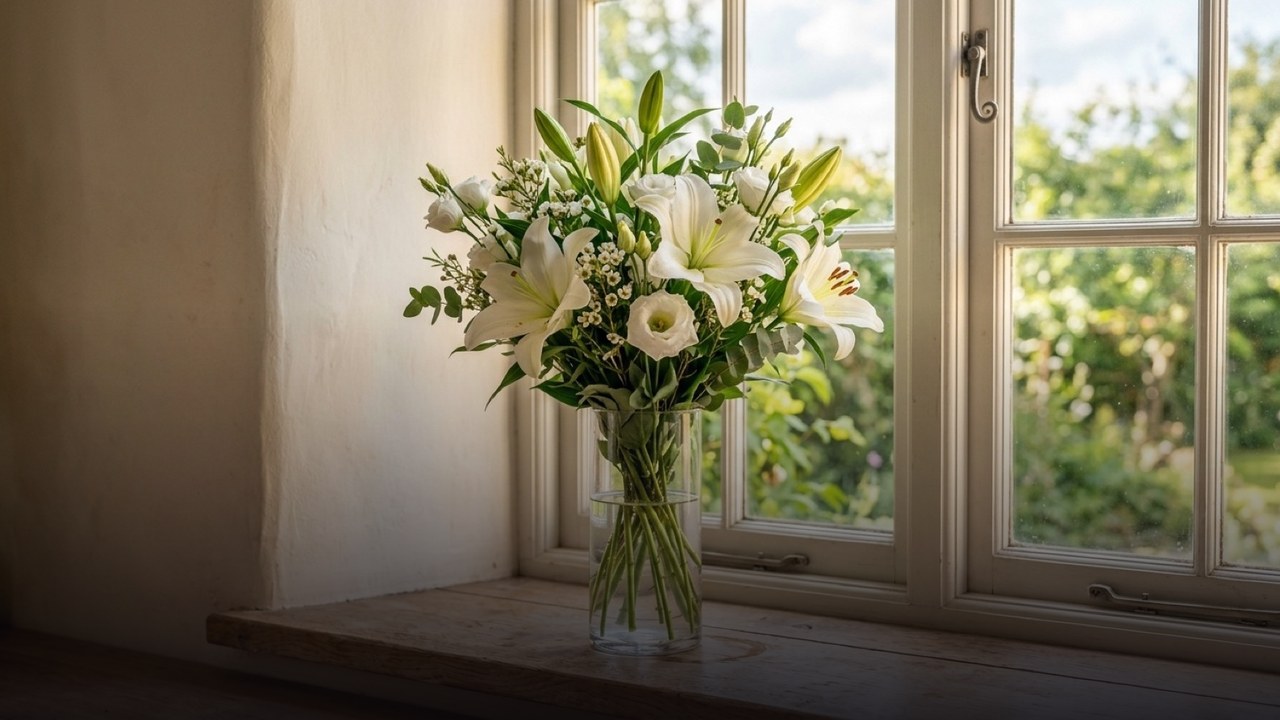
Yes, flowers rot: their petals, leaves and stems eventually decompose, including after they have been cut and placed in a vase. Soft, slimy tissue and an unpleasant smell suggest decay, while drooping alone may mean the flowers need water. You cannot restore tissue that has rotted, but removing affected stems and cleaning the vase can help protect flowers that are still sound.
The useful question is whether your bouquet is simply ageing, struggling to take up water or actively decaying. Those situations can look similar at first, yet they need different responses. Start by checking the water, the submerged stems and the bases of the flower heads before deciding what to trim, keep or discard.
How to tell rot from ordinary wilting
Look below the waterline first. A rotting stem may feel slippery, turn unusually soft or collapse when you handle it gently. Leaves left underwater can become translucent and mushy, and the water may develop a sour or stale smell. Cloudiness is a reason to change the water and inspect the bouquet, although it does not prove that every stem has rotted.
Wilting often looks different: petals lose firmness, leaves hang down and a flower head may bend while the stem remains firm. This can happen when water uptake does not keep pace with water loss. A clean cut and fresh water may help a dehydrated flower, but they cannot reverse mushy tissue. Check texture as well as appearance before making a decision.
Brown edges are another clue that needs context. Dry, papery petal edges can reflect ageing or drying, whereas soft brown patches, especially where petals touch, are more concerning for decay. Visible fuzzy growth is a reason to remove the affected flower promptly. Avoid shaking it over the remaining bouquet, and wash your hands and tools afterwards.
Why cut flowers start to decay
Cut flowers remain living plant material for a time, but their tissues gradually deteriorate. Microorganisms can multiply in vase water and on damaged plant surfaces, contributing to decay and interfering with water uptake. This is why a bouquet can wilt above the vase while its submerged stems become slimy: dehydration and decay can occur together.
Submerged foliage creates an avoidable problem. Leaves that sit in the water break down and add organic matter to the vase, making cleanliness harder to maintain. Remove foliage below the intended waterline before arranging your flowers. Keep healthy leaves higher on the stems, and do not strip a stem so aggressively that you tear its surface.
Conditions around the bouquet matter too. Direct sun, radiators and hot appliances can increase water loss, while petals kept wet or tightly pressed together may be more vulnerable to decay. Choose a place with comfortable room conditions and some space around the flowers. Avoid routinely misting the flower heads, particularly if moisture remains trapped between their petals.
Bouquets we can deliver




What to do when the vase smells or the stems feel slimy
Take the bouquet out of the vase and separate any stems with mushy sections, visibly decaying flower heads or mould. Discard those that are extensively affected. If only the cut end is deteriorating, you can try cutting back to firm, clean tissue with a sharp, clean tool. If softness extends up the stem, trimming the tip is unlikely to solve the problem.
Empty the vase and wash it thoroughly with washing-up liquid and a brush that reaches the bottom. Remove the slippery film from the walls, then rinse well before refilling. Simply topping up foul water leaves the accumulated material in place. Clean your cutting tool too, especially after it has touched a decaying stem, before using it on healthy flowers.
Rinse the remaining stem ends gently, remove loose plant debris and make fresh cuts before returning the sound flowers to clean water. Add cut-flower food according to its packet instructions if you have it. Check the bouquet again later that day: persistent softness, renewed odour or spreading damage means further affected material needs to come out.
A care routine that reduces avoidable decay
Begin with a clean vase large enough to hold the stems without crushing them. Use fresh water and keep all remaining foliage above its surface. Make a fresh cut with a sharp tool rather than crushing the ends with blunt scissors. Different flowers have different care needs, so follow any flower-specific instructions supplied with your bouquet.
Check the water level every day; a bouquet can drink more than you expect. Replace water promptly if it becomes cloudy, smells unpleasant or contains fallen leaves and petals, and clean the vase when changing it. Between full changes, replenish water as needed so the cut ends stay submerged. Do not wait for a strong smell before inspecting the stems.
Use flower food at the stated dilution rather than adding extra in the hope of extending vase life. Plain sugar is not a substitute for a formulated product, and improvised mixtures can create new problems. Avoid adding household cleaners to the vase or mixing cleaning products. Careful cleaning, suitable water levels and timely removal of damaged material are more useful habits.
When to keep a flower, dry it or let it go
Assess stems individually instead of throwing away the whole arrangement because one flower has faded. A firm stem with an ageing bloom may still look attractive in a smaller vase after nearby damaged material is removed. Give retained flowers fresh water and enough room to avoid pressing fragile petals together. Do not combine visibly decaying stems with a fresh bouquet.
If you want to dry flowers as a keepsake, start while they are still structurally sound. Drying is not a way to rescue slimy stems or mouldy petals. Suitability varies by flower, but small, loosely spaced bunches hung in a dry, ventilated place can work for some types. Check them during drying and discard any material that develops mould or an unpleasant smell.
A meaningful gift does not need to stay in its vase once it has deteriorated. Photographing the bouquet and keeping the message card can preserve the memory without keeping decaying plant material. Where your local collection accepts them, untreated flowers may go into garden waste or compost; remove ribbons, wire, wrapping and any floral foam first.
Sending flowers to Russia: plan for the recipient's day
When sending a bouquet from abroad, choose a delivery time when the recipient can receive it and put the stems in water. Turboflora delivers flowers across Russia; city delivery costs 500 RUB, while an operator confirms the price for remote districts and suburbs when confirming the order. Browse the Bouquets catalogue with the occasion and the recipient's preferences in mind.
Express delivery in large cities is available 1–2 hours after order confirmation. Other options include an exact time with a margin of plus or minus 30 minutes, delivery windows of 09–12, 12–15, 15–18 or 18–21, and pre-orders 1–30 days ahead. You can use WhatsApp to get help choosing a bouquet and agree the time, address and card text, or request a photo of the bouquet before delivery.
Delivery is anonymous by default: the courier does not name the sender, and a card with your text is free. If you want the recipient to know who sent the flowers, sign your message. The courier calls about 15 minutes before arrival. If the recipient is absent, we agree a second delivery the same day or, with the sender's consent, handing the flowers to a neighbour or concierge.
For a recipient who may be busy, a short card message such as 'Please put these in fresh water when you have a moment' offers useful care advice without making the gift feel demanding. Review Delivery and payment when arranging the order. Online checkout uses CloudPayments; check the options displayed there, as acceptance of every foreign card cannot be guaranteed.
Frequently asked questions
Do flowers rot even when they are in water?
Yes. Water supports cut flowers, but their tissues still age and can decay, especially when submerged leaves and plant debris accumulate. Fresh water and a clean vase help reduce avoidable deterioration.
Can I save flowers with slimy stems?
Sometimes, if the damage is limited to the cut ends and you can trim back to firm tissue. Remove extensively soft or mouldy stems, clean the vase and return only sound flowers to fresh water.
Does a bad smell mean the whole bouquet is rotten?
No: the smell may come from deteriorating leaves, dirty water or a few affected stems. Remove the bouquet, inspect each stem and clean the vase before deciding which flowers to keep.
How long does it take flowers to rot?
There is no single timetable: flower type, condition and vase care all affect deterioration. Judge the bouquet by changes in texture, smell and visible growth rather than expecting every stem to last the same number of days.
Should I spray water on flowers to stop them rotting?
Spraying does not stop rot, and moisture trapped between petals may encourage decay. Focus on clean vase water, submerged cut ends and keeping leaves out of the water.
Ready to send flowers?
Pick the city, choose the bouquet, and a local florist takes it from there.
Choose a city →