Eastern European Flowers: What to Choose and How to Give Them
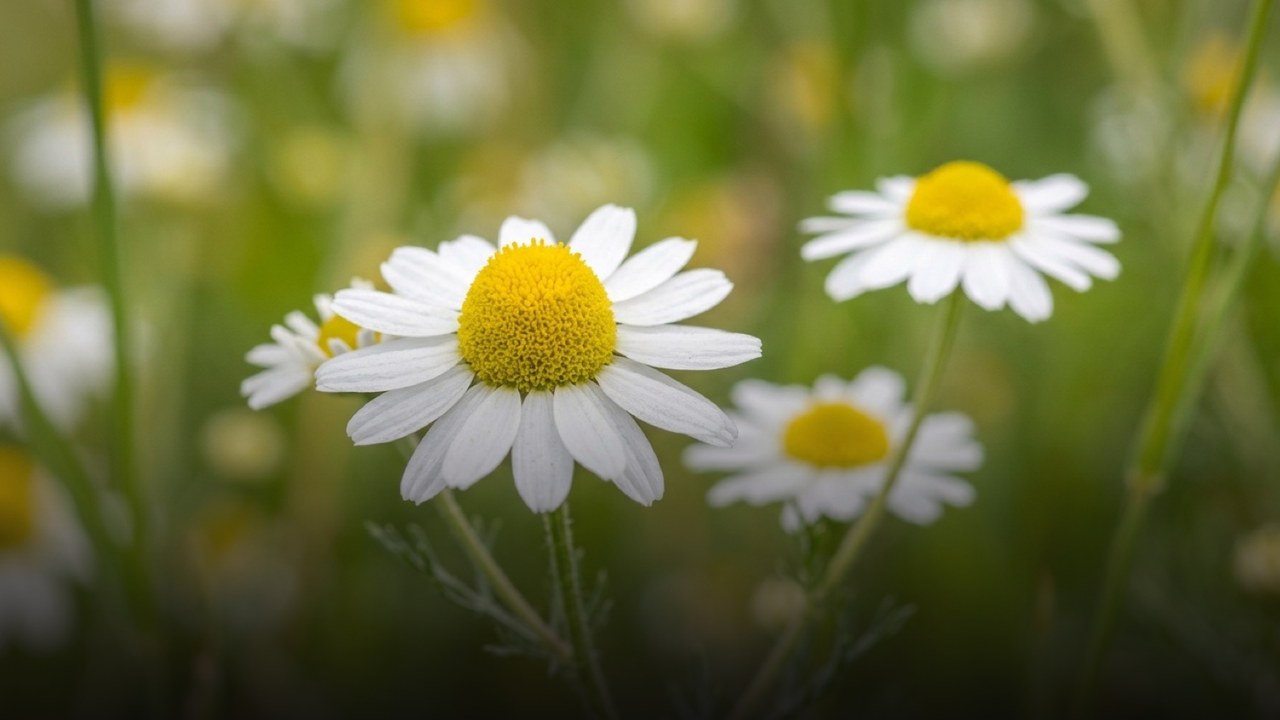
Eastern European flowers can mean the plants growing in the region or the flowers people choose for gifts: roses, tulips, peonies, chrysanthemums and carnations are familiar examples of the latter. There is no single Eastern European bouquet style, and these cultivated flowers are not all native to the region. If you are choosing a gift, the recipient’s taste, the occasion and the customs of their country are more useful guides than a supposed regional flower language.
For someone sending flowers from abroad, the practical questions are often quite specific: should the bouquet contain an odd number of stems, are yellow flowers appropriate, and what happens if the recipient is away? This guide separates useful etiquette from rigid symbolism, explains how to choose and care for familiar flowers, and sets out the details you need when arranging a delivery in Russia.
What counts as an Eastern European flower?
Start by distinguishing a garden plant from a cut flower. A search for Eastern European flowers might lead you to meadow species, woodland plants or cultivated garden favourites, but these are different categories. A flower associated with a country through gardens, poetry or family memories is not necessarily native there. If you need a native plant for a garden, check its botanical name and documented distribution rather than relying on a bouquet label.
For a gift, think in terms of shape and character. Roses give a bouquet a clear focal point; tulips have flexible stems and a looser outline; peonies create rounded, layered volume. Chrysanthemums can add fullness or a branching structure, depending on the variety. These differences help you choose a look without pretending that any one flower represents an entire region.
Personal associations are often the strongest guide. Someone may love carnations because they remember a family garden, while another person prefers a simple bunch of tulips to a formal arrangement. If you have little information, look for clues in the colours they wear or the flowers they have enjoyed before. A restrained palette is easier to choose deliberately than a mixture selected only because every stem has an alleged meaning.
Flower numbers, colours and gift etiquette
In Russia, an odd number of flowers is the usual choice for a celebratory gift, while an even number is associated with mourning. This matters most when the stems are visibly countable, such as a small bunch of roses or carnations. For a mixed arrangement, explain that it is a birthday, romantic or thank-you gift so the occasion is clear. Avoid applying this convention automatically to every country in Eastern Europe.
Colours need similar care. Red roses commonly suggest romance, but yellow flowers do not have one universal meaning: one recipient may associate them with separation, another with sunshine or friendship. White can feel elegant and celebratory, yet it also appears in remembrance arrangements. When a recipient’s preferences are known, use those preferences; when they are not, consider the occasion and the whole bouquet.
Carnations and chrysanthemums also carry different associations between countries and families. Neither should be labelled universally unsuitable for a happy occasion, but a familiar flower can still evoke a memorial for a particular person. If that possibility concerns you, choose a flower you know they like. Add a clear card message: a few sincere words usually communicate your intention more accurately than a complicated code of colours.
Bouquets we can deliver




Choosing flowers for the person and the occasion
For a birthday, begin with the person rather than a rule about age or gender. A compact bouquet may suit someone with limited table space; a more open arrangement may appeal to someone who enjoys arranging stems at home. Consider where the flowers will go and whether the recipient has a suitable vase. Size alone does not make a gift more thoughtful, especially if it creates an awkward job on arrival.
For a romantic gift, roses are a familiar option, but they are not compulsory. Tulips or peonies may feel more personal if they are the recipient’s favourites. For a colleague, host or relative, choose the tone you want the gift to convey and make it explicit in the card. A warm thank-you message gives context to a bouquet whose colours might otherwise seem ambiguous.
Seasonal associations can help you narrow your choice: tulips readily evoke spring, while peonies suggest late spring and early summer in many gardens. That does not establish what is available for a particular delivery date. Use the bouquets catalogue as your starting point, and ask about the intended date before building the entire gift around one flower. If a particular variety matters, identify it clearly rather than describing it only by colour.
How to keep a cut bouquet in good condition
Prepare a clean vase before arranging the flowers. Remove leaves that would sit below the waterline, then trim the stem ends with a clean, sharp tool so they can take up water. Use fresh water and, if flower food comes with the bouquet, follow its instructions. A crowded vase makes it harder to keep foliage out of the water, so give the stems enough room to sit without being forced together.
Put the vase away from radiators, strong direct sunlight and ripening fruit. Check the water daily, top it up as needed and replace it when it becomes cloudy, cleaning the vase at the same time. Remove fading flowers and any decaying leaves promptly. These simple habits matter more than adding improvised household mixtures, which can be difficult to dose and may harm the flowers.
Different stems will behave differently as the bouquet opens. Tulips may lengthen and bend towards the light, so leave space for their shape to change. Peony buds can open at different rates, and some outer rose petals may look less pristine than the petals beneath them. Judge the bouquet as living material rather than expecting every stem to stay fixed in its arrival position; no single vase-life promise fits every flower and room.
How to arrange flower delivery in Russia from abroad
Turboflora delivers flowers across Russia. To prepare an order, have the recipient’s name, phone number, full delivery address, preferred date and card text ready. Check the city as well as the street, particularly when translating or transliterating an address. City delivery costs 500 RUB; for remote districts and suburbs, the operator confirms the delivery price when confirming the order.
Use WhatsApp to get help choosing a bouquet and agree the time, address and card text with a manager. You can also arrange a photo of the bouquet before delivery. Describe the details that matter to you, such as a favourite flower or the intended mood, and make sure the final choice fits the recipient and occasion.
Online checkout uses CloudPayments. If you are paying from abroad, check the payment options displayed at checkout rather than assuming that every foreign card will be accepted. Review the delivery and payment details before placing your order, especially when coordinating a gift across time zones. Keep the requested date and time in the recipient’s local time to reduce the chance of a misunderstanding.
Timing, surprise deliveries and the card message
In large cities, express delivery is available within 1–2 hours after the order is confirmed. Other timing options are an exact time with a tolerance of plus or minus 30 minutes, or the windows 09–12, 12–15, 15–18 and 18–21. You can also pre-order 1–30 days ahead. Choose the option around the recipient’s likely movements, and distinguish the time you submit an order from the time it is confirmed.
Delivery is anonymous by default: the courier does not name the sender. A card with your text is free, so sign it if you want the recipient to know who sent the flowers. The courier calls the recipient about 15 minutes before arrival; allow for that contact when planning a surprise. A short message such as “Happy birthday, Lena — thinking of you today. Alex” is warmer and clearer than leaving the recipient to guess.
If the recipient is not there, we agree a second delivery the same day or handing the flowers to a neighbour or concierge with the sender’s consent. Think about which option would be appropriate, particularly for a private or romantic gift. Giving a precise address and choosing a realistic time window makes the handover easier; the surprise can come from the flowers and your words rather than uncertainty about where they should go.
Frequently asked questions
Which flowers are typical of Eastern European bouquets?
Roses, tulips, peonies, carnations and chrysanthemums are familiar choices, though preferences vary by country, family and occasion. Being popular in bouquets does not mean a flower is native to Eastern Europe.
Should I send an odd number of flowers to someone in Russia?
An odd number is the usual convention for celebratory gifts in Russia, especially when individual stems are easy to count. Even numbers are associated with mourning, so make the occasion clear when choosing your bouquet.
Are yellow flowers an inappropriate gift?
They are not universally inappropriate, but personal associations differ. If you do not know how the recipient feels about yellow flowers, choose a colour they already enjoy and use the card to express your intention.
Can I pay for flowers to Russia with a foreign card?
Online checkout uses CloudPayments, and acceptance of every foreign card is not guaranteed. Check the options displayed at checkout before relying on a particular card.
Can I send flowers without revealing my name?
Yes, delivery is anonymous by default and the courier does not name the sender. A card with your text is free, so include your name there only if you want to identify yourself.
Ready to send flowers?
Pick the city, choose the bouquet, and a local florist takes it from there.
Choose a city →