What Are the Major Flowers Grown in Ecuador?
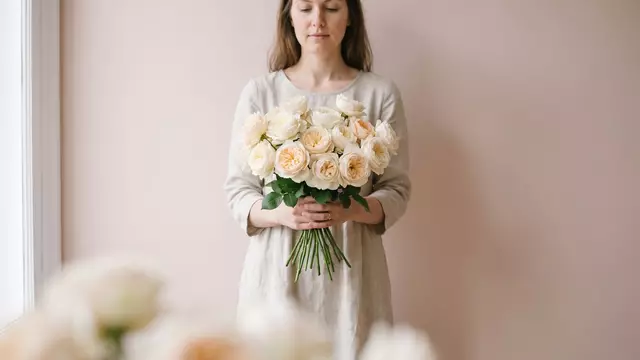
Roses are Ecuador’s best-known commercial cut flowers; other important crops include gypsophila, carnations, chrysanthemums and alstroemeria. Ecuador also grows flowers such as delphiniums, statice and calla lilies, although their commercial prominence varies by grower and region.
For you as a bouquet buyer, the useful distinction is how these flowers behave together: roses provide the main blooms, alstroemeria adds branching colour, and gypsophila or statice creates lighter texture. Understanding those roles helps you choose a bouquet by its shape, message and care needs. A flower’s country of origin alone cannot tell you how fresh an individual stem is.
Why Ecuador is especially associated with roses
Ecuador’s equatorial location and highland growing areas help explain its reputation for roses. Daylight varies relatively little through the year, while elevation creates growing conditions different from those of tropical lowlands. Growers also influence the finished flower through variety selection, greenhouse management and harvesting decisions.
Many Ecuadorian rose varieties are valued for substantial flower heads and long stems. These characteristics suit bouquets with a clear outline, where each rose remains visible. They are not universal traits: bloom size, opening pattern, fragrance and stem length differ between varieties. A large head does not necessarily mean a strong scent or a longer vase life.
When choosing roses, ask about the intended proportions rather than requesting the longest stems automatically. Tall stems make a strong vertical arrangement but need a stable vase and enough room. Shorter stems can produce a fuller, more comfortable bouquet for a dining table. Our guide to Ecuadorian roses explores selection and care in more detail.
The other flowers that give Ecuadorian bouquets variety
Gypsophila, often called baby’s breath, produces branching stems covered with small flowers. It can soften the spaces between roses or form a cloud-like bouquet on its own. Check the overall balance: generous amounts create a soft, hazy outline, while a smaller quantity leaves the main flowers more clearly defined. More filler does not always make a design look better.
Carnations offer ruffled petals and a broad colour range; spray forms carry several smaller flowers on a stem. Chrysanthemums also vary widely, from compact clusters to prominent single blooms. Both can supply volume and texture. Choose by the actual flower form shown or described, because the crop name alone tells you little about the finished arrangement.
Alstroemeria carries several flowers on branching stems, often with markings inside the petals. Statice supplies papery-looking clusters, while delphiniums add upright lines and calla lilies have a sculptural shape. These flowers serve different purposes in a design. Their presence in Ecuadorian production does not establish their availability in a particular bouquet or delivery city.
Bouquets we can deliver




Choose flowers by the occasion and the recipient
For a romantic gift, roses are a familiar choice, but colour and presentation change the message. Red commonly suggests romantic affection; pink can feel gentler and suits appreciation as well as romance. White often conveys simplicity or formality, yet its associations depend on the occasion. The recipient’s preferences are a better guide than a rigid flower-meaning chart.
For a birthday or a thank-you, mixed textures can make the bouquet feel personal without relying on romantic symbolism. Consider whether the recipient likes strong colour, pale shades or a restrained arrangement. If you know they dislike a particular flower, say so when choosing. A preference for carnations or chrysanthemums matters more than a supposed hierarchy of prestigious flowers.
When sending flowers to Russia, an odd number of countable main stems is the customary choice for a celebratory bouquet; even numbers are traditionally associated with mourning. This is especially relevant for a clearly counted bunch of roses. Customs vary with arrangement style and personal background, so explain the occasion if you are unsure. Keep the card message direct and recognisable.
Assess freshness and give the bouquet a good start
Look for firm stems, sound leaves and petals without extensive browning or translucent damage. Rose buds should suit the intended moment: a very tight bud may offer little immediate display, while a fully open flower gives a different effect. Slightly weathered outer guard petals can occur on roses, so judge the whole flower rather than treating one imperfect outer petal as proof of poor condition.
Once the bouquet arrives, use a clean vase and fresh water. Remove wrapping that prevents the stems from sitting properly, and take off leaves that would lie below the waterline. Recut the stem ends with a clean, sharp tool before placing them in water. If flower food is supplied, follow its directions; do not improvise a mixture of household cleaning products.
Check the water daily and replace it when cloudy, cleaning the vase and refreshing stem ends as needed. Keep the bouquet away from radiators, direct sun and ripening fruit. Remove fading flowers and submerged plant material promptly. Mixed bouquets develop at different rates, so you can remove spent stems and rearrange the remaining flowers without discarding the entire display.
Match the bouquet to its vase, room and timing
A long-stem rose bouquet needs more than height: the vase must support the stems without tipping and have an opening that holds the arrangement comfortably. If the vase is too shallow, trim the stems to suit it. Leaving stems excessively long can make the flowers awkward to position and top-heavy. Choose a place where the recipient can enjoy the bouquet without repeatedly moving it.
For a desk or a shared table, a lower arrangement usually fits more easily into daily life. Tall delphinium stems or long roses can suit an open space, but may interrupt sightlines across a small table. If the recipient has limited space, describe that when choosing. The most useful size is one they can display immediately with the vases they already own.
Think about when the flowers should be seen. A bouquet for a dinner needs a pleasing appearance on arrival; one intended to be enjoyed over several days can include blooms at different opening stages. No origin label guarantees a fixed number of days in a vase. Variety, handling, room conditions and the recipient’s care all affect how the flowers develop.
How to arrange a flower delivery to Russia
Turboflora delivers flowers across Russia. Start with the bouquets catalogue, then confirm the flowers, delivery city and recipient’s address. If Ecuadorian origin matters to you, ask whether it can be confirmed for your chosen flowers before ordering. Contact a manager on WhatsApp for help choosing, agreeing the time and card text, or arranging a photo of the bouquet before delivery.
City delivery costs 500 RUB; for remote districts and suburbs, the operator confirms the delivery price when confirming the order. In large cities, express delivery takes 1–2 hours after order confirmation. Other timing options are an exact time within plus or minus 30 minutes, windows of 09–12, 12–15, 15–18 or 18–21, and pre-orders 1–30 days ahead. Agree the timing for the recipient’s city.
Delivery is anonymous by default, and a card with your text is free. The courier calls the recipient about 15 minutes before arrival. If they are absent, we agree a second delivery that day or handover to a neighbour or concierge with your consent. Online checkout uses CloudPayments; check the payment options displayed there, as acceptance of every foreign card is not guaranteed. See delivery and payment details.
Frequently asked questions
What are the major flowers grown in Ecuador?
Roses are Ecuador’s signature commercial cut flower. Other important crops include gypsophila, carnations, chrysanthemums and alstroemeria, alongside flowers such as statice, delphiniums and calla lilies.
Are all Ecuadorian roses large and long-stemmed?
No. Ecuador produces rose varieties with different bloom sizes, stem lengths and opening habits, so you should check the characteristics of the flowers you are choosing.
Does Ecuadorian origin guarantee a longer vase life?
Origin alone cannot guarantee vase life. The variety, freshness, handling and conditions in the recipient’s home all influence how long the flowers remain attractive.
Can I send flowers to Russia without naming myself?
Yes, Turboflora delivery is anonymous by default: the courier does not name the sender. A card with your text is free, so you can choose whether to identify yourself in the message.
Can I pay for a Russian flower delivery with a foreign card?
Online checkout uses CloudPayments, but acceptance of every foreign card is not guaranteed. Check the options displayed at checkout before completing your order.
Ready to send flowers?
Pick the city, choose the bouquet, and a local florist takes it from there.
Choose a city →