How to Help a Tired Flower Recover
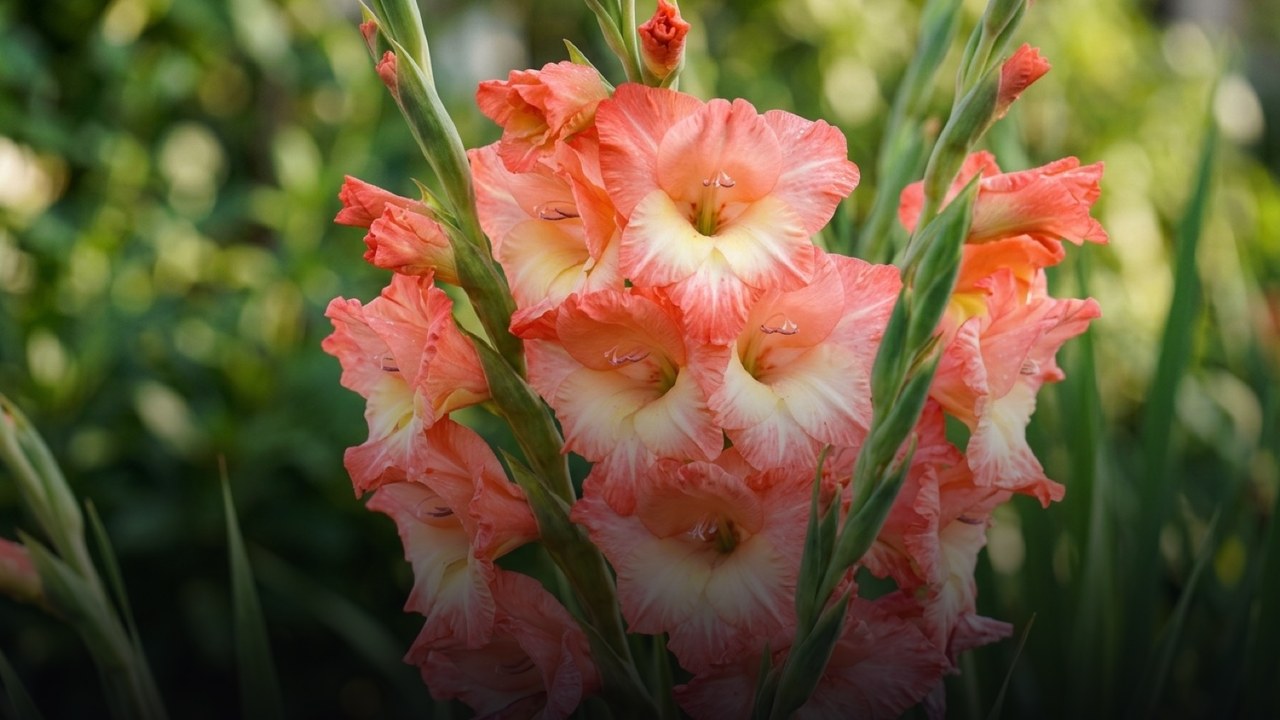
A tired flower usually means a cut bloom that looks droopy, limp or less fresh because it has lost water or is ageing. Start with a clean vase, fresh water and a fresh cut at the base of the stem, then let it rest somewhere cool, away from direct sun. Dehydrated flowers may improve, but damaged or naturally ageing petals will not become fresh again.
The useful question is what has changed: are the leaves limp, is the flower head bent, or are the petals turning brown and falling? These signs need different responses. Whether you are caring for your own bouquet or helping someone in Russia look after a gift you sent, a few careful checks are more useful than trying every flower-revival trick at once.
Read the signs before trying to revive the flower
Look at the whole stem rather than judging one petal. Limp leaves and a soft, drooping flower head can suggest poor water uptake, especially if the vase ran dry. Dry, papery edges, extensive browning and petals that fall with a light touch point more towards ageing or damage. A flower can show both problems, so recovery may be partial.
Check the vase next. Cloudy water, an unpleasant smell or slippery stem ends are reasons to clean it immediately. Leaves sitting below the waterline encourage deterioration and should be removed. If only one stem looks tired while the others remain firm, inspect that stem for a crushed section, a split or a sharp bend that could interrupt its water supply.
Some shapes are normal rather than signs of collapse. Tulips can curve towards the light and change position in a vase; a rose with a sharply hanging head needs closer attention. Slightly marked outer rose petals can also differ from decay spreading through the bloom. Compare the flower with its earlier appearance instead of expecting every stem to stand rigidly upright.
Give the bouquet a clean start
Take the stems out and wash the vase thoroughly with washing-up liquid, then rinse it well. Fill it with fresh, room-temperature water. If you have a sachet of cut-flower food, follow its directions and use the stated amount of water: a concentrated mixture is not a stronger treatment. Without flower food, clean water and regular attention are a sensible starting point.
Use a clean, sharp floral knife or secateurs to remove roughly one to two centimetres from each stem base. Make a neat cut without crushing the stem, and return it promptly to water. Remove any foliage that would be submerged, but keep healthy leaves higher up. If a stem base is soft or decaying, cut back to firm tissue where enough usable stem remains.
Loosen wrapping that prevents you from reaching the stems or checking the water, while taking care not to pull the arrangement apart unnecessarily. Place the vase in a cool room, out of direct sunlight and away from radiators or other heat sources. Give the flowers a few hours of quiet rest before judging the result; avoid repeatedly handling the heads to check their firmness.
Bouquets we can deliver




Adjust your care to the type of flower
For a drooping rose, concentrate first on the stem and water supply. Recut the base, remove submerged leaves and support the stem in a suitably tall vase without wedging the flower head against the rim. A neck that is visibly creased or damaged may not straighten. Removing a damaged outer petal can improve appearance, but stripping healthy petals does not address dehydration.
Hydrangeas deserve close checks because their broad flower heads can lose their firm appearance noticeably. Keep their cut stems supplied with fresh water and check the level rather than assuming yesterday's fill is enough. Tulips need room to move as their stems change position. A vase that supports the lower stems is more useful than trying to force every tulip into a perfectly straight line.
For gerberas and other flowers with easily damaged stems, handle the stem gently and keep the vase especially clean. With lilies, distinguish a spent individual flower from the condition of the whole stem: other buds may still be developing. If cats can access the bouquet, keep true lilies and daylilies out of the home, as these are highly toxic to cats.
Skip harsh revival tricks and recognise the limits
Do not start with boiling water, a freezer or a handful of household additives. Cut flowers differ in how they respond, and an improvised treatment can damage tissue or spoil the vase water. Sugar alone is not a substitute for a correctly prepared commercial flower food. Avoid mixing cleaning products into the water or combining remedies you have found in separate online tips.
Soaking an entire bouquet is also a poor general rule. Petals do not all tolerate prolonged wetting well, and trapped moisture can leave marks or encourage decay. Unless you have reliable instructions for that particular flower, keep your first intervention focused on the vase, the stem ends and the room conditions. Change one thing carefully rather than subjecting the bouquet to several treatments.
Remove individual flowers that are mouldy, badly decayed or shedding heavily, and clean the vase if the water has deteriorated. Brown tissue, broken stems and dried petals cannot be repaired by hydration. If you want a more detailed troubleshooting guide, read why flowers look tired after delivery and how to revive them.
When flowers are a gift for someone who feels tired
If you mean a flower to give someone who is tired, let their preferences guide you before flower symbolism. There is no single universal bloom that means exhaustion or recovery. Choose colours they enjoy and consider whether they have a suitable vase and space for a bouquet. A strongly scented arrangement may be unwelcome to someone who is sensitive to fragrance or feeling unwell.
Keep the message gentle and free of demands. “Thinking of you. No need to reply—just wanted to brighten your day” can feel more considerate than telling someone to cheer up or get well by a particular date. A gift does not need to explain or solve their situation. If it is going to a workplace or a care setting, check that flowers can be received there before arranging delivery.
Timing matters as much as the choice of stems. Someone who is resting may appreciate a delivery window they can plan around, and a bouquet needs attention after arrival. If you are sending flowers to Russia, you can browse the bouquets catalogue with the recipient's taste in mind. A card with your own text is free; adding your name can make the gesture easier to understand.
Arrange delivery to Russia with the recipient's day in mind
Turboflora delivers flowers across Russia. City delivery costs 500 RUB; for remote districts and suburbs, the operator confirms the price when confirming the order. Express delivery in large cities takes 1–2 hours after the order is confirmed. You can also arrange an exact time with a tolerance of 30 minutes, choose 09–12, 12–15, 15–18 or 18–21, or pre-order 1–30 days ahead.
When ordering from abroad, agree the time in the recipient's local time and check the address carefully. Contact a manager on WhatsApp for help choosing the bouquet, agreeing the time, address and card text, and arranging a photo of the bouquet before delivery. Online checkout uses CloudPayments; check the payment options displayed there rather than assuming every foreign card will be accepted.
Delivery is anonymous by default: the courier does not name the sender. The courier calls the recipient about 15 minutes before arrival. If the recipient is absent, we agree a second delivery the same day or handing the flowers to a neighbour or concierge with the sender's consent. Review delivery and payment when planning the gift, and encourage the recipient to put the stems in water promptly.
Frequently asked questions
Can a tired flower become fresh again?
A dehydrated cut flower may regain some firmness after its stem is recut and placed in clean water. Ageing, browned petals and physically damaged tissue will not recover, so judge the result by the flower's condition.
How long should I wait after refreshing a drooping bouquet?
Give it a few hours in a cool place after cleaning the vase, replacing the water and recutting the stems. The response varies by flower and condition; remove decaying stems rather than leaving them with healthy flowers.
Should I add sugar or aspirin to flower water?
Use commercial cut-flower food according to its instructions if you have it. Sugar or aspirin alone does not provide the same balanced treatment, and improvised mixtures can make water quality harder to manage.
What flowers should I send to someone who is exhausted?
Choose flowers they enjoy, taking fragrance sensitivity, available space and the receiving location into account. A short, undemanding card message and a convenient delivery time can make the gift more considerate.
Can I order flowers to Russia while I am abroad?
You can arrange a delivery to Russia and ask a manager to help agree the recipient's address, local delivery time and card text. Checkout uses CloudPayments; check the displayed payment options because acceptance of every foreign card is not guaranteed.
Ready to send flowers?
Pick the city, choose the bouquet, and a local florist takes it from there.
Choose a city →