Ecuadorian Rose Plant: What the Name Means and How to Care for It
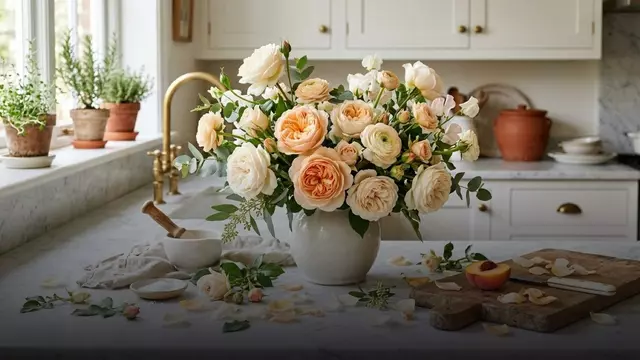
An Ecuadorian rose plant is a rose grown in Ecuador, rather than a separate botanical species called an “Ecuadorian rose”. In flower listings, the phrase usually refers to cut roses grown there; if you want a living plant, you need a named variety sold with roots, not a bouquet stem.
That distinction matters before you buy. A rooted rose needs suitable growing conditions and ongoing plant care, while a cut rose needs clean water and careful handling to stay attractive in a vase. If you are choosing flowers for someone in Russia from abroad, start by deciding whether they would enjoy tending a plant or receiving a bouquet they can display straight away.
What the Ecuadorian label tells you about a rose
“Ecuadorian” identifies a growing origin, not a complete plant description. It does not tell you the cultivar, mature height, fragrance, flowering habit or suitability for your garden. Two roses grown in Ecuador can differ considerably in colour, petal shape and stem length. For a living plant, the cultivar name is more useful than the country label when researching its needs.
Ecuadorian cut roses are often associated with substantial flower heads and long stems, but those features vary by variety and growing conditions. A tall florist stem is not evidence that the same rose will become a tall garden shrub. Commercial cut-flower production also involves cultivation and handling that a windowsill or ordinary garden does not reproduce.
Read the product description before interpreting the photograph. A pictured rose head cannot establish whether the item is a rooted plant, a cutting or a harvested stem. If your aim is to grow roses, look for explicit information about roots and the named variety. If your aim is a gift, judge the bouquet by its stated composition, proportions and suitability for the recipient.
Can you grow an Ecuadorian rose plant at home?
You can grow a rooted rose of a suitable variety, but the Ecuadorian label alone cannot establish whether it will thrive where you live. Check guidance for that cultivar against your light, space and seasonal conditions. In a region with cold winters, choose a rose with documented suitability for the location rather than assuming that a florist rose can stay outdoors year-round.
For a container-grown rose, use a pot with drainage holes and a growing medium intended for roses or suitable container plants. Water the root zone thoroughly, allow excess water to drain, and check moisture before watering again. A fixed daily watering schedule can leave one plant waterlogged and another too dry, depending on weather, pot size and growth.
Most roses need a sunny position with good air movement. Indoors, an attractive spot on a table may provide too little light for sustained growth and flowering. Before bringing home a plant, identify where it will live, how you will manage drainage and whether you can provide appropriate seasonal care. A bouquet is often the more practical gift when those conditions are unknown.
Bouquets we can deliver




Will a stem from a bouquet grow roots?
A bouquet rose is a harvested stem, not a ready-to-plant rose bush. Some rose cuttings can form roots, but success depends on the variety, stem condition and propagation conditions. Time spent in transport or a vase can reduce the suitability of a stem for propagation. Leaves staying green in water do not, by themselves, show that roots are developing.
If you want to experiment, choose a healthy stem with viable leaf nodes and use a clean cutting tool. Remove the flower and any foliage that would sit below the propagation medium, then use a clean, free-draining medium and provide humidity without leaving the cutting waterlogged. Treat this as a gardening experiment with an uncertain outcome, rather than a dependable way to preserve a meaningful bouquet.
For a specific garden result, a labelled rooted plant is a more predictable starting point. A propagated florist rose may need different care from the roses already growing nearby, and a cutting from a grafted plant will not have the original rootstock. If preserving the memory matters most, photographing or drying a bloom avoids making that memory depend on successful rooting.
How to care for cut Ecuadorian roses in a vase
Start with a thoroughly washed vase and fresh water. Remove leaves that would sit below the waterline, then trim the stem ends with a clean, sharp tool before placing the roses in water. Keep the cut neat and avoid crushing or hammering the stems. If flower food is supplied, follow its dilution instructions rather than adding an estimated amount.
Choose a vase that supports the stems without squeezing them tightly together. Large flower heads can make a loose arrangement top-heavy, especially in a narrow, lightweight vessel. Keep the bouquet away from direct sun, radiators, hot appliances and ripening fruit. A cool display position helps limit water loss, but do not assume a domestic refrigerator is suitable for storing the flowers.
Check the water level daily and change the water when it becomes cloudy, cleaning the vase and removing deteriorating foliage as needed. Recut the stems if their ends become dirty or dry. Vase life varies with the variety, condition on arrival and room environment, so there is no single reliable duration for every bouquet. Our guide to Ecuadorian rose vase life and care explains the factors to watch.
Choosing a rose gift: colour, occasion and practical details
Choose the recipient’s preferred colour before relying on traditional flower meanings. Red roses commonly suggest romance, while pink can express affection or appreciation; neither meaning overrides the relationship or the accompanying message. For a colleague, relative or friend, a clear card message helps explain your intention without asking the flowers to do all the work.
When sending roses in Russia, an odd number of stems is the customary choice for a celebratory bouquet that will be counted individually. Even numbers are traditionally associated with mourning. This matters particularly with a simple rose arrangement, where the count is obvious. For a mixed bouquet, consider the overall design and occasion as well as any stated stem count.
Think about where the flowers will be received. Very long stems may be awkward on a small desk or for someone who must carry them home, while a substantial bouquet needs a suitable vase. Browse the bouquets catalogue with the recipient’s space in mind. A living plant makes sense when you know they want one and can care for it; a cut bouquet suits a greeting with no long-term gardening commitment.
How to arrange flower delivery to Russia from abroad
Turboflora delivers flowers across Russia. City delivery costs 500 RUB; for remote districts and suburbs, the operator confirms the delivery price when confirming the order. To agree the address, timing, bouquet choice and card text, contact a manager on WhatsApp. You can also arrange a photo of the bouquet before delivery.
In large cities, express delivery is available within 1–2 hours after the order is confirmed. Other timing options include an exact time with a margin of plus or minus 30 minutes, delivery windows of 09–12, 12–15, 15–18 or 18–21, and pre-orders 1–30 days ahead. When arranging a gift from another country, state the intended date and time in the recipient’s city to avoid confusion across time zones.
Delivery is anonymous by default: the courier does not name the sender. A card with your text is free, so include your name there if you want the recipient to recognise the gift. The courier calls about 15 minutes before arrival. If the recipient is absent, we agree a second delivery that day or a handover to a neighbour or concierge with the sender’s consent.
Online checkout uses CloudPayments. If you are paying from abroad, check the options displayed at checkout; acceptance of every foreign card cannot be guaranteed. Review the delivery and payment information before completing the order, and provide a recipient phone number and clear address so the delivery details can be confirmed.
Frequently asked questions
Is an Ecuadorian rose a separate species of rose?
No. “Ecuadorian” describes where the rose was grown, while the cultivar determines characteristics such as flower form and growth habit.
Can I plant a rose from an Ecuadorian bouquet?
Putting a cut bouquet stem into soil does not make it a rooted plant. Propagation from a suitable cutting is sometimes possible, but success is uncertain and the resulting rose may not suit your growing conditions.
Can an Ecuadorian rose plant survive winter outdoors?
The country label does not establish winter suitability. Check the named cultivar’s documented requirements against your location before planting it outdoors.
How often should I water a rooted rose in a pot?
Check the growing medium rather than following a fixed daily schedule. Water thoroughly when needed, let excess water drain, and avoid leaving the pot standing in water.
Can I order roses for someone in Russia while I am abroad?
Yes, Turboflora delivers flowers across Russia, and a manager can help agree the delivery details. Online payment uses CloudPayments; check the payment options shown at checkout because foreign-card acceptance is not guaranteed.
Ready to send flowers?
Pick the city, choose the bouquet, and a local florist takes it from there.
Choose a city →