How long do Ecuadorian roses last in a vase?
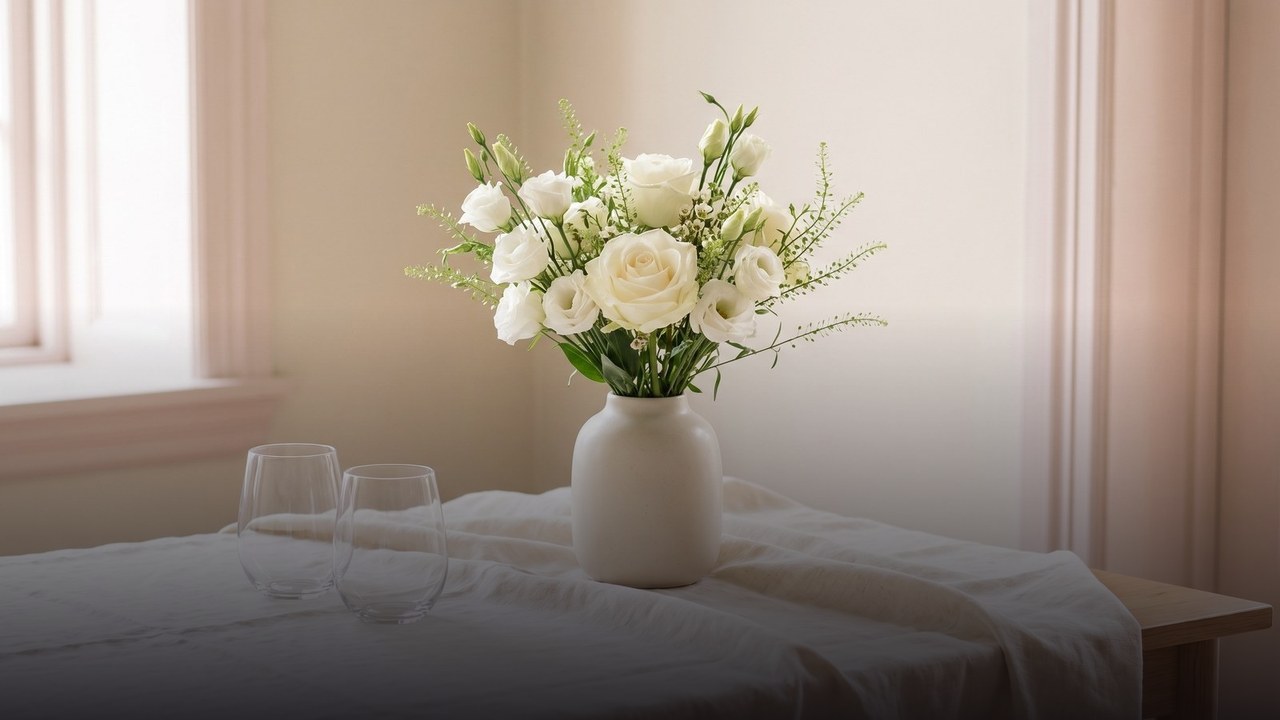
Fresh-cut Ecuadorian roses typically last about 7–12 days in a vase with attentive care; some may reach two weeks, while others fade sooner. Treat that as a practical guide, because freshness on arrival, the variety, room conditions and daily care all affect how long your bouquet stays attractive.
If you are sending roses to someone in Russia, think about both the moment they receive them and the days afterwards. A bouquet needs a clean vase, water and a suitable place to stand as soon as it arrives. Here is how to judge its condition, help it settle in and choose delivery details that make caring for your gift easier.
What determines an Ecuadorian rose’s vase life?
Ecuadorian describes where a rose was grown; it does not give every stem the same lifespan. Different rose varieties open at different speeds and have different petal structures. Large heads and long stems can make a striking bouquet, but neither feature proves that it will outlast a smaller rose. Judge the flowers’ condition alongside their appearance.
A rose’s history before it reaches your vase matters too. Time spent without water, handling and storage conditions can influence how well it opens. You cannot work out its remaining life precisely from a photograph or its country of origin. Once it arrives, look for firm stems, supported flower heads and leaves that still have structure rather than hanging limply.
Home conditions then make a substantial difference. Direct sun, a radiator or a warm appliance can dry flowers faster, while dirty water encourages microbial growth that can interfere with water uptake. A rose that opens fully may also look different each day without being spoiled. Expect a gradual change from a tight centre to a softer, more open bloom.
The first hour: prepare the vase and stems
Prepare a vase before opening the bouquet if possible. Wash it thoroughly with washing-up liquid, rinse away the residue and add fresh water. Choose a vase that supports the stems without squeezing them into a dense bundle. With tall roses, stability matters: the vase should remain steady when the flower heads lean slightly to one side.
Remove any packaging that would sit in the water or prevent you from arranging the stems. Strip off leaves below the intended waterline, keeping healthy foliage above it. Submerged leaves decay and make the water harder to keep clean. You do not need to strip every leaf or remove all the thorns; avoid unnecessary scraping or damage to the stems.
With a clean, sharp blade or secateurs, cut roughly 1–2 cm from each stem at an angle, then place it promptly in water. A fresh cut removes a dried or damaged end and gives the stem a new surface for water uptake. If flower food is supplied, follow its dilution instructions exactly. Do not assume that a stronger mixture will make the roses last longer.
Bouquets we can deliver




A daily routine that helps roses stay fresh
Check the water level every day, especially during the first few days, and top it up before the cut ends become exposed. Replace the water every day or two, sooner if it becomes cloudy or smells unpleasant. When you change it, rinse the vase and remove fallen leaves or petals. If you use flower food, prepare the replacement solution according to its instructions.
Keep the bouquet in a cool part of the room, away from direct sunlight, heating and draughts that dry the petals. Give it space away from ripening fruit, which releases ethylene and can speed ageing in sensitive flowers. There is no need to put roses in a household fridge: food, crowding and unsuitable conditions can create problems of their own.
If a stem end looks discoloured or water uptake seems poor, clean the vase and make another small, fresh cut before returning the rose to water. Avoid adding sugar, coins, aspirin or improvised bleach mixtures. A clean vase and consistent care are easier to control. For a fuller routine, see our guide to extending rose life in the vase.
Opening petals, bent necks and signs of ageing
An outer petal with a crease or a slightly rough edge does not automatically mean the entire rose is failing. Outer petals protect the bloom and may look less tidy than those inside. You can gently remove an unattractive outer petal if needed, but avoid peeling away several layers to create a perfect outline. That changes the flower’s shape and can damage neighbouring petals.
A flower head that droops just below the bloom can indicate difficulty taking up water. Start with a clean vase, fresh water and a fresh stem cut, then let the rose stand supported in a cool place for a few hours. Improvement is possible, but recovery is uncertain. Crushing the stem or pouring boiling water over it can cause further damage.
As roses age, petals may soften, curl, lose colour or fall, and some stems will decline before others. Remove flowers with mould or decaying tissue promptly. You can rearrange the sound stems in a smaller vase as the bouquet thins. This keeps the remaining flowers supported and makes it easier to keep deteriorating material out of their water.
Choose roses and timing to suit the recipient
Choose the bouquet around the recipient’s taste and the setting where it will stand. Very long stems need a suitable vase and enough space; a more compact arrangement may be easier to place on a desk or small table. Browse the bouquets catalogue for the look you want, and consider what the recipient can comfortably display and care for.
Red roses commonly suggest romance, pink can express affection or thanks, and white often feels restrained or formal. These are conventions, so let your relationship guide you. In Russia, an odd number is customary when giving a small, countable bunch for a happy occasion; even numbers are traditionally associated with mourning. Personal preferences still matter.
For a birthday or anniversary, delivery on the day makes the flowers part of the occasion, but choose a time when the recipient can receive them and put them in water. If you want the roses enjoyed over several days, avoid arranging arrival immediately before the recipient leaves home for a trip. A brief care note in your message can be useful without making the gift feel like a task.
How to arrange rose delivery in Russia
Turboflora delivers flowers across Russia. City delivery costs 500 RUB; for remote districts and suburbs, the operator confirms the price when confirming your order. In large cities, express delivery is available 1–2 hours after confirmation. You can also choose an exact time with a ±30-minute allowance, a 09–12, 12–15, 15–18 or 18–21 window, or pre-order 1–30 days ahead.
When ordering from abroad, check that your intended delivery time matches the recipient’s day. Contact a manager on WhatsApp for help choosing a bouquet, agreeing the time, address and card text, or arranging a photo of the bouquet before delivery. A card with your text is free. Delivery is anonymous by default: the courier does not name the sender, so sign the card if you want to identify yourself.
The courier calls the recipient about 15 minutes before arrival. If they are absent, we agree a second delivery the same day or, with the sender’s consent, hand the flowers to a neighbour or concierge. Online checkout uses CloudPayments; check the payment options displayed there, as acceptance of every foreign card is not guaranteed. You can also consult our delivery and payment information before ordering.
Frequently asked questions
Can Ecuadorian roses last two weeks?
Some can reach two weeks with suitable conditions and careful maintenance, but that is not a guaranteed lifespan. About 7–12 days is a more practical expectation for fresh-cut roses, with variation between individual stems.
Do Ecuadorian roses last longer than other roses?
Country of origin alone does not establish how long a cut rose will last. Variety, freshness, handling and conditions in your home all influence vase life.
How often should I change the water for Ecuadorian roses?
Check the level daily and replace the water every day or two, or sooner if it becomes cloudy or smells unpleasant. Clean the vase and remove any leaves or petals sitting in the water.
Should I spray rose petals with water?
Focus on supplying water through the cut stems rather than spraying the blooms. Repeatedly wetting tightly packed petals can leave moisture trapped between them and encourage spotting or decay.
Can I order roses for someone in Russia while I am abroad?
You can arrange delivery across Russia and contact a manager on WhatsApp to agree the bouquet and delivery details. Checkout uses CloudPayments; check the options shown there because foreign-card acceptance is not guaranteed.
Ready to send flowers?
Pick the city, choose the bouquet, and a local florist takes it from there.
Choose a city →