How Long Do Ecuadorian Roses Last in a Vase?
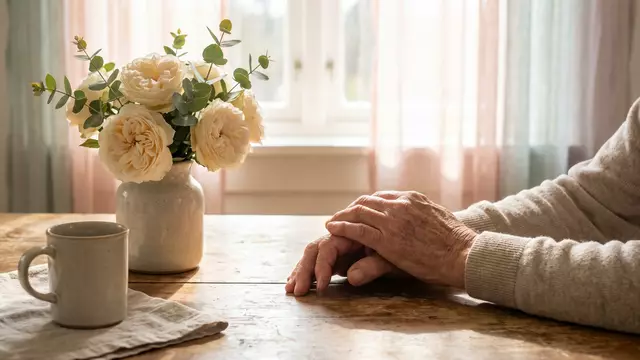
Fresh-cut Ecuadorian roses often last about 7–14 days in a vase, although this is a practical guide rather than a guarantee. Their actual lifespan depends on freshness when received, the variety, previous handling and the care you give them at home.
A large flower head or a long stem does not tell you how many days a rose has left. When choosing a bouquet, think about when it will be enjoyed and whether the recipient can put it into water promptly. Once it arrives, a clean vase, fresh stem cuts and a sensible position in the room are the most useful starting points.
What Determines an Ecuadorian Rose’s Vase Life?
Country of origin alone cannot predict how long a cut rose will last. Different varieties open and age differently, and time spent without water can affect their condition before they reach a vase. Treat any lifespan figure as an expectation to plan around, rather than a countdown that applies equally to every stem.
Opening and deterioration are different processes. A rose that gradually opens into a broad bloom may be developing normally, while limp petals, a collapsing head or a softening stem suggest a problem. Some varieties remain relatively cup-shaped; others reveal their centres as they mature. Opening fully does not automatically mean a flower is finished.
Use the condition of the whole stem to judge freshness. Look for a supported flower head, reasonably firm petals and healthy foliage rather than relying on a tightly closed bud alone. A very tight bud is not a promise of extra days: some flowers may open poorly. Our guide to rose vase life explains how to assess changes after arrival.
The First Steps When Your Bouquet Arrives
Prepare the vase before leaving the bouquet on a table. Wash it thoroughly with detergent, rinse away any residue and fill it with fresh drinking water. A narrow vase can squeeze stems together and make cleaning awkward; choose one that holds the bouquet securely while giving you room to check the water and remove individual stems.
Remove any wrapping that would sit in the water, and take off leaves below the waterline. Keep healthy leaves higher up the stems where practical. Submerged foliage decays and makes the water dirty, so this small task matters more than arranging every flower perfectly. Loosen any binding that prevents the stems from sitting comfortably in the vase.
Using clean, sharp secateurs or a suitable knife, trim roughly 1–2 cm from the stem ends with an angled cut, then place the roses into water promptly. Avoid crushing or splitting the ends. If flower food is supplied, follow its dilution instructions and measure the water; adding extra powder does not make the treatment more effective.
Bouquets we can deliver




A Daily Routine That Helps Roses Stay Fresh
Check the water level every day, especially at the beginning, when a bouquet may use more than you expect. Keep every cut end submerged. Replace the water every day or two, and sooner if it becomes cloudy or smells unpleasant. At each change, rinse the stems and clean the vase so that fresh water goes into a clean container.
Inspect the stem ends during water changes. If they look discoloured or feel slippery, wash away surface residue and make a fresh cut with a clean tool. Remove fallen petals and leaves from the water immediately. Take out a stem that is rotting or deteriorating badly, then check its neighbours and refresh the arrangement.
Avoid improvised mixtures of sugar, coins, alcohol or household cleaners. Sugar alone does not provide the balanced treatment of a formulated cut-flower food, and inaccurate household mixtures can damage flowers. If you have no flower food, concentrate on clean water, clean equipment and regular checks rather than trying several remedies at once.
Where to Put the Vase—and What Wilting Means
Choose a relatively cool indoor position with indirect light, away from radiators, heating vents and strong draughts. A sunny windowsill may look attractive but can warm the flowers and water quickly. Keep the bouquet away from ripening fruit as well: the ethylene released by some fruit can accelerate ageing in sensitive cut flowers.
Long stems need a vase with enough height and weight to support them without tipping. If the bouquet feels top-heavy, use a more stable vase or shorten the stems to suit the container. Stem length is a presentation choice, not a reliable measure of durability. The practical considerations are covered in our long-stem rose guide.
If a rose starts to droop, first check whether its cut end is actually in water. Clean the vase, replace the water and recut the stem before returning it promptly to the arrangement. Improvement is possible when poor water uptake is the cause, but recovery is uncertain. Browning, dry petals and a deteriorating stem will not become fresh again through repeated trimming.
Timing a Gift So the Recipient Can Enjoy It
Plan around the recipient’s availability as well as the occasion. Delivery shortly before a birthday meal can work well if someone is there to unpack the bouquet and provide a vase. For a busy workplace or a day of travel, choose a time when caring for the flowers will be easy. Several hours waiting out of water can reduce the time they look their best.
For delivery in Russia, you can pre-order with us 1–30 days ahead. Available timing options include an exact time within plus or minus 30 minutes, or the windows 09–12, 12–15, 15–18 and 18–21. Express delivery in large cities is 1–2 hours after the order is confirmed. Choose according to the recipient’s plans rather than assuming the fastest option is always the most useful.
Make the meaning of your gift clear in the card. Roses can express affection, gratitude or congratulations, but colour symbolism is not universal and cannot replace a personal message. In Russia, an odd number of stems is customary for celebratory bouquets; even numbers are traditionally associated with mourning. For a mixed or unfamiliar cultural setting, a short, explicit greeting helps avoid ambiguity.
Ordering Roses to Russia from Abroad
Start with the bouquets catalogue, then check the recipient’s address and intended delivery date. We deliver flowers across Russia. City delivery costs 500 RUB; for remote districts and suburbs, the operator confirms the delivery price when confirming the order. If you are coordinating from another country, agree the time in the recipient’s city to avoid a time-zone misunderstanding.
You can contact a manager on WhatsApp for help choosing a bouquet, agreeing the time, address and card text, and a photo of the bouquet before delivery. A card with your text is free. Delivery is anonymous by default: the courier does not name the sender, so sign the card if you want the recipient to know who sent the flowers.
The courier calls the recipient about 15 minutes before arrival. If the recipient is absent, we agree a second delivery that day or, with the sender’s consent, hand the flowers to a neighbour or concierge. Online checkout uses CloudPayments; check the options displayed there for your payment method, as acceptance of every foreign card cannot be guaranteed. Check our delivery information; confirm the timing for your order.
Frequently asked questions
Can Ecuadorian roses last two weeks?
Some fresh bouquets can last around two weeks with suitable care, but individual results vary. Variety, previous handling and conditions in the recipient’s home all affect vase life.
Do Ecuadorian roses last longer than all other roses?
Ecuadorian origin alone does not establish a longer vase life. Compare the condition of the flowers and care for them consistently rather than choosing solely by country of origin.
Should I remove the outer petals?
Outer guard petals can look less smooth than the petals beneath them and do not automatically indicate poor freshness. Remove an individual damaged or decaying petal gently if necessary, without pulling apart the flower.
Should I put my roses in a household refrigerator?
A cool room is usually a more practical choice at home. Household refrigerators can expose flowers to unsuitable cold spots, crowded shelves and ethylene from stored fruit.
How can I help a bouquet last when sending it to someone else?
Arrange delivery for a time when the recipient can put the roses into water promptly. Add a brief care reminder to your message: use a clean vase, trim the stems and check the water daily.
Ready to send flowers?
Pick the city, choose the bouquet, and a local florist takes it from there.
Choose a city →