Eustoma in Russia: A Florist's Hidden Gem Worth Discovering
Most people walk past eustoma in a flower shop and assume it is some exotic variety of rose or peony they have never heard of. That assumption is exactly what makes it so charming. Eustoma, also known as lisianthus, is one of the most underrated flowers a florist can reach for — layered, elegant, long-lasting, and surprisingly versatile for Russian occasions from a quiet birthday to a grand anniversary. Once you understand what it is and what it can do, you will start noticing it everywhere.
What Eustoma Actually Looks Like — and Why People Confuse It
Eustoma belongs to the gentian family and originates from the warm prairies of North America, but its appearance tells a very different story. The blooms are deeply cupped, with softly ruffled petals that layer over one another in a way that closely mimics a garden rose or a loosely opened peony. When the bud is still closed, it resembles a tulip. When fully open, it looks like something a painter would invent.
The stems are long and branching, which means a single stem carries several blooms and buds at different stages of opening. This gives arrangements a natural, staggered quality that florists find extremely useful. You are not working with one static flower — you are working with a small bouquet on a single stalk.
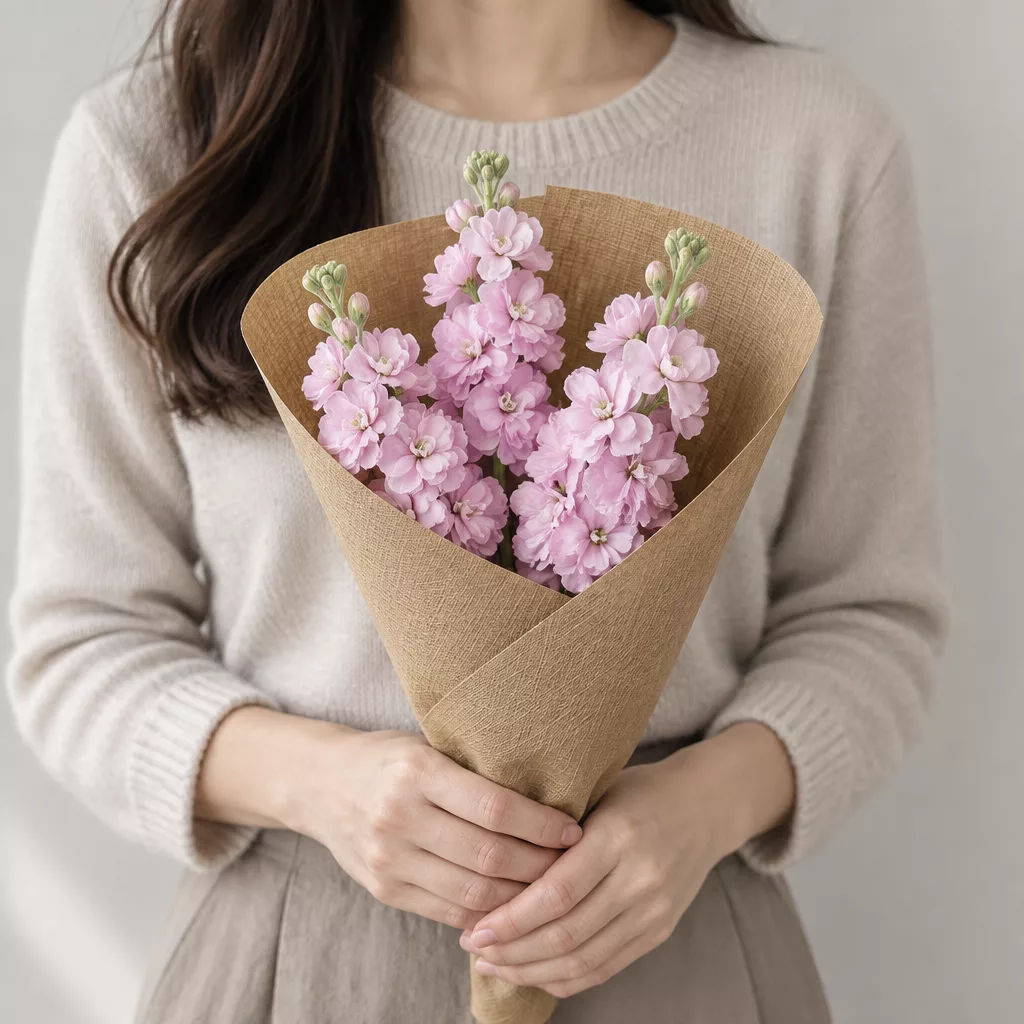
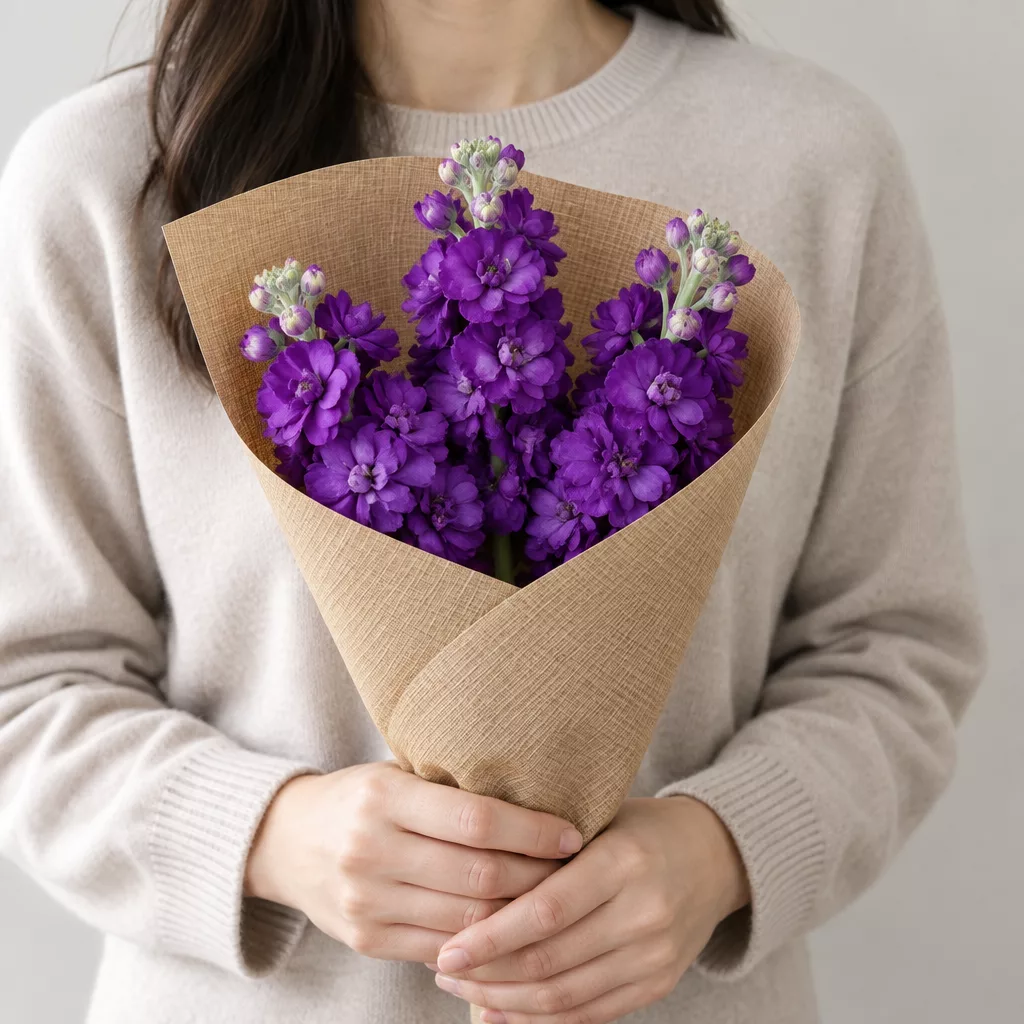
Colour range is wide. The most common varieties available in Russia include pure white, soft cream, dusty rose, deep violet, lavender, and rich burgundy. Bicolour versions with a contrasting picotee edge — where the petal rim is a deeper shade than the centre — are particularly popular for wedding work. Double-flowered cultivars such as those in the Echo and Rosita series have even denser petals and are the ones most often mistaken for roses in a finished arrangement. Singles, with their open cup shape, feel more meadow-like and suit relaxed, informal bouquets beautifully.
Bouquets we can deliver


When Eustoma Is in Season in Russia and Where It Comes From
Russia's climate does not make it easy to grow eustoma outdoors at scale, so the majority of stems sold in Saint Petersburg and other major cities are imported, primarily from the Netherlands, Ecuador, and Japan. Dutch auction flowers dominate the Russian wholesale market, and eustoma from Holland arrives year-round through established cold-chain logistics. This means the flower is technically available in every month, but availability and quality vary noticeably across the calendar.
The peak quality window runs from late spring through early autumn, roughly May to September. During these months, stems are fuller, buds open more reliably, and the colour saturation is at its best. Summer deliveries benefit from shorter transit times and better growing conditions at the source. If you are planning a significant celebration and want eustoma at its finest, this is the window to aim for.
Winter availability is real but comes with caveats. Cold transit across Russian distances can stress the stems, and buds that have been chilled below four degrees Celsius for extended periods sometimes fail to open fully. A good florist will condition winter stems carefully — keeping them at around eight to ten degrees in a clean bucket for several hours before arranging. In practice, eustoma ordered through a reliable same-day delivery service like Turboflora arrives already conditioned, so the recipient simply places the bouquet in water and watches it unfold over the following days.
Choosing Eustoma for the Occasion — Who It Suits Best
Eustoma sits in an interesting middle space between the formal grandeur of roses and the casual warmth of wildflowers. That flexibility makes it genuinely useful across a wide range of Russian gifting occasions, which tend to be more occasion-specific than in many Western countries. Russians mark birthdays, name days, professional milestones, school graduations, and the first day of school on September 1st with flowers — and the choice of bloom carries meaning.
For a birthday gift to a woman in her thirties or forties, a monochrome bouquet of deep violet or dusty rose eustoma reads as thoughtful and sophisticated without being stiff. It signals that the sender paid attention. For a younger recipient — a university student or a colleague's daughter — white or pale lavender eustoma mixed with eucalyptus or wax flower creates something fresh and contemporary.
For romantic occasions, double-flowered eustoma in cream or blush is a compelling alternative to roses. It costs less, lasts longer, and carries a quieter kind of romance that many people actually prefer. Pairs well with ranunculus or spray roses if you want to build something more layered.
For professional settings — a thank-you to a teacher, a gift for a business partner — eustoma in white or soft purple works perfectly. It is elegant without being personal, generous without being excessive. In Russia, giving flowers to teachers is a genuine and warm tradition, especially around Teacher's Day on October 5th, and eustoma is an excellent choice for that moment.
How to Think About Budget When Ordering Eustoma
One of the most practical things about eustoma is how efficiently it fills a bouquet. Because each stem branches into multiple blooms, a modest number of stems creates real visual volume. A florist working with ten stems of a double-flowered variety can produce a bouquet that looks as full and generous as one built from twenty single-headed flowers. This matters when you are working within a budget but want the result to feel abundant.
At the entry level, a small hand-tied bouquet of eustoma — perhaps five to seven stems in a single colour with minimal greenery — makes a clean, modern gift that does not look sparse. The key is choosing one strong colour and letting the natural branching structure do the visual work. White eustoma with a single stem of eucalyptus is a classic that consistently photographs beautifully and pleases a wide range of recipients.
At a mid-range budget, mixing two complementary eustoma colours — say, deep burgundy and pale cream — with some textural greenery like ruscus or pittosporum creates something that feels designed rather than assembled. This is the range where eustoma genuinely outperforms roses for value, because the longevity and the multi-bloom stems make every stem count.
At a higher budget, eustoma works best as a supporting player alongside peonies in summer, or alongside garden roses and ranunculus in spring. It adds softness and movement to what might otherwise be a heavy, round arrangement. A skilled florist uses it to create breathing room between denser blooms, giving the whole composition a sense of natural abundance rather than forced fullness.
Vase Life: Why Eustoma Outlasts Almost Everything Else
Ask any working florist which flower gives recipients the most return for their investment, and eustoma comes up immediately. Under good conditions, a fresh stem of eustoma will remain presentable in a vase for fourteen to twenty-one days. That is not a marketing claim — it is the practical experience of florists and customers who have watched the flower open bud by bud over three weeks.
The reason for this longevity lies in how the plant structures its blooms. A single branching stem carries buds at multiple stages of development. The first blooms open within a day or two of arriving home. Then, as those mature, the secondary buds begin to open, and so on down the stem. The flower essentially renews itself in the vase. This staggered opening means the arrangement looks different — and often more beautiful — on day ten than it did on day one.
To get the full benefit, the recipient needs to follow a few simple steps. Cut the stems at an angle with a sharp knife or scissors, removing at least two centimetres. Place them in a clean vase with fresh, cool water and a sachet of flower food if one was included. Keep the vase away from direct sunlight, heating radiators, and fruit bowls — ethylene gas from ripening fruit shortens the life of almost every cut flower, eustoma included.
Change the water every two to three days and re-cut the stems each time. Remove any leaves that fall below the waterline, as they decompose quickly and cloud the water. Following these steps, most recipients are genuinely surprised to find the bouquet still looking full and vibrant well into the second week.
Combinations That Work — and a Few That Do Not
Eustoma is one of the more cooperative flowers in a florist's toolkit, but it has preferences. It pairs beautifully with flowers that share its soft, romantic quality — ranunculus, garden roses, spray roses, sweet peas in season, and wax flower. These combinations work because the textures complement rather than compete. The ruffled petals of eustoma echo the layered structure of ranunculus and garden roses, creating a coherent visual language across the bouquet.
Greenery choices matter more than many people realise. Eucalyptus — particularly the small-leafed varieties like seeded or silver dollar — is the most popular pairing in Russian flower shops right now and works well with eustoma because it adds a silvery, aromatic contrast. Ruscus and pittosporum provide darker, glossier green that makes pale eustoma colours pop. Asparagus fern softens the overall silhouette and works especially well in hand-tied bouquets where a loose, garden-gathered look is the goal.
Combinations that tend to work less well involve flowers with very bold, graphic forms — birds of paradise, anthuriums, or large tropical leaves. These create a visual clash with eustoma's delicate, layered character. The result feels neither tropical nor romantic, just uncertain. Similarly, pairing eustoma with very stiff, formal flowers like gladiolus can flatten both — the gladiolus dominates and the eustoma loses its softness.
Colour combinations worth trying: white eustoma with deep blue iris in late winter, blush eustoma with coral spray roses in summer, and violet eustoma with white freesia for a monochromatic-adjacent pairing that reads as quietly luxurious. These are real combinations that florists use regularly and that photograph well for the recipient to share.
Common Mistakes to Avoid When Buying or Gifting Eustoma
The most frequent mistake buyers make is choosing stems where all the buds are already fully open. It looks impressive in the shop, but it means the flower has already done most of its work. A stem with one or two open blooms and several tight buds will give a far longer and more rewarding vase experience. When ordering online, a good florist selects stems at this intermediate stage automatically — it is one of the small professional decisions that makes a meaningful difference to what the recipient experiences.
Another common error is placing eustoma in a vase that is too wide or too shallow. The branching stems need support to stay upright and spread naturally. A tall, narrow vase works best for a single-colour arrangement. If the vase is wide, use enough stems to fill it so they support one another, or add some greenery to create structure. A single stem drooping in a large vase looks forlorn rather than elegant.
Over-conditioning is a mistake florists sometimes make with beginners in mind. Leaving eustoma in cold water for too long before arranging — more than twelve hours at very low temperatures — can cause the buds to become sluggish and slow to open. Room temperature water at the time of arranging, then cool storage, is the better approach.
Finally, do not strip too many leaves from the stem in an effort to make it look cleaner. The leaves contribute to the stem's water uptake. Remove only those that would sit below the waterline. The ones above the water should stay on — they are part of what keeps the flower drinking well and lasting its full potential lifespan.
Eustoma rewards the people who discover it. It is one of those flowers that asks very little — a clean vase, fresh water, a spot away from the radiator — and gives back weeks of quiet, layered beauty in return. For anyone in Russia looking to send something genuinely memorable, something that will still be opening new buds on the fourteenth day, eustoma is the answer that most people have not thought to ask for yet. Once you send it once, you will understand why florists reach for it so readily. We deliver bouquets across Russia in 1–2 hours.
Frequently asked questions
Is eustoma available for same-day delivery in Saint Petersburg all year?
Yes, eustoma is available year-round through Turboflora. Quality peaks from May to September when stems are fuller and buds open more reliably. In winter, our florists condition stems carefully before arranging to ensure buds open properly after delivery. You can order any month and expect a fresh, well-prepared bouquet.
How long will eustoma actually last in a vase at home?
Under good conditions — clean water, no direct sun, away from radiators and fruit — eustoma typically lasts fourteen to twenty-one days. The staggered bud structure means new blooms open gradually, so the arrangement often looks its best around day seven to ten rather than on the first day. Change the water every two to three days for best results.
Can eustoma work as a romantic gift, or is it mainly for professional occasions?
Eustoma works beautifully for romantic occasions. Double-flowered varieties in cream, blush, or soft pink have a quieter, more intimate romance than roses. They last significantly longer and cost less per stem, making them a genuinely smart choice for anniversaries or spontaneous gestures. Pair with ranunculus or garden roses for a fuller, more layered romantic bouquet.
What is the difference between single and double eustoma varieties?
Single eustoma has an open, cup-shaped bloom with one layer of petals — it looks meadow-like and suits relaxed, informal arrangements. Double varieties, such as those in the Echo or Rosita series, have multiple dense petal layers and closely resemble roses. Doubles are popular for weddings and formal gifts; singles work beautifully in garden-style mixed bouquets.
Does eustoma need any special care that the recipient should know about?
Nothing complicated. Cut stems at an angle, place in a clean vase with cool water, and keep away from direct sunlight, heating sources, and fruit bowls. Remove leaves below the waterline. Change the water every two to three days and re-cut the stems each time. That routine is enough to get the full two to three weeks of vase life from a fresh stem.
Ready to send flowers?
Pick the city, choose the bouquet, and a local florist takes it from there.
Choose a city →