White Flowers in Russia: When They Are and Are Not Welcome
White flowers are among the most elegant things you can send someone — clean, generous, quietly impressive. But if you are ordering from outside Russia, or simply unsure about local feeling, you may have heard a warning: white can be complicated. The truth is more nuanced than a simple yes or no. Context is everything, and once you understand the logic behind the hesitation, choosing confidently becomes much easier.
Where the Caution Around White Flowers Comes From
In Russian cultural tradition, white flowers carry a dual identity. On one hand they represent purity, new beginnings, and refined taste. On the other, they appear at solemn occasions, which has led some people — particularly older generations — to associate an all-white bouquet with grief. This is not a rigid rule, and younger Russians in cities like Saint Petersburg and Moscow tend to hold it far more loosely. But it is a real feeling that exists in many families, and ignoring it entirely can leave a recipient unsettled even if they cannot quite explain why.
The hesitation is strongest when the bouquet is monochrome: a dense arrangement of white chrysanthemums or white carnations with no colour variation at all. These two varieties in particular carry the association most strongly, simply because of how they have been used historically at formal commemorative events. White roses, white peonies, white orchids, and white ranunculus carry almost none of that weight — they read as celebratory and luxurious to most recipients regardless of age.
The safest mental shortcut is this: the more a white flower looks like something you would find in a high-end wedding or a boutique hotel lobby, the more welcome it will be. The more it resembles something simple and inexpensive bought in large quantities, the more carefully you should think about the occasion before sending it alone.
Bouquets we can deliver


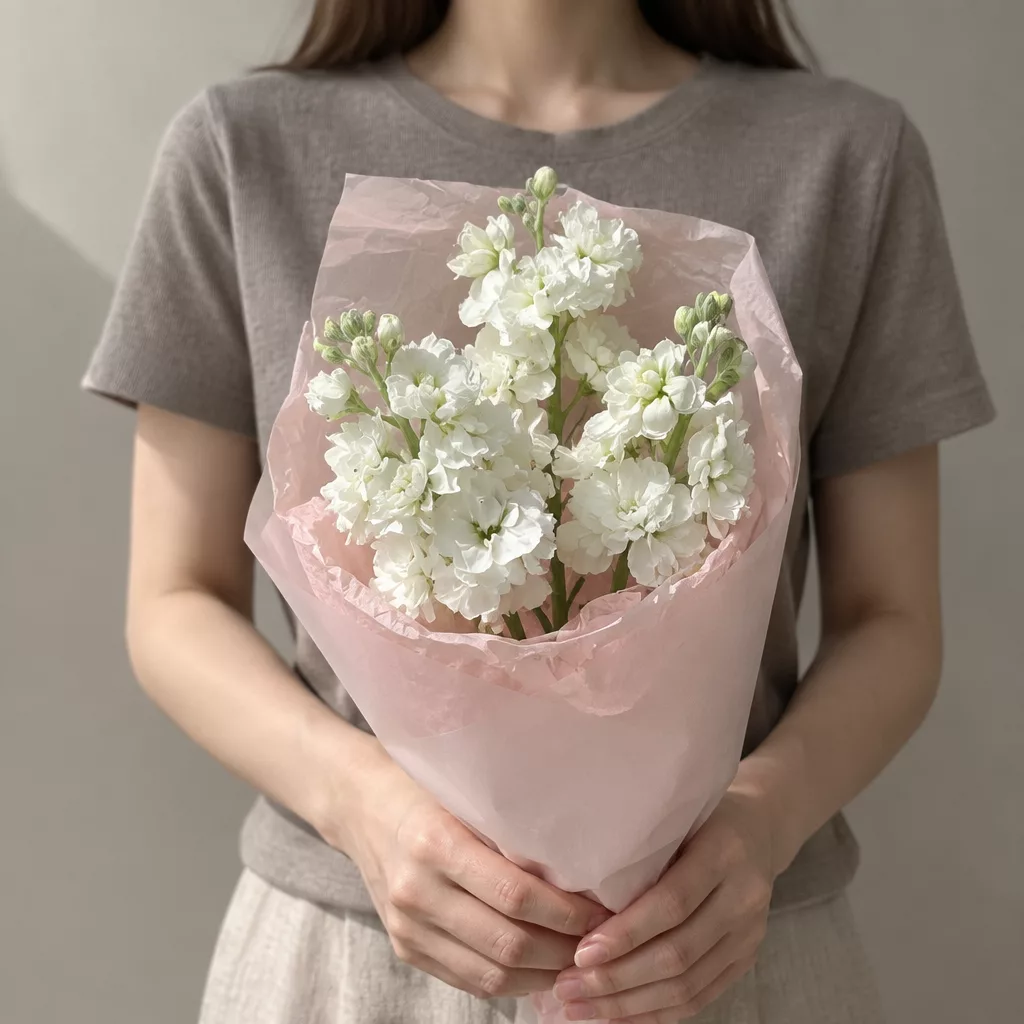
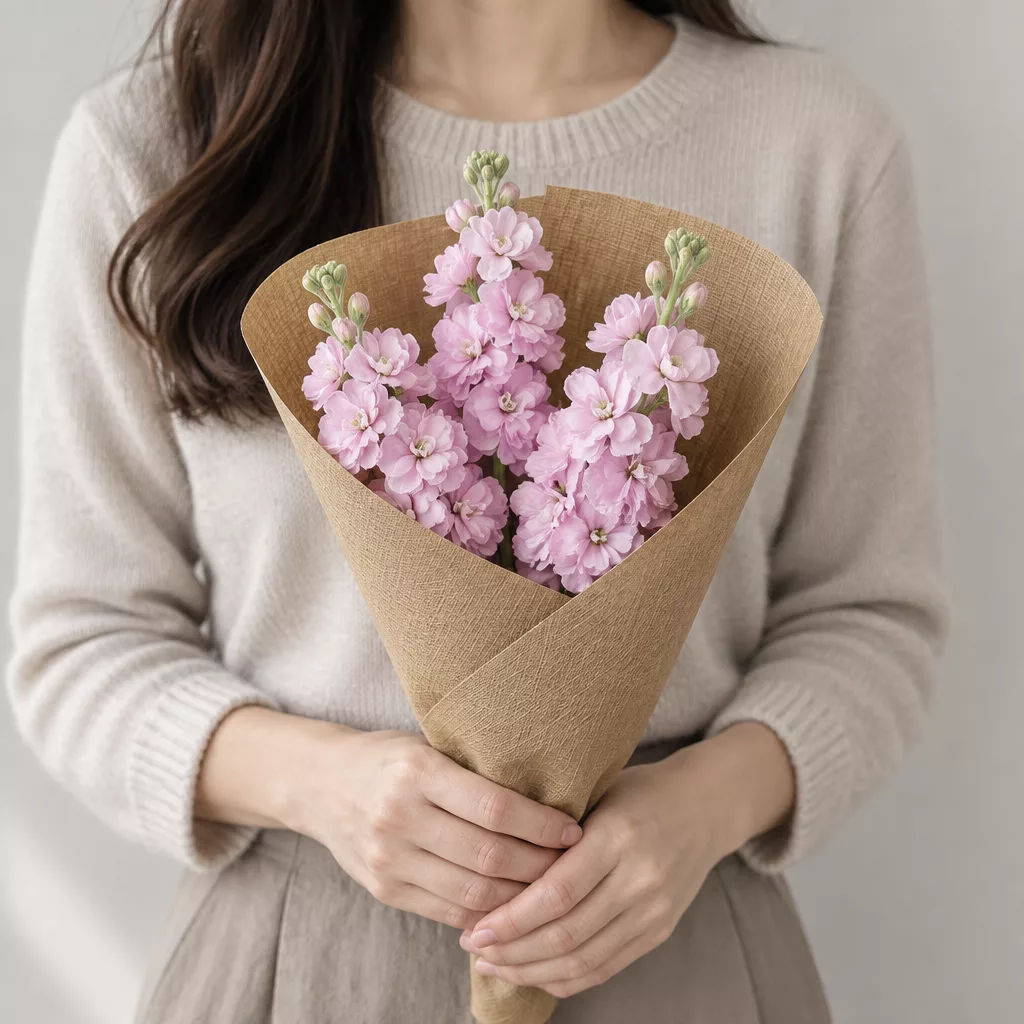
Occasions Where White Flowers Are Genuinely Perfect
Weddings are the clearest case. White blooms are deeply embedded in Russian wedding aesthetics — bridal bouquets of white garden roses, ranunculus, and lisianthus are completely standard, and a congratulatory arrangement in white and cream for the couple or their mothers is received with genuine warmth. If you are sending to mark a wedding, white is not just acceptable — it is often the most fitting choice you can make.
New baby arrivals are another excellent moment for white. A soft arrangement of white spray roses with eucalyptus or white tulips in early spring signals tenderness and new beginnings without the visual noise of bright colours, which can feel jarring in a maternity ward or a newly rearranged home. White works especially well here when the parents have not yet shared the nursery colour scheme and you want to be safe.
Professional congratulations — a promotion, a business opening, a successful project — suit white flowers beautifully. An arrangement of white phalaenopsis orchids or a structured bouquet of white calla lilies reads as polished and respectful, not showy. It says you took the occasion seriously. For a woman receiving a work milestone gift, white garden roses mixed with green foliage feel both sophisticated and warm. For a man, a potted white orchid is practical and impressive without crossing into anything that might feel overly personal.
Birthdays are perfectly fine for white flowers as long as you add warmth through texture, greenery, or a second colour — a single accent of blush, peach, or soft lavender transforms an all-white bouquet into something that reads as celebratory rather than austere.
The Varieties That Almost Never Cause Concern
Not all white flowers carry the same cultural weight, and knowing which ones sit comfortably outside any ambiguity gives you real freedom when choosing. White peonies are perhaps the most universally beloved white flower in Russia. Their fullness, their short and eagerly anticipated season from late May through June, and their unmistakable scent place them firmly in the category of luxury and celebration. No one receives white peonies and feels anything other than delighted.
White garden roses — the large-headed, densely petalled varieties rather than the tight-budded florist standard — carry the same energy. They feel bridal, romantic, and generous. Pair them with eucalyptus or ruscus and you have a bouquet that works for almost any positive occasion. White ranunculus, available from late winter through spring, have a similar effect: their layered petals and slightly creamy centre make them look expensive and considered.
White tulips in early spring are a lovely choice for women and read as fresh and seasonal rather than formal. White lisianthus, which resembles a delicate rose but lasts significantly longer in the vase — often ten to fourteen days with clean water and a cool room — is an excellent choice when you want something that will stay beautiful for the full week after delivery. White hydrangeas work well in summer arrangements when you want volume and generosity; their large flower heads fill a vase impressively and they pair naturally with almost any accent colour you choose to add alongside them.
Situations Where You Should Pause Before Sending All-White
The clearest situation to approach carefully is sending an all-white bouquet of carnations or chrysanthemums to someone older — a grandmother, a respected elder, a senior colleague — without any other context. These are the combinations that carry the strongest historical associations for that generation, and even if the recipient is entirely gracious about it, you may create an awkward moment. This is not about superstition; it is simply about reading the room and respecting what certain flowers have meant to people across their lifetime.
Another moment to think twice is a get-well bouquet. White flowers are not forbidden in this context, but a room already full of medical associations does not necessarily benefit from a colour palette that some patients privately read as severe. Soft yellows, peaches, and pale pinks tend to lift the mood more reliably in a hospital or home recovery setting. If white is important to you — perhaps because the recipient has a strong preference for it — lean into white roses or white tulips rather than carnations or chrysanthemums, and add greenery to soften the arrangement.
For a first romantic gesture, an entirely white bouquet can sometimes read as cool rather than warm, particularly if the recipient does not yet know your taste well enough to interpret it as deliberate sophistication. A few stems of white roses mixed with blush or red is a safer opening move. Once you know each other better and you understand that she or he loves white flowers, a monochrome white arrangement becomes a very personal and impressive gift rather than an ambiguous one.
Making White Bouquets Feel Warm: Combinations That Work
The single most effective way to shift a white bouquet from austere to celebratory is greenery. Eucalyptus — both the round-leafed and the long narrow variety — adds an organic, almost herbal warmth that makes white flowers look intentional and lush rather than spare. Ruscus and pittosporum work similarly, giving structure and depth without competing with the blooms. A white bouquet with rich green foliage reads as a considered, seasonal choice rather than a default.
Adding one accent colour changes the entire emotional register. Blush and white together feel romantic and soft — ideal for birthdays, anniversaries, and new baby gifts. White and deep green feel architectural and modern, excellent for professional contexts. White with a touch of burgundy or dusty rose feels autumnal and warm, perfect for October and November when the light is low and you want a bouquet that feels cosy rather than cold. Even a single stem of a different colour — a pale peach rose among white ones — is enough to anchor the arrangement in warmth.
Presentation matters as much as the flowers themselves. White blooms wrapped in kraft paper with a natural twine tie look handcrafted and intentional. The same flowers in a stiff cellophane sleeve can look institutional. When ordering for a significant occasion, ask for the wrapping to reflect the warmth of the gesture. A wide, loose wrap in a neutral or sage-toned paper lets the white flowers breathe and shows them at their best. In winter, when flowers travel in cold conditions, a good wrap also protects delicate petals from the brief but sharp temperature shift between the delivery bag and a warm interior.
Caring for White Flowers Once They Arrive
White flowers show their condition more honestly than coloured ones. A slightly browning petal edge that might go unnoticed on a red rose is immediately visible on a white one, which means that care in the first hours after delivery matters more than people often realise. The recipient should unwrap the bouquet promptly, trim the stems at a diagonal — about two centimetres — and place them in clean, cool water without delay. Leaving white flowers in their wrapping in a warm hallway for several hours is the fastest way to shorten their life.
Temperature is the critical factor in Russian winters and summers alike. In winter, white tulips or white roses delivered in minus-ten-degree weather need ten to fifteen minutes at room temperature before you handle the stems, because cutting a cold stem can cause it to seal rather than drink. In summer, keep the vase away from direct sunlight and radiators; white petals bleach and wilt faster than darker ones when exposed to heat and direct light. A north-facing room or a shaded spot on a table is ideal.
Change the water every two days and re-trim the stems each time. White lisianthus and white orchids are the most forgiving — lisianthus will last up to two weeks with basic care, and a phalaenopsis orchid in a pot will bloom for six to eight weeks. White peonies, by contrast, are brief and spectacular: four to seven days at their peak, and worth every one of them. If the bouquet includes white tulips, expect them to continue growing in the vase — they can gain several centimetres — and rotate the arrangement so they grow evenly rather than leaning toward the light.
White flowers in Russia are not a risk to avoid — they are a palette to understand. The hesitation that some people feel is real but specific: it clusters around particular varieties, particular combinations, and particular generations, not around white as a colour in any broad sense. White peonies in June, white roses for a wedding, white orchids for a professional milestone — these are gifts that land beautifully and stay in the memory. When you choose with awareness of what the flowers look like, who is receiving them, and what the occasion calls for, white becomes one of the most powerful and elegant choices you can make.
Frequently asked questions
Are white flowers appropriate for a birthday in Russia?
Yes, with a small adjustment. An all-white bouquet of roses, ranunculus, or peonies is a lovely birthday gift, especially when greenery or a single accent colour is added. The concern around white flowers applies mainly to chrysanthemums and carnations in monochrome arrangements, not to white flowers as a whole category.
Which white flowers are safest to send to an older Russian recipient?
White roses, white peonies, and white orchids are the safest choices for older recipients. These varieties carry no difficult associations and are widely appreciated across generations. Avoid an all-white arrangement of carnations or chrysanthemums, as these combinations can feel uncomfortable to people who grew up with different associations for those flowers.
Can I send white flowers to a woman I am romantically interested in?
You can, but a mixed arrangement works better for a first gesture. White roses combined with blush, peach, or a single red rose feel warm and romantic rather than ambiguous. Once you know the person well and understand their taste, a monochrome white bouquet becomes a sophisticated and personal choice that many women find genuinely impressive.
How long do white flowers typically last after delivery in Russia?
It depends on the variety. White lisianthus lasts up to fourteen days with clean water and cool conditions. White roses and tulips typically give seven to ten days. White peonies are shorter — four to seven days — but spectacular while they last. Phalaenopsis orchids in a pot can bloom for six to eight weeks with minimal care.
Does the season affect which white flowers I can order?
Yes. White peonies are only available from late May through June. White tulips are at their best from February through April. White ranunculus appears from late winter into spring. White roses, lisianthus, and orchids are available year-round. Choosing a flower that is in season means better quality, stronger scent, and a longer vase life after delivery.
Ready to send flowers?
Pick the city, choose the bouquet, and a local florist takes it from there.
Choose a city →