Sending Flowers for Business in Russia? Here Is What Your Accountant Needs
You have just ordered a beautiful arrangement of garden roses and eucalyptus for a client's anniversary, the courier is on the way, and then your finance team sends a message asking for the document package. If you have ever felt that moment of mild panic, you are not alone. Corporate flower purchases sit in a slightly unusual corner of Russian accounting, and the paperwork requirements catch many managers off guard. This article walks you through exactly which documents apply, why they matter, and how to make sure your next flower order closes cleanly in the books.
Why Flowers Are a Legitimate Business Expense at All
Before diving into document types, it helps to understand why Russian tax law allows flowers as a deductible expense in the first place. The key concept is representational expenses, known in Russian as reprezentatsionnye raskhody. These cover costs that serve a business purpose — greeting a partner, marking a corporate milestone, or decorating an office reception area during a formal event. Flowers clearly fit when the purpose is documented.
The Russian Tax Code, specifically Article 264, permits representational expenses up to four percent of the company's payroll for the reporting period. Flowers ordered for a client meeting, a product launch, or a congratulatory gesture toward a long-term partner can sit within that allowance, provided the expense is linked to a recognizable business event.
What does not qualify is a bouquet purchased on impulse with no connection to a business occasion. Accountants look for a logical chain: there was an event, the flowers served a representational function, and the documents confirm both the purchase and the context. When you order flowers with a clear business rationale and collect the right paperwork, the expense is straightforward to defend. The variety of flower is irrelevant to the tax office; the occasion and the document trail are everything. Lisianthus for a board meeting and spray roses for a reception desk both qualify equally well, as long as the paperwork is in order.
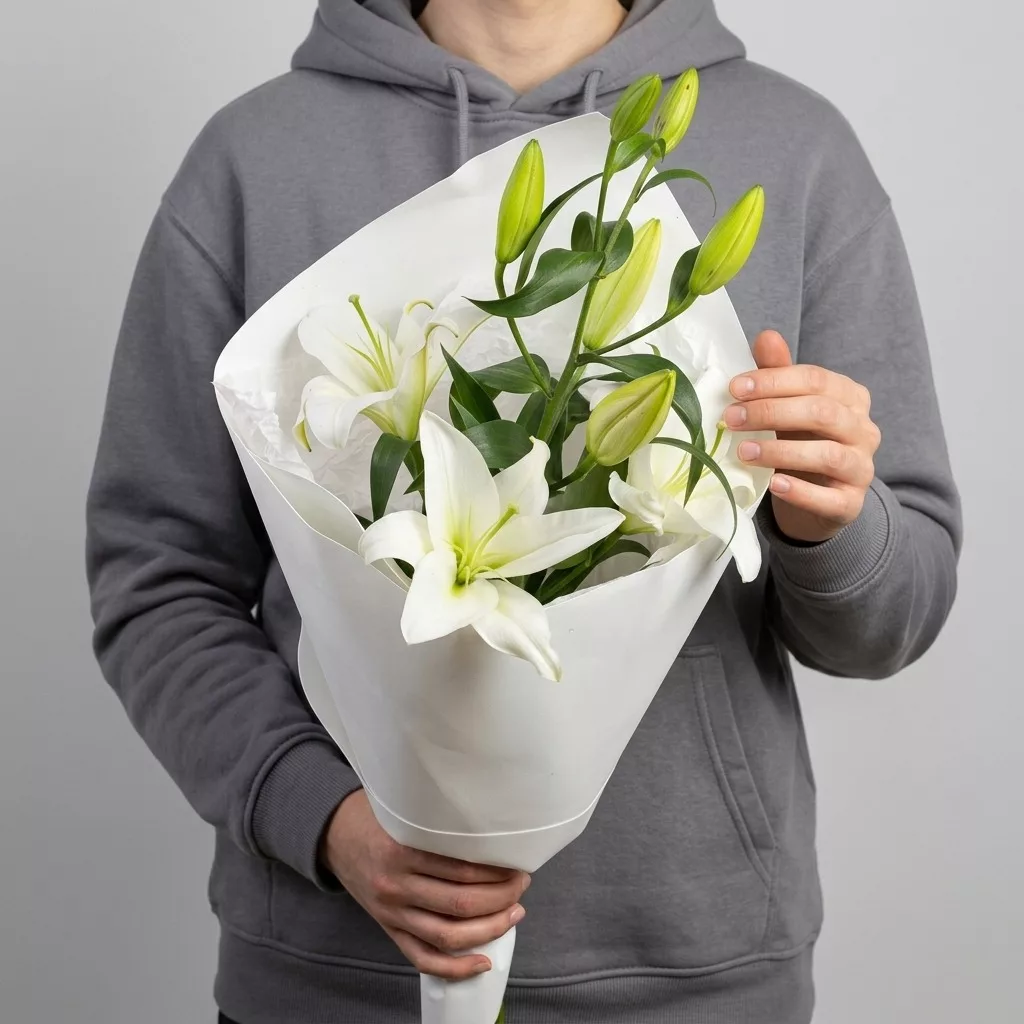
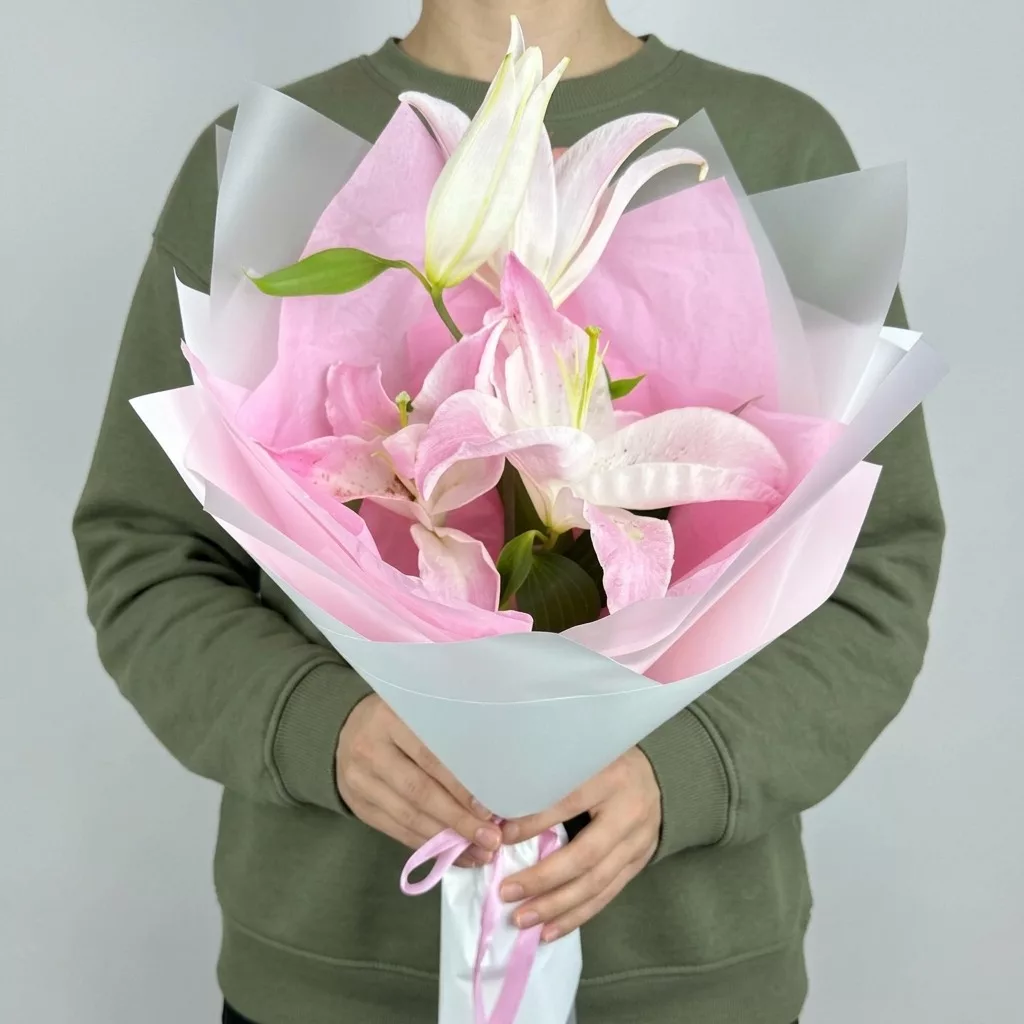
Bouquets we can deliver


The Three Document Types You Will Encounter
Russian corporate accounting for goods and services typically relies on three document formats, and flower purchases can involve any one of them depending on how the florist is set up and how your company prefers to work.
The first is the Universal Transfer Document, universalny peredatochny dokument, or UPD. This is a combined document that replaces both the invoice and the delivery note. It records the seller, the buyer, the goods or services, the VAT amount, and the date of transfer. For companies that are VAT payers and want to reclaim input VAT on the purchase, the UPD is the most useful format because it carries all the information the tax authority needs in a single sheet.
The second format is an act of services rendered, akt okazannykh uslug. This is more common when the florist frames the transaction as a service — flower arrangement and delivery — rather than a simple sale of goods. The act confirms that the service was provided, accepted, and completed. It carries two signatures, yours and the seller's, and a date.
The third is the cash receipt, kassovy chek, issued by the florist's online cash register. For smaller purchases or when a company operates under a simplified tax regime and does not need VAT documentation, the receipt alone can be sufficient. It must meet modern requirements: a QR code, the seller's tax number, and an itemized list of what was purchased. Knowing which of these three your accountant actually needs before you place the order saves everyone time.
When the UPD Is the Right Choice for Your Flower Order
If your company is a VAT payer on the general taxation system, the UPD is almost certainly what your accountant will request. It consolidates the functions of a TORG-12 delivery note and a VAT invoice into one document, which simplified corporate document flow significantly after its introduction. For a flower purchase, the UPD should list the items — for example, a mixed bouquet of peonies and ranunculus, or a box arrangement of garden roses — along with the quantity, unit price, total, and the applicable VAT rate, which is currently twenty percent for most goods.
One practical point worth knowing: the florist must be registered as a VAT payer themselves for the UPD to carry any VAT you can reclaim. If the florist operates under the simplified tax regime, they cannot charge or document VAT, and the UPD they issue will show zero VAT. Your accountant can still use it to confirm the expense, but there will be no input VAT to offset.
For the UPD to be accepted without questions, the buyer's details must match exactly — full legal name, tax identification number, and registered address. It is worth confirming these with your finance team before placing the order rather than after. A mismatch in the company name or a missing KPP code can delay the document's acceptance in your accounting system. Turboflora issues UPDs for corporate clients and can prepare the document the same day as delivery, so your finance team is not waiting while the flowers are already brightening someone's desk.
Using an Act of Services for Floral Arrangements and Delivery
The act of services rendered is particularly common when the order involves a meaningful design element — a large installation for a corporate event, a series of table arrangements for a conference, or a custom-assembled presentation bouquet. In these cases the florist is not simply selling you stems; they are providing a creative and logistical service. The act reflects that framing.
The document should state clearly what service was provided, when it was delivered, and that both parties confirm completion and acceptance. Your authorized representative signs on the buyer's side, and the florist signs on the seller's side. Dates on both signatures must match or fall within a logical sequence. If the flowers were delivered on a Tuesday but the act is dated the following Friday, your accountant may flag the gap.
One thing to watch: the act of services and the UPD are not mutually exclusive. Some florists issue both — the act to confirm delivery and acceptance, and the UPD to carry the VAT detail. If your company needs input VAT documentation and the florist is a VAT payer, asking for both documents gives your accountant everything they need and removes any ambiguity.
For recurring corporate orders — say, weekly fresh arrangements for a reception area — you can agree on a monthly consolidated act covering all deliveries within that period. This reduces paperwork on both sides and is entirely acceptable under Russian accounting rules, provided each individual delivery is logged in the accompanying specification or annex to the act.
Cash Receipts: When They Are Enough and When They Are Not
The modern Russian cash receipt, issued through a registered online cash register, is a legally valid primary document in many situations. Since 2019, all retailers including florists are required to use online cash registers that transmit data to the Federal Tax Service in real time. A compliant receipt carries a QR code, the seller's INN, the cashier's details, the date and time, and an itemized list of the purchase.
For companies on the simplified tax regime that do not work with VAT, a receipt is often sufficient to confirm a flower expense. The accountant books it as a documented cash or card expenditure, links it to the internal order or memo describing the business purpose, and the expense is closed. No additional documents are legally required in this scenario.
However, for general taxation system companies that want to reclaim VAT, the receipt alone is not enough. The receipt shows the total including VAT but does not function as a VAT invoice. You will need either the UPD or a separate VAT invoice issued alongside the receipt. This is a common point of confusion: managers assume that because the receipt shows a VAT line, it is sufficient. It is not, and the tax authority will disallow the VAT reclaim if the UPD or invoice is missing.
A practical tip: when ordering flowers online or by phone, mention at the point of order that you need a full corporate document package. Preparing it after delivery is possible but takes longer, and some details — like the exact item description — are easier to confirm while the order is still being assembled.
The Internal Documents That Support the Whole Package
External documents from the florist are only one part of what makes a flower expense defensible. Russian accounting practice also expects internal documents that explain the business context. Without them, even a perfectly formatted UPD can be questioned during a tax audit.
The most common internal document is a brief internal order or memo, prikaz or sluzhebka, signed by an authorized manager. It should state the occasion — for example, congratulating a key client on their company anniversary — the name of the recipient organization if relevant, and the budget authorization. This memo connects the purchase to a business event and makes the representational purpose explicit.
For larger or recurring purchases, companies sometimes maintain a representational expense register, a simple table listing dates, occasions, amounts, and the names of the events or recipients. This register, updated monthly, gives an auditor a clear overview and reduces the chance of individual transactions being scrutinized in isolation.
If flowers are purchased for an internal corporate event — a team celebration or an office decoration for a partner visit — the supporting document might be an event plan or agenda showing the date, purpose, and list of participants. The more clearly the flowers are tied to a specific, identifiable business moment, the stronger the expense documentation becomes.
None of this needs to be elaborate. A two-paragraph memo with a date, a signature, and a clear description of the occasion is usually sufficient. The goal is simply to show that the purchase was intentional, purposeful, and connected to the company's commercial activity rather than a personal whim charged to the business account.
Practical Steps to Get the Document Package Right Every Time
Getting the paperwork right consistently comes down to a short routine established before you even choose the flowers. The first step is confirming with your accountant which document format they need for this particular purchase — UPD, act of services, or receipt — and whether you need VAT documentation. This single question, asked before the order, eliminates most of the back-and-forth that happens afterward.
The second step is providing your full legal entity details when placing the order. This means the company's full name as registered, the INN, the KPP if applicable, and the registered address. Turboflora's corporate ordering process collects these details upfront so that documents are prepared correctly the first time and do not need to be reissued.
The third step is timing. If you need a UPD or act issued on a specific date — for example, to fall within the current quarter — communicate that when ordering. Documents are dated based on the delivery date, so an order placed on the last day of a quarter will carry that date, which may or may not suit your reporting cycle.
Finally, keep a simple folder, physical or digital, for each flower-related expense: the external document from the florist, the internal memo or order, and a photo of the arrangement if that helps tell the story of the occasion. An auditor who can see a clear, consistent package across multiple transactions will move through them quickly. One that encounters missing memos or mismatched dates will slow down and ask more questions. A small organizational habit at the time of purchase saves a disproportionate amount of effort later.
Flowers ordered for business purposes in Russia are entirely legitimate expenses — the tax code makes room for them, and accountants handle them routinely. The difference between an expense that closes cleanly and one that triggers questions is almost always in the document package and the internal memo, not in the flowers themselves. Whether your company needs a UPD with full VAT detail, an act of services for a custom arrangement, or a compliant cash receipt for a simpler purchase, the key is knowing which format applies before the order is placed. Turboflora works with corporate clients across Russia and prepares the full document package as a standard part of every business order, so your finance team has everything they need from the moment the bouquet arrives.
Frequently asked questions
Can a simple cash receipt be enough to expense flowers for a business meeting?
For companies on the simplified tax regime that do not reclaim VAT, a compliant modern cash receipt is generally sufficient when paired with an internal memo describing the business purpose. For general taxation system companies that want to offset input VAT, the receipt alone is not enough — you will also need a UPD or a separate VAT invoice from the florist.
What is the maximum percentage of payroll that representational expenses can reach?
Under Article 264 of the Russian Tax Code, representational expenses — which include flowers ordered for client meetings, partner events, and similar business occasions — are deductible up to four percent of the company's total payroll costs for the reporting period. Expenses above that threshold are not deductible for profit tax purposes, though they may still be booked internally.
Does it matter which flowers are ordered, or only the occasion and the documents?
The tax authority does not evaluate the specific variety of flower or the style of arrangement. What matters is that the purchase is linked to a documented business occasion and supported by the correct external and internal documents. A bouquet of spray roses and one of garden peonies are treated identically — the paperwork and the stated purpose determine deductibility, not the botanical choice.
Can we set up a monthly consolidated act for weekly flower deliveries to our office?
Yes. Russian accounting rules allow a monthly consolidated act of services covering multiple deliveries within the same period, provided each individual delivery is listed in an annex or specification attached to the act. This approach reduces administrative work on both sides and is widely used by companies that maintain regular standing orders for fresh office arrangements.
What details must we provide to receive a correctly formatted UPD from Turboflora?
You will need to supply your company's full legal name exactly as registered, your INN, your KPP if your organization has one, and your registered legal address. Providing these details at the point of ordering — rather than after delivery — ensures the UPD is issued correctly the first time and does not need to be reissued, which can complicate quarterly reporting.
Ready to send flowers?
Pick the city, choose the bouquet, and a local florist takes it from there.
Choose a city →