Flower colours: how to choose the right shades for your gift
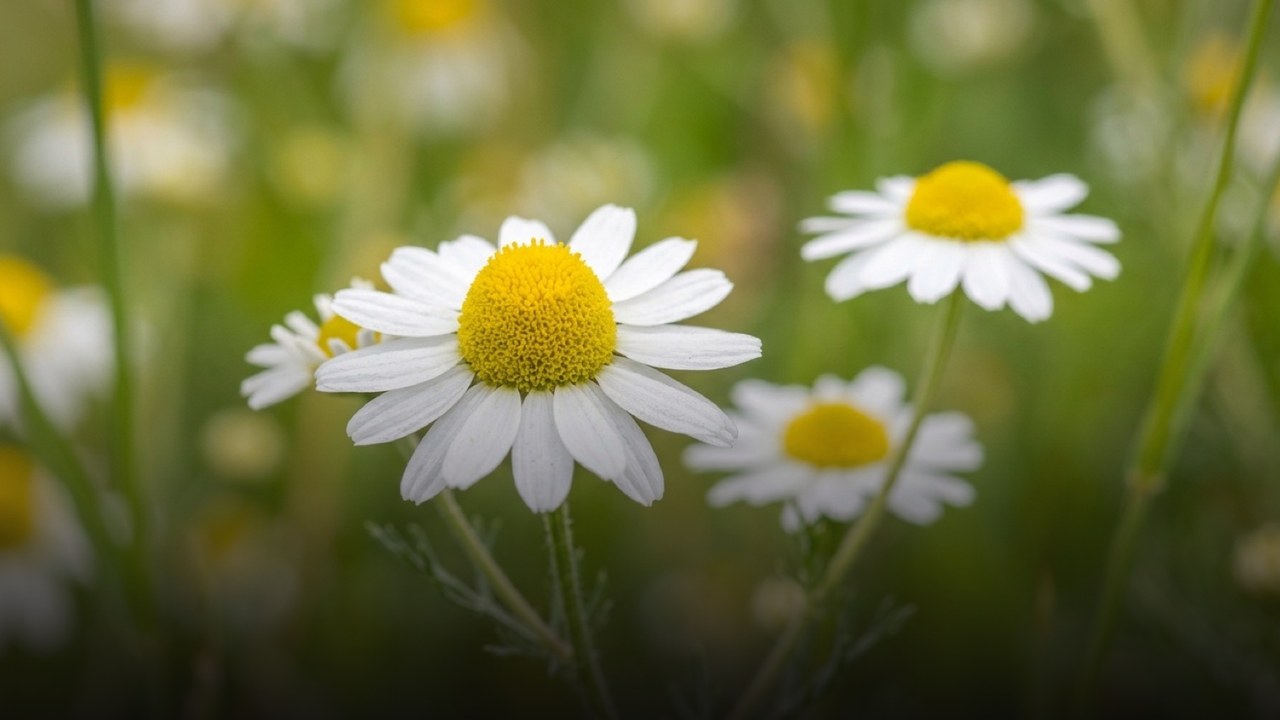
Flower colours help set the tone of a bouquet: red often suggests love, pink affection, yellow warmth, white simplicity or remembrance, and purple admiration. These meanings are associations rather than fixed rules, so the recipient’s taste, the occasion and your relationship should guide your choice.
If you are sending flowers to someone in Russia, start with the colours they enjoy and then consider what the whole arrangement communicates. A deep red rose bouquet feels different from red tulips mixed with yellow flowers, even though both contain red. You can make the intention clearer through the flower type, the balance of shades and a short personal message.
What the main flower colours can mean
Red is the clearest conventional choice for romantic affection, especially in roses. Burgundy gives a deeper, more restrained impression, while bright scarlet feels more emphatic. For a colleague or relative, red can still work, but a mixed bouquet usually carries less romantic emphasis than an arrangement made entirely of red roses. Choose the overall composition with your relationship in mind.
Pink commonly expresses tenderness, gratitude or affection, making it useful for birthdays, family gifts and thank-you bouquets. Pale pink creates a gentle effect; stronger pink feels lively and prominent. White can suggest sincerity, elegance or remembrance, depending on the setting. It is also widely used in celebrations, so a white bouquet does not automatically communicate sympathy.
Yellow and orange bring visual warmth and often suit cheerful congratulations. Purple and lilac can suggest admiration or create a quieter, more reflective mood. Blue flowers offer a cool contrast, although availability and whether a particular flower is naturally blue need checking. For a gift centred on roses, our guide to roses by colour in Russia explores the associations in more detail.
Read Russian flower etiquette in context
Some recipients in Russia associate yellow flowers with separation, an idea reinforced by popular culture, while others simply love their sunny colour. Treat that as a possible personal sensitivity rather than a universal prohibition. If you know the recipient enjoys yellow tulips or sunflowers, their preference is more useful than a rigid colour rule. If you are unsure, a different favourite shade is an easy choice.
For celebratory gifts in Russia, an odd number of flowers is the usual convention when individual stems are clearly counted; even numbers are traditionally associated with mourning. In a mixed arrangement, the count can be less obvious, but it is still sensible to raise the occasion when choosing. Our Russian birthday flower guide explains how colour and number work together.
Context matters particularly with red carnations and restrained white arrangements, which can carry commemorative associations in certain settings. Neither colour is unsuitable for celebrations in itself. Consider the flower, the date and the way the bouquet is presented together. For a condolence gift, follow the family’s preferences or religious customs where you know them, rather than relying on colour symbolism alone.
Bouquets we can deliver




Build a colour combination that looks intentional
A bouquet in one colour family is a useful starting point when you want a cohesive result. You might combine blush, rose pink and deeper raspberry, allowing differences in petal shape and texture to provide interest. Ask for a dominant shade rather than expecting every flower to match exactly: natural petals can differ between varieties, and a bloom may have a paler edge or a darker centre.
For a soft combination, choose neighbouring colours such as peach, apricot and warm pink, or lilac with purple. For stronger contrast, try yellow against purple or orange against blue, using one colour as the main element and the other as an accent. Equal amounts of several intense shades can compete for attention; a clear dominant colour makes the arrangement easier to read.
White and foliage can give bright flowers more visual space, although foliage also changes the palette through its own shade and texture. When browsing the bouquets catalogue, look at the whole arrangement rather than a single standout bloom. Notice whether the effect is warm, cool, pale or saturated, then describe that effect when agreeing your choice.
Match the palette to the person and occasion
For a romantic gift, red is direct, but it is not compulsory. Pink may suit a gentler expression of affection, while peach or lilac can feel more personal if those are the recipient’s favourite shades. Let your message carry any meaning that colour cannot express reliably. A simple sentence about why you are thinking of them is clearer than expecting them to decode a particular combination.
For a birthday, start with something specific you know about the person: the colours they wear, flowers they have admired or shades they choose for their home. A vivid orange-and-pink palette may delight someone who enjoys strong colour, while another person may prefer cream and green. Age and gender are weak substitutes for that knowledge; they do not tell you whether someone likes pastels or bold flowers.
For a professional thank-you or congratulations, choose a palette that suits the relationship and keep the card wording explicit. Mixed pinks, whites, yellows or purples can all work, depending on the recipient’s taste. If the bouquet will be displayed on a desk or shared table, also consider its size and fragrance. An attractive colour scheme is only part of making a gift comfortable to receive.
Check the flowers behind the colour and care for them
A colour request does not identify a flower variety, its fragrance or its vase life. Two pink bouquets can behave differently because they contain different flowers at different stages of opening. If a particular shade matters, describe it precisely: buttery yellow rather than lemon, dusty pink rather than hot pink. A reference image can help communicate the direction, but screen settings and lighting affect how colours appear.
Unusually vivid blue, rainbow or metallic effects may involve dye, paint or another decorative treatment. Ask about the specific flowers if you want natural petal colours or need to understand how they should be handled. Do not assume a striking colour means the flowers will last longer. Flower type, condition and care matter more than whether the bouquet is pale, dark or brightly coloured.
On arrival, use a clean vase, remove leaves that would sit below the waterline and recut the stems with a clean, sharp tool. Follow any supplied flower-food instructions, refresh the water regularly and keep the arrangement away from direct sun, heaters and ripening fruit. Remove fading flowers as needed. Some petals change shade as they open or age, so colour alone is not a complete measure of freshness.
Order a colour-led bouquet for delivery in Russia
To make your request useful, give the occasion, your preferred palette and any colours you want to avoid, then agree the recipient’s address and delivery timing. You can contact a manager on WhatsApp for help choosing a bouquet, agreeing those details and your card text, and arranging a photo of the bouquet before delivery. State whether a particular flower or the overall colour effect matters most.
We deliver flowers across Russia. City delivery costs 500 RUB; for remote districts and suburbs, the operator confirms the price when confirming the order. In large cities, express delivery is available 1–2 hours after order confirmation. Other options are an exact time within ±30 minutes, the windows 09–12, 12–15, 15–18 or 18–21, and pre-ordering 1–30 days ahead. If you are abroad, make the intended delivery date and time clear when agreeing the details.
Delivery is anonymous by default: the courier does not name the sender, and a card with your text is free. The courier calls the recipient about 15 minutes before arrival. If they are absent, we agree a second delivery the same day or a handover to a neighbour or concierge with the sender’s consent. Online checkout uses CloudPayments; check the payment options displayed there. See delivery and payment when planning your order.
Frequently asked questions
Which flower colours are best for a birthday?
Choose the recipient’s favourite colours first; pink, yellow, orange, white and purple can all suit a birthday. If you do not know their preferences, choose a cohesive mixed palette and make the birthday message clear in the card.
Is it bad luck to give yellow flowers in Russia?
Some people associate yellow flowers with separation, but that interpretation is not universal. If the recipient likes yellow, their preference is a better guide; if you are uncertain, choose another colour they enjoy.
Do white flowers always mean sympathy?
No: white flowers are also used for weddings, birthdays and other celebrations. Their meaning depends on the flower type, arrangement, occasion and accompanying message.
Can I request a very specific flower colour?
Describe the shade clearly and ask the manager to confirm what can be arranged. Natural petals vary, and a photograph viewed on different screens cannot establish an exact colour match.
How can I send flowers to Russia from abroad?
Choose a bouquet and agree the address, delivery timing and card text with the manager if you need help. Checkout uses CloudPayments, so check the options displayed there for your payment method.
Ready to send flowers?
Pick the city, choose the bouquet, and a local florist takes it from there.
Choose a city →