Sending Flowers to Abakan: Timing, Areas and What Arrives at the Door
Abakan sits at the heart of Khakassia, a city that feels unhurried but expects a lot from a gift. When you are ordering flowers from another city — or simply want something to arrive before a birthday lunch — the details matter enormously. Which neighbourhoods are covered, how long delivery actually takes on a cold Siberian afternoon, and what a bouquet looks like after travelling across town: these are the questions worth answering before you place an order.
Which Parts of Abakan Receive Deliveries and How Quickly
Abakan is a compact city by Russian standards, which works in your favour. The central districts — around Lenin Square, the Drama Theatre and the main pedestrian streets — are the easiest to reach, and deliveries there typically land within an hour of the order being confirmed. Residential areas further out, including the neighbourhoods near the Abakan River embankment and the districts bordering the industrial zones to the north, are fully covered as well, though the courier may need the full two-hour window depending on traffic and time of day.
Rush hour in Abakan is real, especially on weekday afternoons when the bridges over the Abakan River slow everything down. If you are planning a surprise for exactly six in the evening, placing the order by four gives a comfortable buffer. Morning deliveries, particularly between nine and noon, tend to be the smoothest — the roads are clear and florists have just finished the freshest arrangements of the day.
One thing to confirm when ordering is the precise address format. Abakan uses a grid-based street layout, and many buildings have both a street number and a building letter. Missing the letter can send a courier to the wrong entrance entirely, which costs time neither side can afford. Double-check the flat number and the entrance code if the building has an intercom — this single step prevents most failed first-attempt deliveries.
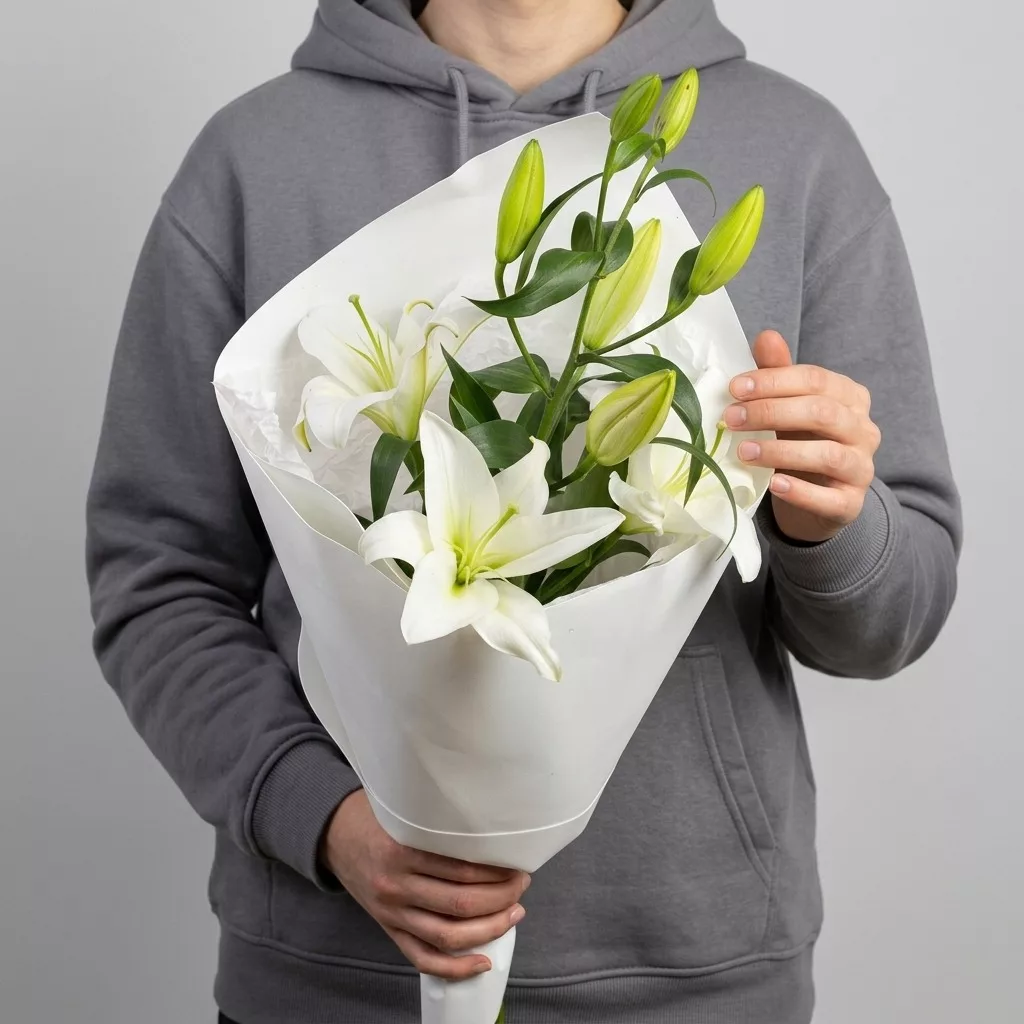
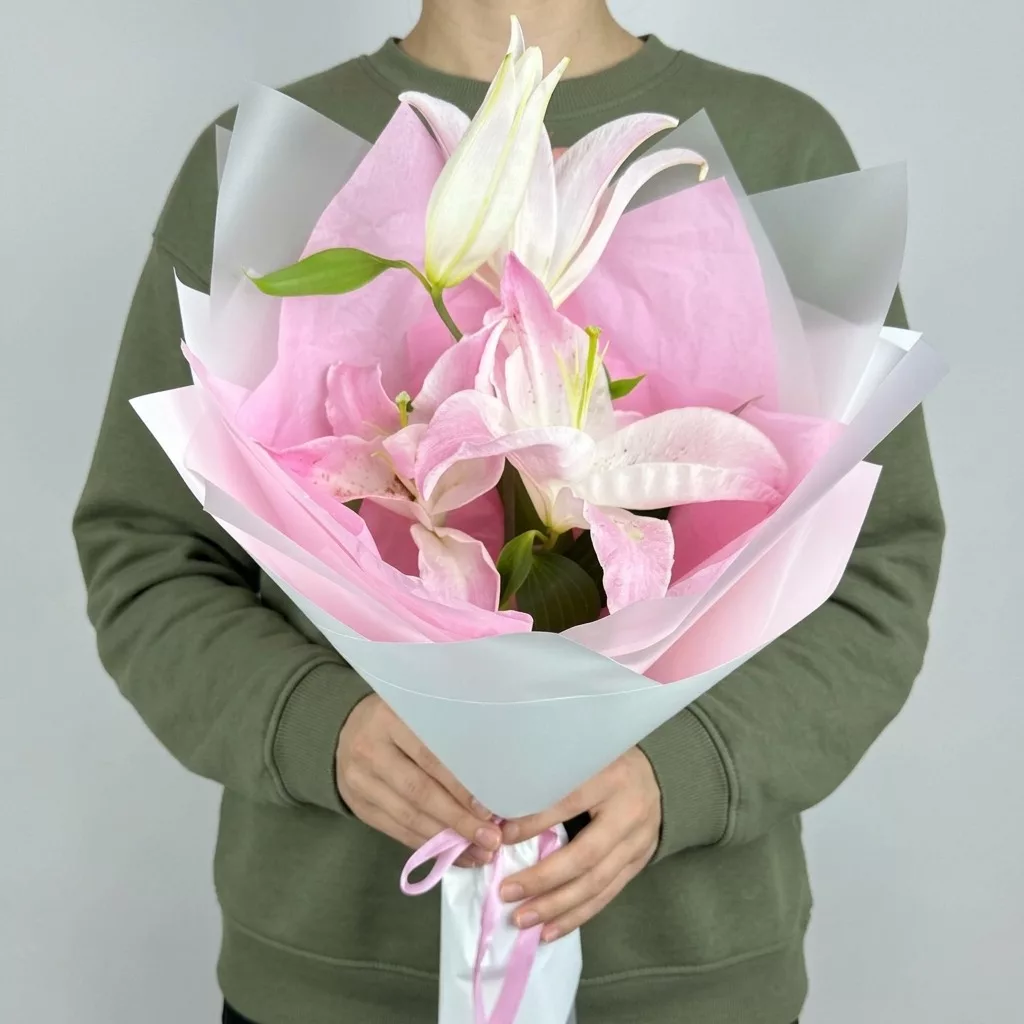
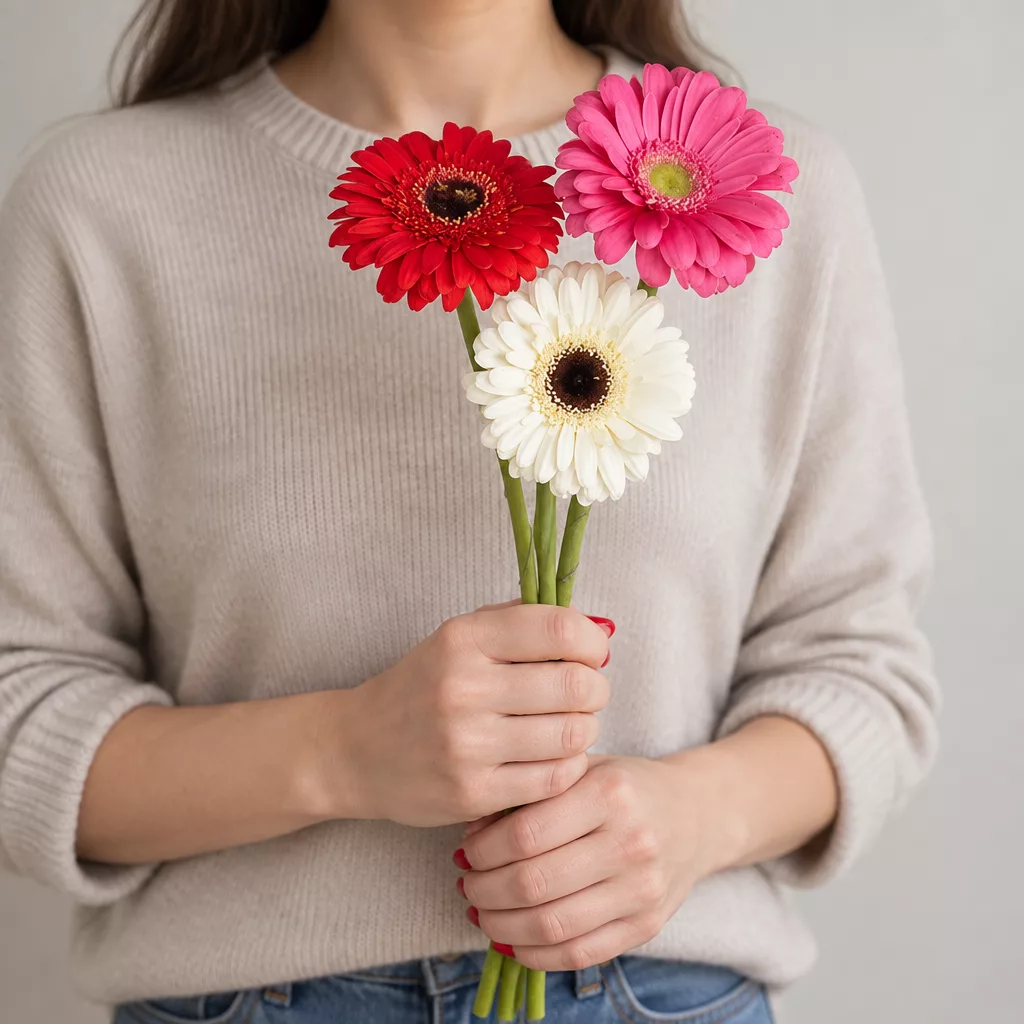
Bouquets we can deliver

What the Siberian Climate Does to Your Bouquet and How We Handle It
Abakan has a sharply continental climate. Winters are genuinely cold, with temperatures regularly dropping below minus twenty Celsius between December and February, and summers can push above thirty-five. Both extremes create real challenges for cut flowers, and understanding them helps you choose the right bouquet for the season.
In winter, the biggest risk is thermal shock. A bouquet of tulips or ranunculus that moves from a warm van into minus-fifteen air and then immediately into a heated apartment can bruise petals and collapse stems within hours. To protect against this, bouquets are wrapped in multiple layers of insulating kraft paper and placed in a thermal sleeve for cold-weather transit. The wrapping is not just decorative — it is functional, and recipients should be told to unwrap slowly indoors rather than tearing the paper off on the doorstep.
In summer, the challenge reverses. Heat wilts hydrangeas and garden roses quickly, and a bouquet sitting in a warm car for twenty minutes can arrive looking tired. This is why summer orders in Abakan are best placed in the morning or early evening, and why flowers with stronger stems and waxy petals — spray chrysanthemums, alstroemeria, tropical anthuriums — hold up better than soft, open garden varieties during a midday July run.
Spring and autumn are the most forgiving seasons. Temperatures in the range of five to fifteen degrees Celsius are close to ideal for most cut flowers, and a bouquet of peonies in May or dahlias in September will arrive looking exactly as it left the studio.
Choosing the Right Flowers for the Person, Not Just the Occasion
A birthday, a job promotion, a new home — each moment calls for a different emotional register, and the flowers should match the feeling you want the recipient to walk into. For a close friend turning thirty, something abundant and slightly wild works well: a mixed bouquet of garden roses in blush and cream, eucalyptus branches and a few stems of white lisianthus gives a generous, personal feeling that a uniform dozen red roses simply does not.
For a colleague or a professional contact, restraint reads as elegance. A monochrome arrangement — all white or all ivory — using spray roses, freesia and a single variety of foliage signals taste without overstepping. In Russian professional culture, flowers are a perfectly normal gift between colleagues, especially for women on birthdays or on the eighth of March, which is International Women's Day and the single busiest flower day of the year across the country.
For romantic occasions, the classic choices are classic for a reason. Red roses remain the clearest signal, but a bouquet that mixes deep red with burgundy ranunculus and dark foliage like ruscus feels more considered than a single-variety bundle. If the recipient prefers something less conventional, pale peach roses paired with white anemones and dried pampas grass make a striking alternative that still reads as romantic without being predictable.
Children and teenagers respond to colour and novelty. Bright sunflowers, vivid gerberas in orange and yellow, or a cheerful mix of alstroemeria in multiple shades will land better than a refined monochrome arrangement that belongs in an office lobby.
Bouquet Sizes and What Different Budgets Actually Look Like
The size of a bouquet communicates something before a single petal is smelled, and it is worth being honest about what different scales of arrangement actually contain. A small bouquet — five to seven stems — is not a lesser gift when it is composed thoughtfully. Five stems of garden roses with a generous wrap of Italian ruscus and a ribbon in a complementary colour can look just as deliberate as something twice the size. This format works well for a desk, a bedside table or a small apartment where a large arrangement would feel overwhelming.
A medium bouquet of eleven to fifteen stems gives a florist enough material to work with real combinations. This is where you start to see layering: a focal flower like a peony or a large-headed rose, a secondary flower like lisianthus or spray carnations, and a third element — foliage, dried accents or a filler like waxflower — that ties the composition together. For most occasions in Abakan, this size feels generous without being excessive.
Large arrangements of twenty-five stems and above are for moments that should be unmistakable: a significant anniversary, a grand opening, a declaration. They require a proper vase at minimum, and ideally a wide-based vessel that can support the weight. If you are not sure whether the recipient has suitable vases at home, a box arrangement — flowers presented in a decorative box rather than a hand-tied bouquet — solves the problem elegantly and looks impressive on a table without any additional container.
Always mention any allergies or strong scent preferences when ordering. Lilies, for example, are beautiful but intensely fragrant, and some people find them overpowering indoors.
What Happens on the Eighth of March and Other Peak Days in Abakan
If you are not familiar with the Russian flower calendar, a few dates will surprise you. The eighth of March — International Women's Day — is by far the largest flower-buying event of the year, larger than Valentine's Day by a significant margin. In Abakan, as across Russia, it is standard for men to give flowers to mothers, wives, girlfriends, female colleagues and female friends. The volume of orders on March seventh and eighth is enormous, and delivery windows stretch considerably.
The practical advice is simple: order for the eighth of March no later than the sixth, and ideally the fifth. Specify a delivery window for the morning of the eighth if you can, because by afternoon the roads are busy with couriers and the most popular varieties — tulips, mimosa, roses — sell out quickly. Tulips are the traditional flower for this holiday specifically, and a bouquet of yellow or pink tulips is as culturally legible in Russia as roses on Valentine's Day are in Western countries.
The ninth of May, Victory Day, sees a spike in carnation purchases — red carnations are the traditional flower for this date and carry specific historical meaning. New Year, which runs from the thirty-first of December through the eighth of January in Russia, is another busy period, though flowers compete with other gifts and the focus shifts toward festive arrangements with winter foliage, white roses and silver accents.
For any of these dates, placing your order well in advance is not overcaution — it is simply how you guarantee that the bouquet arrives on time and looks exactly as planned rather than as whatever is left.
Care Instructions to Pass Along with Every Bouquet
A bouquet is only as good as the care it receives after delivery, and a few specific instructions passed to the recipient can double the vase life of almost any arrangement. The first step is always a fresh cut: trim two to three centimetres from the bottom of each stem at a forty-five degree angle, using scissors or a sharp knife rather than tearing. The angled cut increases the surface area for water uptake and prevents the stem end from sitting flat against the bottom of the vase and blocking absorption.
Vase water should be cool and clean. Many people add too much of the flower food sachet that comes with the bouquet — the correct amount is printed on the packet and is worth following. Change the water every two days, and re-cut the stems each time. This sounds like effort, but it extends the life of roses and lisianthus by three to five days, which is meaningful when you want the gift to last through a week.
Position matters more than most people realise. Keep the bouquet away from direct sunlight, heating vents and fruit bowls. Ripening fruit releases ethylene gas, which accelerates the ageing of cut flowers — a bouquet next to a bowl of apples will fade noticeably faster than one on the other side of the room.
Different flowers have different lifespans even within the same bouquet. Alstroemeria and spray chrysanthemums routinely last ten to fourteen days. Garden roses and tulips are closer to five to seven. Removing spent stems promptly keeps the remaining flowers looking fresh and prevents bacteria from spreading through the water.
How to Write a Message That Matches the Flowers
The card that arrives with a bouquet is read in a moment of genuine emotion, and it deserves as much thought as the flowers themselves. In Russian gifting culture, a handwritten or personally worded message carries real weight — it signals that the sender chose the words rather than clicking a default template. Even if the order is placed online from another city, a specific, personal message transforms a beautiful bouquet into a complete gift.
For a birthday, avoid the generic. Instead of writing simply happy birthday, say something about the year ahead or reference something specific to the person. A line like wishing you the kind of year that matches the colour of these peonies — full and generous — takes thirty seconds to write and will be remembered far longer than the flowers themselves.
For professional occasions in Russia, tone should stay warm but measured. Congratulations on the promotion, with genuine admiration for your work is appropriate. Overly intimate language between colleagues can feel uncomfortable in Russian professional contexts, so match the register of the relationship accurately.
For romantic occasions, sincerity outperforms cleverness every time. A short, honest sentence lands better than an elaborate metaphor. If you are ordering from a distance and the courier will hand-deliver the card, consider whether the recipient might be with others when the bouquet arrives — a very private message on a card read aloud in a shared office can create an awkward moment you did not intend.
Always proofread the message before confirming the order. Spelling errors in a card message are noticed immediately and stay noticed, which is the opposite of the impression a carefully chosen bouquet is meant to create.
Abakan is a city where a well-timed bouquet can cross a great deal of distance — geographic and emotional. Whether you are ordering from Saint Petersburg for a family member in Khakassia, or you live in Abakan and want something to arrive before a celebration starts, the principles are the same: choose flowers for the person rather than the occasion alone, order ahead of peak dates, and pass along a few care instructions so the gift lasts as long as the feeling it was meant to carry.
Frequently asked questions
Can I order a flower delivery in Abakan from another city?
Yes, entirely. You can place an order from anywhere in Russia through the Turboflora website, specify the Abakan address and delivery window, and add a personal card message. The bouquet is prepared and delivered locally in Abakan, so it arrives fresh regardless of where you are when you order.
How far in advance should I order for the eighth of March in Abakan?
Place your order by the fifth of March at the latest, and ideally the fourth. Demand on the seventh and eighth is extremely high, delivery windows fill up quickly, and the most popular varieties — particularly tulips and mimosa — sell out fast. An early order guarantees both the flowers you want and the time slot that works.
Will flowers survive the cold Abakan winter during delivery?
Yes, with the right packaging. Bouquets delivered in cold weather are wrapped in insulating kraft paper and a thermal sleeve to protect petals from temperature shock. Tell the recipient to unwrap the bouquet slowly once indoors rather than immediately in the doorway, which helps the flowers adjust to room temperature without bruising.
What flowers last longest in a vase in Abakan's dry indoor climate?
Alstroemeria, spray chrysanthemums and carnations are the most durable, often lasting ten to fourteen days with clean water and regular stem trimming. Lisianthus and freesia are also reliable. Hydrangeas and garden roses are beautiful but need attentive care — fresh cuts, cool water and distance from heat sources — to reach their full vase life of five to seven days.
Is it acceptable to send flowers to a male recipient in Russia?
It is less common than giving flowers to women, but it is not unusual in specific contexts. Flowers are sometimes given to men on milestone birthdays or professional achievements. A structured, architectural arrangement — think tropical leaves, anthuriums or a bold single-variety bouquet — tends to feel more appropriate than a soft romantic style for these occasions.
Ready to send flowers?
Pick the city, choose the bouquet, and a local florist takes it from there.
Choose a city →