Sending Flowers to Angarsk? Here Is What to Expect
Angarsk sits about 40 kilometres from Irkutsk, and the distance is real — but it does not have to mean a wilted bouquet or a missed moment. Whether you are surprising someone on a birthday, marking an anniversary from across the country, or simply saying you are thinking of them, the details of how flowers travel to Angarsk matter more than most people realise. This guide walks you through timing, seasonal variety, presentation, and the small choices that turn a delivery into something the recipient actually remembers.
Understanding the Delivery Zone and What It Means for You
Angarsk is one of the cities in the Irkutsk region that Turboflora covers with direct delivery. The city itself is compact and well-mapped, which works in your favour: addresses in the central districts, the residential mikrorayony to the north, and the industrial-adjacent neighbourhoods to the south are all reachable without the long detours that plague larger Siberian cities.
What this means practically is that the courier route from the assembly point to your recipient's door is predictable. There are no ferry crossings, no unmarked rural roads, and no neighbourhoods that require a separate arrangement. You place the order, the bouquet is assembled fresh, and it moves directly to the address you provide.
One thing worth knowing: Angarsk has a grid-based street plan inherited from its Soviet-era construction, so building numbers and block identifiers follow a logical sequence. When you fill in the delivery address, include the block number if there is one — in Russian addresses this is often written as korpus or just the letter after the building number. A missing block number is the single most common reason a courier has to call the recipient and ask for clarification, which can spoil a surprise. Double-check the address before confirming, and the rest takes care of itself.
Bouquets we can deliver

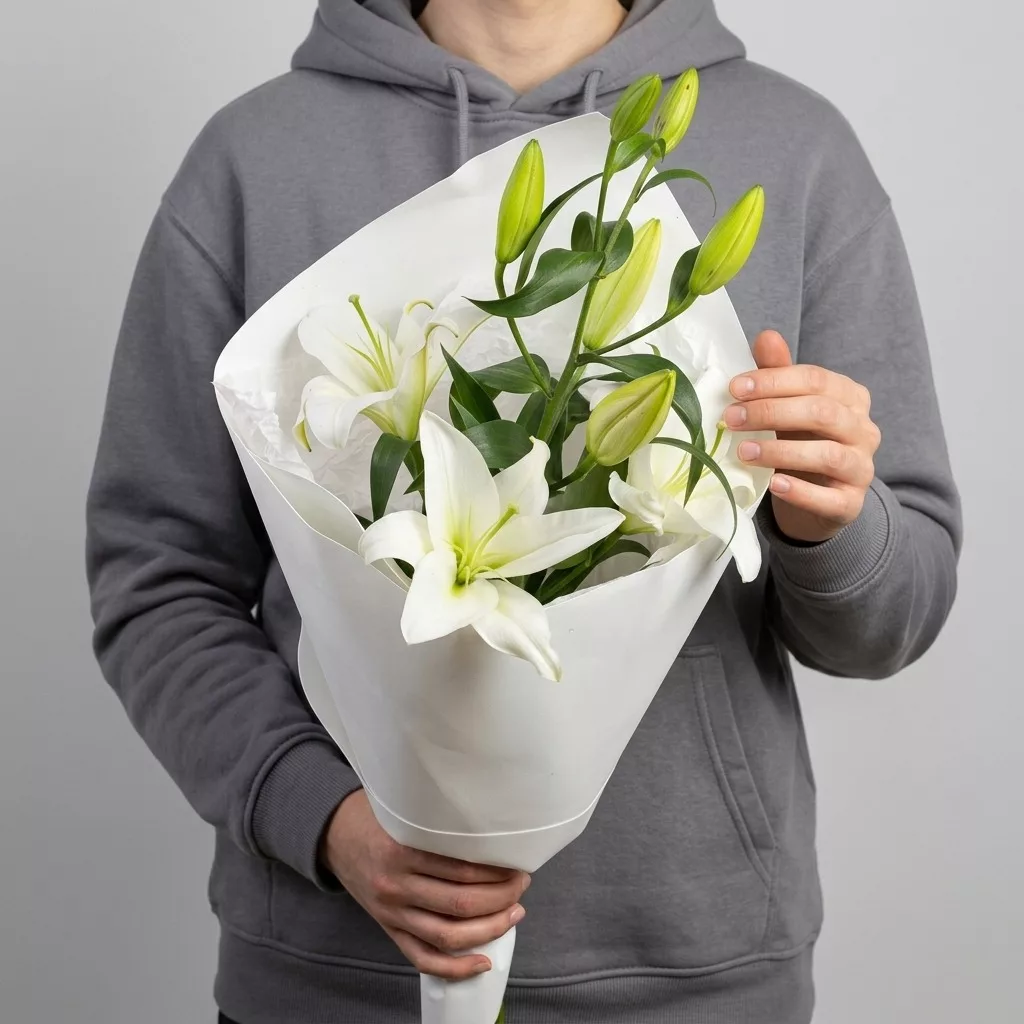
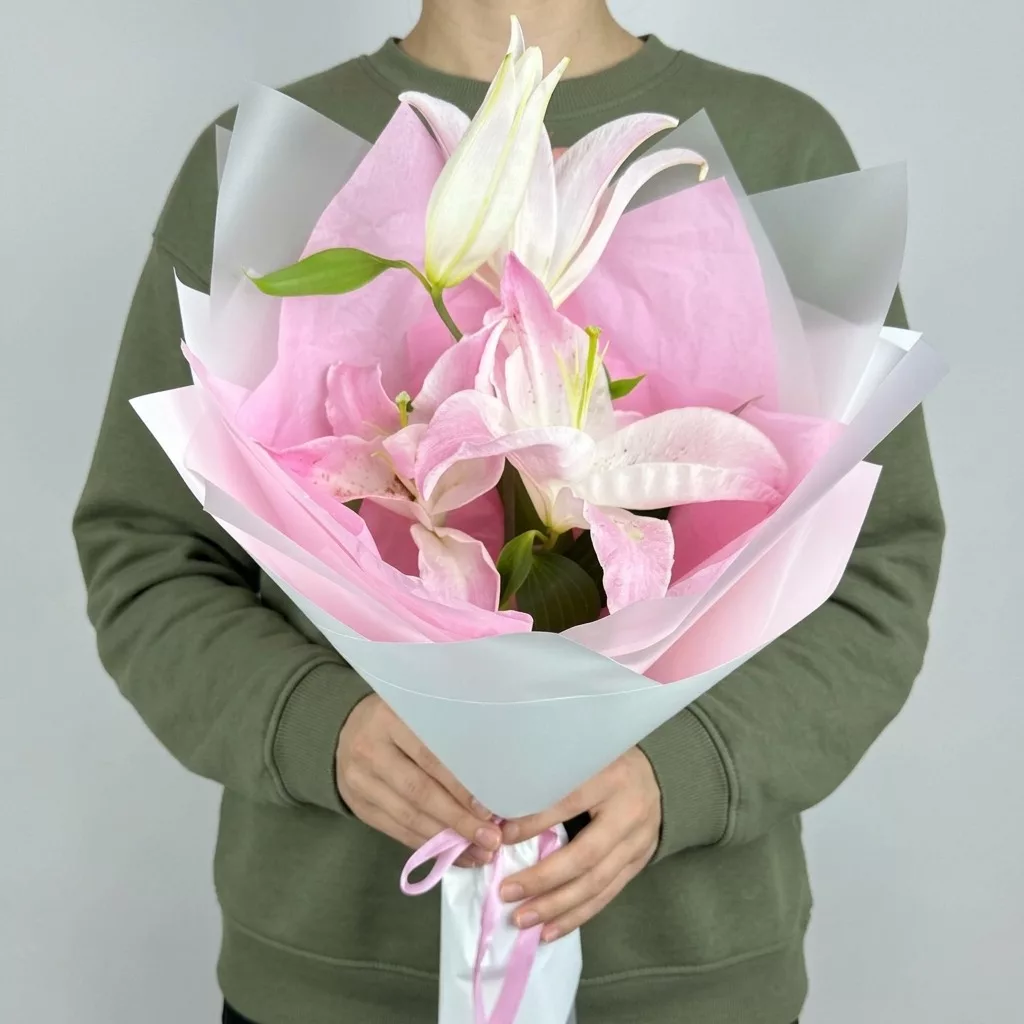
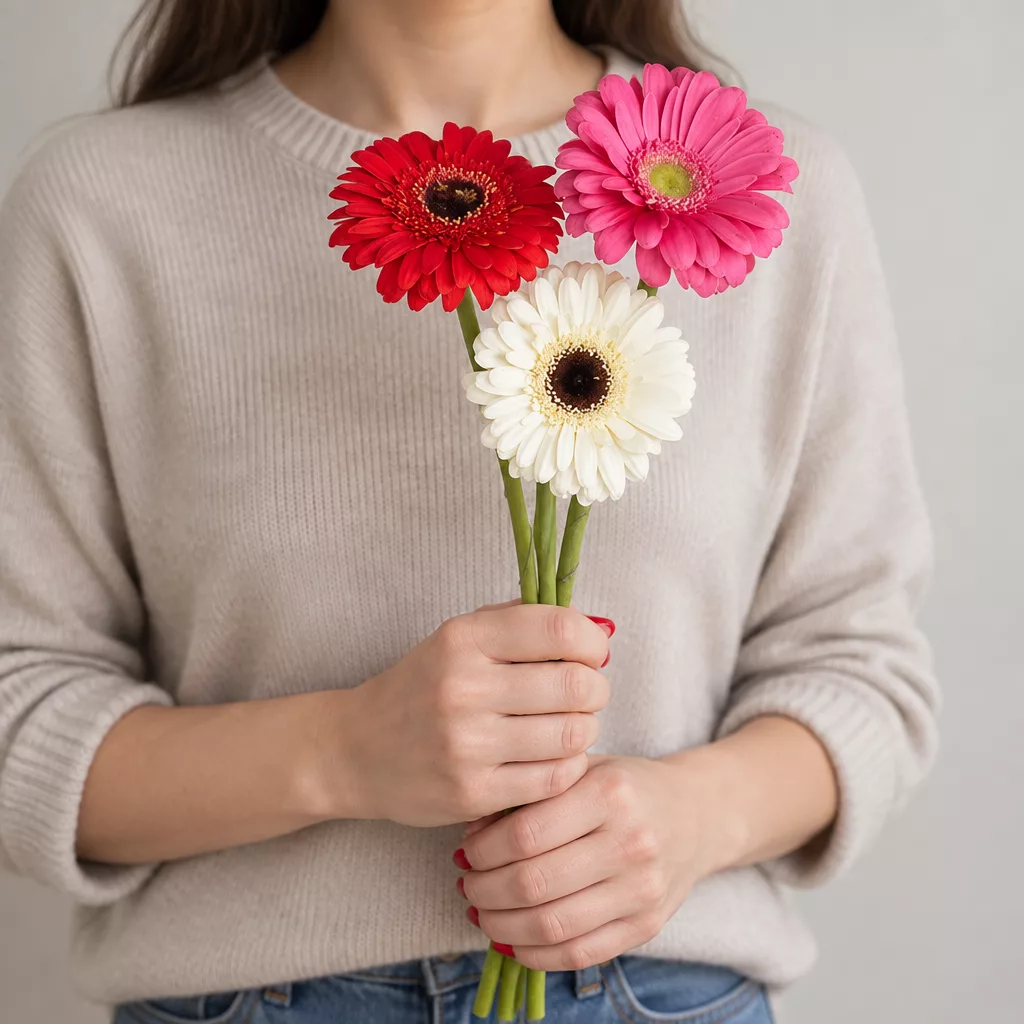
Timing Your Order for the Moment That Actually Matters
Turboflora operates on a one-to-two-hour delivery window, and that window applies to Angarsk just as it does to central Saint Petersburg. The key variable is when you place the order. Morning orders placed before noon tend to arrive with the most flexibility — if you want the bouquet on a desk before a work lunch or in someone's hands before a midday celebration, placing the order by ten in the morning gives the team comfortable room to assemble and dispatch.
Evening deliveries are popular for anniversaries and romantic occasions. If the plan is for flowers to arrive around seven or eight in the evening, placing the order by five gives a reliable buffer. Deliveries requested for very late evening, say after nine, depend on current availability, so it is worth checking the time slots when you order rather than assuming.
Siberian time zones matter when you are ordering from Moscow or Saint Petersburg. Angarsk runs on Irkutsk time, which is five hours ahead of Moscow. A person sitting in Moscow at two in the afternoon is looking at seven in the evening in Angarsk. This is easy to forget when you are excited about surprising someone, and it is the most common timing mistake we see. Convert the time first, then place the order. The recipient's local clock is the only one that counts when it comes to whether the flowers arrive before or after the celebration begins.
Choosing Flowers for Angarsk's Climate and Seasons
Angarsk has a sharply continental climate. Winters are long and cold, with temperatures regularly dropping to minus twenty-five Celsius or lower between December and February. Summers are short but genuinely warm, often reaching plus thirty in July. This range affects which flowers travel well at different times of year and what will look its best when it arrives.
In winter, roses are the most reliable choice. Varieties with dense, high-centred blooms such as Red Naomi or Mondial hold their structure well in cold transit and do not shed petals from the temperature shock of moving between a cold vehicle and a warm apartment. Chrysanthemums are equally cold-tolerant and last exceptionally well in Siberian indoor heating conditions, which tend to be dry.
Spring and early summer open up the range considerably. Tulips arrive from Dutch and domestic growers in good condition through April and May. Peonies, which are enormously popular in Russia for late-spring occasions, are available in May and June and make a generous, fragrant impression. Alstroemeria is a practical choice year-round because it travels reliably and lasts up to two weeks in a vase, which matters when you cannot be there in person to replace the arrangement.
In summer, sunflowers and lisianthus work beautifully together — the sunflowers bring warmth and scale, while lisianthus adds a layered, almost ruffled texture that softens the boldness. Avoid delicate flowers like sweet peas or anemones for winter delivery; they are simply not built for the cold.
How to Choose by the Occasion Rather Than Just the Flower
Most people start with a flower in mind. A better starting point is the person receiving it and the feeling you want them to have when they open the door. That shift in thinking changes every choice that follows.
For a birthday, the goal is usually delight and a sense of being celebrated. A mono-bouquet of thirty or more stems in a single colour — deep burgundy roses, for example, or all-white spray chrysanthemums — reads as generous and considered rather than thrown together. Adding a single contrasting accent, like a few stems of eucalyptus or ruscus, gives the arrangement depth without complicating it.
For a romantic occasion like an anniversary, scale and fragrance carry the moment. Peonies in season are the obvious choice, but if you are ordering outside peony season, garden roses with a loose, cupped bloom — varieties like David Austin-style roses — give a similar softness. Pair them with something that adds height and movement, such as matthiola or snapdragons, and the bouquet feels abundant rather than stiff.
For a thank-you or a gesture of friendship, mixed seasonal arrangements work well because they feel personal rather than formulaic. A combination of alstroemeria, solidago, and a few stems of spray roses in warm tones — peach, coral, soft yellow — reads as thoughtful without being overly formal. In Russian culture, giving flowers for everyday reasons is entirely normal and appreciated, so you do not need a major occasion to justify a delivery.
Presentation Details That Change How the Bouquet Feels
The wrapping and presentation of a bouquet communicate something before a single petal is touched. In Russia, bouquet presentation tends to be quite deliberate — flowers are often wrapped in layers of kraft paper, coloured tissue, or decorative film, and the style of wrapping signals the formality of the occasion as much as the flowers themselves do.
A bouquet wrapped tightly in a single sheet of kraft paper with twine has a natural, artisan feel that suits informal occasions and younger recipients well. A structured round bouquet in layered tissue and ribbon reads as more ceremonial, appropriate for milestone birthdays, graduations, or professional congratulations. When you place your order, you can specify the mood you are going for, and the florist will match the presentation accordingly.
For Angarsk deliveries in winter, the outer wrapping also serves a practical function: it protects the blooms during the brief but sharp exposure to cold air as the courier moves from vehicle to building entrance. A well-wrapped bouquet arrives with its outermost petals intact rather than nipped by frost. This is not a minor detail — a rose that has been touched by minus twenty air for even thirty seconds will show bruising on the outer petals within an hour of arriving in a warm room.
If the delivery is a surprise, let the team know. The courier will be briefed not to call the recipient in advance, which preserves the moment. A note card added to the bouquet is a small thing that recipients almost always keep, sometimes for years.
Vase Life and Care Once the Flowers Arrive
The bouquet arriving is the beginning, not the end. How the recipient cares for the flowers in the first hour determines whether the arrangement lasts three days or ten. A few straightforward habits make a significant difference, and it is worth including a care note with the delivery if the recipient is not someone who regularly keeps flowers.
The first step is a clean diagonal cut across each stem, about two centimetres from the bottom, using a sharp knife rather than scissors. Scissors crush the vascular tissue of the stem, which reduces water uptake. A knife cut leaves the tissue open. Do this under running water or immediately before placing the stems in water so air does not enter the cut end.
Water temperature matters more than most people expect. Lukewarm water, around twenty degrees Celsius, is absorbed more readily than cold water for most flowers. Tulips are an exception — they prefer cool water and will actually continue to grow in the vase, sometimes by several centimetres, which is worth knowing if the arrangement is placed near other objects.
Change the water every two days and re-cut the stems each time. Remove any leaves that sit below the waterline immediately, as submerged foliage rots quickly and contaminates the water. Keep the vase away from direct sunlight, radiators, and fruit bowls — ethylene gas released by ripening fruit accelerates petal drop noticeably, particularly in roses and carnations. In Angarsk's dry heated interiors, a light mist of water over the petals once a day extends freshness visibly.
What to Do If Something Is Not Right with Your Order
Occasionally something does not go as expected. A delivery runs later than the window, a stem arrives bent, or the colours differ from what you pictured when ordering online. Knowing what to do in those moments matters, and a good florist handles them without making you feel like you are asking for something unreasonable.
If the delivery is running late, the most useful first step is to check whether the recipient's address was entered completely, including the block number and flat number. A missing detail is the most common cause of delay, and the courier may be attempting to reach the recipient by phone to clarify. If the address is correct and the window has passed, contact the shop directly with your order number.
If a stem is damaged on arrival — a broken neck on a rose, for example, or a crushed stem from transit — a fresh diagonal cut two centimetres above the damage point will often allow the flower to recover in water within a few hours. A rose with a bent neck can sometimes be revived by wrapping the entire bouquet tightly in paper, re-cutting the stem, and standing it in deep water for two hours. It is not always possible, but it works often enough to be worth trying before concluding the flower is lost.
For concerns about the quality or composition of the arrangement itself, photographs taken on arrival are the most useful thing you can provide when contacting the shop. They make it possible to assess what happened and respond appropriately, whether that means a replacement, a partial refund, or another resolution. The goal is always that the recipient feels celebrated, not disappointed.
Angarsk is not the most obvious city to think of when you picture flower delivery, but the distance is manageable and the moment on the other end is exactly as real as it would be anywhere else. The person receiving the bouquet does not think about logistics — they think about the fact that someone chose to send them something beautiful. Getting the timing right, picking flowers suited to the season and the Siberian climate, and paying attention to small details like address completeness and presentation style are the things that make the difference between a delivery that lands perfectly and one that almost did.
Frequently asked questions
Can I schedule a flower delivery to Angarsk for a specific time of day?
Yes, you can select a preferred delivery window when placing your order. For morning deliveries, order before ten in the morning local Angarsk time. For evening deliveries, place your order at least two hours before the desired arrival time. Remember that Angarsk is five hours ahead of Moscow, so convert the time before you order to avoid a mismatch.
Which flowers hold up best during winter delivery in Angarsk?
Roses with dense, high-centred blooms such as Red Naomi and Mondial are the most cold-tolerant and arrive with petals intact even at minus twenty-five Celsius. Chrysanthemums are another excellent winter choice. Avoid delicate varieties like anemones or sweet peas in cold months, as brief exposure to Siberian temperatures causes visible bruising within hours of arrival.
How do I make sure a surprise delivery stays a surprise?
When placing your order, note in the comments that the delivery is a surprise. The courier will not call the recipient in advance to confirm arrival. Make sure the address is fully complete — building number, block identifier if applicable, and flat number — so there is no reason for the courier to contact the recipient for clarification.
How long will the flowers last once they arrive in Angarsk?
With proper care, roses and chrysanthemums last seven to ten days. Alstroemeria regularly reaches twelve to fourteen days in a clean vase with fresh water every two days. Tulips last five to seven days. Angarsk apartments tend to have dry heated air in winter, so misting petals lightly once a day and keeping the vase away from radiators extends freshness noticeably.
Is it normal to send flowers for everyday occasions in Russia, or only for major events?
Flowers are given freely in Russian culture for a wide range of reasons — a thank-you, a visit to someone's home, a small personal milestone, or simply because you are thinking of someone. There is no expectation that the occasion must be formal or significant. A spontaneous weekday delivery is entirely appropriate and is often received as more touching precisely because it was unexpected.
Ready to send flowers?
Pick the city, choose the bouquet, and a local florist takes it from there.
Choose a city →