Sending Flowers to Arzamas: Timing, Choices and What Arrives at the Door
Arzamas sits about four hundred kilometres east of Moscow, a quiet city of wide streets and unhurried rhythms — and when someone there opens the door to a fresh bouquet, the moment lands differently than in a big capital. Whether you are sending to a mother on her birthday, a colleague on a work anniversary, or a friend who just moved into a new flat, the flowers you choose and the care taken in transit are what turn a delivery into a genuine surprise. This guide walks you through exactly what happens from the moment you place your order to the second the bouquet reaches someone you care about in Arzamas.
Which Parts of Arzamas We Reach and Why It Matters
Arzamas is a compact city, but its neighbourhoods spread across both banks of the Tyosha River, and the older residential districts near the historic centre sit quite far from the newer microrayons on the outskirts. When you place an order, it helps to know the full postal address of the recipient, including the building number and any entrance or flat number. Russian apartment buildings often have several entrances, each with its own code panel, and a courier who cannot get past the door panel will have to call ahead — which removes the element of surprise.
We deliver across all central and residential districts of Arzamas, including the areas around Soborny Square, the Vyezdnaya neighbourhood and the districts along Kommunistov Street. Industrial zones on the far edges of the city may require a slightly longer delivery window, so if you are sending to an address outside the main urban area, choose a wider time slot when ordering.
One practical detail many senders overlook: if the recipient works in an office building with a reception desk or security post, note that in the comments field. Couriers are trained to handle both residential and office deliveries, and a small note saves time on both ends. The address you provide is the single most important piece of information in the whole order — double-check it before confirming.
Bouquets we can deliver

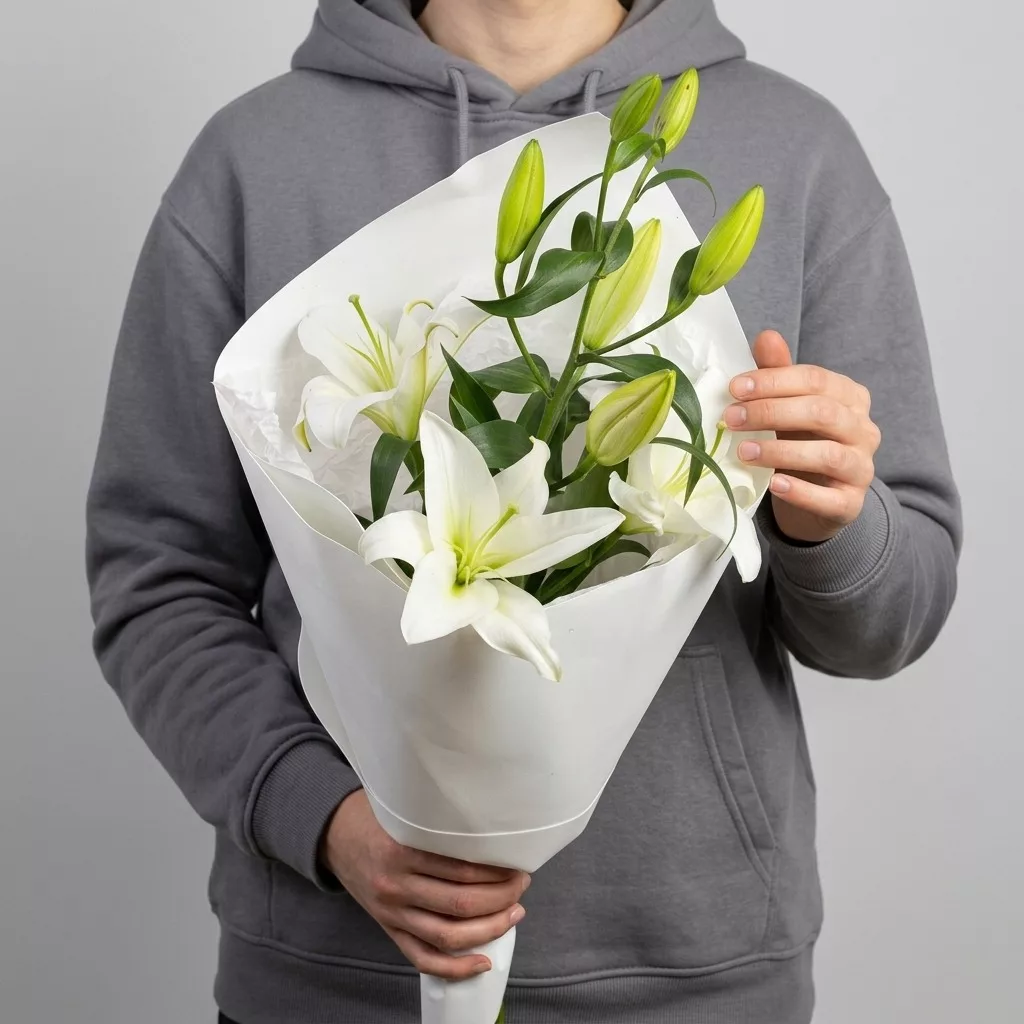
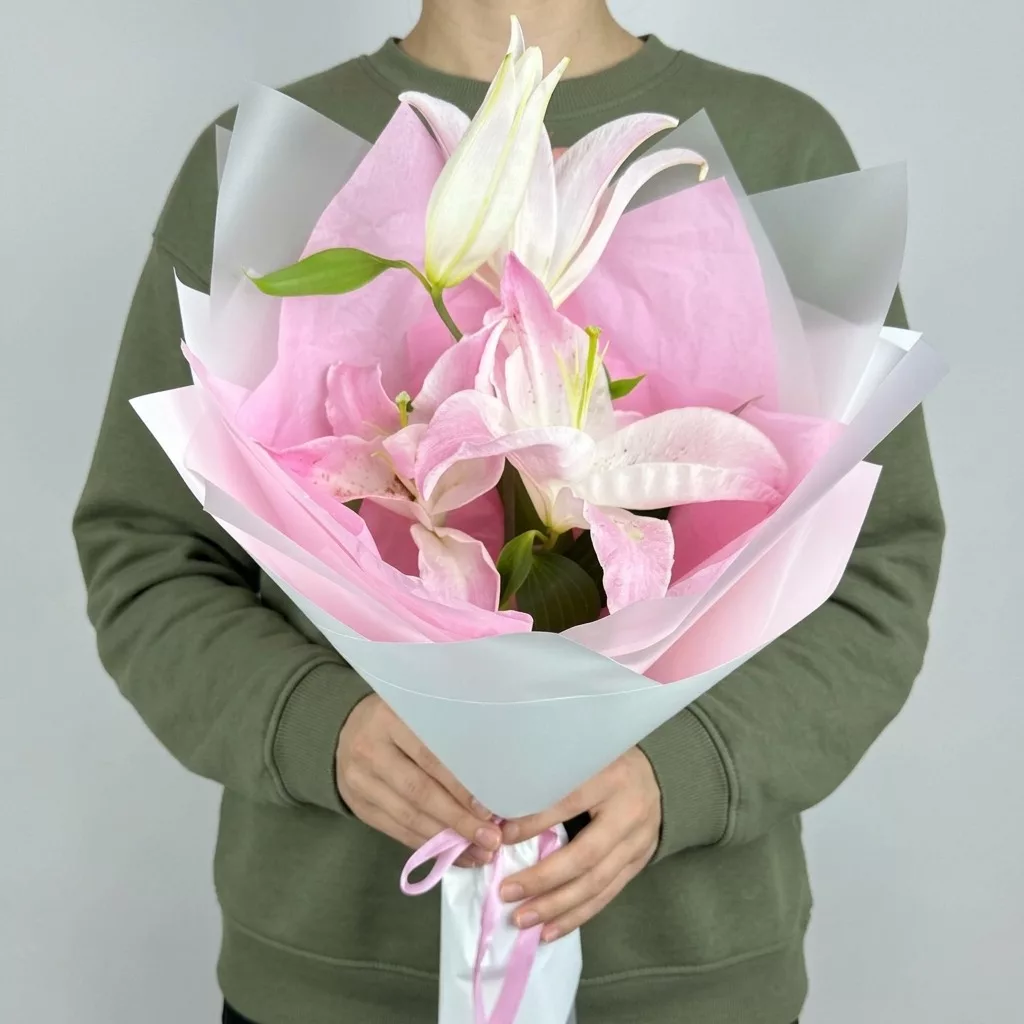
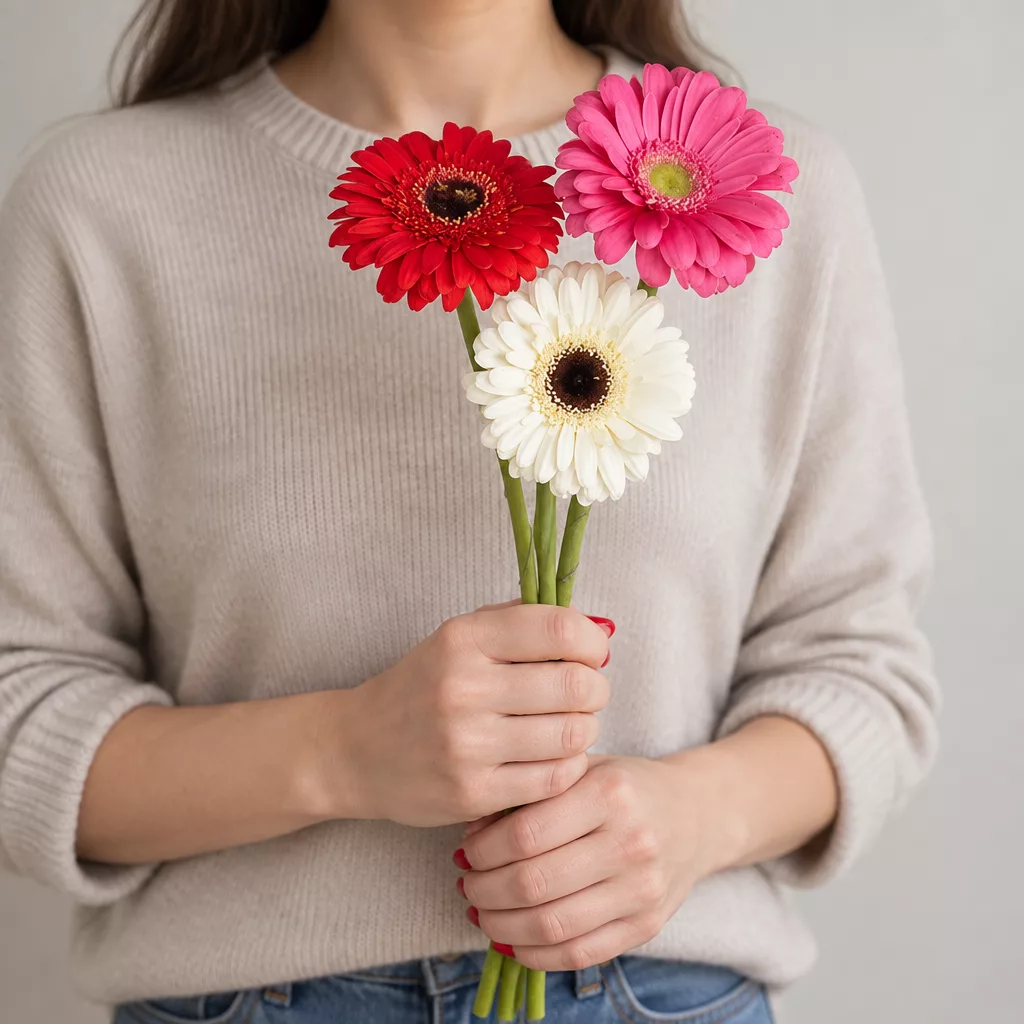
Realistic Timing: What One to Two Hours Actually Means
The one-to-two-hour delivery window is real, and it applies to Arzamas as it does across our delivery network. That said, it is worth understanding what that window means in practice. The clock starts from the moment the bouquet is assembled and ready to leave, not from the moment you click confirm. Assembly itself takes fifteen to thirty minutes depending on the complexity of the arrangement, and during peak periods — the eighth of March, Valentine's Day, the first of September — that preparation time can stretch slightly.
For same-day delivery, orders placed before early afternoon almost always arrive within the day. Orders placed in the evening may be scheduled for the following morning, which is often the better choice anyway: a fresh bouquet arriving at nine in the morning feels like a deliberate, warm gesture rather than a last-minute afterthought.
You can choose a specific delivery window — morning, afternoon or evening — and the courier will work within that range. If you need the bouquet at a precise time, for example before a birthday dinner starts, note the hard deadline in the comments. We take those requests seriously. Traffic in Arzamas is generally lighter than in major cities, which works in everyone's favour, but weather in the Nizhny Novgorod region can be unpredictable in winter and early spring, and ice or heavy snow may add a small buffer to travel time. Build in an extra thirty minutes if you are sending in January or February.
Choosing Flowers for the Person, Not Just the Occasion
The most common mistake senders make is choosing flowers for the occasion rather than for the person. A birthday calls for celebration, yes — but a quiet, bookish friend who lives alone in a small flat may find a loud, oversized arrangement of orange gerberas and tropical foliage more overwhelming than joyful. Starting from the recipient is always the right instinct.
For someone warm and romantic, garden roses in blush, peach or cream tones carry a softness that red roses sometimes lack. Varieties like Ohara, Juliet or Keira have a cupped, layered shape that looks generous even in a modest bunch. For someone with a more modern, minimalist taste, a single-variety bouquet of white ranunculus or pale tulips in a kraft wrap reads as considered and stylish rather than sparse.
For a friend who loves nature and informality, a meadow-style mix works beautifully: eustoma in lilac or white, small spray chrysanthemums, eucalyptus stems and a few stems of waxflower give the bouquet movement and scent without looking stiff. Eustoma, sometimes called lisianthus, is particularly well suited to Arzamas deliveries because it is hardy in transit and opens gradually over eight to twelve days, meaning the recipient enjoys it for almost two weeks.
If you genuinely do not know the person's taste, lean toward soft colours and mixed textures rather than a single bold statement. A florist-assembled seasonal bouquet in a neutral palette is almost universally well received and rarely feels impersonal when it arrives beautifully wrapped.
Bouquets by Budget: Getting the Most from Every Price Point
Budget shapes the size and density of a bouquet, but it does not have to limit its beauty. A smaller bouquet that is thoughtfully composed — with a clear colour story, well-chosen foliage and a clean presentation — often makes a stronger impression than a large, crowded arrangement of mixed stems that have no visual relationship to each other.
At a modest budget, a single-variety bouquet is your strongest option. Five to seven stems of garden roses, a bundle of white or yellow tulips in season, or a small bunch of fragrant freesias wrapped in tissue and ribbon can feel genuinely luxurious when the stems are fresh and the wrapping is precise. Freesias, in particular, are underused — their scent fills a room within hours of unwrapping, and that sensory detail is something the recipient remembers.
With a mid-range budget you can introduce a second or third element: add eucalyptus or ruscus to roses for depth, or pair ranunculus with sweet peas in spring when both are available. The combination of textures is what elevates a bouquet from a bunch of flowers into something that looks designed.
At a higher budget, mixed arrangements with premium roses, peonies in season, or large-headed hydrangeas become possible. Hydrangea is a generous flower — one or two heads fill a vase and the colour holds for seven to ten days when the stem is cut correctly and the water changed every two days. Whatever the budget, always ask for the stems to be cut on an angle and for any foliage below the waterline to be removed before the bouquet goes into a vase.
How Flowers Travel to Arzamas and Arrive in Good Condition
Fresh flowers are living things, and the journey from our preparation room to a door in Arzamas involves temperature, movement and time. We prepare each bouquet with transit in mind: stems are hydrated before wrapping, the packaging is designed to protect the heads without crushing them, and the wrapping material provides insulation against both cold and direct sunlight.
In summer, the main risk is heat. Direct sun through a car window can raise the temperature around a bouquet by ten degrees or more within minutes, wilting delicate petals like those of sweet peas, anemones or open garden roses. Our couriers are instructed to keep bouquets away from direct sun and to avoid leaving them in a parked vehicle. If you are ordering in July or August, slightly more closed buds are actually a better choice — they travel more safely and open beautifully over the following day or two.
In winter, the risk reverses. Temperatures in Arzamas regularly drop below minus fifteen in January and February, and a bouquet carried from a warm car into freezing air and then back inside can experience condensation and cold shock. We wrap winter bouquets with an extra insulating layer and courier them quickly from vehicle to door. Tulips and roses handle cold reasonably well; more delicate tropical flowers like anthuriums or orchids are less suited to deep-winter delivery and we will advise alternatives if the forecast is severe.
The recipient should unwrap the bouquet promptly and place it in water within an hour of arrival for the best vase life.
Russian Flower Customs Worth Knowing Before You Order
If you are sending flowers to someone in Russia for the first time, a few customs are worth knowing so the bouquet arrives with the right meaning. The most widely observed tradition concerns the number of stems: an even number of flowers is associated with mourning and is given at funerals, while an odd number is the standard for any celebratory or affectionate occasion. This applies whether you are sending three roses or eleven — the odd count is the rule, and most Russian recipients will notice immediately if it is broken.
Colour carries meaning too, though the associations are softer than the number rule. Yellow flowers have historically been linked to separation or jealousy in Russian popular belief, and while younger urban recipients are often indifferent to this, older recipients or those from more traditional families may find a yellow bouquet unsettling. If you want to include yellow — and yellow tulips or yellow mimosa in spring are genuinely beautiful — mixing them with white or cream flowers softens the association and is widely accepted.
White flowers are universally positive: they read as pure, elegant and respectful across all ages and occasions. Red roses signal romantic love clearly and without ambiguity. Pink is warm and friendly, appropriate for a wide range of relationships from close friendship to romantic affection.
For name day celebrations, which are observed by many Russians on the feast day of their patron saint, flowers are as appropriate as on a birthday — often more so, since the occasion is quieter and a bouquet feels like a particularly personal acknowledgement of the day.
Keeping the Bouquet Fresh After It Arrives
The care the recipient gives the bouquet in the first hour determines how long it will last. The single most important step is cutting the stems — about two centimetres from the bottom, at an angle of roughly forty-five degrees, using a sharp knife rather than scissors. Scissors compress the stem tissue and reduce water uptake. A knife cut keeps the channels open.
The vase should be clean, filled with cool water, and placed away from direct sunlight, radiators and fruit bowls. Ripening fruit releases ethylene gas, which accelerates petal drop in roses, tulips and carnations noticeably. In a Russian flat in winter, the air near a radiator can be very dry and warm — moving the vase even half a metre away from the heat source extends vase life by two or three days.
Water should be changed every two days. Each time you change it, re-cut the stems slightly. Remove any leaves that fall below the waterline, as they decompose quickly and cloud the water with bacteria that block the stems.
Different flowers have different lifespans even in ideal conditions. Tulips last five to seven days and will continue to grow in the vase, sometimes by several centimetres. Roses last seven to twelve days depending on the variety and how open the buds were on arrival. Eustoma and chrysanthemums are among the longest-lasting cut flowers, often holding for twelve to fifteen days with proper care. Knowing this helps the recipient understand which stems to enjoy first and which will carry the arrangement through the second week.
Sending flowers to Arzamas is not complicated, but the details matter — the right address, the right timing, the right flowers for the person rather than just the occasion, and a little care once the bouquet arrives at the door. When all of those pieces come together, what reaches the recipient is not just a bunch of stems but a genuine moment of warmth from someone who thought carefully about them. That is what a well-made bouquet, delivered on time and in good condition, actually does.
Frequently asked questions
Can I order flower delivery to Arzamas on the same day?
Yes, same-day delivery to Arzamas is available for orders placed before early afternoon. The bouquet is assembled fresh and dispatched within the hour. For orders placed later in the day, scheduling delivery for the following morning is often a better choice — the flowers arrive at their freshest and the timing feels more intentional.
What if the recipient is not home when the courier arrives?
The courier will call the recipient before arriving. If there is no answer, they will attempt contact again and wait briefly before returning. You can also leave instructions in the order comments — for example, to leave the bouquet with a neighbour or building concierge, or to call you rather than the recipient if there is no response.
Do I need to include a card message with the bouquet?
A card is optional but adds a personal touch that most recipients appreciate. You can add a short message during checkout and it will be printed and included with the bouquet. If you prefer to keep the sender anonymous, simply leave the signature blank — the message will still be included without revealing who sent it.
Which flowers are best for delivery in cold Arzamas winters?
Roses, chrysanthemums, eustoma and carnations all travel well in cold weather and are reliable choices from November through March. Avoid more delicate tropical varieties like anthuriums or open orchid blooms in deep winter. Tulips handle cold reasonably well but should be unwrapped and placed in water promptly after arrival to recover from any cold stress during transit.
Why does the number of stems in the bouquet matter in Russia?
In Russian tradition, an even number of flowers is given at funerals, so any celebratory bouquet should contain an odd number of stems — three, five, seven, eleven and so on. This is taken seriously across generations, and most recipients will notice immediately. All our bouquets are assembled according to this convention as a matter of course.
Ready to send flowers?
Pick the city, choose the bouquet, and a local florist takes it from there.
Choose a city →