Sending Flowers to Blagoveshchensk? Here Is Everything You Need to Know
Blagoveshchensk sits at the far eastern edge of Russia, right on the Amur River, and ordering flowers here feels different from ordering them in Moscow or Saint Petersburg. The distances are real, the climate is sharp, and the person waiting on the other side of the door deserves something that arrives looking genuinely alive. This guide walks you through how delivery actually works in the city, what combinations hold up best in Blagoveshchensk's continental weather, and how to make sure the bouquet feels right for the moment — not just for the catalogue.
Which Parts of Blagoveshchensk We Reach and How Quickly
Blagoveshchensk is a compact city by Russian standards, and that works in your favour. The central districts — around Lenin Square, the embankment, the main shopping streets — are the easiest to reach, and deliveries there typically land within one to two hours of your order being confirmed. Residential areas further out, including the newer microdistricts on the city's northern edge, are still within our delivery zone, though it is worth adding a small buffer when timing matters precisely, such as a birthday dinner or an anniversary surprise.
The city's grid layout means couriers rarely face the maze of one-way streets that slow things down in older Russian cities. What does affect timing is the season. In winter, when temperatures in Blagoveshchensk drop well below minus twenty Celsius, couriers take extra precautions with insulated packaging, and that adds a few minutes to each stop. In summer, the opposite concern applies — heat above thirty degrees means flowers need to move quickly and stay out of direct sun during transit.
If you are ordering from outside Russia — perhaps you have family here and live abroad — the two-hour window still applies from the moment we confirm the order. The safest approach is to order at least three hours before the moment you want the flowers to arrive, giving yourself room if the recipient is not immediately reachable by phone. We always call ahead so the bouquet is not left unattended.
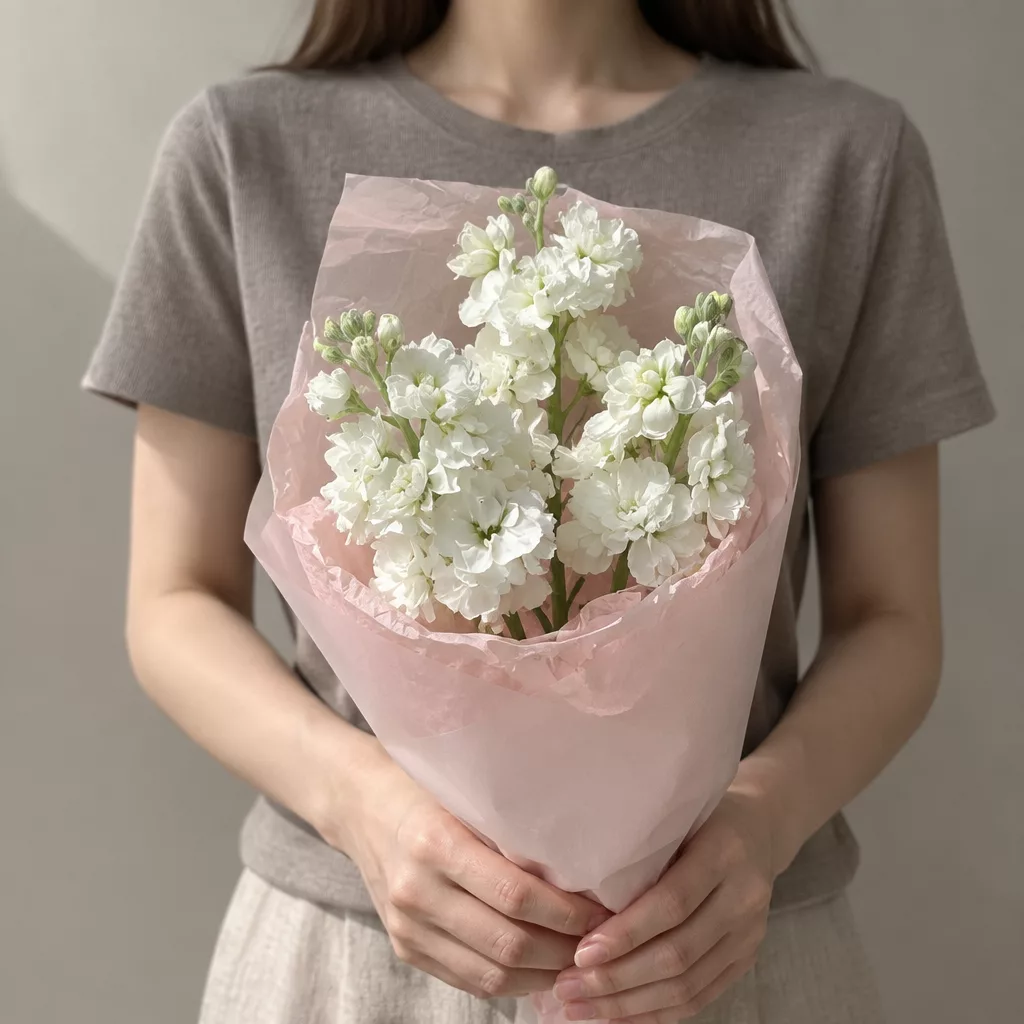
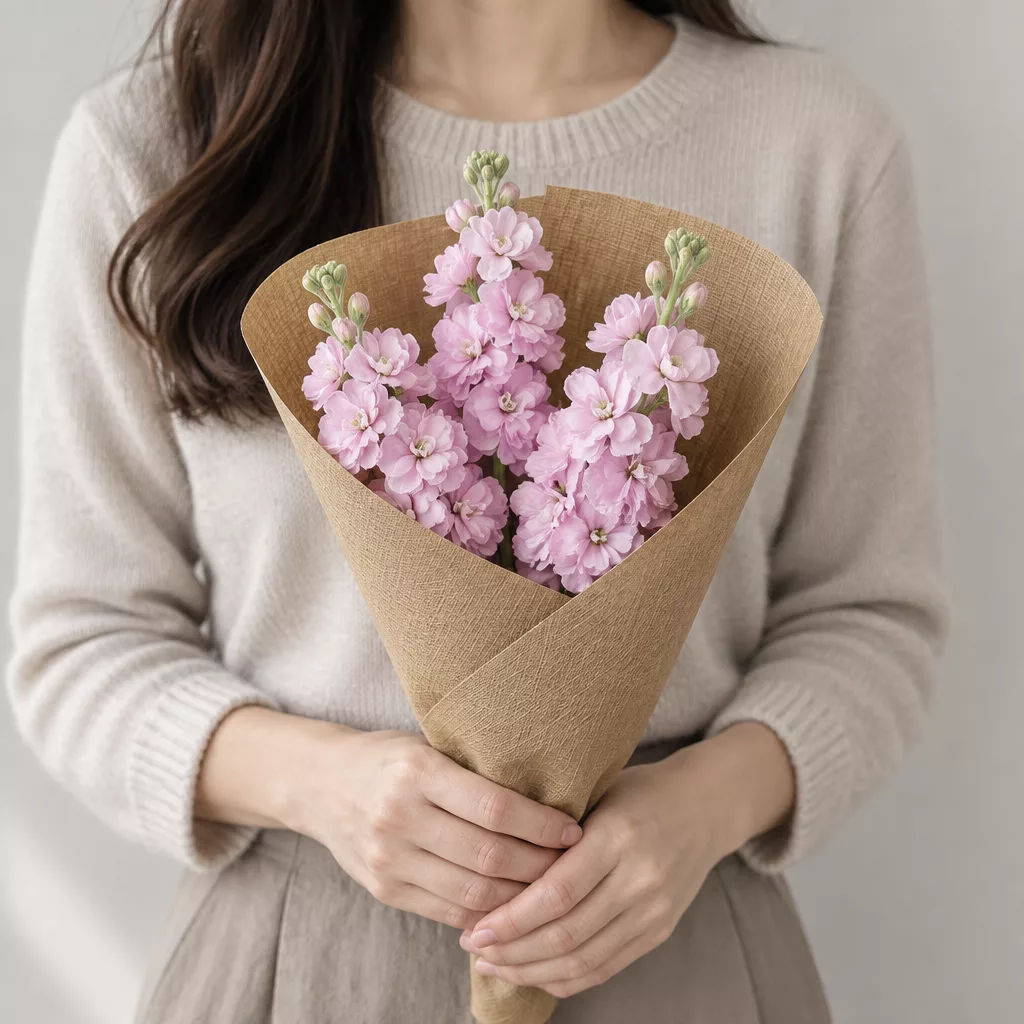
Bouquets we can deliver


The Climate Factor: Why Blagoveshchensk Demands Specific Flowers
Blagoveshchensk has one of the most dramatic temperature ranges in Russia. Winters are long, dry and genuinely cold, with January averages around minus twenty-two Celsius. Summers are warm and humid, sometimes pushing past thirty-five degrees in July. This swing of nearly sixty degrees across the year means that what works as a gift bouquet in April is a different conversation from what works in August.
In winter, roses — particularly varieties with dense, tightly packed heads like Explorer or Avalanche — travel better than open, delicate blooms. Their petals are more protected during the cold transit from our packaging to the recipient's door. Chrysanthemums and alstroemeria are also reliable cold-weather choices because they are structurally sturdy and do not bruise as easily when temperatures fluctuate during the handoff.
In summer, the challenge reverses. Lilies, lisianthus and peonies are beautiful but open fast in the heat. If you are ordering in July or August, ask for buds rather than open flowers — they will open naturally in the recipient's home over one to two days, which actually extends the life of the bouquet. Gerberas are a warm-weather favourite in Blagoveshchensk precisely because they are bold, cheerful and handle moderate heat without wilting the way garden roses sometimes do. Knowing the season when you order is not a small detail — it shapes every choice that follows.
Choosing the Right Bouquet for the Occasion in Blagoveshchensk
Russian gifting culture has a few unwritten rules that are worth knowing if you are unfamiliar with them. Flowers are almost always given in odd numbers — three, five, seven, nine — because even numbers are traditionally associated with mourning. This is not a superstition anyone will explain to you at the door, but it matters to most recipients. When you order, this is already built into how we build our bouquets, but it is useful to understand why a bouquet of ten roses would feel slightly off to a Russian recipient.
For a birthday, warmth and abundance read well — think full-headed roses in coral or peach tones, mixed with eucalyptus and a few spray roses to add texture. For a professional occasion, such as congratulating a colleague on a promotion or thanking a teacher, white or cream arrangements feel appropriately respectful without being cold. Tulips in spring and peonies in early summer carry a sense of celebration that needs little else around them — a mono-bouquet of fifteen peonies in blush pink is a complete statement on its own.
For a romantic gesture, red roses remain the clear language in Russia, but deep burgundy or velvet-toned varieties like Red Naomi add sophistication over the standard bright red. Pairing them with dark greenery — ruscus or salal — rather than baby's breath gives the arrangement a more contemporary feel. When in doubt, describe the person and the moment rather than naming a flower, and build from there.
Budget Ranges and What They Actually Get You
A smaller budget does not mean a small gesture — it means making sharper choices. A tight budget works best with a single flower type that speaks for itself: spray chrysanthemums in a bold colour, a bunch of bright gerberas, or a mixed seasonal selection where whatever is freshest that week takes the lead. These arrangements are honest and direct, which often suits the moment better than a crowded bouquet trying to do too many things at once.
A mid-range budget opens up the possibility of combining two or three varieties with complementary textures. A classic combination that always works: garden roses as the focal flower, lisianthus to add ruffled softness, and a few stems of eucalyptus to tie the colours together and add scent. This kind of bouquet photographs well, lasts well and feels considered without being extravagant. It suits birthdays, thank-you gestures and romantic occasions equally.
At the higher end, the difference is usually in stem count, flower size and the addition of premium varieties. Garden roses with large, cupped heads, ranunculus in season, or imported peonies all push a bouquet into a different register. You might also add ribbon work, a kraft or linen wrap, or a small card with a handwritten note — details that matter enormously to the person receiving them. In Blagoveshchensk, where a flower delivery is still a relatively special event rather than an everyday convenience, the presentation layer is worth investing in when the occasion calls for it.
What Happens Between Your Order and the Front Door
Once your order is confirmed, the bouquet is assembled fresh — not pulled from a refrigerator shelf. The stems are cut at an angle, conditioned in water, and wrapped to protect them during transit. In winter this means insulated kraft wrapping and sometimes a thermal sleeve around the outer layer. In summer it means keeping the bouquet in a cooled vehicle and timing the route so the flowers spend as little time as possible outside a controlled temperature.
The courier calls the recipient before arriving. This is standard practice in Russia and serves two purposes: it confirms the address is reachable and gives the recipient a moment to come to the door rather than being caught off guard. If the recipient does not answer, we try again and, if necessary, coordinate with the sender to find a solution. We do not leave bouquets outside doors in Blagoveshchensk winters — a bouquet left in minus twenty for twenty minutes is not a gift anymore.
If you are ordering as a surprise and do not want the recipient to know in advance, note this when you order. The courier can be briefed to simply say the flowers are a delivery without revealing the sender's name. The card inside the bouquet will say everything that needs to be said. Most recipients in Blagoveshchensk are genuinely delighted by the gesture — flower delivery is still associated with care and effort here, not routine commerce, and that warmth in the reception is part of what makes it worth doing.
Keeping the Flowers Fresh After Delivery: Practical Advice
Blagoveshchensk homes in winter are kept very warm — central heating in Russian apartments typically runs at twenty-two to twenty-five Celsius indoors, sometimes warmer. This is comfortable for people and hard on flowers. The single most useful thing a recipient can do is find the coolest spot in the apartment for the vase: away from radiators, away from south-facing windows, and away from fruit bowls, because ripening fruit releases ethylene gas that accelerates petal drop in roses and tulips.
Water management matters more than most people realise. The vase should be clean — bacteria in standing water is the main reason bouquets die early. Change the water every two days, recut the stems each time at a fresh angle, and remove any leaves that fall below the waterline. A small amount of sugar dissolved in the water, or a commercial flower food sachet if one came with the bouquet, genuinely extends vase life by a few days.
Different flowers have different lifespans and it helps to know what to expect. Chrysanthemums and alstroemeria regularly last ten to fourteen days with good care. Roses in good condition last seven to ten days. Tulips are shorter — around five to seven days — but they continue to grow and move after cutting, which many people find beautiful. Gerberas last well if their stems are kept short and the water is changed frequently. Peonies, when they arrive as buds, open over two to three days and then hold for another four to five. Knowing this helps you enjoy each stage rather than worrying that the bouquet is fading.
Ordering from Afar: Tips for Getting It Right Across Time Zones
Blagoveshchensk is in the GMT+9 time zone, which means it is six hours ahead of Moscow and many hours ahead of European cities. If you are ordering from Moscow, the working day in Blagoveshchensk starts six hours before yours, and late evening orders in Moscow may land during the recipient's night. The practical rule: if you want same-day delivery in Blagoveshchensk, place your order by early afternoon Moscow time at the latest.
For international orders — from Europe, North America or East Asia — the time zone gap can be disorienting. The simplest approach is to calculate what time it is in Blagoveshchensk right now, decide when you want the flowers to arrive there, and order at least two to three hours before that local time. Our website operates in Moscow time, so it is worth doing that conversion before you confirm.
When you cannot be there in person, the message card becomes the most important part of the order. Russian recipients read cards carefully and keep them. Write something specific — a memory, a reason, a particular wish — rather than a generic phrase. If you are writing in English and the recipient reads Russian, consider adding a short line in Russian even if your grammar is imperfect; the effort is always noticed and always appreciated. And if you are unsure what flowers suit the person, describe them in the order notes: their age, their taste, the occasion, the colour of their home if you know it. A florist who knows the person is always going to do better than one working from a category name alone.
Ordering flowers to Blagoveshchensk from anywhere in Russia or abroad is straightforward when you understand the city's climate, its timing realities and what the person on the other end will actually feel when they open the door. The Amur River city is far from the capitals, but that distance makes a thoughtful delivery land with more weight, not less. Choose flowers that suit the season, write something true on the card, and give yourself a comfortable lead time — and the bouquet will do exactly what it is supposed to do.
Frequently asked questions
Can I order from abroad and have flowers delivered in Blagoveshchensk the same day?
Yes. The two-hour delivery window runs from the moment your order is confirmed, not from when you place it. If you are ordering from overseas, allow at least three hours before the intended arrival time. We call the recipient ahead so nothing is left at the door, and payment works through standard international cards.
What bouquet holds up best during a Blagoveshchensk winter delivery?
Chrysanthemums, spray roses and alstroemeria handle cold transport better than open garden roses or tropical stems. For winter orders we recommend tighter buds over fully open blooms — they arrive looking fresh rather than shocked. Wrapped in insulated packaging, a well-chosen bouquet reaches the door in the same condition it left the studio.
Which neighbourhoods in Blagoveshchensk take longer to reach, and does that affect what I should order?
The central districts around Lenin Square and the embankment are the fastest to reach. Microdistricts on the northern edge of the city add time, so for those addresses choose sturdier stems like roses or chrysanthemums rather than delicate ranunculus or sweet peas that wilt quickly if the journey runs long.
Is there a season when the flower choice in Blagoveshchensk is most limited, and how do I work around it?
Late winter, roughly February into early March, is the tightest period before spring imports pick up. The reliable options are roses, carnations and chrysanthemums. Pairing them with textured greenery — eucalyptus, ruscus or pittosporum — makes the arrangement feel considered rather than limited, and the result photographs beautifully even with a smaller stem count.
The recipient lives near the Amur embankment — can I add anything to the delivery to make it feel more personal?
A handwritten card is the simplest addition and the one most recipients remember longest. Beyond that, a small box of local chocolates or a ribbon-tied kraft wrap instead of cellophane gives the bouquet a different register entirely. Let us know the occasion when you order and we can suggest a combination that fits the mood rather than just the budget.
Ready to send flowers?
Pick the city, choose the bouquet, and a local florist takes it from there.
Choose a city →