Flower Delivery Cost in Russia: Plan Your Budget With Confidence
You open a website, choose a bouquet, and then notice the final price is noticeably higher than the flowers alone. Sound familiar? For anyone ordering flowers in Russia for the first time — whether you are sending a gift from abroad or simply navigating a new city — the pricing can feel opaque. The truth is that every rouble in the total reflects something real: the freshness of the stems, the speed of the courier, the season, and the care taken to keep petals intact on a January street. This guide breaks it all down so you can plan confidently and get exactly the arrangement you have in mind.
Why Flower Prices in Russia Vary So Widely
The first thing to understand is that Russia imports the majority of its cut flowers. Roses, spray chrysanthemums, alstroemeria, and most orchids travel from the Netherlands, Ecuador, Colombia, and Kenya before they ever reach a Saint Petersburg cooler. That international supply chain means exchange rates, aviation fuel costs, and customs duties are baked into every stem price before a florist even touches the flower.
Local greenhouse production does exist — Russian-grown tulips, gerberas, and some seasonal lilies are available — but the volume is not enough to cover national demand, especially around major gift-giving dates. The result is a market where prices are genuinely sensitive to global conditions in a way that, say, a bakery is not.
On top of raw material cost, the variety itself matters enormously. A standard red rose at fifty centimetres is priced very differently from a garden-style David Austin variety at sixty centimetres. Peonies are only available for a short domestic season in late spring and must otherwise be flown in, which pushes their price up significantly. Exotic stems like protea, anthurium, or bird-of-paradise carry a premium year-round simply because cold-chain logistics for tropical flowers are demanding.
When you see two seemingly similar bouquets at different price points on a website, the gap almost always comes down to stem length, variety origin, and how recently the flowers were cut. A florist who tells you these details is worth trusting. One who cannot explain the difference probably cannot guarantee freshness either.
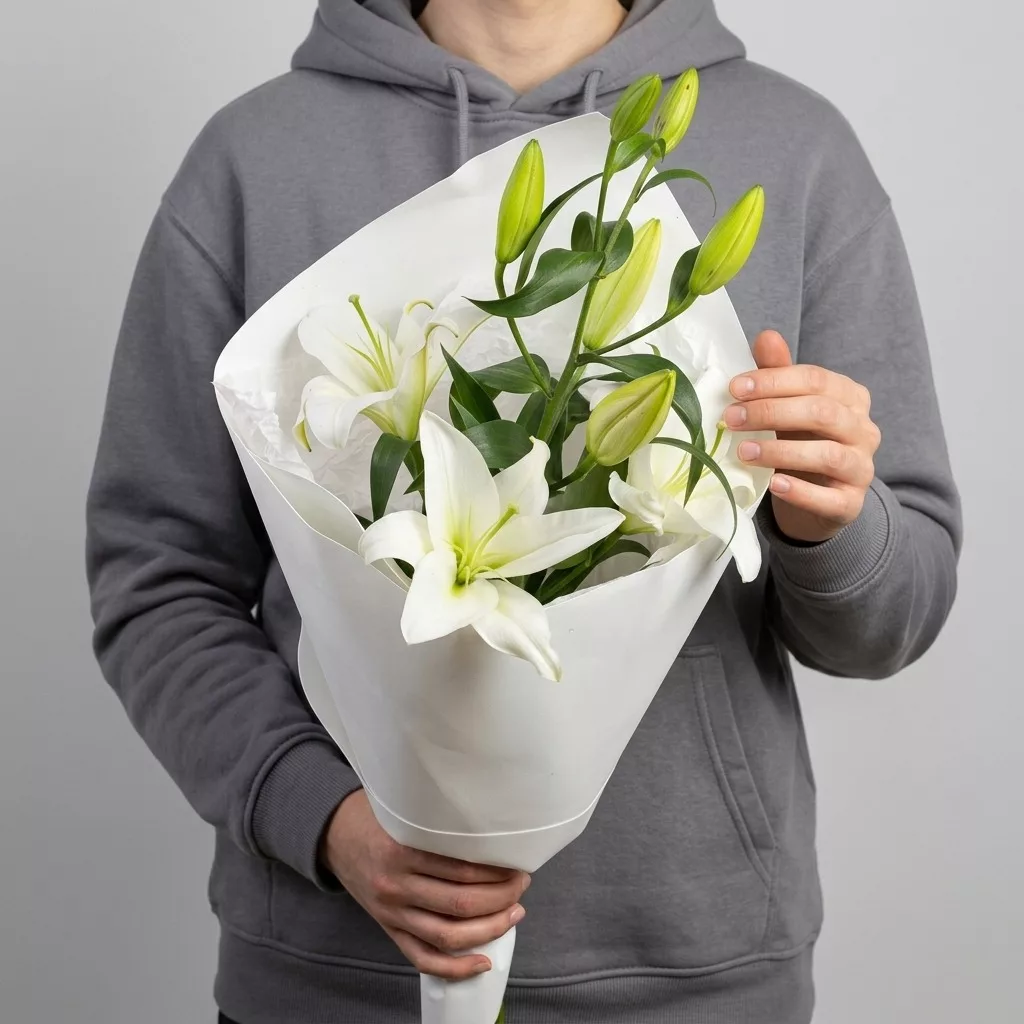
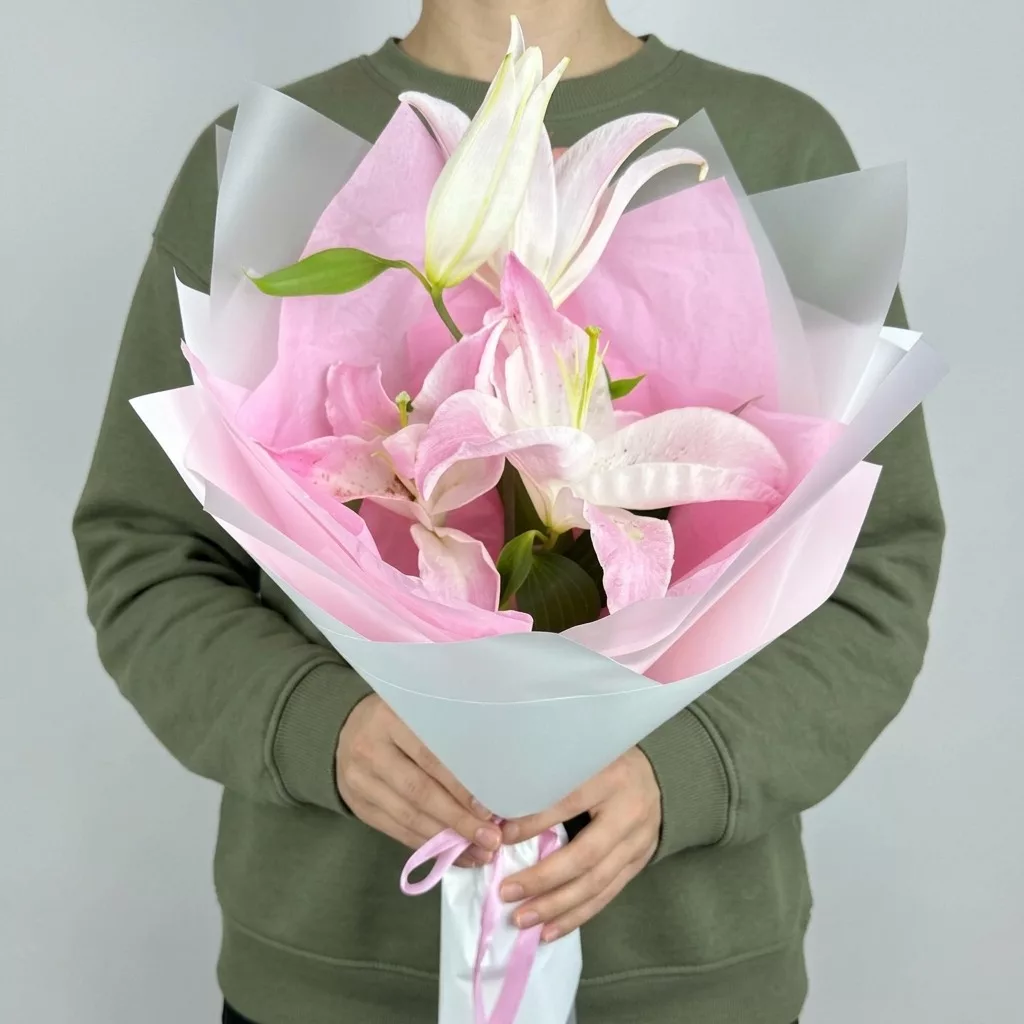
Bouquets we can deliver


The Real Cost of Speed: Same-Day and Express Delivery
In Russia, same-day flower delivery — and especially the one-to-two-hour window that Turboflora operates within Saint Petersburg — is genuinely complex to execute. It requires a dedicated courier fleet, real-time dispatch, and a production workflow where bouquets are assembled only after an order is confirmed, not hours in advance sitting in a display case.
Express delivery carries a surcharge, and that surcharge is honest. A courier who leaves the shop within twenty minutes of your order, navigates city traffic, and arrives at the door while the flowers are still hydrated and crisp is providing a skilled, time-sensitive service. Compare that to standard next-day delivery, where logistics can be batched and routed more efficiently — the cost difference reflects actual operational complexity.
Time of day also matters. Late-evening or early-morning delivery windows often cost more because staffing those hours requires premium pay and dedicated routing. If your recipient is available during a standard afternoon window, choosing that slot is one of the simplest ways to keep delivery costs reasonable without sacrificing quality.
One mistake people often make is selecting the cheapest delivery option and then expecting the flexibility of express service. If you need flowers to arrive before a celebration begins at a specific time, book the faster option and treat it as part of the gift budget. Arriving two hours after the birthday dinner started is a very different experience from a courier ringing the bell just as guests are arriving.
For long-distance deliveries across Russia, timing expectations shift. Flowers sent to cities like Novosibirsk or Kazan travel via refrigerated transport, and the delivery window is measured in hours from local dispatch, not from Saint Petersburg.
Seasonal Pricing: When to Expect Surges and Savings
Russia has a gift-giving calendar that directly controls flower prices, and if you are not aware of it, the spikes can feel random. The two biggest demand peaks are February 14th, Valentine's Day, and March 8th, International Women's Day. March 8th is arguably the more significant of the two in Russian culture — it is a national holiday, schools and offices close, and virtually every woman in the country receives flowers. Demand in the week before March 8th can multiply several times over, and rose prices in particular rise sharply because global supply simply cannot scale that fast.
Other notable dates include September 1st, the first day of the school year, when teachers traditionally receive bouquets from students. Gladioli are the classic choice for this occasion — it is one of the few dates when gladioli outsell roses in volume. New Year celebrations in late December also drive demand, though the preferred flowers shift toward pine branches, white chrysanthemums, and amaryllis that fit a winter aesthetic.
For budget planning, the practical advice is straightforward: order at least three to five days before any major date if you want standard pricing and full variety availability. Ordering on February 13th will cost noticeably more than ordering on February 10th for the same bouquet. Conversely, mid-October, mid-November, and most of January are low-demand periods when the same budget buys considerably more.
Peonies have their own micro-season in late May and June when domestic supply peaks and prices dip. If you love peonies and have flexibility, that window offers the best value and the freshest stems of the year.
Packaging, Wrapping, and Add-Ons: What They Add to the Total
Packaging is not decoration — it is protection and presentation combined, and it has a real cost. A bouquet wrapped in kraft paper with a simple ribbon is the most economical option and perfectly appropriate for many occasions. Stepped up from there, you have designer wrapping with multiple paper layers, satin ribbon, and branded elements that add both visual impact and structural support for delicate blooms during transit.
Box arrangements, which are increasingly popular in Russia for gifting, cost more than equivalent hand-tied bouquets. The box itself, the floral foam or water-retaining mechanics inside, and the additional assembly time all contribute. However, box arrangements travel exceptionally well and make a strong visual impression upon opening, which is why they are often chosen for corporate gifting or when the recipient cannot immediately put flowers in a vase.
Add-ons like greeting cards, small plush toys, macarons, or Raffaello chocolates are common in Russian flower gifting culture. They are genuinely appreciated — arriving with flowers and a small sweet treat is a warm, thoughtful gesture — but each item adds to the total. Being selective here is sensible: one meaningful add-on lands better than several generic ones.
One detail that surprises people unfamiliar with Russian winters: proper cold-weather packaging for bouquets is not optional from November through March. Flowers exposed to temperatures below zero even for ten minutes can suffer irreversible cell damage. Thermal sleeves and insulated wrapping are a legitimate cost, and any florist operating in Saint Petersburg without them is cutting a corner that will show up in wilted petals within twenty-four hours of delivery.
How to Set a Realistic Flower Budget for Any Occasion
The most useful framework for budgeting flowers in Russia is to think in three tiers based on what the occasion calls for, rather than starting from a fixed number and working backward.
For everyday gestures — a thank-you, a casual birthday, a spontaneous visit — a modest arrangement of seasonal flowers like spray roses, alstroemeria, or lisianthus will be fresh, beautiful, and appropriately priced. These varieties hold exceptionally well and look generous without requiring premium stems.
For significant personal occasions — anniversaries, milestone birthdays, romantic gestures — the budget naturally expands to include premium roses at sixty centimetres or longer, peonies in season, or garden-style arrangements with ranunculus, eucalyptus, and scabiosa. The visual difference between a standard and a premium bouquet is immediately obvious, and for moments that matter, it is worth the investment.
For corporate or formal gifting, where presentation reflects on the sender professionally, box arrangements with monochromatic colour schemes — all-white, all-blush, or deep burgundy — read as polished and intentional. Factor in premium packaging and a printed card.
A practical tip: tell your florist the occasion and the recipient before you mention a budget. A good florist will build the best possible arrangement for your price point rather than defaulting to the cheapest available stems. At Turboflora, our team asks these questions because knowing that the flowers are for a colleague's promotion versus a grandmother's birthday genuinely changes what we recommend.
Finally, remember that flowers are perishable. Spending slightly more on fresher, higher-quality stems means the arrangement lasts five to seven days rather than two or three, which changes the value equation entirely.
Common Budgeting Mistakes and How to Avoid Them
The most frequent mistake is comparing only the bouquet price without reading what delivery conditions are included. A lower sticker price with a slow or untracked delivery option is not necessarily a better deal — especially if the flowers need to arrive for a specific time. Always check whether the delivery window is guaranteed and what happens if the courier misses it.
Another common error is underestimating the impact of stem count on perceived value. A bouquet of eleven roses looks very different from a bouquet of nineteen, and the price gap between them is significant. If you are working with a tight budget, choosing a smaller number of premium roses in a thoughtful arrangement often looks more intentional than a large bunch of budget stems loosely wrapped. Russian gifting culture does pay attention to odd versus even numbers — even numbers of flowers are traditionally associated with mourning, so always aim for odd counts, which your florist will handle automatically if you do not specify.
Ordering too late for a peak date and then being surprised by the price is perhaps the most avoidable mistake. Mark the major Russian gift dates on your calendar — March 8th above all others — and plan at least a week ahead if budget matters to you.
Finally, do not skip the question of storage on the recipient's end. If you are sending flowers to someone who will be out all day, a delivery that sits in a warm hallway for six hours will not look its best. Coordinate delivery timing with the recipient's schedule, or choose varieties like chrysanthemums and carnations that are genuinely robust and handle temperature fluctuation better than, say, garden roses or sweet peas. A little coordination saves a lot of disappointment.
Flower delivery pricing in Russia is not arbitrary — it is the sum of global supply chains, seasonal demand, courier logistics, and the genuine craft of keeping living flowers beautiful from workbench to doorstep. Once you understand what each element contributes, budgeting becomes much more intuitive. You can make deliberate choices about where to invest — in a premium variety, in express timing, in elegant packaging — and where to save without sacrificing quality. The goal is always the same: flowers that arrive looking as though they were just cut, that make the recipient feel genuinely considered, and that last long enough to be enjoyed. That outcome is achievable at a range of price points when you plan thoughtfully and work with a florist who is honest about what goes into the price.
Frequently asked questions
Does flower delivery cost more on Russian holidays like March 8th?
Yes, noticeably so. March 8th, International Women's Day, is the single biggest flower-buying occasion in Russia, and both flower and delivery prices rise in the days surrounding it due to genuine supply pressure. Ordering five to seven days in advance locks in better pricing and guarantees variety availability before popular stems sell out.
Are there flower varieties that offer good value without looking cheap?
Absolutely. Alstroemeria, spray chrysanthemums, lisianthus, and seasonal tulips all offer excellent visual volume and longevity at accessible price points. A well-composed bouquet of lisianthus with eucalyptus and a few spray roses can look sophisticated and generous while staying within a modest budget. Variety choice and composition matter more than stem count alone.
Why does the same bouquet cost more for evening delivery?
Evening and early-morning delivery windows require dedicated staffing outside standard operating hours, which carries a real labour cost. If your schedule allows, choosing an afternoon delivery slot is usually the most cost-efficient option. When timing is critical — a surprise dinner, a birthday morning — the express or off-hours surcharge is a worthwhile part of the gift.
How do I make sure flowers survive delivery in Russian winter temperatures?
A reputable florist uses insulated thermal packaging for cold-weather deliveries and trains couriers to minimise the time flowers spend in sub-zero air. Ask specifically about cold-weather packaging when ordering between November and March. Flowers like roses and ranunculus are especially vulnerable to frost damage, while chrysanthemums and carnations tolerate brief cold exposure somewhat better.
Is it worth paying more for a box arrangement versus a hand-tied bouquet?
For gifting situations where presentation and travel durability matter — corporate occasions, long-distance surprises, or recipients without easy access to a vase — yes. Box arrangements are structurally protected, visually striking when opened, and require no immediate care from the recipient. For casual personal gifts where the recipient is home, a well-wrapped hand-tied bouquet is equally beautiful and more economical.
Ready to send flowers?
Pick the city, choose the bouquet, and a local florist takes it from there.
Choose a city →