Sending Flowers to Danilov: Timing, Choices and What Arrives at the Door
Danilov is a quiet Yaroslavl Oblast town where a bouquet arriving at the right moment means more than it might in a big city — there are fewer flower shops, fewer spontaneous options, and the person receiving your flowers will almost certainly remember it. Whether you are sending roses to a mother on her birthday or surprising a friend after a long week, knowing how delivery actually works here will help you choose confidently and avoid the small frustrations that come from guessing.
Where in Danilov Delivery Actually Reaches
Danilov sits roughly 70 kilometres north of Yaroslavl, and the town itself is compact enough that a single delivery run covers the central streets, the residential districts around the railway station, and the quieter neighbourhoods toward the outskirts. If you are sending to a private house rather than an apartment block, the address details matter more than usual — lane names in smaller Russian towns are sometimes shared between different parts of town, so include the house number and any landmark you know.
The areas around Sovetskaya Street and the central market square are the most straightforward to reach. Residential buildings near the Danilov railway station are equally accessible. More rural addresses on the edges of the municipality can take slightly longer, and it is worth noting this when you place the order so the florist can plan the route properly.
If the recipient lives in a multi-storey building, a flat number and intercom code are genuinely useful — many Russian apartment buildings have entry keypads, and a courier waiting outside in cold weather is not ideal for the flowers or for the surprise. Providing a phone number for the recipient is standard practice and helps enormously when the address needs a quick confirmation on arrival.
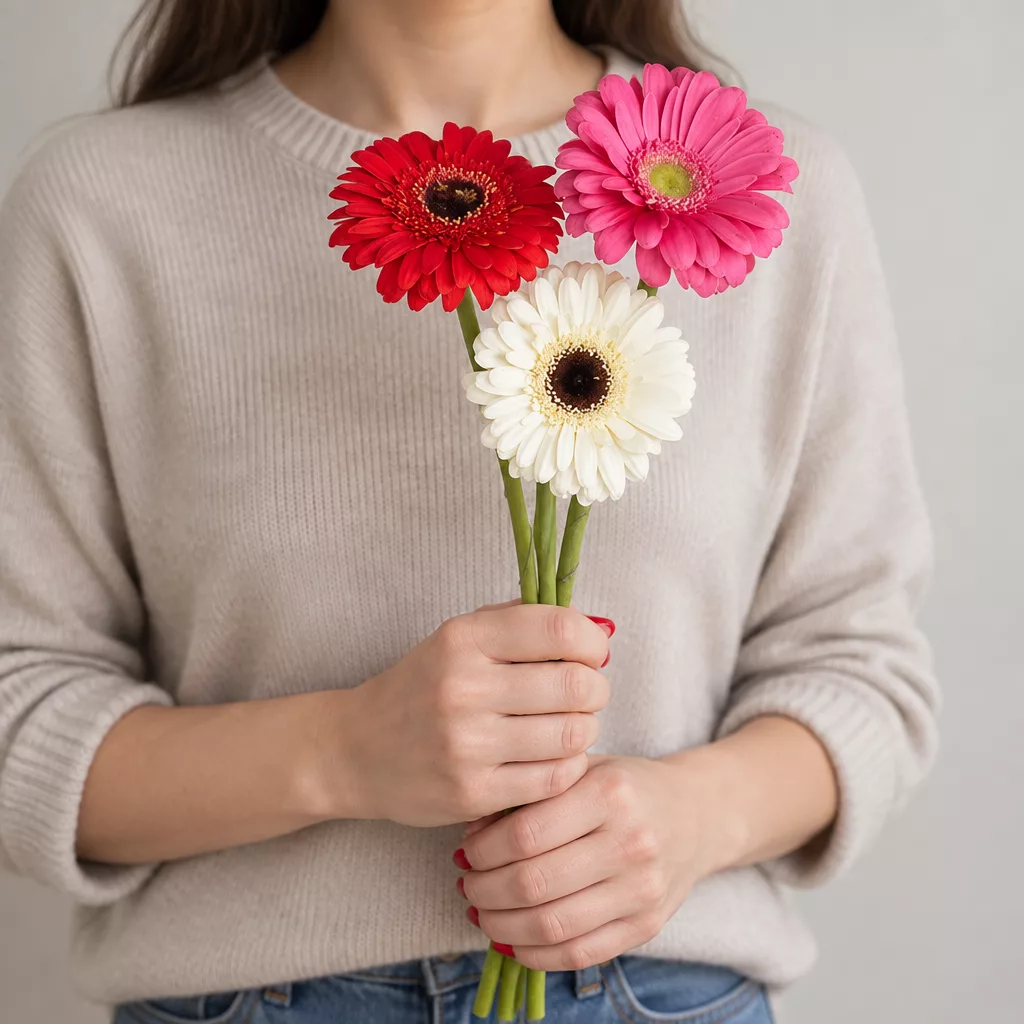
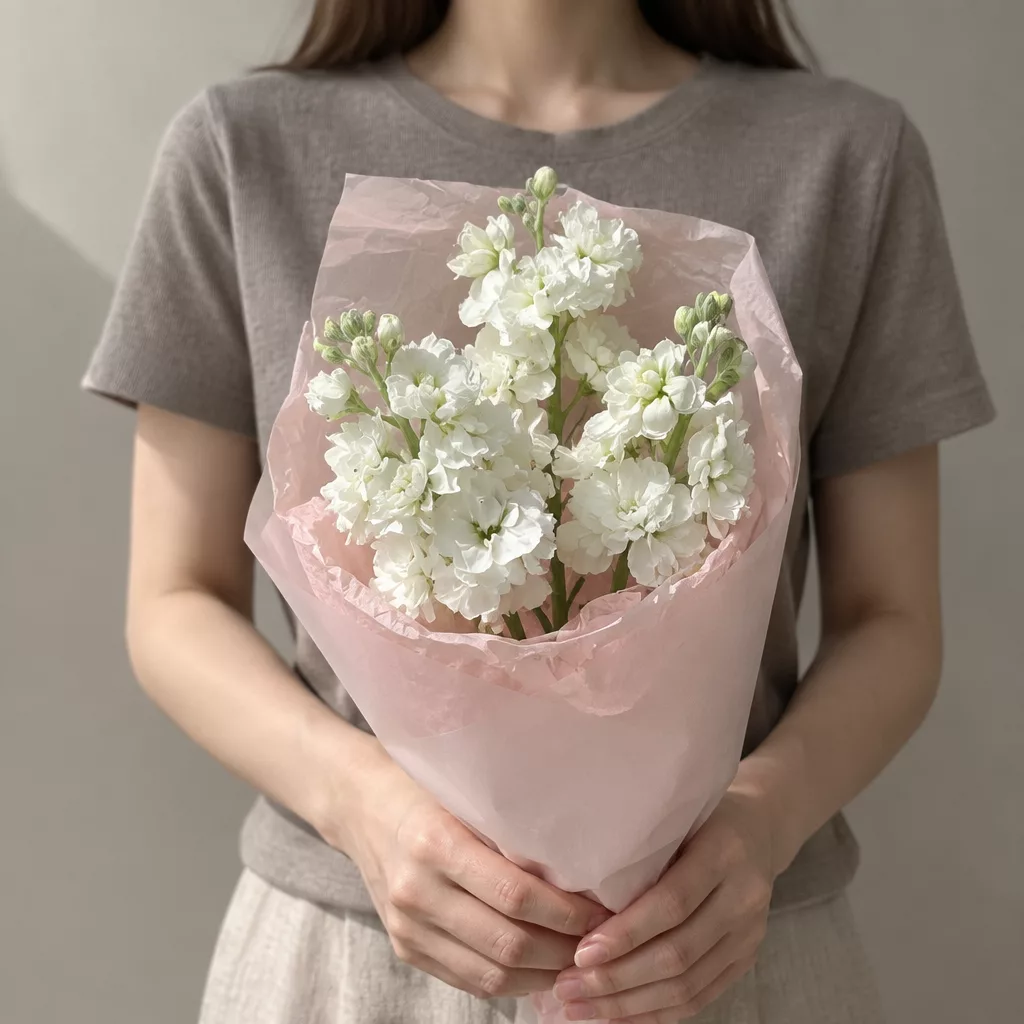
Bouquets we can deliver


Timing Your Order: What One to Two Hours Means in Practice
The one-to-two-hour delivery window is a real commitment, not a marketing phrase, but it does start from the moment the bouquet is assembled and ready to go — not from the second you click confirm. Orders placed before noon on weekdays tend to move fastest, because the morning assembly window is already in motion. If you are ordering in the evening for a next-day birthday, placing the order the night before and specifying a morning arrival is the most reliable approach.
For same-day delivery in Danilov, earlier is always better. A bouquet of garden roses or seasonal spray chrysanthemums assembled at ten in the morning will be fresher than one rushed together at six in the evening. Flowers assembled under time pressure sometimes skip the conditioning step — the hour or so stems spend in water before being wrapped — and that shortens vase life noticeably.
Russian public holidays, especially International Women's Day on the eighth of March, create very high demand across all cities and towns. Danilov is no exception. On those dates, ordering two or three days in advance is not overcautious — it is simply practical. The same applies to the New Year period from late December through early January, when both demand and courier logistics become more complex. Planning ahead for these dates means your flowers arrive looking their best rather than being assembled in a rush.
Choosing Flowers for the Person, Not Just the Occasion
The most common mistake when ordering for someone in another city is choosing what looks impressive in a photo rather than what suits the person. A large arrangement of hydrangeas and lisianthus is beautiful, but if the recipient lives alone in a small flat, a single large vase arrangement can feel overwhelming. A smaller, tighter bouquet of garden roses with eucalyptus or a hand-tied bunch of ranunculus in soft colours often lands better.
Think about the recipient's home. Older relatives in Russian towns often have traditional tastes — classic red or pink roses, white chrysanthemums, or gladioli in summer are genuinely appreciated and carry real emotional weight here. Younger recipients tend to respond well to looser, more textured arrangements: dried accents with fresh peonies in season, or a mix of tulips and muscari in early spring.
For a colleague or teacher — gifting flowers to teachers is very common in Russia, particularly at the start of the school year in September and on Teacher's Day in October — a neat, structured bouquet rather than something wild and trailing is more appropriate. Roses in a single colour, alstroemeria, or carnations in good condition all work well in this context. Carnations in particular have a stronger positive association in Russian culture than they do in some Western countries, so do not discount them based on assumptions.
Budget Ranges and What They Actually Buy You
A modest budget in flower terms still buys something genuinely lovely if the composition is considered. At the lower end, a hand-tied bunch of seasonal spray roses with greenery — pittosporum or ruscus — is clean, fresh and appropriate for almost any occasion. The key is that the stems are properly conditioned and the wrapping is neat, because presentation at the door matters as much as the flowers themselves.
A mid-range budget opens up more texture and variety. This is where you can combine a focal flower — a garden rose, a peony in season from May through June, or a large-headed dahlia in late summer — with supporting flowers like waxflower, sweet William or lisianthus, and add a layer of soft greenery. These combinations hold together well in transit and look considered rather than assembled quickly.
At a higher budget, the composition can include rarer varieties: David Austin roses with their cupped, layered petals; branches of seasonal blossom in spring; or orchid stems worked into a mixed arrangement. These flowers require careful handling in transit, especially in summer when temperatures in Yaroslavl Oblast regularly exceed 25 degrees Celsius. Good packaging — a water-retaining sleeve for the stems, a secure outer wrap — is as important as the flowers themselves at this level. Always confirm that the florist includes proper hydration packaging for longer-distance deliveries.
Seasonal Conditions in Danilov and Why They Matter
Danilov has a continental climate, which means real winters and warm summers. From November through March, temperatures regularly drop below minus ten degrees Celsius, and flowers in transit need insulated packaging to avoid freeze damage. A rose exposed to minus fifteen for even fifteen minutes will develop translucent, water-soaked petals that cannot recover — this is called chilling injury, and it is irreversible. When you order in winter, confirm that the florist uses insulated wrapping and that the courier is not leaving the bouquet unattended outside a building.
Summer in the Yaroslavl region brings its own challenge. Heat above 25 degrees Celsius accelerates the opening of flowers dramatically — a bud that would last four days in a cool room may open fully within 24 hours in summer heat. Hydrangeas and garden roses are particularly sensitive. In July and August, choosing flowers that are naturally more heat-tolerant — alstroemeria, spray chrysanthemums, or tropical varieties like anthuriums — gives the bouquet a longer life after delivery.
Spring and early autumn are the most forgiving seasons for flower delivery in this part of Russia. Temperatures are moderate, flowers travel well, and the seasonal selection is at its most varied. Tulips in March and April, peonies in late May and June, and the first autumn dahlias in August and September are all worth requesting when they are genuinely in season rather than forced, because the difference in scent, colour depth and vase life is significant.
What Happens After the Flowers Arrive: Care That Doubles Vase Life
Most people in Russia know to put flowers in water, but the details matter more than the general habit. The first thing the recipient should do is cut the stems at an angle — about two centimetres from the bottom — using a sharp knife rather than scissors. Scissors crush the vascular tissue of the stem, reducing water uptake. An angled cut increases the surface area for absorption and keeps the cut end from resting flat against the bottom of the vase.
The water should be cool and clean, changed every two days. Lukewarm or warm water encourages bacterial growth that blocks stems and shortens vase life. Remove any leaves that fall below the waterline — submerged foliage rots quickly and clouds the water. If a flower food sachet is included with the bouquet, use it: it contains a mild biocide and a sugar source that genuinely extends freshness, not a gimmick.
Keep the arrangement away from direct sunlight, radiators and fruit bowls. Ripening fruit releases ethylene gas, which causes flowers — particularly roses and carnations — to age faster. This is a very common and very avoidable reason for a bouquet wilting ahead of time. A cool spot in a hallway or on a windowsill away from direct afternoon sun is ideal. Roses and tulips can be revived if they start to droop by re-cutting the stems and placing them in fresh cold water for an hour.
Making the Delivery Feel Personal When You Are Far Away
The physical distance between you and the recipient does not have to make the gesture feel impersonal. A handwritten-style message card is the simplest and most effective addition — not a generic printed label, but a few sentences in your own words. In Russian gifting culture, the card is often kept long after the flowers have faded, so it is worth spending a moment on the wording rather than leaving it blank or writing only a name.
If you know the recipient's favourite colour or a flower they have mentioned, say so in the order notes. A florist who knows that the person loves pale lavender tones or has always been fond of freesias — for their scent particularly — can build a composition around that detail rather than defaulting to a standard arrangement. This kind of specificity costs nothing extra and changes how the bouquet is received.
For milestone occasions — a significant birthday, a new home, a graduation — consider adding something alongside the flowers that travels well: a small candle, a box of chocolates from a Saint Petersburg confectioner, or a scarf. These additions are increasingly common in Russian gifting and make the delivery feel more like a curated moment than a transaction. Coordinate the add-on with the flower palette so the whole package feels intentional. The recipient in Danilov will notice, and that noticing is exactly the point of sending flowers in the first place.
Sending flowers to Danilov from Saint Petersburg is entirely straightforward when you know what to plan for — the seasonal temperatures, the address details that help the courier, the varieties that travel well and last longest once they arrive. The town is small enough that a bouquet delivered there carries real weight, because it is not something the recipient could easily arrange themselves. Get the timing right, choose for the person rather than the photo, and include a card that says something true. That combination — fresh flowers, good composition, a real message — is what makes a delivery in a smaller Russian town genuinely memorable.
Frequently asked questions
Can I order flowers for same-day delivery in Danilov?
Yes, same-day delivery in Danilov is available when you order early enough in the day for the bouquet to be assembled and dispatched. Morning orders before noon are the most reliable for same-day arrival. For evening deliveries, placing your order by mid-afternoon gives the best result. On major holidays like March 8th, ordering at least two days ahead is strongly recommended.
What flowers hold up best during winter delivery to Danilov?
In winter, roses, chrysanthemums and alstroemeria travel well when properly insulated. Tropical flowers like anthuriums and orchids are surprisingly cold-sensitive despite their appearance. The key protection is insulated wrapping around the stems and a secure outer layer. Avoid arrangements with a high proportion of open hydrangeas in temperatures below minus five, as the petals are particularly vulnerable to freeze damage.
Do I need to provide the recipient's phone number when ordering?
It is strongly advisable, especially for deliveries to apartment buildings with entry intercoms or to addresses that are slightly outside the town centre. The courier may need to confirm the exact entrance or call ahead to arrange access. Providing a phone number does not have to spoil a surprise — the courier can be briefed to call only if access is genuinely needed, not as a standard step.
How long will the flowers last after delivery in Danilov?
With proper care — fresh water every two days, stems re-cut at an angle, kept away from heat and fruit — most bouquets last between five and ten days. Roses and alstroemeria tend toward the longer end. Tulips and ranunculus are shorter-lived but open beautifully over three to five days. Summer heat significantly shortens vase life, so cool placement in the home matters more in July and August than in other seasons.
Is it appropriate to send carnations as a gift in Russia?
Absolutely. Carnations carry a positive and affectionate meaning in Russian gifting culture and are a respected choice for teachers, colleagues and family members. The association with formal or somber occasions that exists in some Western countries does not apply here in the same way. Well-conditioned spray carnations in a mixed arrangement or as a standalone bouquet are a perfectly warm and appropriate gift for most occasions.
Ready to send flowers?
Pick the city, choose the bouquet, and a local florist takes it from there.
Choose a city →