Columbian flowers: a guide to Colombian blooms and gifts
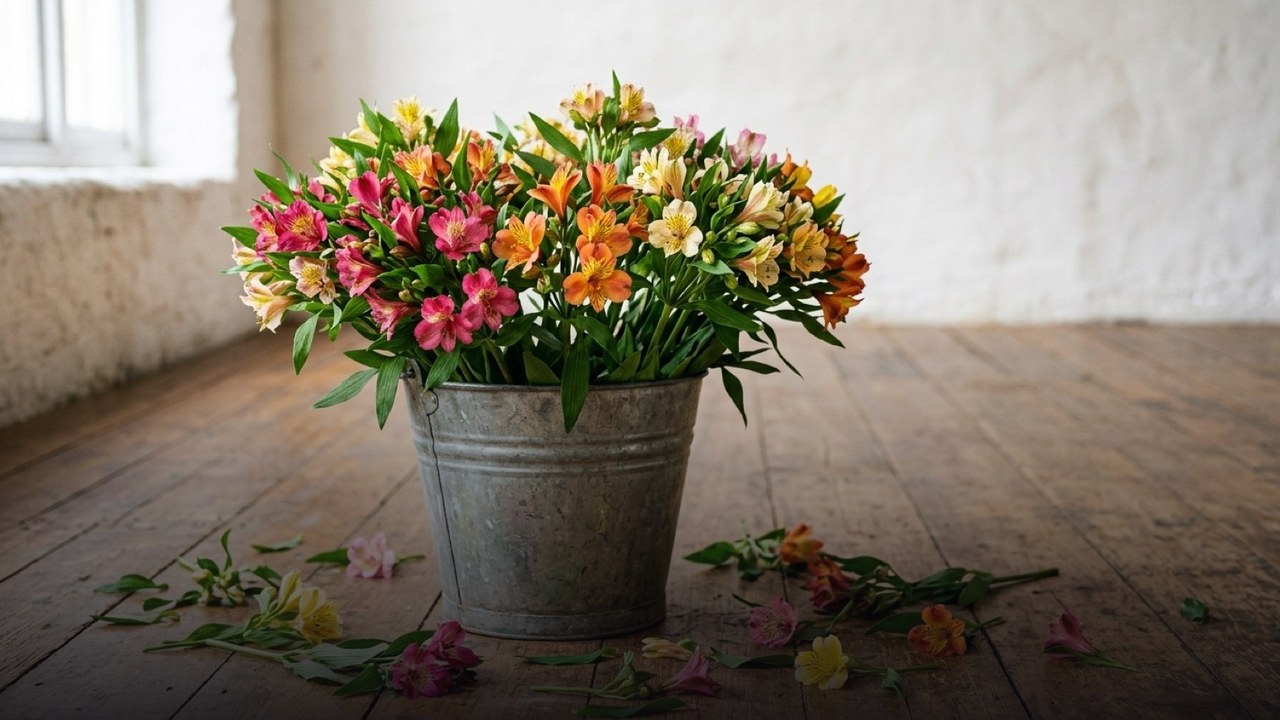
If you are searching for “columbian flowers”, you probably mean Colombian flowers: blooms associated with Colombia, including roses, carnations, alstroemeria and orchids. The usual spelling for the country is “Colombian”; its flowers encompass both cultivated cut flowers and native species, which need different care.
For a gift, the useful questions are which flowers suit the recipient, how the bouquet will be displayed and whether its country of origin matters to you. A rose variety, colour or photograph does not establish where a stem was grown. If you are arranging flowers for someone in Russia, start with the effect you want to create and discuss any essential flower requirements before ordering.
Which flowers are associated with Colombia?
Roses are a natural starting point for understanding Colombian cut flowers. Their appeal in a bouquet comes from the shape of the bloom, the colour and the relationship between the flower head and its stem. Choose a compact arrangement for a dining table or desk; a taller design needs a suitable vase and enough space to display it comfortably.
Carnations have densely ruffled petals and bring texture to mixed bouquets. Spray carnations carry several smaller blooms on a branching stem, while standard carnations have one main flower. Alstroemeria also offers multiple flowers on each stem, with markings that reward a closer look. Both are useful references when you want something softer and more detailed than a bouquet built around large roses.
Colombia is also closely associated with orchids, and Cattleya trianae is its national flower. That botanical connection does not mean this particular orchid is available as a gift or suitable for an ordinary mixed bouquet. A potted orchid and a cut orchid stem are different products with different care needs, so clarify which you mean if you discuss an orchid gift.
Choose the bouquet by occasion and recipient
Let your relationship with the recipient guide the colour before you focus on a particular flower. Red roses commonly suggest romantic love, which can make them an awkward choice for a colleague or a new acquaintance. Pink, peach or a mixed palette can express warmth without such a strong romantic message. These are conventions, however, rather than meanings every recipient will share.
For a birthday, consider what the person actually enjoys: restrained colours, an expressive mix, a single flower type or lots of texture. White flowers can look elegant, but an all-white arrangement may carry a solemn association for some people. Yellow can feel bright and cheerful, though some Russian recipients associate it with separation. Personal preference is more useful than a rigid flower dictionary.
When sending flowers in Russia, an odd number of stems is customary for a small, clearly countable gift bouquet; even numbers are traditionally associated with mourning. Counting becomes less straightforward in mixed arrangements with branching stems. If the gesture needs to follow that custom closely, explain this when choosing the bouquet. For condolences, state the purpose explicitly so it cannot be mistaken for a celebration.
Bouquets we can deliver




What to check before choosing flowers
Start with the place where the bouquet will stand. A large arrangement may overwhelm a narrow bedside table, while tall stems can obstruct conversation across a dinner table. For someone receiving flowers at work, think about the journey home and whether they have a vase available. A favourite colour and a realistic display size give you a clearer brief than “something impressive”.
Ask about scent if the recipient is sensitive to fragrance, and mention any flower allergies or pets before settling on a design. Some flowers present specific risks: lilies, for example, are highly toxic to cats. Do not assume that removing pollen makes them safe. For a household with animals, identify the proposed flowers and check their suitability before choosing the arrangement.
If Colombian origin is essential to your purchase, ask whether it can be confirmed for the particular flowers you are considering. Do not infer origin from a catalogue title, a long stem or a large bloom. You can explore the Bouquets catalogue for ideas about colour and composition, then discuss the details that matter most; a visual preference and a verified origin requirement are separate requests.
How to care for roses, carnations and mixed bouquets
Prepare a clean vase before unwrapping the stems. Wash away residue from earlier flowers, rinse thoroughly and fill with fresh water. Remove leaves that would sit below the waterline, then trim the stem ends with a clean, sharp tool before placing them in the vase. Keep as much healthy foliage as is practical above the water, where it contributes to the bouquet's shape.
If flower food is supplied, follow its dilution instructions instead of guessing or adding household ingredients. Check the water daily, top it up as needed and replace it when it becomes cloudy. Wash the vase during water changes and recut stem ends if necessary. Remove fading flowers and fallen foliage promptly so they do not sit in the water among the remaining stems.
Position cut flowers away from direct sun, radiators and ripening fruit, and avoid leaving them in a draught. Different flowers open and fade at different rates, so adjust a mixed bouquet as individual stems change. These vase-care steps apply to cut flowers; a potted orchid needs care suited to its type and growing medium, rather than standing water around its roots.
Plan delivery around the recipient's day
For a surprise, choose a time when the recipient is likely to be available and able to put the flowers in water. Check the Russian destination's local time before comparing it with your own schedule abroad. Turboflora delivers flowers across Russia. City delivery costs 500 RUB; for remote districts and suburbs, the operator confirms the delivery price when confirming the order.
In large cities, express delivery is available within 1–2 hours after the order is confirmed. You can also arrange an exact time with a tolerance of plus or minus 30 minutes, choose a window of 09–12, 12–15, 15–18 or 18–21, or pre-order 1–30 days ahead. Count express timing from confirmation, and choose a window that fits the recipient's actual plans.
The courier calls the recipient about 15 minutes before arrival, so a surprise still includes practical contact about the handover. If the recipient is absent, we agree a second delivery the same day or, with the sender's consent, hand the flowers to a neighbour or concierge. Decide beforehand whether either alternative would suit your recipient. The Delivery and payment page is a useful reference when arranging your order.
How to order flowers to Russia from abroad
Begin with the destination city, address, recipient's contact details and your preferred delivery date or window. Then choose a bouquet and explain any essential preferences, such as colour, occasion or a flower you need to avoid. If your search began with Colombian roses, make clear whether you want a rose-led design or specifically need confirmed Colombian origin; one request does not automatically establish the other.
Contact a manager on WhatsApp for help choosing a bouquet and agreeing the time, address and card text. You can also arrange a photo of the bouquet before delivery. Use that conversation to resolve practical details, especially an unfamiliar address or a recipient's limited availability. Keep the card message ready so its wording can be agreed alongside the delivery arrangements.
Delivery is anonymous by default: the courier does not name the sender. A card with your text is free, so sign the message if you want the recipient to know who sent the flowers. Online checkout uses CloudPayments; check the payment options displayed there rather than assuming a particular foreign card will be accepted. Complete the order details and use the confirmed delivery arrangements to plan your greeting.
Frequently asked questions
Is “Columbian flowers” the same as “Colombian flowers”?
If you mean flowers from Colombia, “Colombian flowers” is the usual spelling. “Columbian flowers” is a common search variation, but the spelling alone does not identify a particular flower or bouquet.
What is Colombia's national flower?
Colombia's national flower is the orchid Cattleya trianae. Its national status does not establish availability in a bouquet catalogue, so ask about a specific orchid before planning your gift around it.
Can I choose a bouquet by its Colombian origin?
If origin matters to you, ask whether it can be confirmed for the particular flowers before ordering. Colour, bloom size and catalogue photographs are not reliable evidence of where flowers were grown.
Can I send flowers anonymously to someone in Russia?
Yes, delivery is anonymous by default, and the courier does not name the sender. A card with your text is free; leave your name out of that message if you want to preserve the anonymity.
How do I pay when ordering from another country?
Online checkout uses CloudPayments. Check the options displayed at checkout, as acceptance of every foreign card is not guaranteed.
Ready to send flowers?
Pick the city, choose the bouquet, and a local florist takes it from there.
Choose a city →