Flower Delivery in Engels: What to Expect When You Order
Engels sits just across the Volga from Saratov, close enough to feel like one city, distinct enough to have its own rhythm. If you are sending flowers there for a birthday, an anniversary, or simply because someone deserves them today, you want honest answers before you click order — not vague promises. This article tells you exactly how delivery works in Engels, which flowers travel best, what the recipient will actually receive at the door, and how to make the bouquet last once it arrives.
Where in Engels We Deliver and Why It Matters
Engels is a mid-sized city, and its layout matters when you are planning a timed delivery. The central districts — around Lenin Square, the main shopping streets, and the older residential quarters near the river embankment — are straightforward to reach. Addresses in newer residential developments on the city's southern and eastern edges may add fifteen to twenty minutes to the journey, so it is worth being precise when you enter the address at checkout.
The bridge connection between Saratov and Engels means our couriers cross regularly, but bridge traffic can slow at peak hours — typically weekday mornings between eight and ten, and late afternoons between five and seven. If the occasion is time-sensitive, choosing a delivery window that avoids those hours gives you the smoothest result. A lunchtime slot or an early evening delivery after seven tends to move reliably.
Apartment buildings with coded entrance doors are common in Engels. Leave the entry code in the order notes, or ask the recipient to be available to buzz the courier in. This one small detail prevents the most common delay we see on residential deliveries. If you are sending to a workplace — an office, a school, a clinic — note the name of the organisation and the floor, because reception staff are not always expecting a delivery and a clear label helps everyone.
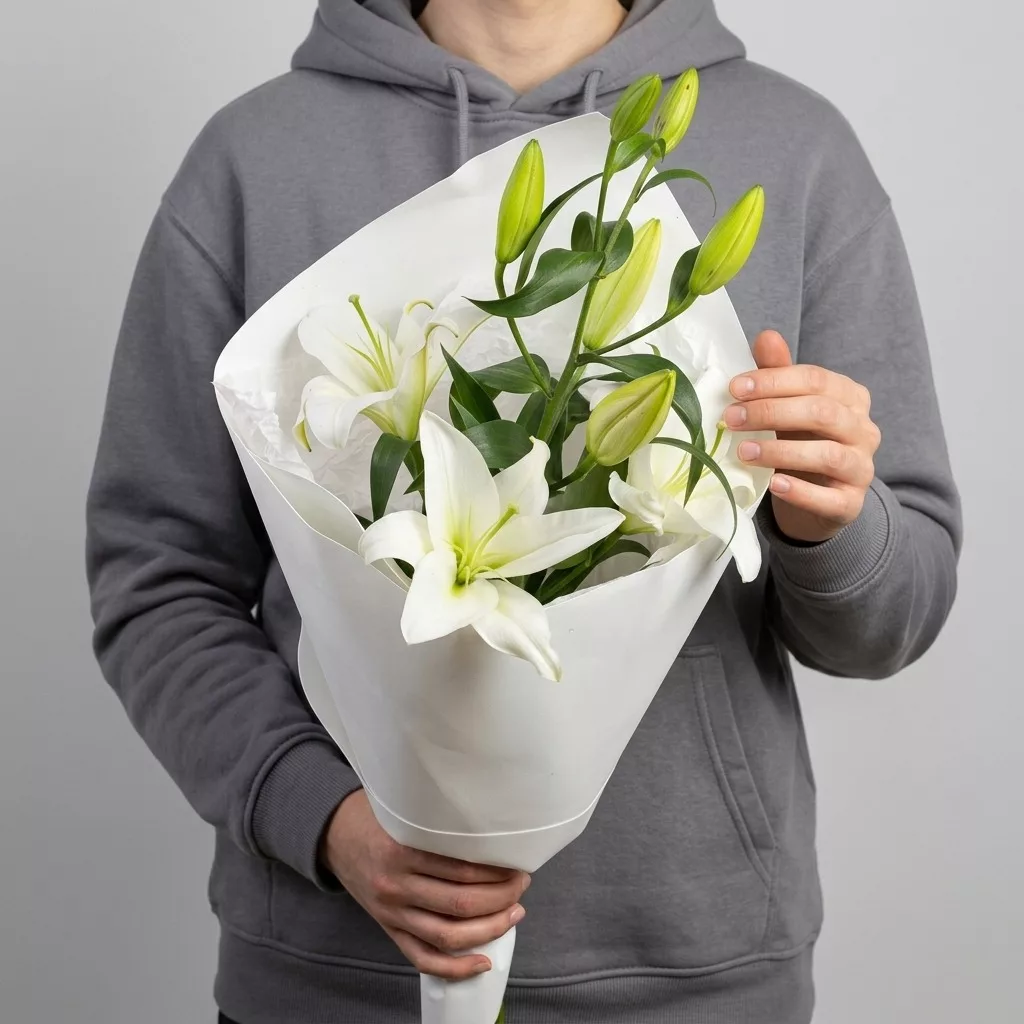
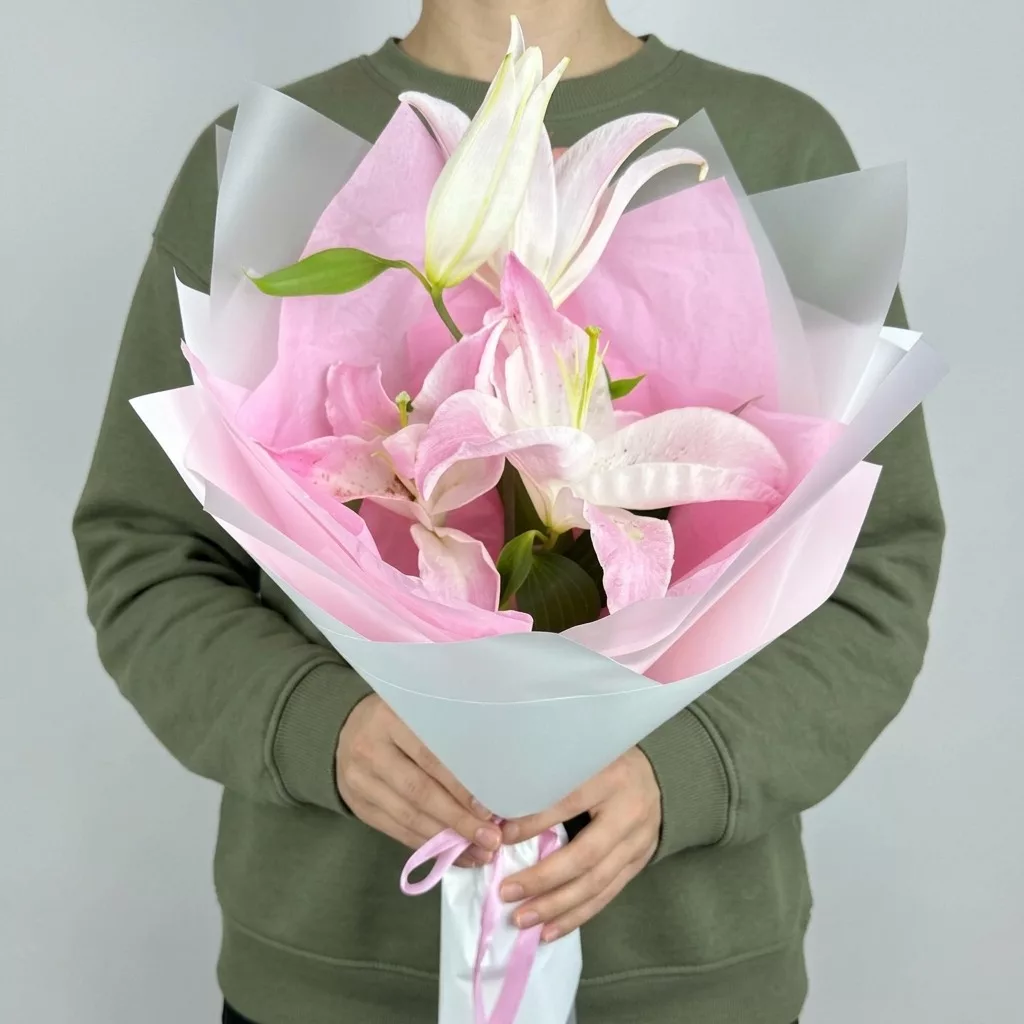
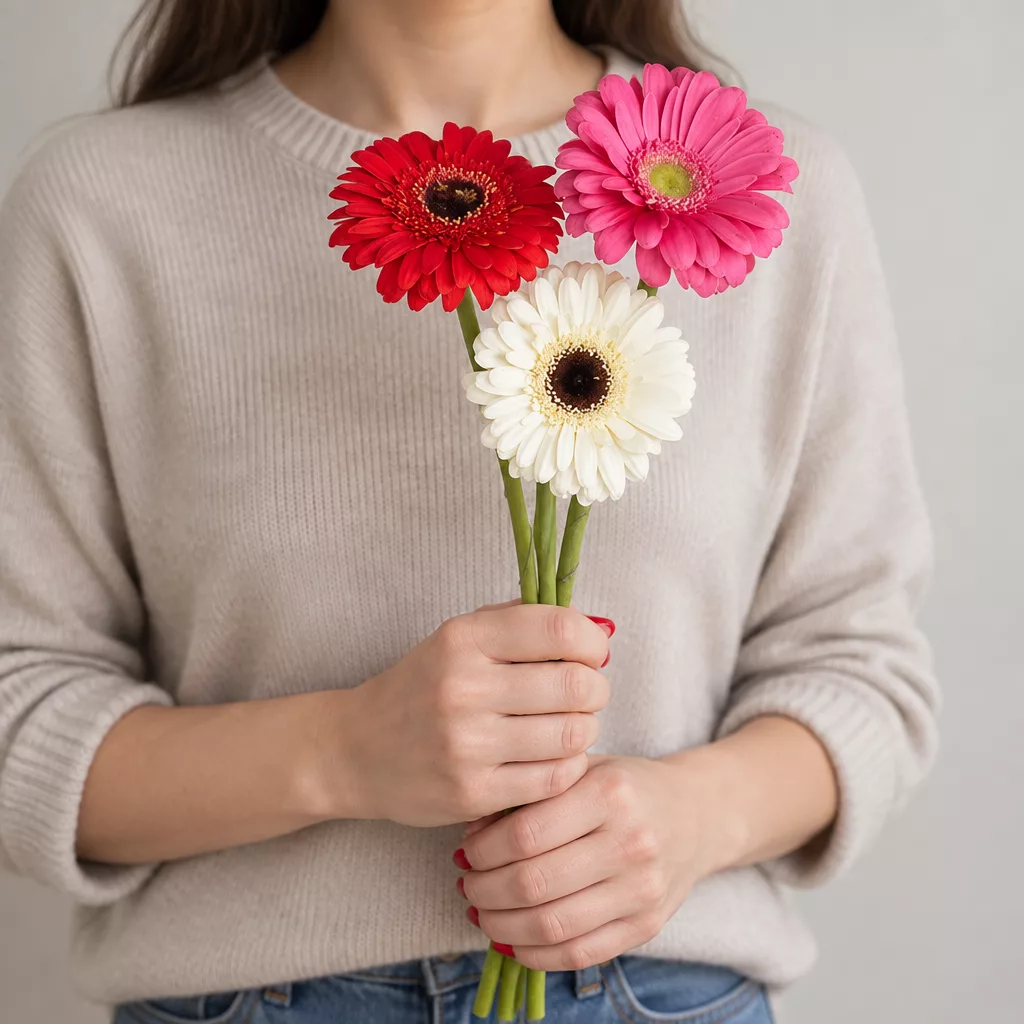
Bouquets we can deliver

Timing: What One to Two Hours Actually Means
When we say one to two hours, we mean from the moment your order is confirmed and assembled, not from the moment you start browsing. Assembly takes time — stems are cut at an angle, conditioning water is added, wrapping is chosen to suit the weather. In summer heat above twenty-five degrees Celsius, we add a cool gel pack inside the wrapping to protect roses and hydrangeas during transit. In winter, outer insulating layers go around the bouquet so frost does not touch the petals during the walk from the car to the front door.
The one-hour end of that range is realistic for central Engels addresses during quieter parts of the day. The two-hour end applies to outlying streets or to peak-demand periods such as the eighth of March, Valentine's Day, or the first of September, when order volume is high across both cities simultaneously. On those dates we recommend ordering the evening before or choosing a morning slot to lock in your preferred time.
You will receive a message when your order is on its way. The recipient does not need to know in advance — many customers prefer the surprise — but if the building has a locked entrance or the person is in a meeting, a quick heads-up from you prevents a missed delivery. We do not leave bouquets unattended outside doors; flowers left in a hallway in summer warmth lose hours of vase life, and that is not acceptable to us.
Choosing the Right Flowers for the Person, Not Just the Day
The occasion gives you a starting point, but the person in front of you should shape the final choice. A colleague turning fifty may appreciate something structured and elegant — garden roses in blush or cream, paired with eucalyptus and white lisianthus, feel considered rather than generic. A younger friend celebrating a new job might love something with energy: bright orange ranunculus, yellow tulips, a few stems of electric-blue eryngium for texture.
For romantic occasions, red roses remain the clearest signal in Russian culture, and they read that way regardless of whether the recipient is familiar with local customs. If you want something less expected but equally warm, deep burgundy peonies in season — roughly May through July — carry the same emotional weight with more visual softness. Combine them with white freesia for fragrance and the bouquet becomes memorable before it even reaches a vase.
Spring deliveries to Engels benefit from tulips, which are grown in large volumes domestically and arrive fresh. Autumn is the season for chrysanthemums and dahlias, both of which travel well and hold their shape for seven to ten days with basic care. Summer is the peak season for sunflowers, which are genuinely popular across the Volga region and feel right for cheerful, uncomplicated celebrations. If you are unsure, describe the person and the occasion in the order notes and our florists will make a choice that fits.
Bouquets by Budget: What You Get at Each Level
A smaller budget does not mean a lesser gesture. A compact bouquet of five or seven stems — spray roses, alstroemeria, and a few stems of waxflower — can be beautifully composed and feel intentional rather than thin. The key is keeping the palette tight: two or three colours maximum, with the wrapping paper chosen to complement rather than compete. A well-wrapped small bouquet often photographs better and lasts longer than a loosely assembled large one.
At a mid-range spend, you move into mixed bouquets that include focal flowers — single-headed roses, lisianthus, or gerberas — supported by textural fillers like pittosporum, ruscus, or dried bunny tail grass. This is the range where combinations become most interesting. A bouquet of blush roses with dusty miller leaves and white waxflower, for example, looks expensive because the colour relationship is deliberate.
At the higher end, the difference is in volume and in the flowers themselves. Garden roses with their many-petalled heads, peonies, orchid stems, and proteas all carry a higher base cost because of their origin and transport. A large arrangement of garden roses in ivory and soft peach, wrapped in kraft paper with a wide satin ribbon, makes an immediate impression at the door. At this level, the presentation — the weight of the bouquet in the hand, the fragrance, the visible abundance — is part of what you are giving. It is worth spending a moment in the order notes describing the recipient so the composition feels personal rather than simply large.
How Russian Flower Customs May Surprise You
If you are not familiar with Russian gift-giving traditions, a few details are worth knowing so you can order with confidence. Odd numbers of stems are the standard for celebratory bouquets — five, seven, nine, eleven. Even numbers are associated with mourning and are avoided for birthdays, anniversaries, and congratulations. Our florists follow this automatically, but if you specify a number in your order, make sure it is odd.
Colour symbolism is less rigid than some guides suggest, but yellow flowers carry a mild association with separation in older Russian tradition. Many younger recipients do not hold this view at all, and a yellow tulip bouquet is perfectly cheerful and well-received. However, if you are sending to someone older or more traditional, a mixed palette that includes yellow alongside other colours is a safe middle ground.
Wrapping style matters here. An unwrapped bouquet feels unfinished; flowers presented in craft paper, fabric, or a decorative sleeve signal care and intention. We wrap every bouquet before it leaves, but you can note in your order if you have a preference — minimal kraft paper for a natural look, or a fuller sleeve for something more formal. A handwritten card is included if you add a message at checkout. In Russian custom, the card is read privately, so the message does not need to be short — a few warm sentences are entirely appropriate.
Keeping the Flowers Fresh After Delivery
Vase life starts the moment the bouquet is unwrapped, and the first hour matters most. The recipient should remove any wrapping fully, trim the stems by about two centimetres at a forty-five-degree angle using scissors or a knife — not tearing — and place the bouquet immediately in a clean vase with fresh, cool water. Warm or standing water accelerates bacterial growth, which is the main reason flowers wilt early.
Keep the vase away from direct sunlight, heating radiators, and fruit bowls. Ripening fruit releases ethylene gas, which shortens the life of roses, tulips, and lisianthus noticeably. A cool spot — a windowsill away from direct sun, or a shaded table — extends vase life by several days. Change the water every two days and re-trim the stems each time.
Different flowers have different natural lifespans. Alstroemeria and chrysanthemums are among the longest-lasting, often reaching ten to fourteen days with basic care. Tulips last five to seven days but continue to grow and move after cutting, which many people find charming. Roses at peak freshness last seven to ten days; if they were delivered in bud, they will open over the first two days and look their best on days three and four. Peonies are shorter-lived — five to seven days — but their fragrance and the drama of their open blooms make them worth it. Telling the recipient these details in your card message is a small gesture that shows you thought about what happens after the door closes.
Getting the Order Right: Details That Make the Difference
The most successful deliveries share a few things in common, and none of them are complicated. A full address — street, building number, apartment number, entry code — removes every logistical obstacle before it appears. A working phone number for the recipient means the courier can call if the building is hard to find. These two details alone account for the majority of smooth deliveries.
If you are ordering as a surprise, the recipient's phone number is still useful — the courier can call without explaining why they are there, or you can add a note asking us to send a message to you first so you can coordinate. Many customers in this situation choose a delivery window when they know the recipient is home: after work, before a dinner reservation, or on a weekend morning.
Think about the presentation from the recipient's perspective. They will open the door, see the courier, and have a few seconds of reaction before they understand what is happening. A bouquet that is visible, well-wrapped, and accompanied by a card creates a complete moment. If you want to add a small gift — chocolates, a candle, a soft toy — note it in the order and we will assemble it together so the courier arrives carrying one cohesive package rather than separate items.
Finally, if the date is fixed and important — a birthday, an anniversary — order the evening before or first thing in the morning. Same-day ordering works well for most of the year, but giving yourself a time buffer on meaningful dates means you are not watching the clock.
Engels is close, and the Volga crossing is just part of the route. What matters is that the flowers arrive looking the way they looked when they left — fresh, composed, and wrapped with care. Every detail you add at checkout, from the entry code to the card message, becomes part of what the recipient experiences at the door. Order with a little thought about the person and the moment, and the bouquet does the rest.
Frequently asked questions
Can you deliver to Engels on the same day I order?
Yes, same-day delivery is standard for most addresses in Engels. Orders placed in the morning are typically delivered by midday or early afternoon. On major flower holidays such as the eighth of March or Valentine's Day, we recommend ordering the evening before to secure your preferred delivery window and avoid peak-period delays.
What happens if the recipient is not home when the courier arrives?
Our couriers will call the recipient before leaving the vehicle. If there is no answer, they will call the number you provided as the sender. We do not leave bouquets unattended outside doors. If contact cannot be made, we will arrange a second delivery attempt at a time that works for both parties.
Do you deliver to addresses on the outskirts of Engels, not just the centre?
We deliver across Engels, including newer residential districts on the southern and eastern edges of the city. Outlying addresses may fall toward the two-hour end of our delivery window rather than one hour. Entering a precise address with building and apartment number helps our courier plan the most direct route.
How should I choose between roses and another flower if I am not sure?
Roses are the safest all-occasion choice and are understood as a warm gesture in any context. If you want something more seasonal or personal, describe the recipient's age, personality, and the occasion in the order notes. Our florists will select a combination that fits. Tulips, peonies, and lisianthus are popular alternatives depending on the time of year.
Is it true that yellow flowers are a bad choice in Russia?
Yellow flowers carry a mild traditional association with parting among older generations, but many younger Russians do not observe this at all. A bouquet of pure yellow tulips is widely given and received without concern. If you are cautious, mixing yellow with white or orange in the same bouquet softens any traditional reading while keeping the palette bright and cheerful.
Ready to send flowers?
Pick the city, choose the bouquet, and a local florist takes it from there.
Choose a city →