Sending Flowers to Evpatoriya? Here Is What to Expect
Evpatoriya sits on the western Crimean coast, and its warm, sun-soaked character shapes everything about giving flowers there — from the varieties that travel best in summer heat to the neighbourhoods where a courier can reach a door within the hour. Whether you are surprising a friend near the seafront promenade or sending a birthday bouquet to a relative in a quieter residential quarter, this guide walks you through every practical detail so the flowers arrive looking exactly as they should.
Which Parts of Evpatoriya We Cover and Why It Matters
Evpatoriya stretches along the coast and then fans inland through a mix of Soviet-era residential blocks, private houses and newer resort-facing developments. The central districts — around Teatralnaya Square, the old town medina quarter and the seafront embankment — are the most straightforward to reach. Couriers know these streets well, and delivery here tends to sit at the faster end of the one-to-two-hour window.
The resort areas along Moinakskoe Lake and the northern sanatorium belt require a little more planning, particularly during summer when beach traffic slows movement on the main coastal roads. If you are sending to a hotel or a sanatorium, it helps to include the building name and the recipient's room or block number alongside the street address. A vague address adds time, and time is the enemy of fresh flowers in Crimean summer temperatures.
Private house addresses in the newer suburban edges of the city — areas that have grown quickly over the past decade — sometimes have gaps in mapping databases. Providing a landmark or a short description in the delivery notes removes any uncertainty. Our team will contact you if there is any ambiguity before the bouquet leaves the shop, so nothing is left to guesswork. Covering the whole city properly means knowing its quirks, and Evpatoriya has a few worth preparing for.
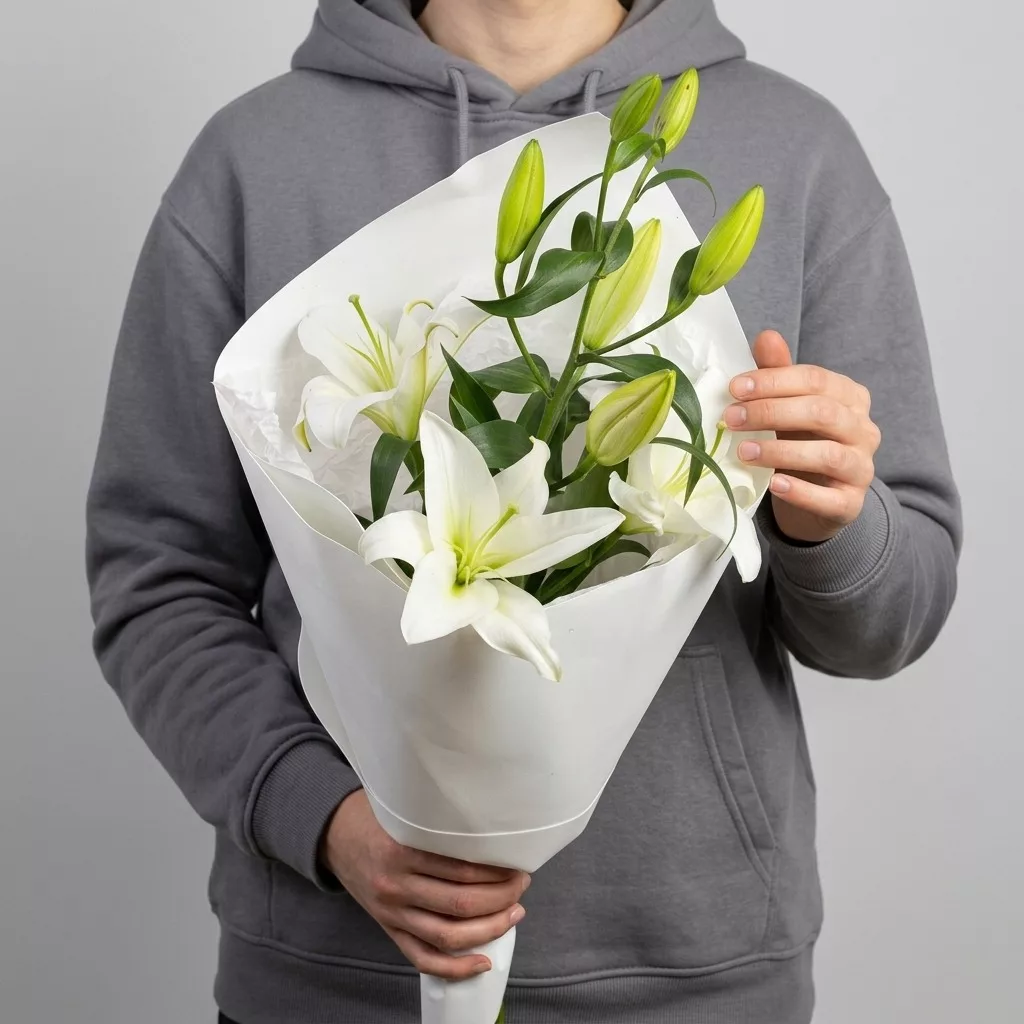
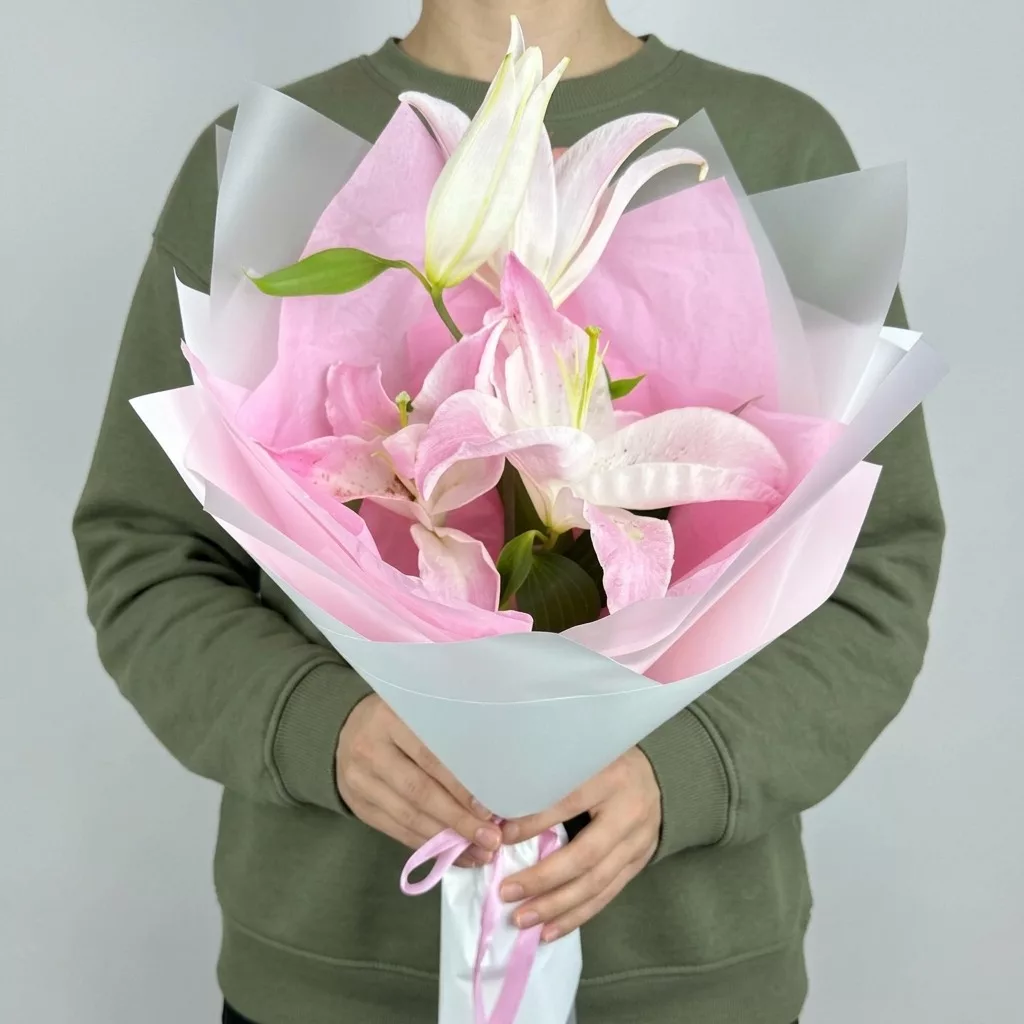
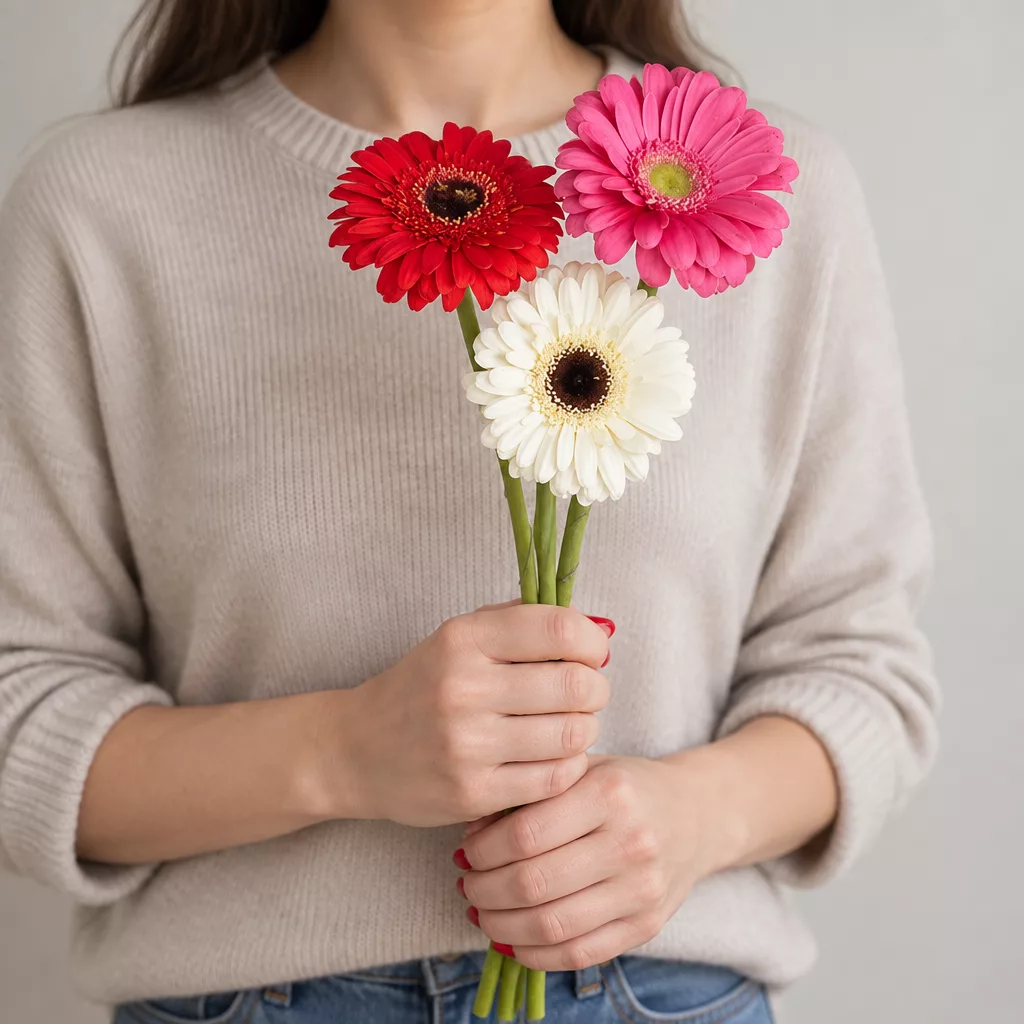
Bouquets we can deliver

Timing Your Order Around Evpatoriya's Rhythms
The one-to-two-hour delivery window is the standard Turboflora promise, and in Evpatoriya it holds across most of the day. Morning orders placed before noon tend to move fastest because the streets are quieter and florists have the widest selection of freshly conditioned stems to work with. If you need flowers to arrive before a specific event — a birthday dinner, a welcome home from the airport — ordering two to three hours ahead gives comfortable margin.
Evpatoriya's summer season, roughly June through August, brings a significant influx of visitors and a corresponding increase in traffic on the coastal boulevard and the roads connecting the resort zones. During peak beach hours, roughly eleven in the morning to three in the afternoon, journeys that take twenty minutes in May can stretch considerably. Placing your order early in the morning or after four in the afternoon during these months is a practical way to stay inside the standard window.
Winter and shoulder-season deliveries are noticeably smoother. The city is quieter, parking near residential buildings is easier, and couriers can move efficiently. If you are sending flowers for the New Year period — a huge occasion in Russian tradition, celebrated on January first with the same scale and warmth Westerners associate with Christmas — order at least a day ahead, as demand spikes sharply in the last days of December. Planning a few hours ahead rather than at the last moment is always the right instinct when the occasion genuinely matters.
Choosing Flowers That Suit the Crimean Climate
Evpatoriya is warm for much of the year, and heat is the single biggest factor in choosing what to send. Roses remain the most requested flower, and they travel well when the stems have been properly conditioned — kept in water at around four to six degrees Celsius before assembly and not left in a hot vehicle. Spray roses, which have multiple smaller blooms on a single stem, are particularly resilient and look generous without requiring a large stem count.
Chrysanthemums are underrated for warm-weather delivery. They hold their form in heat far better than tulips or ranunculus, and a mono bouquet of white or burgundy chrysanthemums reads as both elegant and considered. Alstroemeria is another strong choice — it is long-lasting, comes in a wide range of colours and does not wilt quickly even when temperatures climb.
Tulips and peonies are the flowers people most often regret sending in high summer. Tulips continue to grow after cutting and collapse in warmth; peonies are extraordinarily beautiful but delicate once fully open. Both are better choices from October through April, when Crimean temperatures allow them to travel and settle properly. Sunflowers, by contrast, are made for Evpatoriya summers — they are visually bold, culturally joyful and genuinely heat-tolerant. Pairing sunflowers with cream alstroemeria and eucalyptus gives a bouquet that feels local, seasonal and effortlessly right for the setting.
Bouquet Combinations Worth Ordering for the Most Common Occasions
A birthday bouquet for a woman in her thirties or forties tends to land best when it balances softness with a little drama. Garden roses in blush or coral tones combined with white lisianthus — a flower that resembles a ruffled peony but travels far better — and a few stems of pale eucalyptus makes a composition that photographs beautifully and fills a room with gentle fragrance. This is the kind of arrangement that feels genuinely considered rather than generic.
For a romantic occasion or an anniversary, mono bouquets of long-stemmed red or deep burgundy roses remain the clearest signal of intention in Russian culture. Fifty stems is a classic quantity for a significant anniversary; eleven is the traditional number for a first romantic gesture, because even numbers of flowers are associated with mourning in Russian tradition and should be avoided for celebratory gifts. If you are not familiar with this custom, it is worth knowing — florists here take it seriously.
For welcoming a new baby — a popular occasion for flower delivery — white and pastel arrangements work best. White chrysanthemums with soft pink spray roses and a ribbon in a complementary tone is a combination that reads as warm and celebratory without being overwhelming. For a child's graduation or a school performance, bright mixed arrangements with gerberas in yellow, orange and red convey the right energy: festive, cheerful and completely appropriate for a young recipient who wants colour rather than subtlety.
Presentation Details That Make the Difference
The wrapping and presentation of a bouquet is not a small detail in Russian flower culture — it is part of the gift itself. Cellophane wrapping is the most common format, and when done well it protects the stems during transit while still allowing the flowers to be seen. Kraft paper wrapping has become increasingly popular and gives a more artisan, European feel that many recipients now prefer, particularly in younger age groups.
A ribbon tied at the stem adds a visual finish that signals care. Colour-coordinating the ribbon to one of the secondary flowers in the bouquet — a dusty rose ribbon on a bouquet that includes pale pink spray roses, for example — is a small touch that elevates the whole composition. When you place your order, you can specify a colour preference or leave it to the florist's judgement, which is often the better option when you trust the team.
A handwritten card is something many people forget to request and then wish they had. A few genuine words carry more weight than the flowers themselves in many cases. If you are ordering from abroad or from another Russian city and you are not confident writing in Russian, a short message in English is entirely acceptable — the recipient will understand the gesture. The card is enclosed inside the wrapping so it arrives as part of the presentation, not as an afterthought handed over separately. Ask for it when you place the order; adding it later is not always possible once assembly has begun.
Caring for Flowers After Delivery in Evpatoriya
Once the bouquet arrives, the recipient's first fifteen minutes with it determine how long it will last. The stems should be cut at a diagonal with a clean knife — scissors crush the vascular tissue — and placed immediately in a clean vase with fresh, cool water. Tap water in Evpatoriya is fine; there is no need for mineral water or any special treatment beyond keeping the vase clean.
The vase should be kept away from direct sunlight and away from heat sources. In summer, this means avoiding windowsills that face south or west in the afternoon. Air conditioning is helpful for the room but should not blow directly onto the flowers, as it dries the petals quickly. A consistent room temperature between eighteen and twenty-two degrees Celsius is ideal for most cut flowers.
Water should be changed every two days, and the stems should be recut by a centimetre each time. This sounds like more effort than it is — it takes under two minutes and meaningfully extends vase life. Roses kept this way will last seven to ten days in reasonable conditions. Chrysanthemums can go two weeks. Lisianthus and alstroemeria sit comfortably in the eight-to-twelve-day range. Removing any leaves that fall below the waterline prevents bacterial growth, which is the most common reason flowers decline faster than expected. A clean vase and fresh water are more effective than any additive or preservative sachet.
What Happens If Something Goes Wrong With Your Delivery
Delivery hiccups are rare, but it is worth knowing what to expect if one occurs. If a courier cannot access a building — a locked gate, an intercom that does not connect, a recipient who has stepped out — the standard process is to call the recipient directly and then to call the person who placed the order. The courier will wait a reasonable amount of time before the situation is escalated to the shop team.
If flowers arrive in a condition that does not meet expectations — stems that have wilted in transit, petals that show damage — the right step is to photograph the bouquet immediately and contact Turboflora's support team. Photographs taken within an hour of delivery give the clearest picture of what happened and allow the team to respond appropriately. This is not a complicated process; it is simply a matter of documenting the issue promptly.
For orders placed well in advance, it is worth confirming the recipient's address and availability the day before, particularly for deliveries to hotels or short-term rentals where guests may change rooms or check out earlier than planned. A quick message to the recipient — even if it spoils a small element of the surprise — prevents a bouquet from arriving at an empty room. The flowers matter more than the perfect reveal, and most recipients appreciate the practical kindness of a confirmed delivery over an uncertain one. Turboflora's team is reachable throughout the delivery window and will update you if anything needs to be resolved.
Evpatoriya is a city that takes warmth seriously — in its climate, in its hospitality and in the way people mark occasions for one another. Sending flowers here is a genuinely meaningful gesture, and getting the details right makes the difference between a bouquet that arrives looking considered and one that arrives looking like an afterthought. The right variety for the season, a presentation that respects local custom, and a delivery timed to the rhythms of the city all come together in a way that the recipient feels even before they read the card.
Frequently asked questions
Can I order flowers for same-day delivery in Evpatoriya?
Yes. Same-day delivery is the standard service in Evpatoriya. Place your order and flowers are assembled and dispatched within the hour in most parts of the city. During peak summer months, ordering before noon or after four in the afternoon gives the most reliable arrival time within the one-to-two-hour window.
What flower varieties hold up best in Evpatoriya's summer heat?
Chrysanthemums, alstroemeria, spray roses and sunflowers are the most heat-resilient choices for summer delivery. Tulips and peonies are better ordered between October and April. A florist will always advise on the best available options for the current temperature and season when you place your order.
Is there anything I should know about Russian flower customs before ordering?
The most important custom is the number of stems. Even numbers of flowers are associated with mourning and should be avoided for celebratory gifts. Eleven, fifteen, or twenty-five stems are all appropriate for happy occasions. Red roses carry a clear romantic meaning, while white flowers are used for both celebrations and solemn occasions depending on context.
Can I send flowers to a hotel or sanatorium in Evpatoriya?
Yes, hotels and sanatoriums are common delivery destinations in Evpatoriya. Include the property name, the building or block number if there are multiple, and the recipient's room number in the delivery notes. It also helps to let the recipient know a delivery is coming so they can be available or arrange for reception to accept it.
How long will the flowers last after delivery?
With basic care — diagonal stem cuts, clean water changed every two days, and a location away from direct sun — roses last seven to ten days, chrysanthemums up to two weeks, and alstroemeria eight to twelve days. The single most effective step is recutting the stems each time the water is changed. No special additives are needed.
Ready to send flowers?
Pick the city, choose the bouquet, and a local florist takes it from there.
Choose a city →