Flower Delivery to Gated Communities and Closed Business Parks in Russia
You have found the perfect bouquet — deep burgundy peonies, maybe, or a loose armful of garden roses in blush and cream — and now comes the part that quietly worries most people ordering flowers for the first time: the address ends with a gate code, a security checkpoint, or a note that says 'call before entering.' Gated residential compounds and closed business parks are genuinely common across Russian cities, and they are not the obstacle they might seem. With a little preparation on your side and a courier who knows what to expect, fresh flowers can reach almost any door in Saint Petersburg and beyond, well within that one-to-two-hour window that keeps petals crisp and water droplets still beading on the stems.
Why Gated Addresses Are So Common Across Russia
Closed residential compounds, known locally as zhilye kompleksy or ZhK, became the dominant format for new apartment construction in Russian cities over the past two decades. A typical development wraps several apartment blocks around a shared courtyard, seals the perimeter with a fence or wall, and controls entry through a barrier arm, an intercom panel, or a staffed security booth. Business parks follow the same logic, adding a visitor registration requirement on top. This is not unusual or unfriendly — it is simply how a large share of urban addresses are built today. For the person sending flowers, it means the delivery address alone is rarely enough. The courier also needs to know how to get through the first layer of access before reaching the front door of the building or office. The good news is that the system is predictable. Security guards at residential compounds are accustomed to receiving parcels and food deliveries around the clock, and flower couriers are a familiar sight. Business park reception desks follow a slightly more formal process, but they too deal with deliveries constantly. Understanding which type of address you are sending to — residential compound, business park, or a private house with its own gate — shapes exactly which pieces of information you need to pass along when you place the order. Getting this right at the start is what separates a smooth delivery from a courier standing at a locked barrier with a bouquet of spray roses wilting in the sun.
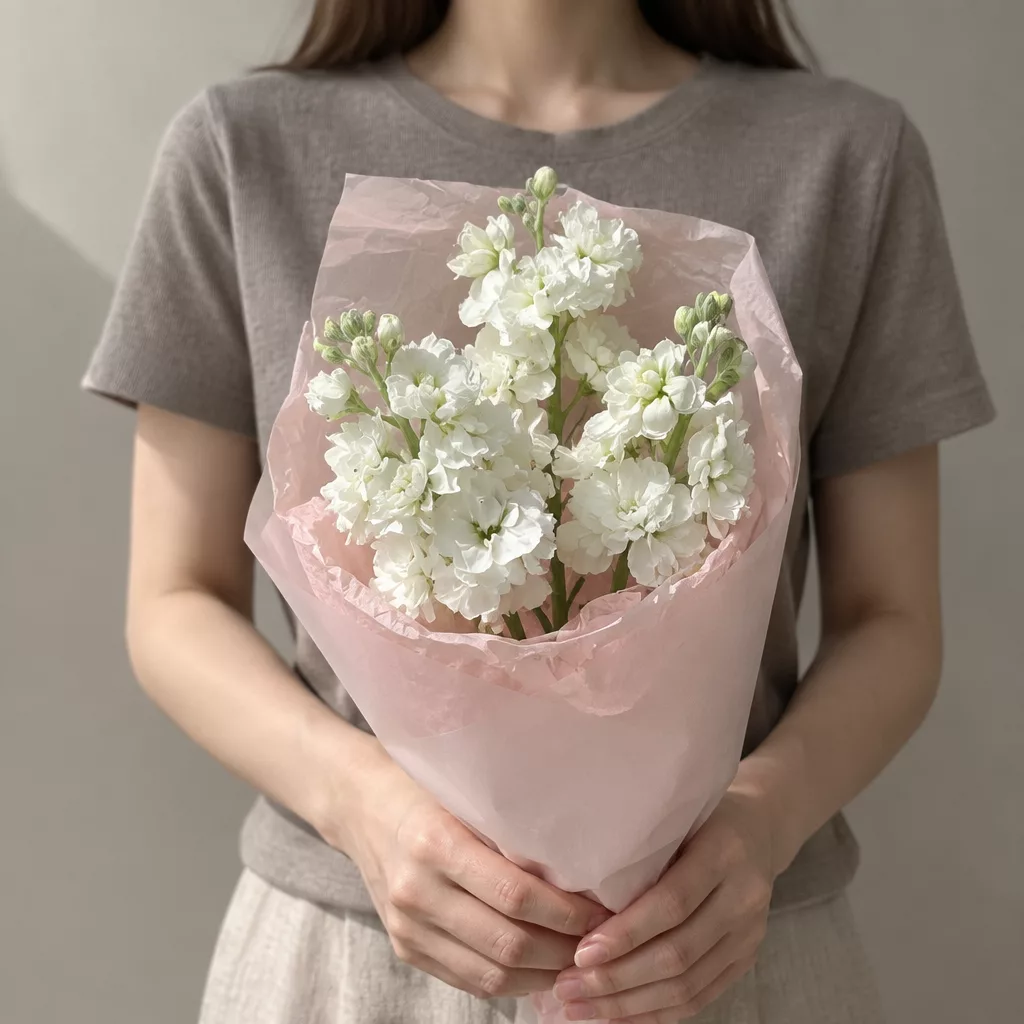
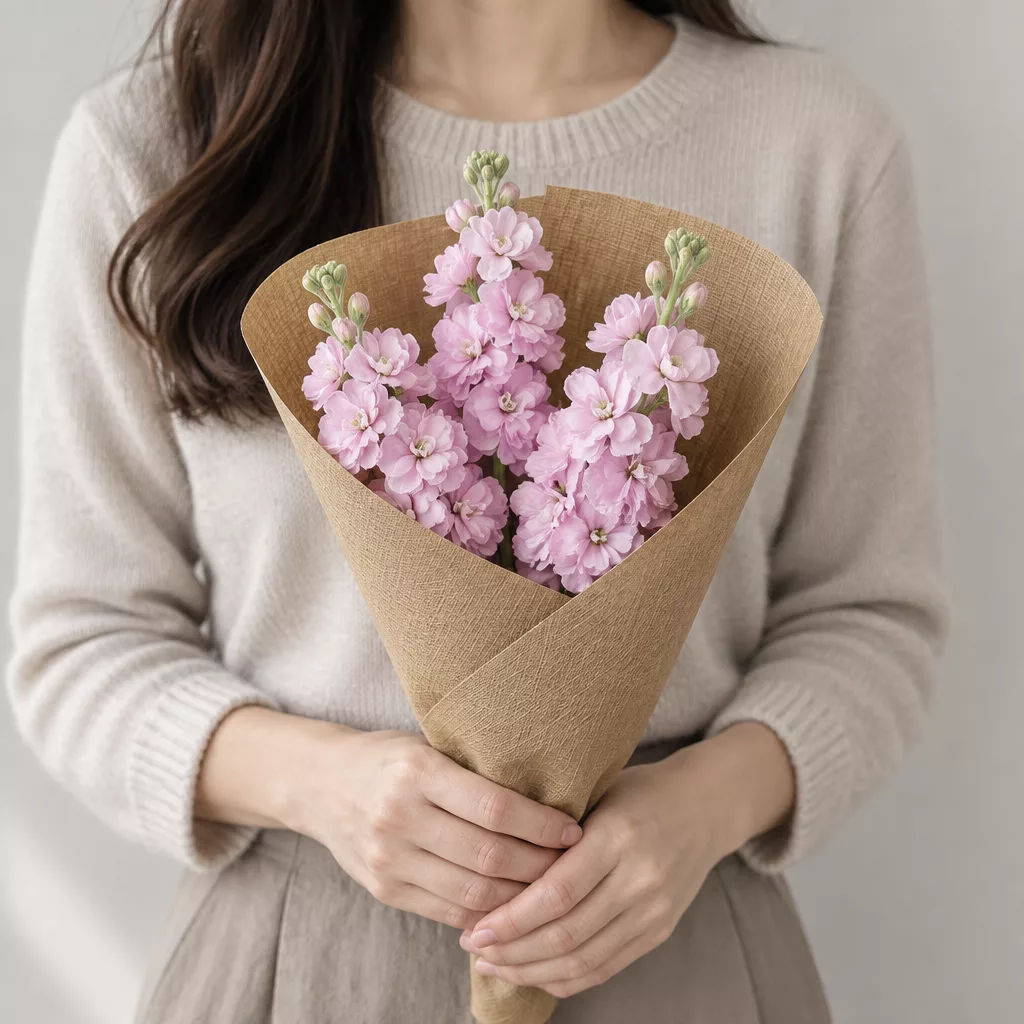
Bouquets we can deliver


What Information to Share When You Place Your Order
Think of the delivery note as a small map in words. The street address and apartment number are the destination, but the access details are the route. When you order, include the exact building number within the compound — many ZhK complexes have six or more buildings numbered separately, and the entrance to building four is rarely next to the entrance to building one. If the compound has a barrier or intercom at the main gate, include the gate code or the apartment number to dial on the intercom panel. In Russia, intercom panels at compound gates typically let a visitor call a specific flat directly, so the recipient can buzz the courier in remotely. If you are surprising the recipient and cannot use the intercom this way, a gate code passed through the order notes is the cleanest solution. For business parks, include the name of the company, the building letter or number, and whether the courier needs to register at reception or can proceed directly to a floor. Some offices require the recipient to come down to the lobby, which is worth mentioning in the order so the courier can call ahead and give the person a moment to get there. A short note like 'barrier at entrance, code is 4521, then building B, third floor, ask for Elena' takes thirty seconds to write and can save fifteen minutes of back-and-forth calls at the gate. Flowers travel best when the courier moves without pauses — every extra minute in a warm car or a sunny courtyard shortens the vase life of delicate varieties like ranunculus or sweet peas.
How Couriers Handle Security Checkpoints and Guard Booths
A staffed security booth is the most common access point at larger residential compounds and nearly all business parks. The guard's job is to verify that a visitor has a reason to be there, and a flower courier with a named recipient on a delivery slip is one of the easiest cases they handle. Still, the process moves faster when the recipient is reachable by phone. Most couriers will call the recipient a few minutes before arrival, which serves two purposes: it confirms the person is home or at their desk, and it gives them time to notify the guard that a delivery is coming. In many compounds, a resident can pre-authorise a visitor by calling the security booth themselves, which means the courier simply states the name and is waved through. If the recipient is a surprise — a birthday, an anniversary, a spontaneous gesture — the sender can call the security booth directly before the courier arrives, or ask a trusted person at the address to authorise entry on their behalf. For office deliveries, reception staff almost always accept flowers on behalf of a colleague and hold them safely until the person returns to their desk. Roses and chrysanthemums handle a short wait at room temperature reasonably well; hydrangeas and lilacs are thirstier and benefit from being placed in water quickly, so it is worth mentioning to the receptionist that the stems should go into a vessel with water if there will be a delay of more than twenty minutes. A small, practical note tucked into the bouquet with care instructions helps enormously here.
Private Houses with Gates: a Different Kind of Access
Delivering to a private house — a dom or cottage — with its own gate or intercom is a slightly different situation from a large compound, and it is worth treating it separately. These addresses are common on the outskirts of Saint Petersburg and in the suburban belt beyond the city, and they vary enormously. Some have a simple latch gate and a dog. Others have a video intercom, an electric sliding gate, and a long gravel driveway. The most useful detail you can provide is a phone number for someone who will physically be at the property. Unlike an apartment building where the recipient can buzz a courier in from their sofa, a private gate often requires someone to walk out and open it manually or press a button inside the house. If the recipient is expecting the delivery, a quick call from the courier when they are five minutes away gives that person time to get to the gate without the bouquet sitting in a warm car any longer than necessary. Temperature matters more than people realise. In summer, the interior of a delivery vehicle on a sunny day can reach temperatures that cause tulips to open fully within an hour and cause the outer petals of garden roses to bruise. In winter, the opposite problem applies — frost damage can appear on exposed petals within minutes. A courier who is not kept waiting at a gate is a courier who keeps the flowers in the best possible condition. Sharing the phone number of someone at the property is the single most effective thing you can do for a private house delivery.
Seasonal Conditions and What They Mean at the Gate
Russia's climate makes timing and access speed genuinely consequential for flower quality, and this is especially true at the moment the courier reaches the entry point. In Saint Petersburg, summer temperatures regularly climb high enough that a bouquet of white lisianthus or garden peonies left on a warm doorstep for ten minutes will show visible stress — petals soften at the edges and fragrance intensifies in a way that signals the bloom is working too hard. In winter, the same bouquet faces the opposite risk. Exposed tulip or anemone petals can develop frost damage within minutes in temperatures below minus ten, which is a routine January morning in many parts of Russia. The practical answer is to minimise the time between the courier leaving the vehicle and the flowers reaching a stable indoor environment. This is why access information is not a bureaucratic detail but a direct factor in the condition of what arrives. A courier who can move from the gate to the door without pauses delivers flowers that look as though they have just been arranged. When you share a gate code or arrange guard authorisation in advance, you are not just helping the logistics — you are protecting the stems of the ranunculus or the faces of the sunflowers inside the wrapping. For particularly delicate orders, such as arrangements built around sweet peas or garden cosmos in summer, or anemones in winter, it is worth mentioning the access details twice: once in the order notes and once in a message to the recipient so they can be ready to receive the bouquet promptly.
Making the Arrival Feel Like an Occasion, Not a Transaction
The logistics of getting through a gate matter, but they are in service of a moment — the moment someone opens a door and finds flowers waiting for them. That moment lands differently depending on how the arrival is handled, and a little thought on the sender's part shapes the whole experience. If the recipient does not know the flowers are coming, consider whether a neighbour, a colleague, or a family member at the address can receive the bouquet and present it in person rather than leaving it with a guard or a reception desk. A bunch of blush spray roses or a wrapped armful of eucalyptus and white freesia is more moving when it is handed over by someone who knows the story behind it. If the delivery is to an office, a note inside the wrapping that acknowledges the public setting — something warm but not overly private — means the recipient can read it at their desk without feeling exposed. For residential compound deliveries where the courier hands the bouquet directly to the recipient at the building entrance, the presentation of the wrapping matters. Kraft paper tied with ribbon, or a linen sleeve around a hand-tied bouquet, arrives looking like a gift rather than a grocery order. The flowers themselves do the emotional work — a generous bunch of blush and ivory tulips in early spring, or a late-summer arrangement of dahlias in terracotta and rust — but the way they are presented at the door is the frame around that work. Getting through the gate smoothly is what allows that frame to stay intact.
Gated communities and closed business parks are a normal part of the Russian address landscape, and they are entirely workable for flower delivery when both sides communicate clearly. Share the gate code, the building number within the compound, a contact phone number, and any guard or reception instructions when you place the order. Let the recipient know to expect a call from the courier a few minutes before arrival, or arrange for someone at the address to be ready to open the gate. These small steps take very little effort and make an enormous difference — not only to the logistics, but to the condition of the flowers themselves and to the feeling of the moment when they arrive.
Frequently asked questions
What happens if the courier cannot get through the gate and cannot reach anyone?
The courier will make several attempts to call the recipient and, if provided, the sender. If entry cannot be arranged within a reasonable window, the team will contact you to decide on next steps — whether to wait, reschedule, or redirect to an alternative address. Flowers are never left unattended outside a locked gate.
Can I send flowers to someone at an office without telling them in advance?
Yes. Most business park reception desks and office lobbies accept flowers on behalf of colleagues. Provide the recipient's full name, company name, and building details in your order. Let the reception team know the stems should go into water if there will be a wait. A note inside the bouquet makes the surprise feel personal even when received at a front desk.
How do I find out the gate code for a compound I am not familiar with?
Ask the recipient indirectly — a casual message asking for their full address often prompts them to include access details without suspecting a surprise. Alternatively, ask a friend or family member who lives at the same address. Some compounds also have their gate codes listed in building management apps that residents use.
Do flowers survive being held at a security booth or reception desk for a while?
Hardy varieties like roses, chrysanthemums, and alstroemeria tolerate a short wait at room temperature reasonably well. More delicate flowers such as hydrangeas, lilacs, and sweet peas need water quickly. Including a note with the bouquet asking reception to place the stems in water is a simple precaution that makes a real difference to vase life.
Is delivery to gated addresses outside Saint Petersburg also possible?
Turboflora delivers across Russia, and the same access principles apply regardless of city. When ordering to an address outside Saint Petersburg, include all gate and building details in the order notes and ensure the recipient or another person at the address is reachable by phone around the expected delivery window.
Ready to send flowers?
Pick the city, choose the bouquet, and a local florist takes it from there.
Choose a city →