Flower Delivery in Kaluga: Timing, Areas, and What to Expect
Kaluga is a city that takes celebrations seriously — from name days and graduations to quiet Tuesday surprises that mean more than any holiday. If you are sending flowers here for the first time, or if you want the delivery to go smoothly without last-minute stress, this article walks you through everything: which areas we reach, how quickly a bouquet arrives, what to order for the person and the moment, and how to make sure the flowers are still beautiful three days later.
Which Parts of Kaluga We Deliver To
Kaluga stretches along the Oka River and fans out into residential districts, each with its own character. We deliver across the central districts — Leninsky, Moskovsky, and Oktyabrsky — as well as to the quieter neighborhoods on the city's edges, including Turbinka and the areas around the Kaluga-1 railway station. If the address is within the city boundary, the order reaches the recipient without extra conditions.
Apartment buildings are the most common delivery point, and our couriers are familiar with the intercom systems and entry codes that many Russian residential complexes use. It helps to include the apartment number and floor in your order notes — this small detail prevents delays at the entrance and means the flowers arrive warm and upright rather than waiting in a cold lobby.
For addresses in the immediate suburbs — places like Vorotynsk or Maloyaroslavets — we recommend contacting us directly before placing the order so we can confirm coverage and timing. These routes are possible but require a little more planning on both sides. Kaluga's road layout is manageable, and we route our couriers to avoid the bottlenecks around the central market and the main bridge during peak hours, which keeps delivery windows reliable even on busy afternoons.
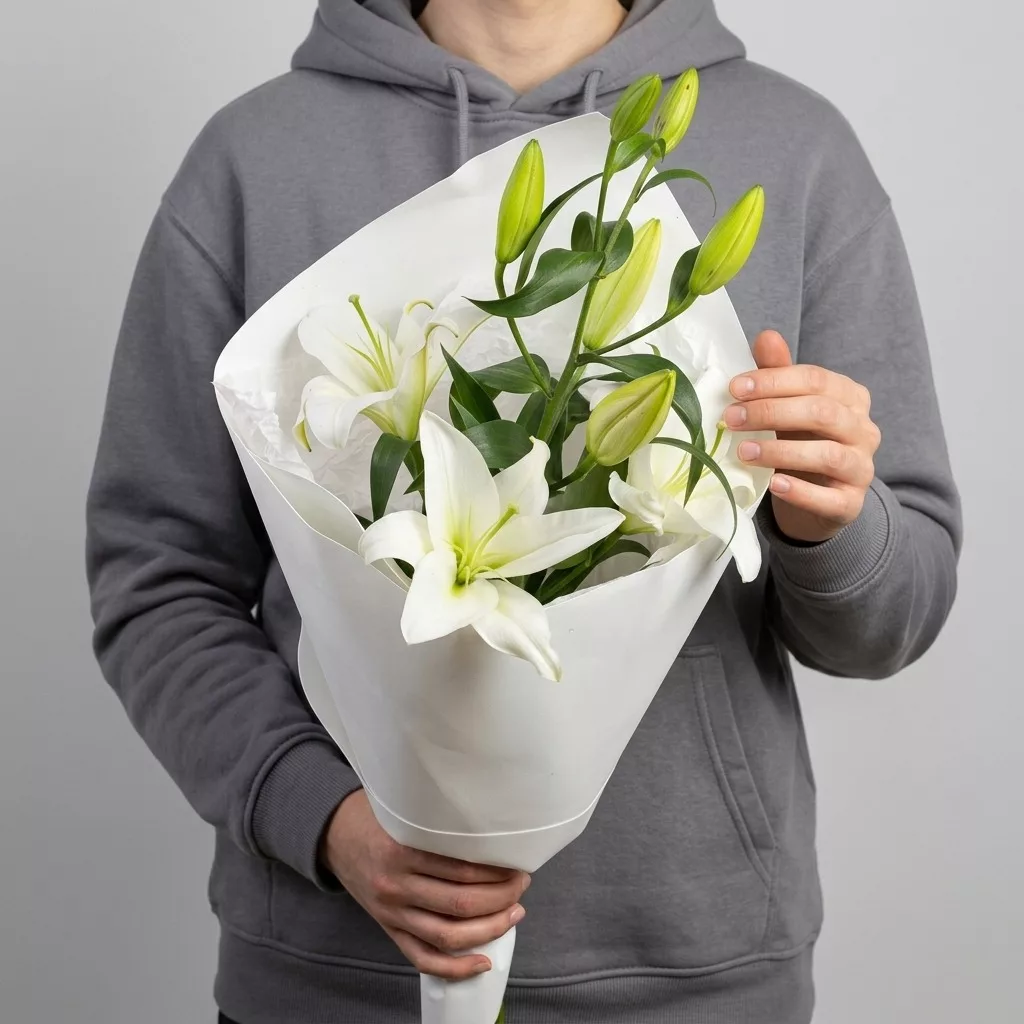
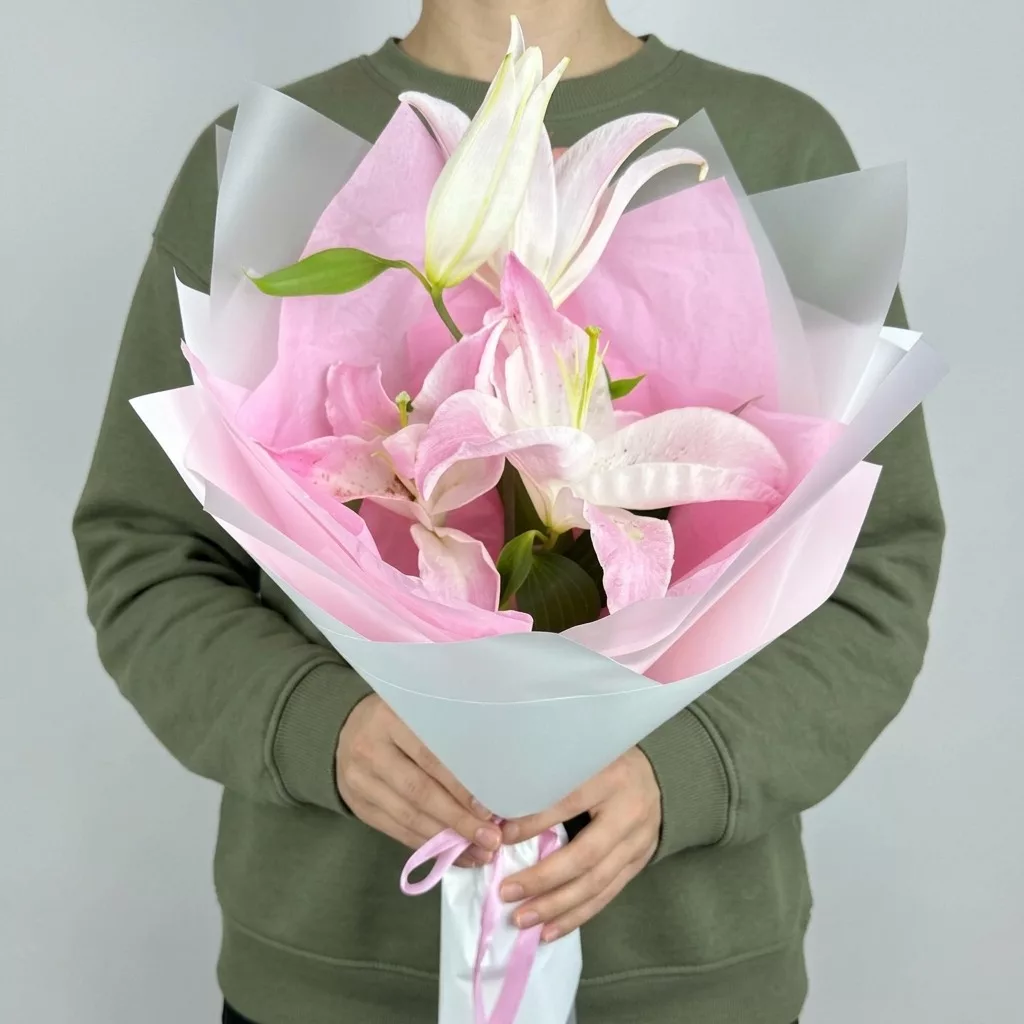
Bouquets we can deliver


How Long Delivery Actually Takes in This City
The standard window for Kaluga is one to two hours from the moment your order is confirmed. In practice, most deliveries in the central districts land closer to the one-hour mark during morning and early afternoon. Evening orders, especially between five and seven o'clock when the city's main roads slow down, may sit at the longer end of that window — plan for two hours if you are ordering for a dinner or an evening gathering.
Russia uses a 24-hour delivery culture for flowers, and same-day orders placed before six in the evening are the norm rather than the exception. If you need the bouquet to arrive at a specific time — say, the moment someone walks through the door after work — add a preferred delivery window in your order notes. We build routes around confirmed time slots, not just addresses.
Winter in Kaluga brings temperatures that regularly drop below minus fifteen Celsius between December and February. Cold is the biggest enemy of open blooms, particularly ranunculus, anemones, and garden roses. Our couriers transport bouquets in insulated packaging during these months, but you should still expect the outer petals of delicate varieties to need a few minutes at room temperature before the flowers fully open. This is normal and not a sign of damage — it is simply what cold air does to living petals, and warmth reverses it within twenty minutes.
Choosing the Right Flowers for the Person, Not Just the Day
The occasion matters less than the person receiving the flowers. A colleague who grows succulents and keeps her desk minimal will respond differently to a tight architectural bouquet of protea and eucalyptus than to a voluminous romantic arrangement. Start from what you know about the recipient — their home, their style, the colours they wear — and let that narrow the choice before you think about the calendar date.
For someone warm and expressive, peonies in season, garden roses, or lisianthus in layered purples and creams create an emotional, generous feeling. For someone more reserved or modern in taste, a monochromatic bouquet — all white freesias with silver-green dusty miller, for example — reads as considered and elegant. Sunflowers are genuinely loved across generations in Russia and work for almost any informal celebration, from a child's birthday to a teacher's appreciation gift.
If you are sending to someone you do not know well — a business contact, a host, a new acquaintance — neutral and seasonally appropriate is always the safer direction. Chrysanthemums in autumn, tulips in early spring, and alstroemeria year-round are all socially easy choices that carry no risk of misreading. Avoid heavily perfumed varieties like lilies if the recipient has a small apartment or you are unsure about allergies. A florist who asks about the person before suggesting a bouquet is doing their job correctly, and we encourage you to share whatever detail you have.
Bouquet Options Across Different Budgets
Budget shapes the bouquet, but it does not have to limit its impact. At the entry level, a focused, single-variety arrangement — fifteen spray roses in a complementary colour, or a bunch of bright tulips wrapped simply — is clean and honest. It says something without trying to say everything, and a skilled florist will choose stems at peak bloom so the flowers open beautifully over the following two days.
In the middle range, combinations become possible. Pairing a focal flower like a garden rose or a peony with supporting textures — waxflower, pittosporum, or ruscus — gives the bouquet depth and makes it look more expensive than the sum of its parts. Three varieties is often the right number: one focal, one secondary, one green or textural element. More than that and the arrangement can feel busy rather than rich.
At the higher end, premium Dutch roses with large heads, imported peonies outside their Russian season, or tropical elements like anthurium and bird of paradise create a genuinely memorable impression. These varieties have longer stems, more complex colour gradients, and a shelf life that justifies the investment — a well-conditioned large-headed rose will hold for seven to nine days in a clean vase. Whatever your budget, tell us the occasion and the recipient and we will build something that fits the moment rather than just filling a price bracket.
What Russian Flower Customs Are Worth Knowing
If you are sending flowers to someone in Kaluga and you are not familiar with Russian customs, a few things are worth knowing so the gesture lands exactly as you intend. The most well-known rule is the odd number: bouquets in Russia traditionally contain an odd number of stems — seven, nine, eleven, fifteen — because even numbers are associated with mourning and are brought to cemeteries. This is taken seriously by most recipients, particularly older generations, and our arrangements follow this convention automatically.
Colour carries meaning too, though less rigidly than the number rule. Red roses signal romantic love clearly and unmistakably — appropriate between partners, but potentially awkward between colleagues or distant relatives. Yellow flowers, particularly yellow roses, have a folk association with separation or jealousy in Russia, so they are best avoided unless you know the recipient well and understand they do not hold this belief. Many younger Russians are relaxed about yellow flowers, but when in doubt, a mix of warm peach, coral, or cream tones gives you the same sunny feeling without any ambiguity.
Wrapping is also part of the gift. In Russia, flowers are almost always presented wrapped — in kraft paper, cellophane, or fabric — rather than bare. This is not about hiding the stems but about framing the gift as something prepared with intention. Our bouquets leave the studio fully wrapped and tied, ready to be handed over exactly as they arrive.
How to Care for Your Bouquet After It Arrives
The first thirty minutes after a bouquet arrives are the most important for its long-term health. As soon as the flowers are unwrapped, cut two to three centimetres from the bottom of each stem at a diagonal angle — diagonal because it increases the surface area for water uptake. Do this under running water or while the stem is submerged if you can, because air bubbles enter the cut end the moment it is exposed and block the vascular tissue that draws water upward.
Use a clean vase and fill it with cool, fresh water. Avoid warm water except for bulb flowers like tulips or hyacinths, which actually prefer it. Remove any leaves that would sit below the waterline — submerged foliage rots quickly and clouds the water, which shortens the life of every stem in the arrangement. Change the water every two days and re-cut the stems each time you do.
Keep the bouquet away from direct sunlight, radiators, and fruit bowls. Ripening fruit releases ethylene gas, which accelerates petal drop in roses and carnations noticeably. A cool room — around sixteen to eighteen Celsius — is ideal. In winter, Kaluga apartments tend to be warm because of central heating, so placing the vase near a window overnight, where temperatures are slightly lower, can add a day or two to the bouquet's life. With this care, roses and chrysanthemums last seven to ten days, while more delicate varieties like anemones and sweet peas give you four to six days of beauty.
Making the Delivery a Surprise Without It Going Wrong
Surprise deliveries are one of the most requested things we handle, and they work beautifully when the logistics are thought through in advance. The key detail is confirming that someone will actually be at the address at the time of delivery. In Russia, it is common for people to be out of the apartment for hours at a time — at work, at the market, picking up children — and a bouquet left with a neighbour or in a cold hallway is not the experience you are paying for.
If you are not certain of the recipient's schedule, consider a softer approach: coordinate with a family member who will be home, or choose a delivery window around a predictable time, like a lunch break or the early evening. You can also ask us to call the recipient ten minutes before arrival under a neutral pretext — confirming an address, for example — so they are home without knowing what is coming.
For workplace deliveries in Kaluga, office buildings and clinics are straightforward — reception staff are accustomed to accepting flower deliveries and will hold them until the recipient is available. Include the recipient's full name and department if you know it. Schools and universities are also possible during working hours. The one thing that consistently causes problems is an incomplete address: missing apartment numbers, no entry code, or a phone number that goes to voicemail. Double-check these details before confirming the order and the delivery will almost always go exactly as planned.
Kaluga is a city where a well-chosen bouquet can cross town in under an hour and arrive at exactly the right moment — whether that is a birthday morning, a Friday evening reunion, or a completely ordinary day that deserves something beautiful. The flowers you send say something about how well you know the person, and the care you put into the choice and the timing is what the recipient actually feels when they open the door. We are here to help you get both things right, from the first stem to the last petal.
Frequently asked questions
Can I order flowers for delivery in Kaluga the same day?
Yes. Same-day delivery is our standard service in Kaluga. Place your order before six in the evening and the bouquet will be delivered within one to two hours of confirmation. For a specific arrival time — a birthday dinner or a work meeting, for example — add your preferred window in the order notes and we will build the route around it.
Why do Russian bouquets always have an odd number of flowers?
In Russian tradition, even numbers of flowers are associated with mourning and are placed at graves. Odd numbers — seven, nine, eleven — are for celebrations and gifts to living people. This custom is widely observed across generations, so all our arrangements follow it automatically. You do not need to request it separately.
What happens to the flowers in very cold Kaluga winters?
We use insulated packaging during the cold months to protect blooms in transit. Delicate open flowers like ranunculus or anemones may look slightly closed when they arrive in freezing weather — this is normal. Place them in a room-temperature vase with fresh water and they will open fully within twenty to thirty minutes as the petals warm up.
Is it possible to deliver flowers to a Kaluga address without the recipient knowing in advance?
Absolutely, and we handle surprise deliveries regularly. The most important step is making sure someone will be at the address at delivery time. If you are unsure of the schedule, let us know and we can coordinate a neutral call to the recipient just before arrival, or suggest a delivery window that matches a predictable moment in their day.
Which flowers last the longest after delivery in Kaluga?
Chrysanthemums, alstroemeria, and large-headed Dutch roses are the most resilient — with proper care they hold for seven to ten days. Carnations are also long-lasting and underrated. More delicate varieties like sweet peas, anemones, and open peonies give three to five days of peak beauty. Changing the water every two days and re-cutting stems each time makes a significant difference for any variety.
Ready to send flowers?
Pick the city, choose the bouquet, and a local florist takes it from there.
Choose a city →