Sending Flowers to Kamensk-Uralsky? Here Is What to Expect
Kamensk-Uralsky sits in the southern Urals, a city with its own rhythm and its own weather — and both matter when you are choosing flowers for someone who lives there. Whether you are sending a bouquet from across Russia or ordering for a friend just a few streets away, the details of timing, temperature and presentation make the difference between flowers that arrive glowing and flowers that arrive tired. This guide walks you through everything a thoughtful sender needs to know.
Why the Ural Climate Shapes Every Bouquet You Send
Kamensk-Uralsky experiences a genuine continental climate, which means temperatures that swing hard between seasons. In January and February the city regularly drops to minus twenty Celsius or colder, and even October can bring frosts that catch people off guard. In July the heat can push past thirty degrees for days at a time. These extremes are not just background detail — they directly affect which flowers travel well and which ones do not.
In deep winter, delicate open blooms like garden roses or hydrangeas are vulnerable during the transfer from a warm vehicle to a cold doorstep, even for a few seconds. Tight buds travel better in frost because they are more resilient. Tulips, spray carnations and alstroemeria handle cold transitions well and still open beautifully once indoors. In summer heat, on the other hand, fully open peonies or ranunculus can wilt quickly if the delivery route is long or the car is not properly cooled.
The practical takeaway is simple: trust the florist to adjust the composition for the season rather than insisting on a specific open bloom in January. A skilled florist working in this region knows which varieties arrive in the best condition and will suggest alternatives that look just as generous and feel just as celebratory. The goal is always the same — flowers that make the recipient catch their breath when the door opens, not flowers that match a picture taken in a studio in May.
Bouquets we can deliver

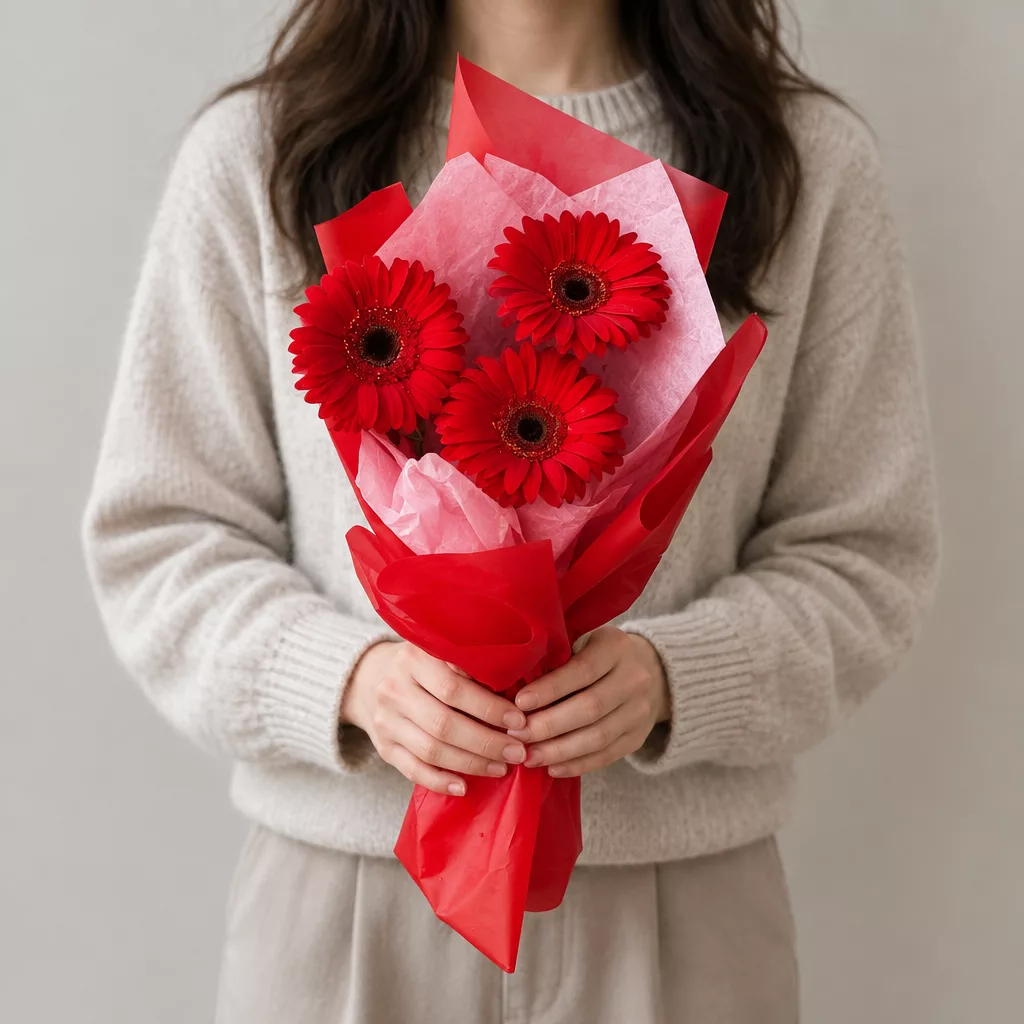
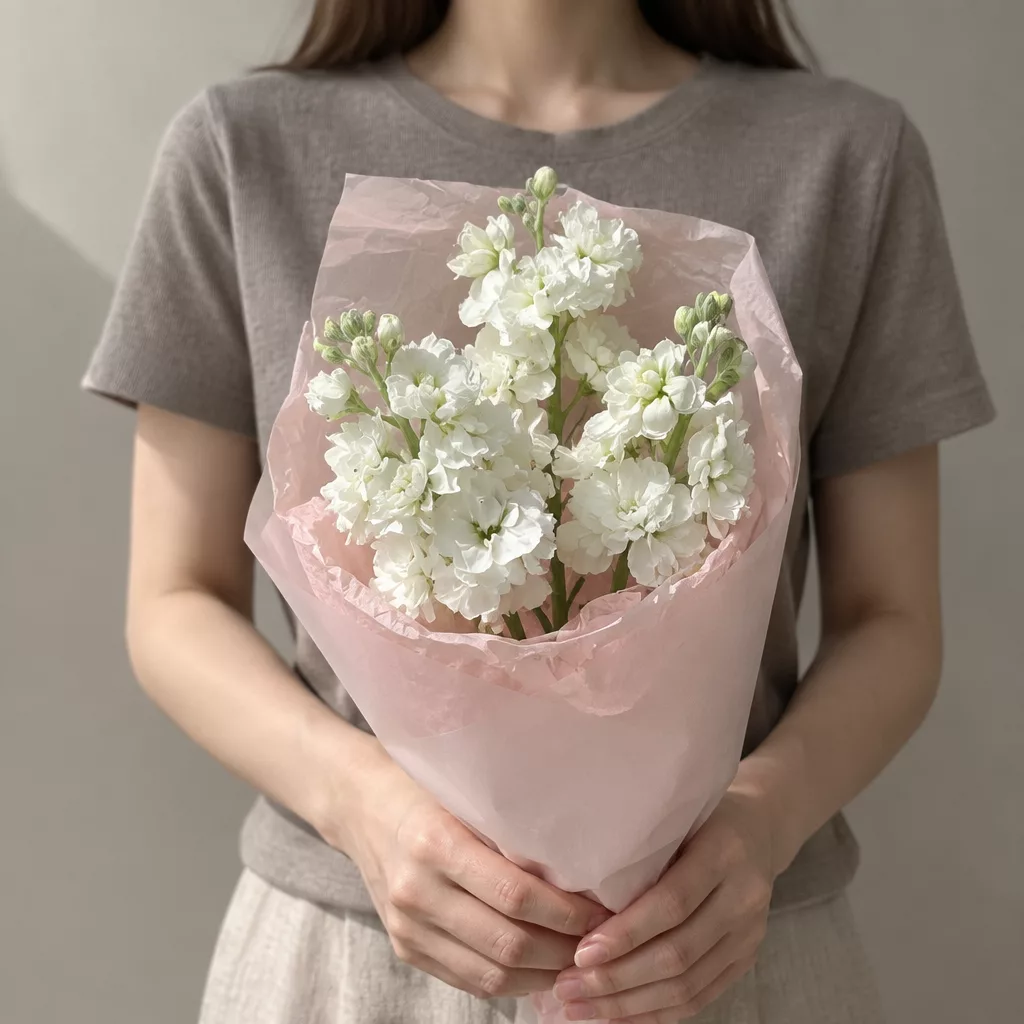
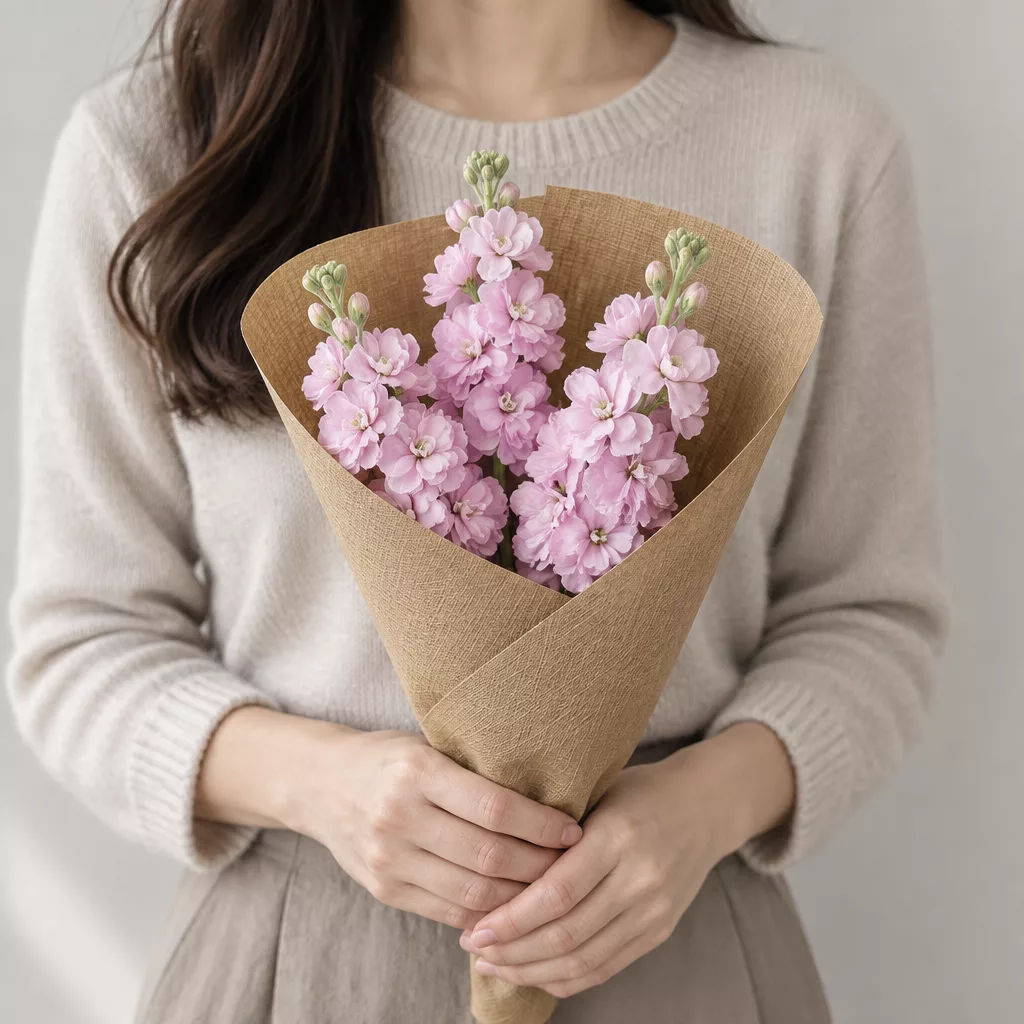
Delivery Areas Inside Kamensk-Uralsky and What That Means for Timing
Kamensk-Uralsky is not a single compact neighbourhood. The city spreads across both banks of the Iset and Kamenka rivers, and its districts — including the older Sinarskoye and Krasnogorskoye sides — are connected by a limited number of bridges and roads. This geography matters when you are thinking about delivery time, because crossing from one part of the city to another adds real minutes to any route, especially during morning and evening traffic peaks.
Deliveries within the central areas and the main residential districts are typically completed within one to two hours of the order being confirmed. Addresses in more outlying parts of the city, including industrial zones or newer housing developments on the edges, may take slightly longer depending on the time of day. The clearest thing you can do as a sender is provide a precise address including the building number, entrance number and floor — Russian apartment buildings often have multiple entrances, and an incorrect entrance can add a frustrating delay to an otherwise smooth delivery.
If you are ordering for a specific moment — a birthday dinner at seven in the evening, say, or a morning surprise before someone leaves for work — communicate that window clearly when placing the order. Same-day delivery is available across the city, and scheduling for a particular hour is straightforward as long as the order comes in with enough lead time. Last-minute orders placed within an hour of a desired delivery window are handled where possible, but a little planning makes everything run more smoothly and gives the florist time to assemble the bouquet properly rather than rushing.
Choosing Flowers for the Person, Not Just the Occasion
The occasion gives you the frame, but the person gives you the direction. A birthday bouquet for a woman in her sixties who tends a dacha garden will feel different from one for a twenty-five-year-old who loves bold, graphic arrangements. Both are birthdays, but the flowers, the palette and the way the bouquet is wrapped should speak to the individual.
For someone who loves soft and romantic, think garden-style compositions: spray roses in blush or cream, lisianthus with its ruffled petals, and eucalyptus or pittosporum for a loose, natural structure. This style photographs beautifully and feels personal rather than formal. For someone with a more contemporary taste, a monochromatic bunch of white calla lilies or a tight cluster of burgundy ranunculus with no greenery at all makes a strong, confident statement.
For children or grandchildren, sunflowers are universally cheerful and surprisingly long-lasting — they can hold their heads up for ten days or more in a clean vase with fresh water. Bright gerberas in mixed colours work the same way and never feel too serious. For a colleague or a teacher, a neat arrangement of chrysanthemums in a single colour — ivory, pale yellow or deep purple — reads as elegant and considered without being over the top.
The key habit is to think about the recipient's home and personality before you think about what looks impressive in a photo. Flowers that suit the person land differently than flowers chosen for their own sake. Tell the florist what you know about the recipient and let that shape the composition.
Budget and What It Actually Gets You at Each Level
Flower budgets in Russia generally fall into a few practical bands, and understanding what each level delivers helps you choose without disappointment. At a modest budget you are working with single-variety bouquets or simple two-element combinations — a bunch of tulips with a few stems of waxflower, or carnations paired with ruscus greenery. These arrangements are clean and sincere, and they work well for spontaneous gestures or when the sentiment matters more than the scale.
A mid-range budget opens up mixed compositions with three or four varieties, better wrapping and more deliberate structure. This is where you start seeing combinations like peach alstroemeria with white lisianthus and a handful of eucalyptus, or coral spray roses with seasonal fillers that give the bouquet depth and movement. The recipient notices the thought behind it, not just the flowers themselves.
At a higher budget, the options expand to premium varieties — garden roses from Ecuador, large-headed peonies in season, orchid stems, or anthuriums — and the composition can be genuinely sculptural. Presentation at this level includes quality wrapping, a ribbon finish and sometimes a small accompanying element like a candle or a box of chocolates. These bouquets are for moments that deserve to be marked: anniversaries, significant birthdays, a thank-you that needs to feel substantial.
One common mistake is choosing the largest possible bouquet without considering the recipient's living space. A towering arrangement in a small apartment can feel overwhelming rather than generous. Sometimes a smaller, perfectly assembled bouquet with excellent flowers makes a stronger impression than a large one that crowds a kitchen table.
What Happens Between the Florist and the Front Door
Understanding the journey of a bouquet helps you set the right expectations and brief the recipient if needed. Once an order is confirmed, the florist assembles the composition fresh — stems are cut at an angle, the arrangement is built with the travel position in mind, and the wrapping is chosen to protect the flowers rather than just decorate them. In cold months this means an extra layer of insulating paper or a sleeve that keeps the blooms from touching cold surfaces during transport.
The bouquet travels in the delivery vehicle, ideally kept away from direct heat vents in winter and direct sun in summer. Upon arrival, the courier contacts the recipient — usually by phone — before coming to the door, so no one is caught off guard. If the recipient is not home, the standard approach is to agree on a neighbour, a building concierge or a rescheduled time. Leaving flowers unattended in a Russian apartment building hallway is not a good idea in any season.
If you are sending flowers as a surprise, it helps to have a backup contact — a family member or a friend who can receive the bouquet and keep the secret. Let the florist know the situation when ordering so the courier can handle the interaction discreetly. In Russia it is quite common to send flowers without being present, and recipients are generally delighted rather than confused by the gesture. A short handwritten card included with the bouquet adds a personal note that digital messages cannot quite replicate — even a few words in Russian, if you know any, will be appreciated.
Seasonal Flowers Worth Knowing About in the Urals
The Ural region has its own seasonal calendar that differs slightly from what people in Moscow or Saint Petersburg might expect. Spring arrives later — tulips and daffodils peak in May rather than April, and the first warm weekends bring a genuine hunger for colour after a long grey winter. A bouquet of bright tulips in mixed shades of yellow, orange and purple lands with particular force in early May, especially around the national holidays when the city is full of celebration.
Summer in Kamensk-Uralsky is the season of peonies, and they are deeply loved across Russia. A full, fragrant peony bouquet in June or early July is one of the most meaningful gifts you can send — it feels seasonal, generous and unmistakably Russian. Sunflowers follow through July and August, and they pair beautifully with green hypericum berries or yellow solidago for a warm, harvest-adjacent feel.
Autumn brings chrysanthemums in every form: large decorative heads in rust, bronze and white; smaller spray types that fill out a bouquet generously; and the tall single-stem varieties that stand proud in a tall vase. Chrysanthemums are often underestimated, but a well-assembled autumn bouquet built around them can be genuinely striking. They also last exceptionally well — often two weeks or more with minimal care.
Winter is the season of roses, lilies and exotics. Roses from Ecuador and Colombia are available year-round, but in January they feel especially welcome because they bring colour and warmth to an otherwise bare season. A winter bouquet in deep red, warm orange or unexpected coral reads as a deliberate, considered gift rather than a default choice.
Keeping the Flowers Fresh After Delivery: Practical Care in a Russian Home
Once the bouquet arrives, its lifespan depends almost entirely on what happens in the first hour. The single most important step is getting the stems into clean, cool water as quickly as possible. In a Russian apartment in winter, the heating is often intense — radiators run hot from October through April — and this dry warmth is the enemy of cut flowers. The vase should be placed away from radiators, away from the television and away from fruit bowls, because ripening fruit releases ethylene gas that shortens flower life noticeably.
Trim the stems by two to three centimetres at a sharp diagonal before placing them in the vase. This is not just a florist's ritual — it opens up the stem's vascular tissue and allows the flower to drink properly. Use a clean vase, not one rinsed quickly from last time, because bacteria in the water are the most common reason flowers fade early. Change the water every two days and re-trim the stems each time.
Different flowers have different needs. Tulips continue to grow after cutting — they will lean toward the light and stretch by several centimetres over a few days, which is part of their charm rather than a problem. Roses benefit from having their lower leaves removed so no foliage sits below the waterline. Lilies will open gradually over several days; if the pollen-heavy anthers are removed as each flower opens, the blooms last longer and the pollen does not stain fabric or surfaces.
In summer, placing the vase in a cooler room overnight — or even in a cool hallway — extends vase life significantly. A bouquet that might last five days in a warm living room can last eight or nine with this simple habit.
Sending flowers to Kamensk-Uralsky is a straightforward and genuinely rewarding gesture when you understand the city, the season and the person you are sending for. The Ural climate asks for a little more care in composition and timing than milder regions, but that same climate makes a well-chosen bouquet feel all the more welcome — a burst of colour and scent in a city that spends a good portion of the year under grey skies. Get the address right, communicate the timing you need, trust the florist on seasonal variety choices and brief the recipient if the surprise needs a backup plan. Everything else takes care of itself.
Frequently asked questions
Can I order flowers for same-day delivery in Kamensk-Uralsky?
Yes, same-day delivery is available across Kamensk-Uralsky. Orders placed in the morning or early afternoon can typically be delivered within one to two hours. If you need delivery at a specific time — such as before an evening celebration — place the order at least two to three hours in advance to give the florist time to assemble the bouquet properly.
What flowers hold up best during a Kamensk-Uralsky winter delivery?
Tight-budded roses, spray carnations, alstroemeria and chrysanthemums travel well in cold weather because they are more resilient to brief temperature changes during transfer. Fully open blooms like hydrangeas or open garden roses are more vulnerable to frost shock. The florist will adjust the composition for winter conditions and choose varieties that arrive looking their best.
What if the recipient is not home when the flowers arrive?
The courier will call the recipient before arriving. If no one is available, options include leaving the bouquet with a neighbour, a building concierge, or rescheduling the delivery. When ordering a surprise, it helps to provide a backup contact number so the courier can coordinate discreetly without spoiling the moment for the recipient.
How long will the flowers last after delivery in a typical Russian apartment?
Most bouquets last five to ten days with basic care — clean water, a trimmed stem cut and a position away from radiators and fruit. Chrysanthemums and alstroemeria regularly reach ten to fourteen days. Tulips and peonies are shorter-lived at around five to seven days, but their impact during that window makes them worth every day.
Is it appropriate to send flowers to someone I do not know very well in Russia?
Absolutely. Flowers are a widely accepted and warmly received gesture in Russian culture for colleagues, teachers, hosts and acquaintances — not only close friends and family. A neat, single-variety bouquet or a modest mixed arrangement is perfectly appropriate. Adding a simple card with a few words makes the gesture feel personal even when the relationship is not a close one.
Ready to send flowers?
Pick the city, choose the bouquet, and a local florist takes it from there.
Choose a city →