Flower Delivery in Kanash: Timing, Coverage and What to Expect
Ordering flowers for someone in Kanash feels simple until you start wondering whether they will actually arrive fresh, on time, and looking the way you imagined. Kanash is a compact city in the Chuvash Republic, and distance from major distribution hubs means the journey your bouquet takes matters enormously. This article walks you through everything — coverage zones, realistic timing, what holds up well in transit, and the small details that turn a good delivery into one the recipient remembers.
Which Parts of Kanash We Reach and Why Coverage Matters
Kanash sits along a main railway corridor in Chuvashia, which actually works in your favour. The city centre, the residential districts around Komsomolskaya Street, the areas near the railway station, and the outer residential blocks are all within our delivery zone. If you are sending to a private address on the city's edge, it is worth adding a note about any entry codes or gate access — couriers in smaller cities often encounter locked courtyards that slow everything down.
Coverage is not just about geography. It is about knowing which streets have reliable access in different seasons. In late autumn and early spring, some peripheral roads in Kanash develop serious surface problems after freeze-thaw cycles. Our logistics team accounts for this when routing, which is why we ask for a precise address rather than just a district name.
If you are sending to a workplace — a school, a clinic, an office on the industrial side of town — include the institution name and, if possible, a contact phone number for the recipient. Receptionists at larger organisations sometimes redirect couriers to a separate entrance, and having a direct number prevents the bouquet from sitting at a front desk while the birthday person is two floors away. A little detail in the address field saves a lot of frustration on the day.
Bouquets we can deliver

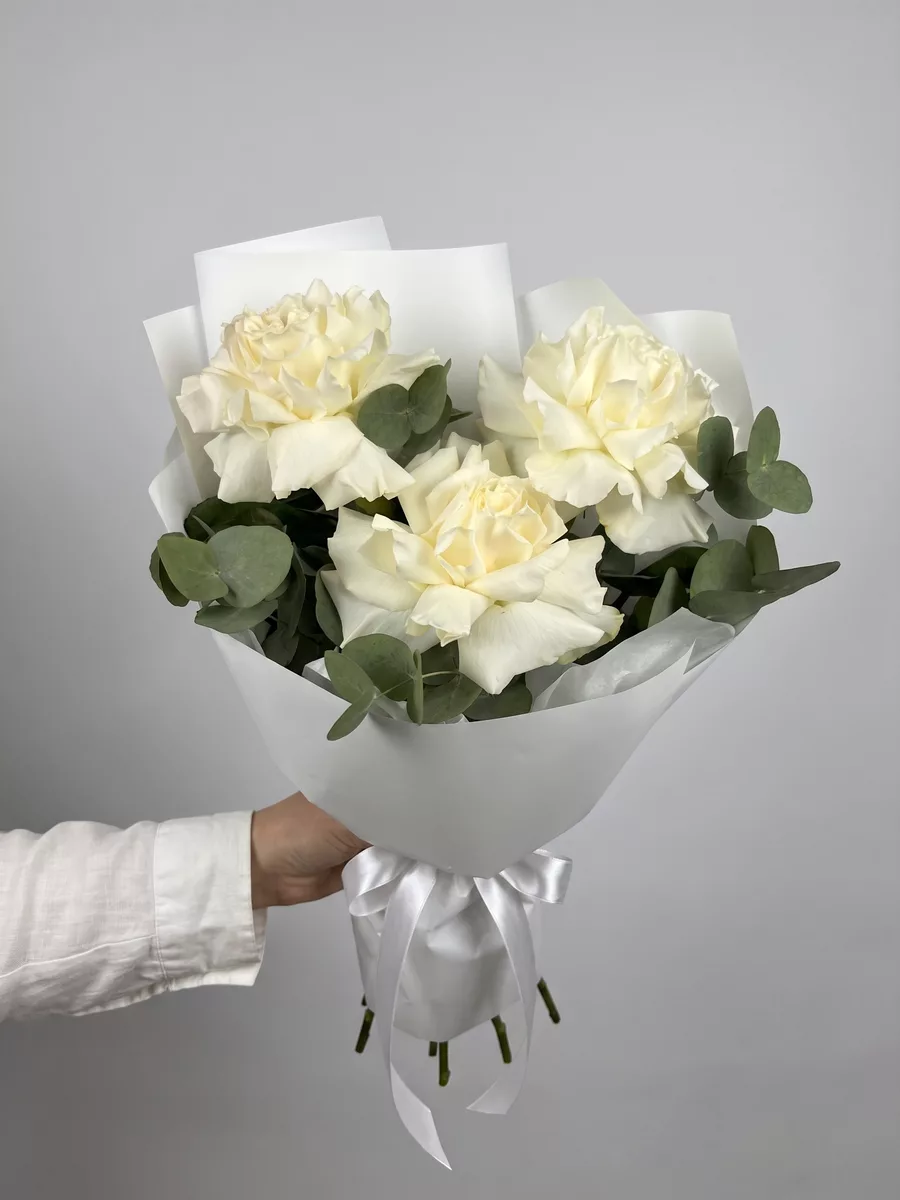
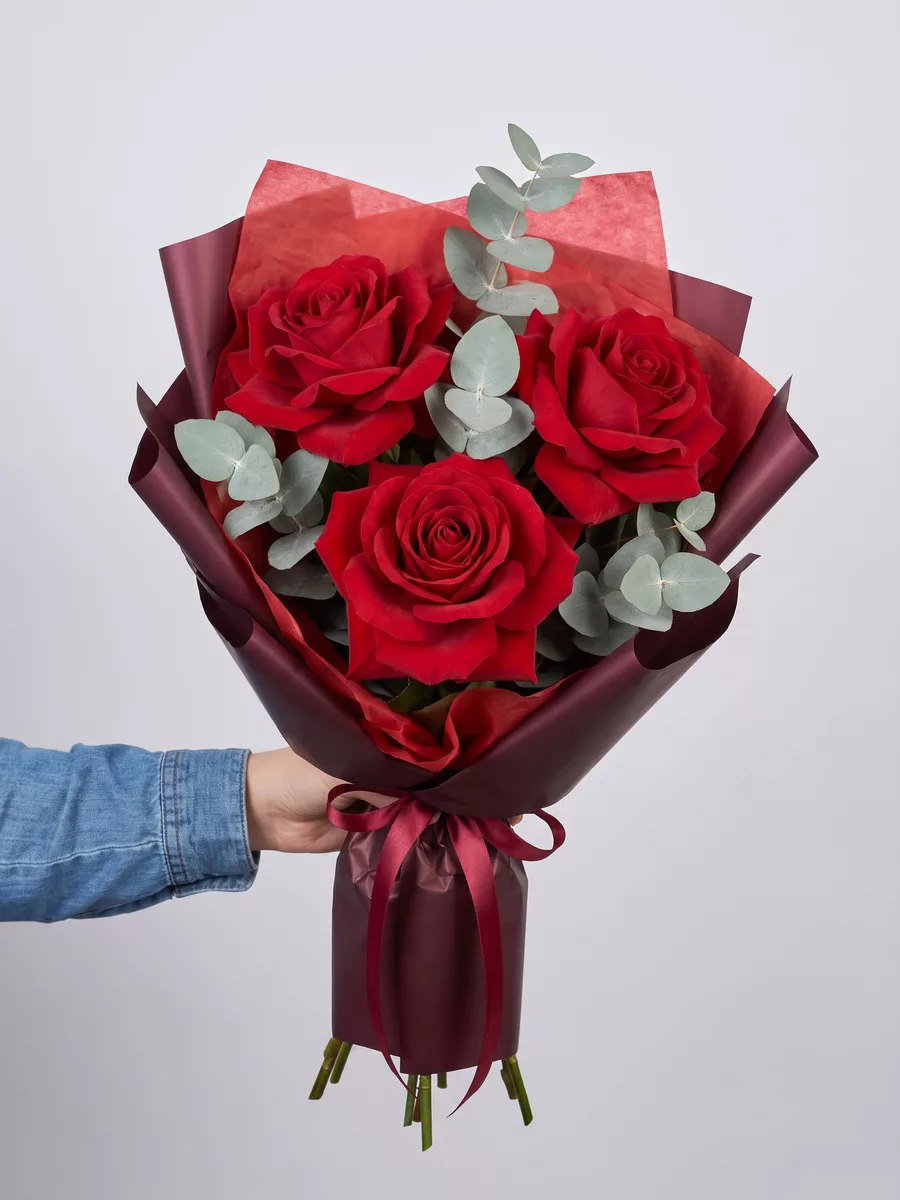
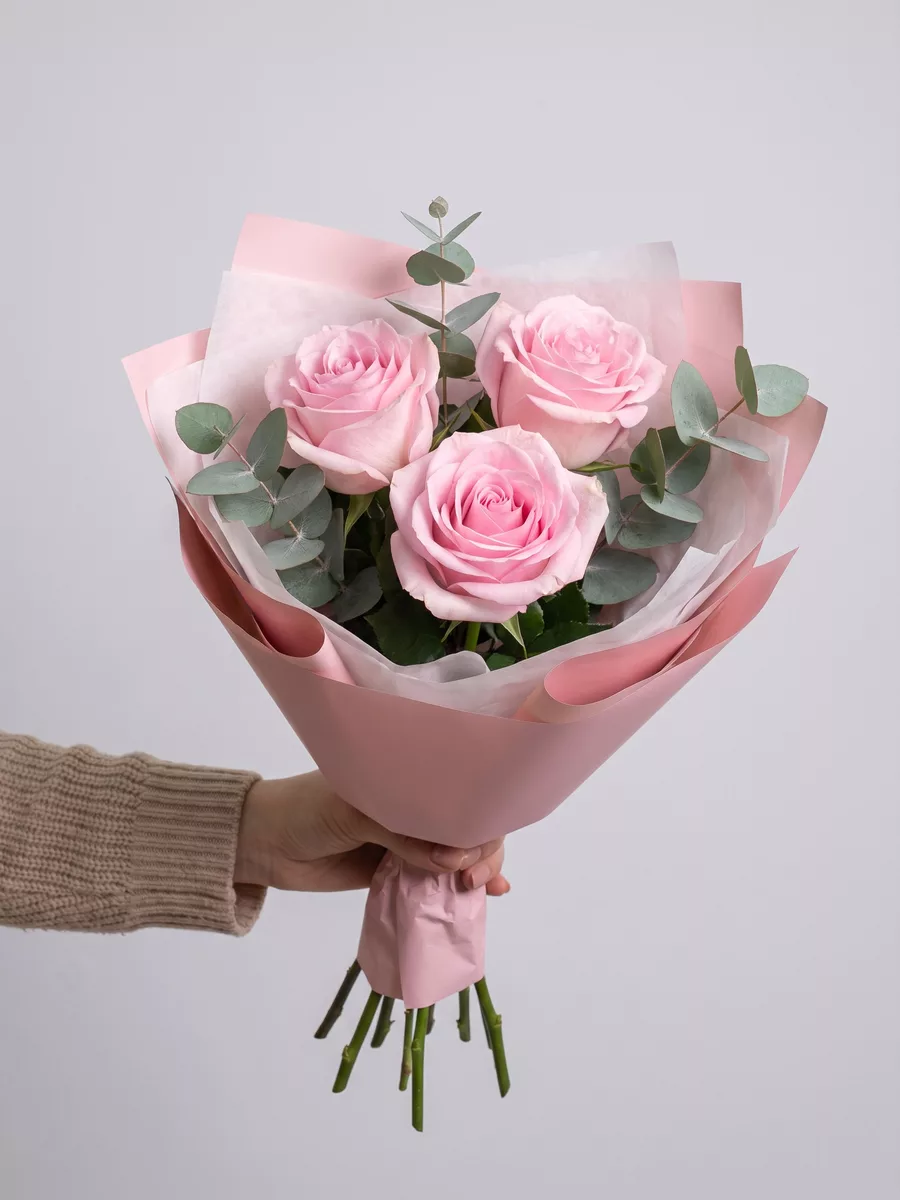
Realistic Timing: What One to Two Hours Actually Means Here
The one-to-two-hour window we advertise is honest, but it deserves a plain explanation. From the moment your order is confirmed and the bouquet is assembled, the clock starts. In a city the size of Kanash, once the flowers are on their way, the drive itself is short — the city is compact enough that no address is far from another. The bulk of the time is in preparation: conditioning the stems, arranging the composition, wrapping correctly for the season.
Peak demand periods shift the timeline slightly. On February 14th, March 8th — which is International Women's Day and one of the biggest flower-giving occasions in Russia — and on major graduation weekends in late May and June, order volumes rise sharply. If you are planning a delivery on any of these dates, placing your order the evening before or early in the morning gives you the most control over timing. Last-minute orders on peak days are still possible, but flexibility on the exact hour helps.
For same-day orders placed before midday, delivery within the standard window is very achievable in Kanash. Orders placed in the evening can often still go out the same day depending on the hour. When you genuinely need the flowers to arrive before a specific moment — before a meeting ends, before a family dinner starts — put that time in the order comments. We treat stated deadlines seriously, and it changes how the order is prioritised in the queue.
Choosing the Right Flowers for the Occasion and the Person
Start from who is receiving the flowers, not from what looks impressive in a photograph. A colleague celebrating a promotion responds differently to a structured arrangement of white spray roses and eucalyptus than a grandmother does — she may prefer something warmer, like peach alstroemeria with soft waxflower. Neither choice is wrong; they just speak to different relationships.
For romantic occasions, red and deep-pink roses remain the most universally understood gesture in Russian culture. A single-variety bouquet of garden roses in blush or cream reads as elegant and considered rather than generic. If you want something less expected, a mixed composition of lisianthus, ranunculus and a few stems of matthiola offers a softer, almost garden-grown feeling that photographs beautifully and smells wonderful in an enclosed room.
For birthdays and celebrations, colour matters more than variety. Bright sunflowers with orange gerbera and a few stems of solidago feel energetic and joyful. Monochromatic arrangements — all whites, or all corals — feel more curated and work well when you know the recipient has a particular aesthetic. If you are genuinely unsure, lean toward a mixed seasonal bouquet with a dominant colour that suits the person's personality. Florists think in palettes, and giving us a colour direction is often more useful than naming a specific flower you are uncertain about.
How Kanash's Climate Affects Your Bouquet in Transit
Chuvashia has a continental climate with proper winters. January and February in Kanash regularly see temperatures drop below minus fifteen degrees Celsius, and even minus twenty is not unusual during cold snaps. This is the single most important thing to understand about winter deliveries: flowers freeze faster than most people expect, and a bouquet left in an unheated vehicle or handed over on an open doorstep for more than a few minutes can sustain real damage.
We wrap cold-weather orders in insulating kraft layers and, where needed, use thermal sleeve packaging. The recipient should ideally be home or reachable by phone so the handover happens quickly. If the bouquet is going to an office, the ground-floor lobby is a far better meeting point than an outdoor car park. Tulips and anemones are particularly vulnerable below minus five — their stems and petals bruise with cold in ways that only become visible hours later. Roses and chrysanthemums handle the cold somewhat better, but no flower is truly frost-proof.
In summer, the challenge reverses. July and August in Kanash can be genuinely hot, with temperatures above thirty degrees on peak days. Direct sunlight through a car window accelerates wilting significantly. We refrigerate assembled bouquets until the last possible moment before dispatch, and summer orders benefit from the recipient being available to receive them promptly and move them indoors. A bouquet left on a sunny doorstep for an hour in August will look noticeably tired by the time it is found.
Presentation Details That Make the Difference in Kanash
The way a bouquet arrives shapes the first impression before a single flower is examined. In Russia, presentation wrapping is taken seriously — a bouquet handed over in basic cellophane reads as an afterthought, while the same flowers in layered kraft paper with a coordinating ribbon signals care and intention. We wrap to match the mood of the occasion, which is worth thinking about when you place the order.
A handwritten card is still the most personal touch you can add. In Russian culture, the message on a card is often kept and re-read, especially by older recipients. If you are writing in English and the recipient reads Russian, consider whether a bilingual message might land more warmly. You can write your message in English and we will present it exactly as written — no translation is assumed or added.
For milestone occasions — a significant birthday, a graduation, a new job — consider adding a secondary element to the bouquet rather than simply ordering a larger version of the same thing. A small potted plant tucked alongside cut flowers, or a few stems of scented herbs like mint or rosemary woven through a rose arrangement, gives the recipient something that lasts beyond the flowers themselves. In a city like Kanash, where the gesture of sending flowers from a distance is itself meaningful, the extra thought in presentation reinforces that the sender put real attention into the choice.
Keeping Flowers Fresh After Delivery: Practical Advice for Recipients
Fresh flowers delivered correctly can last seven to twelve days in good conditions, but the recipient's first actions matter enormously. The single most important step is cutting the stems immediately upon unpacking — at a diagonal angle, about two centimetres from the bottom, ideally under running water or submerged in a bowl. This prevents an air bubble from forming in the stem and blocking water uptake. Many people skip this step because the flowers look fine on arrival, but within twenty-four hours the difference is visible.
Water temperature matters more than most people realise. Tulips and spring bulb flowers prefer cold water; roses and gerbera do better in room-temperature water. Never use water that is very warm. Change the vase water every two days, and rinse the vase itself each time — bacteria in the water shortens vase life faster than almost any other factor.
Position in the room is the other major variable. Direct sunlight, radiators, and fruit bowls are all enemies of cut flowers. Ethylene gas released by ripening fruit — especially apples and bananas — accelerates petal drop in roses and carnations noticeably. A cool spot away from windows and heating vents, with indirect light, extends life significantly. In Kanash's dry winter interiors, where central heating runs hot, placing a small glass of water near the arrangement adds a little ambient humidity that helps delicate petals like those of lisianthus and ranunculus stay open longer without browning at the edges.
Ordering From Outside Russia: What to Know Before You Send
A significant number of orders to Kanash come from people outside Russia — family members abroad, friends in other countries who want to mark a birthday or holiday from a distance. The process is straightforward, but a few practical points prevent confusion.
The recipient's address should be written in Russian transliteration or, better, in Cyrillic if you can arrange it — this removes any ambiguity for the courier in a smaller city where street names may not have widely used English versions. If you are unsure how to write the address correctly, write it as clearly as you can in the order form and include the recipient's phone number. A quick call to confirm the address is a normal part of delivery in Russian cities and is not considered intrusive.
Time zones are worth a moment of attention. Kanash follows Moscow Time plus one hour, placing it in the UTC+4 zone. If you are ordering from Western Europe or North America, calculate the local Kanash time before selecting a delivery window. An order placed at what feels like mid-morning your time may already be late afternoon in Kanash, which affects same-day availability.
Payment from international cards is handled at the checkout stage, and the order confirmation arrives by email. If you want to include a message in a language other than Russian, that is entirely fine — write it as you would naturally, and it will be printed and included exactly as submitted. The gesture of a message in the sender's own language often means more to the recipient than a translated version would.
Sending flowers to Kanash from across Russia or from abroad is genuinely achievable when you understand the city, the climate, and what the journey involves. The distance is not an obstacle — it is a reason to be thoughtful about timing, packaging, and the details that make a bouquet feel like it came from someone who really considered the moment. Fresh flowers delivered well carry the weight of the occasion and the warmth of the sender, and in a city like Kanash, that arrival at the door means something real.
Frequently asked questions
Can I order flowers to Kanash for delivery the same day?
Yes, same-day delivery in Kanash is available for orders placed before the early evening cutoff. Orders placed before midday have the most flexibility on timing. For peak dates like March 8th or February 14th, ordering a day ahead gives you the best chance of hitting a specific delivery window.
What happens to the flowers in very cold Kanash winters?
We use insulating kraft wrapping and thermal packaging for cold-weather orders. Even so, the recipient should be available to receive the bouquet quickly and bring it indoors immediately. Tulips and anemones are most vulnerable to frost damage, while roses and chrysanthemums tolerate brief cold exposure somewhat better.
Can I write the card message in English if the recipient is Russian?
Absolutely. Your message is printed and included exactly as you write it, with no translation added or assumed. Many recipients find a message in the sender's own language more personal and meaningful. If you want to include both English and Russian text, simply write both in the message field.
How do I give the delivery address if I am not sure of the Russian spelling?
Write the address as clearly as you can in the order form and always include the recipient's mobile number. Our courier will call ahead to confirm the location — this is standard practice for deliveries in smaller Russian cities and is not considered unusual or intrusive by the recipient.
Which flowers last longest after delivery in a warm indoor environment?
Chrysanthemums, alstroemeria and carnations are consistently the longest-lasting cut flowers, often reaching ten to fourteen days with proper care. Lisianthus and spray roses also hold well. Change the vase water every two days, cut stems on arrival, and keep the arrangement away from radiators and fruit bowls for best results.
Ready to send flowers?
Pick the city, choose the bouquet, and a local florist takes it from there.
Choose a city →