Ty Moyo Vsyo: Meaning, Use and How to Say It With Flowers
'Ty moyo vsyo' is Russian for 'you are my everything'. It is a strong, tender declaration that a person is the centre of your life, said most often to a partner, and sometimes to a child or a mother. It is informal and intimate, so it belongs in private messages, love letters and gift cards rather than in polite conversation.
The phrase looks simple, but there are a few details worth knowing: how to pronounce it, why the word endings change when you speak to a man or a woman (they do not, and that is part of its charm), when it sounds natural and when it sounds too much, and how to put it on a card with flowers so it lands the way you mean it. I write cards like this every day as a florist, so here is a practical guide.
Word by word: what ty moyo vsyo literally says
'Ty' is the informal 'you', the form Russians use with family, close friends and partners. 'Moyo' is 'my' in the neuter form, and 'vsyo' means 'everything' or 'all'. So the literal structure is 'you my everything', and Russian does not need the verb 'are' in the present tense. That brevity is why the phrase feels so direct.
Pronounce it roughly as 'tih mah-YO vsyo', with the stress on the last syllable of 'moyo' and the single syllable of 'vsyo'. In Latin letters you will also see it written 'ty moe vse' or 'ti moyo vsyo'; Russians typing in transliteration often drop the dots over the letter that sounds like 'yo', but the meaning is the same.
A useful grammar note: because 'moyo' agrees with 'vsyo' rather than with the person, the phrase is identical whether you say it to a man or a woman. You do not need to adjust anything, which makes it one of the safest romantic phrases for learners.
Who you can say it to, and when
Between partners, 'ty moyo vsyo' is a mature declaration. It sits higher than 'ty mne nravishsya' ('I like you') and close to 'ya tebya lyublyu' ('I love you'). Russians tend to use it once a relationship is established: on an anniversary, after a hard period you went through together, or as a quiet line at the end of a message.
Parents say it to children, and adult children say it to their mothers, especially on birthdays and on 8 March, International Women's Day, which is a major flower occasion in Russia. Between friends it would sound unusual unless meant playfully. With colleagues or someone you have just met it is out of place, and with a teacher or a boss it would be awkward.
If you are not a native speaker and the recipient knows it, the phrase reads as a sincere effort. Russians generally appreciate when someone writes in their language, even with a slightly formal or textbook tone.
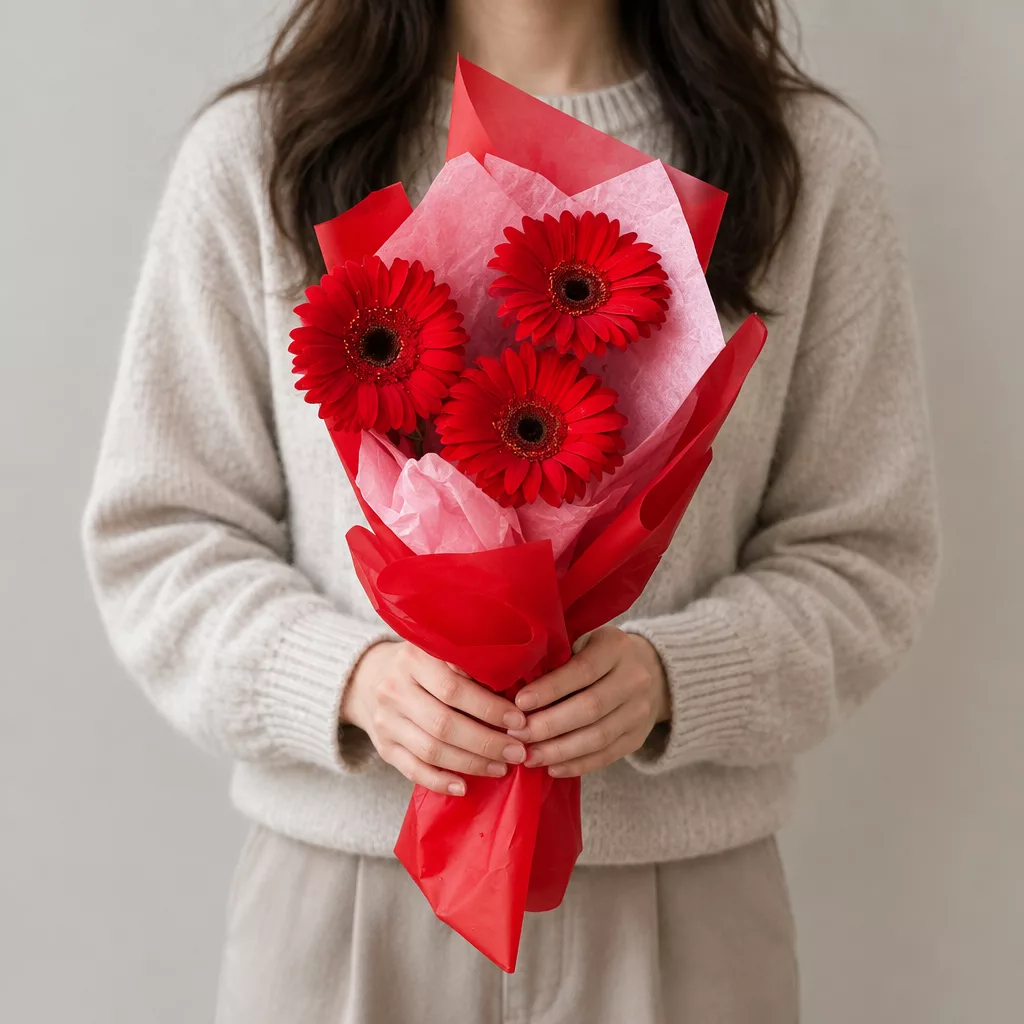
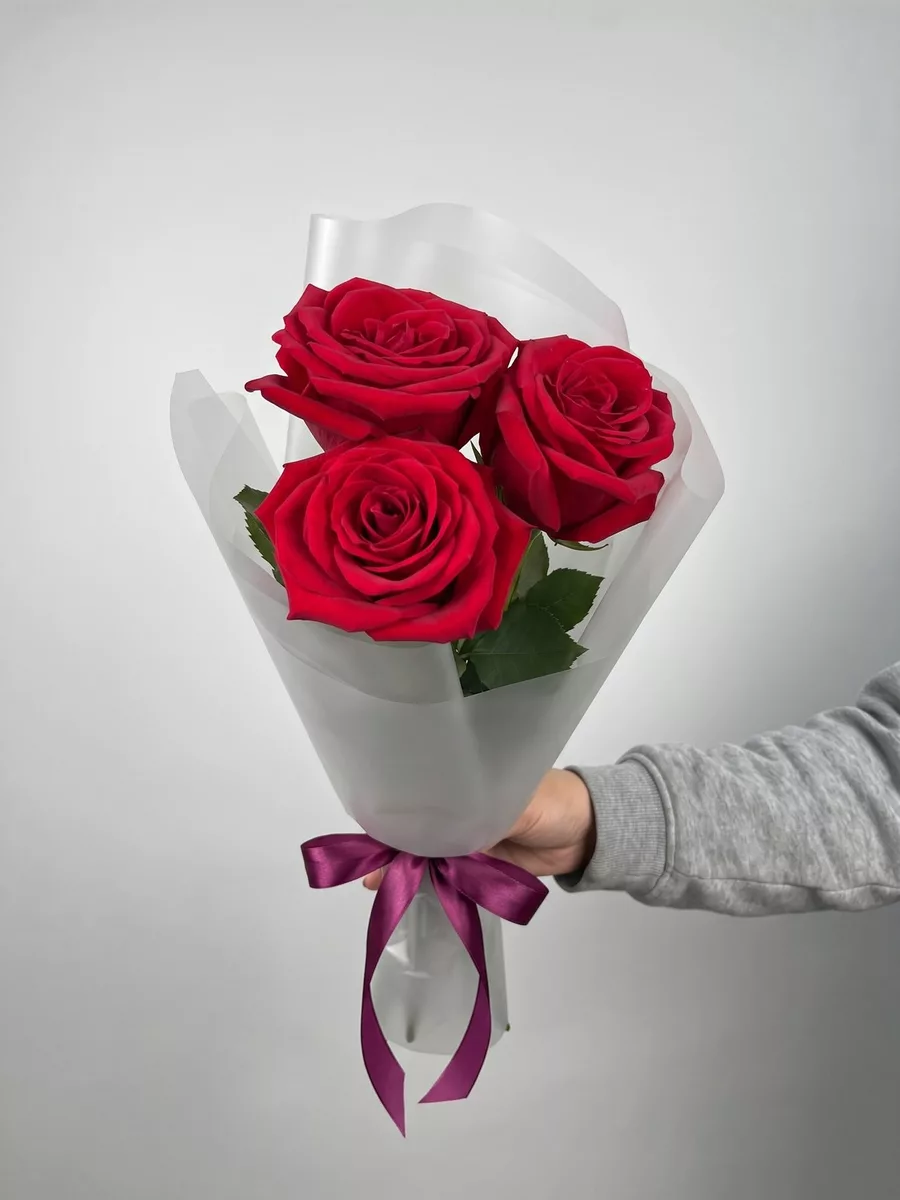
Bouquets we can deliver


Similar phrases and how they differ
'Ty moya zhizn' means 'you are my life' and is slightly more dramatic. Note that here the word changes: 'moya' is feminine because 'zhizn' (life) is feminine, but it still works for any gender of recipient. 'Ty moyo schastye' is 'you are my happiness', softer and very common on cards for a partner or a child.
'Lyublyu tebya' is the everyday 'love you' that ends phone calls and messages. 'Ty samaya luchshaya' ('you are the very best') is said to a woman, and 'ty samyy luchshiy' to a man; this one changes with gender, so check which ending you need.
For a short card, I often suggest pairing two of these: 'Ty moyo vsyo. Lyublyu tebya.' It is brief, it reads naturally to a Russian speaker, and it fits on any card without crowding the design.
Common mistakes to avoid
The most frequent slip is mixing formal and informal forms. 'Ty' is informal; if your card starts with the polite 'Vy' and then says 'ty moyo vsyo', it reads oddly. With someone you would call 'ty moyo vsyo', you are already on 'ty' terms, so keep the whole card informal.
Another trap is machine translation of a longer English text. 'You are my everything and more' or 'my whole world' can come out stiff or literal. Short Russian phrases that native speakers really use, like the ones above, are safer than a translated paragraph.
Finally, think about the audience. If the bouquet goes to a shared flat or an office, the card may be read by others. 'Ty moyo vsyo' is affectionate but not embarrassing, so it is usually fine, yet some people prefer a quieter line when colleagues are around.
Which flowers go with 'you are my everything'
Flowers in Russia carry fairly clear signals, so it helps when the bouquet agrees with the words. Red roses are the classic partner for a phrase this strong: they say passion and commitment without any ambiguity. Our guide to red roses in Russia explains when they feel right and when they can seem too formal.
For a mother or grandmother, softer colours suit the message better: pale pink or cream roses, peonies in early summer, tulips in spring. If you want a colour with a specific nuance, the guide to roses by colour helps you avoid surprises, such as yellow, which some older Russians still read as a sign of separation.
One rule matters more than any symbol: in Russia a gift bouquet has an odd number of stems. Even numbers are traditionally reserved for funerals. Large bouquets of more than about fifteen stems are less strict about this, but for a romantic gift of 5, 7, 11 or 15 roses, keep the count odd.
How to write it on a card
Keep it short and personal. A card that says 'Masha, ty moyo vsyo. Tvoy Alex' ('Masha, you are my everything. Your Alex') carries more weight than a paragraph. Use the person's name or the pet name you actually use, and sign the way you sign your messages.
Ideally write the phrase in Russian letters. If you cannot type them, write it in transliteration and the recipient will understand, or add the English line underneath. A bilingual card often makes the moment more touching, because it shows you made the effort to say it in their language.
With us, the card with your text is free, and delivery is anonymous by default: the courier will not name the sender. If you want the recipient to know who it is from, the signature on the card does that job.
Sending the message with flowers to Russia
If the person you want to say this to lives in Russia, you can order from abroad. Choose a bouquet in our bouquets catalogue, enter the address and your card text, and pay online by bank card, SBP or Yandex Pay. City delivery costs 500 RUB; for remote districts and suburbs the operator confirms the price when confirming the order.
Timing is flexible. In large cities we can deliver express within 1-2 hours after the order is confirmed, at an exact time (plus or minus 30 minutes), in a time window (09-12, 12-15, 15-18 or 18-21), or pre-ordered 1-30 days ahead, which is handy for an anniversary you do not want to miss. The courier calls the recipient about 15 minutes before arrival.
If you want help with the wording, the bouquet or the timing, write to a manager on WhatsApp. They can check your card text, agree the address and time, and send you a photo of the bouquet before delivery. We deliver bouquets across Russia in 1–2 hours.
Frequently asked questions
What does ty moyo vsyo mean?
It means 'you are my everything' in Russian. It is an intimate, affectionate phrase used mainly with a partner, and also by parents and children.
Is ty moyo vsyo different for a man and a woman?
No. The phrase stays exactly the same for any recipient, because 'moyo' agrees with the word 'vsyo', not with the person.
How do you pronounce ty moyo vsyo?
Roughly 'tih mah-YO vsyo', with the stress on 'YO' in 'moyo'. You may also see it spelled 'ty moe vse' in transliteration.
Can I write ty moyo vsyo in Latin letters on a card?
Yes, a Russian speaker will understand it. Writing it in Russian letters looks more natural, and adding an English line underneath makes a nice bilingual card.
Which flowers suit the message 'you are my everything'?
Red roses for a partner, softer pink or cream flowers for a mother or grandmother. In Russia, keep the number of stems odd for any gift bouquet.
Ready to send flowers?
Pick the city, choose the bouquet, and a local florist takes it from there.
Choose a city →