Sending Flowers to Khanty-Mansiysk? Here Is What to Expect
Khanty-Mansiysk sits deep in Western Siberia, where winters stretch long, temperatures drop well below minus twenty, and a bouquet arriving at someone's door carries real weight. Whether you are sending roses to a colleague after a promotion, congratulating a new mother, or surprising a partner on an ordinary Tuesday, the distance between the florist and the recipient matters — and so does every detail between the moment you place your order and the moment she opens the door.
Which Parts of Khanty-Mansiysk We Deliver To
Khanty-Mansiysk is a compact city by Russian standards, but its geography has its own logic. The central districts — around Mira Street, the embankment area, and the government quarter — are the most straightforward to reach. Residential neighbourhoods further from the centre, including areas near the airport road and the newer housing developments on the city's outskirts, are also within our delivery zone. We cover both the main urban area and the districts that sit across the river connections, so if your recipient lives in one of the quieter residential pockets, that is not a barrier. Before placing your order, you can enter the full address and confirm coverage in real time on the website. The city's relatively small footprint actually works in your favour: couriers can cross from one end to the other in a reasonable window, which is why our one-to-two-hour delivery promise holds here just as it does in larger cities. One thing worth knowing: Khanty-Mansiysk has no sprawling suburban fringe the way Moscow or Kazan do, so most addresses fall cleanly inside the zone. If you are sending to a workplace — one of the district administration buildings, a hospital, or a university — give us the full building name and entrance number, because large institutional campuses can have multiple access points and we want the courier to arrive at exactly the right door.
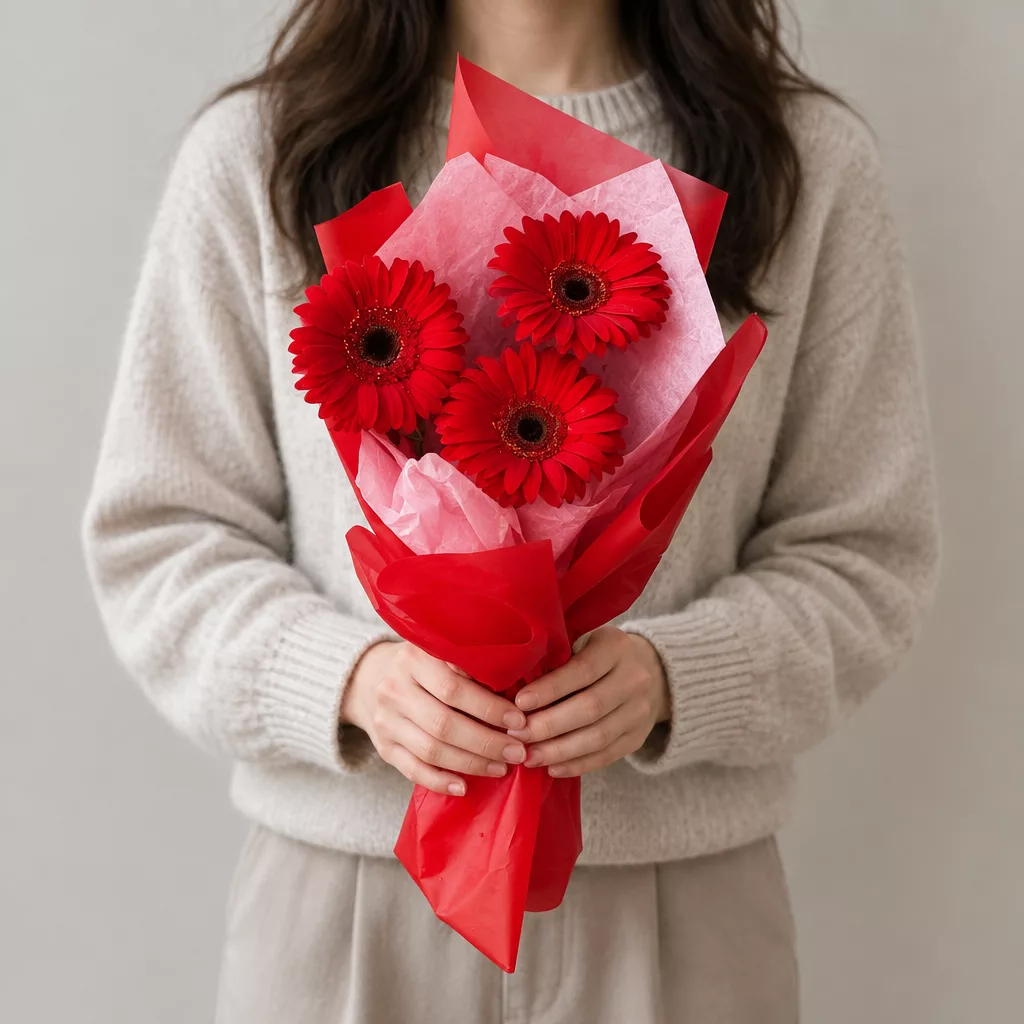
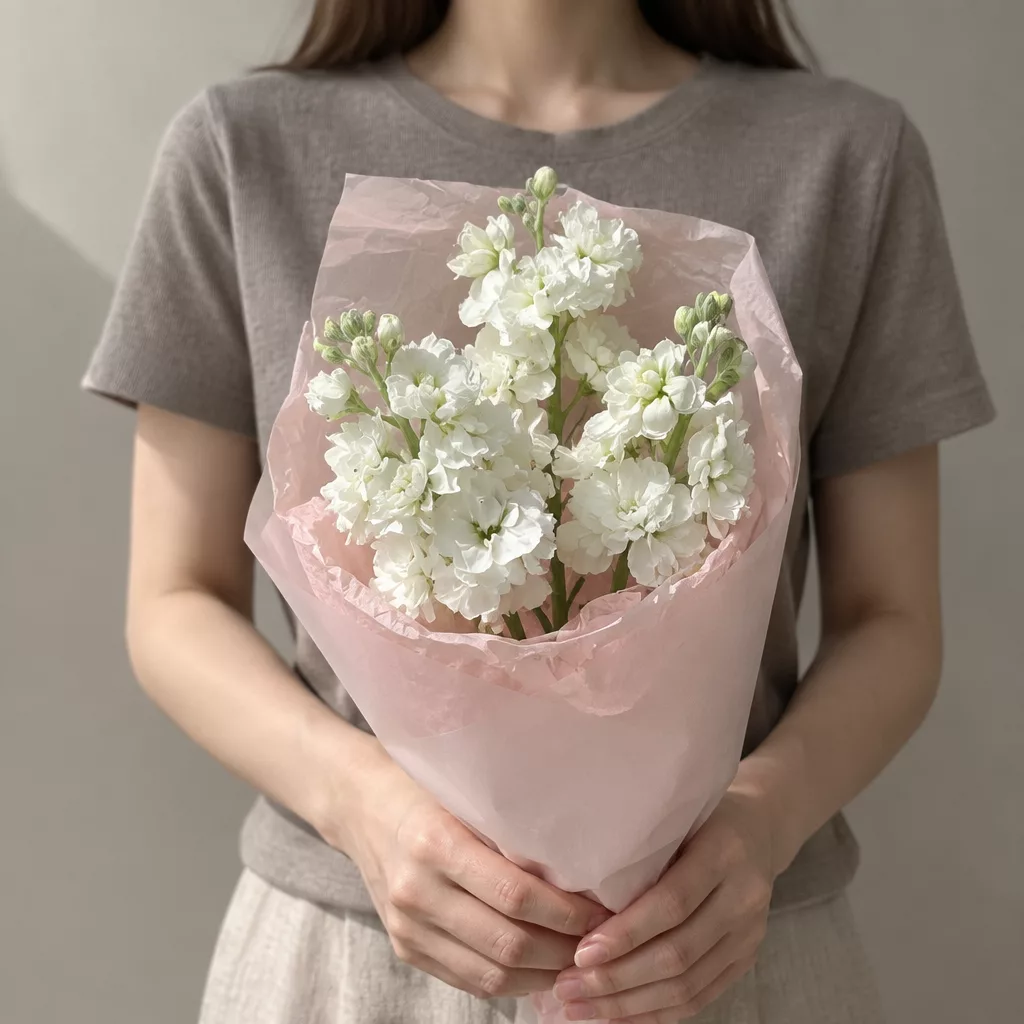
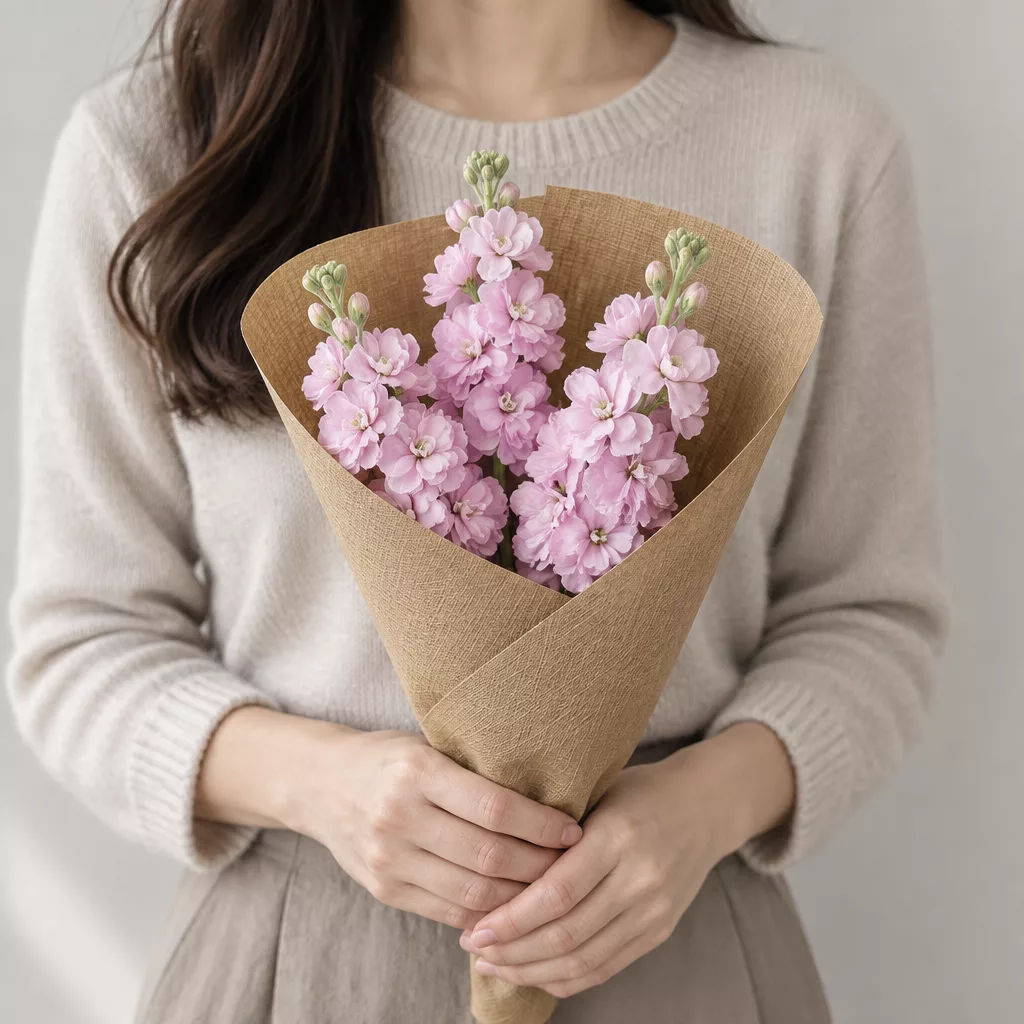
Bouquets we can deliver

Timing Your Order for the Right Moment
The one-to-two-hour window starts from the moment your order is confirmed, not from when you begin browsing. That distinction matters when you are working backwards from a birthday dinner or a morning arrival at the office. If the celebration starts at seven in the evening, placing your order by five gives a comfortable buffer. For a morning surprise — say, flowers waiting when someone arrives at work at nine — an order placed the evening before with a scheduled delivery slot is the smarter move. Scheduled delivery is available and genuinely useful in Khanty-Mansiysk, where people often have fixed routines tied to shift patterns in the energy sector or government offices. You choose the date and a two-hour window, and we build the bouquet to be at peak freshness for that slot, not hours earlier. Spontaneous orders work beautifully too. If you are calling from another city and have just remembered an anniversary, a same-day order placed before early afternoon will typically arrive well before the evening. The key variable is not distance — it is having the right flowers in stock for your chosen arrangement. Roses, spray chrysanthemums, alstroemeria and seasonal foliage are consistently available. More unusual requests, like garden-style ranunculus or specific orchid varieties, benefit from a day's notice. When in doubt, place the order and add a note in the comments: our team will confirm availability and suggest the closest alternative if needed.
What Siberian Cold Does to Flowers — and How We Handle It
At minus twenty-five degrees Celsius, an unprotected rose petal will show frost damage within two or three minutes of outdoor exposure. This is not a dramatic edge case in Khanty-Mansiysk — it is a routine winter reality from November through March, and sometimes into April. Petals bruise, stems lose their rigidity, and delicate blooms like tulips and anemones can collapse entirely if they freeze and then thaw quickly in a warm hallway. We take cold protection seriously at every stage. Bouquets are wrapped in multiple insulating layers before they leave the shop, and the packaging is designed to hold warmth during the transit from vehicle to door — that final thirty-second walk matters more than most people realise. Couriers carry orders in temperature-controlled bags rather than open boxes. On the recipient's side, there is one important step: do not unwrap the bouquet immediately in a cold hallway. Bring it inside, let it sit in its wrapping for ten to fifteen minutes at room temperature, and then unwrap. This gradual acclimatisation prevents the thermal shock that turns petals brown at the edges. In summer, the challenge reverses. Khanty-Mansiysk summers are genuinely warm, sometimes reaching plus thirty, and direct sun in a delivery vehicle can wilt soft-stemmed flowers like lisianthus or sweet peas within an hour. Summer orders benefit from early morning or evening delivery slots when temperatures are lower and the flowers travel in better conditions.
Choosing Flowers for the Person and the Occasion
The occasion shapes everything, but the person shapes it more. A bouquet for a woman who works outdoors in a practical job calls for something sturdier and less fussy than an arrangement for someone who keeps an immaculate home and changes her vase display weekly. Think about the recipient's space and lifestyle before you think about the flower variety. For birthdays, a mixed bouquet built around a focal flower — garden roses, peonies in season, or large-headed chrysanthemums — with supporting textures like eucalyptus, ruscus or wax flower tends to feel generous and considered rather than generic. The supporting greenery is what separates a thoughtful arrangement from a supermarket bunch. For romantic occasions, red and deep-pink roses remain the clearest signal in Russian culture, but a monochrome arrangement in blush, ivory and soft peach reads as equally romantic while feeling more contemporary. If you want something that will genuinely surprise, ask for a wrapped bouquet in a single unexpected colour — deep burgundy spray roses with dark foliage, for instance, rather than the predictable red-and-green. For professional milestones — a promotion, a successful defence of a thesis, a retirement — white and cream flowers with clean green accents communicate respect without being overly personal. Orchid stems wired into a hand-tied bouquet, or tall white eustoma with steel grass, work well in these contexts. Avoid arrangements that look too soft or romantic for a workplace setting; they can create awkwardness for the recipient.
Bouquet Options Across Different Budgets
A well-made bouquet does not require the most expensive flowers — it requires the right proportions, fresh stems and a coherent colour story. At a modest budget, a single-variety bouquet of alstroemeria, spray roses or freesia, wrapped simply with kraft paper and a ribbon, is far more appealing than a mixed arrangement where too many flower types compete at a low stem count. Alstroemeria in particular is underrated: it lasts ten to fourteen days in a vase, comes in a wide range of colours from white through coral to deep purple, and looks intentional rather than filler-like when grouped together. At a mid-range budget, you gain the ability to add a focal flower. Five or seven large-headed roses surrounded by wax flower and eucalyptus, or a cluster of lisianthus with ruscus and ribbon detailing, moves the bouquet into genuinely impressive territory. Odd numbers of stems are traditional in Russia for celebratory occasions — even numbers are associated with mourning — so a florist who knows their craft will always work in odd counts for a birthday or anniversary. At the higher end, the difference is volume, variety and presentation. A large domed bouquet of garden roses, ranunculus and sweet peas with a linen wrap and a personalised card holder is the kind of arrangement that gets photographed and kept in memory long after the flowers fade. If you are sending to someone you want to impress — a new relationship, an important thank-you — this is where the investment pays off most clearly.
Keeping the Bouquet Fresh After Delivery
A fresh bouquet delivered in winter conditions needs a little attention in the first hour to reach its full potential. After the acclimatisation period we described earlier, cut the stems at a forty-five-degree angle under running water — this diagonal cut maximises the surface area for water uptake and prevents the stem end from sitting flat against the vase bottom and blocking flow. Use a clean vase, not one that has held flowers recently without a thorough wash: bacterial residue in the glass shortens vase life significantly. Lukewarm water works better than cold for most cut flowers in winter, as cold water can shock stems that have just come in from a frozen environment. Remove any leaves that would sit below the waterline. Submerged foliage rots quickly and clouds the water, which accelerates bacterial growth across all the stems. Change the water every two days and re-cut the stems each time. This single habit, more than any additive or trick, is what extends vase life from five days to ten or more. Keep the arrangement away from direct heat sources — radiators, underfloor heating vents and sunny windowsills in summer are the main culprits. In Khanty-Mansiysk homes, where central heating runs at high capacity through the long winter, this matters more than it would in a milder climate. A cool room at night, even just a hallway, gives the flowers a rest and adds days to their life. Roses and alstroemeria respond particularly well to this treatment.
Adding a Message and Making the Delivery Feel Personal
In Russia, a card with a handwritten-style message is a meaningful part of the gift — it is not an afterthought. When you order online from another city, you may be tempted to keep the message short, but a few specific sentences land far better than a generic greeting. Mention the occasion plainly, say something true about the person, and close warmly. Even three sentences written with care feel personal in a way that a single line does not. You can write in Russian or English — we will print it as you submit it, so if you are sending to a Russian-speaking recipient and want to write in Russian, that is entirely straightforward. If you are unsure of the phrasing, a simple structure works well: acknowledge the occasion, express what you wish for them, sign with your name. You do not need elaborate poetry. The flowers themselves carry the emotional weight; the card gives it a voice. Beyond the card, small additions can change how the delivery lands. A box of chocolates placed alongside the bouquet, or a small potted plant for someone who prefers something lasting, are options worth considering when the occasion is significant. For a new baby, a soft-coloured arrangement — white, pale yellow or blush — with a short message to the mother rather than the baby is the warmer instinct. For a colleague's work anniversary, keeping the arrangement restrained and the message professional shows that you read the situation correctly, which is itself a form of respect.
Sending flowers to Khanty-Mansiysk from across Russia is genuinely straightforward when you understand the rhythm of the city and the realities of its climate. Order with enough lead time for a scheduled arrival, choose varieties suited to the season and the person, and trust that the cold-weather packaging will do its job. The bouquet that arrives at someone's door in minus twenty weather, still fresh and beautifully wrapped, says something that a gift card simply cannot.
Frequently asked questions
Can I order flowers for delivery in Khanty-Mansiysk from another city?
Yes, completely. You place the order online, enter the recipient's address in Khanty-Mansiysk, choose your delivery slot, and we handle everything from there. Many of our customers order from Moscow, Saint Petersburg or other cities for family and colleagues living in the region. Payment is processed online and you receive confirmation when the bouquet is delivered.
Will the flowers survive the cold during delivery in winter?
They will, provided the recipient follows one simple step: do not unwrap the bouquet immediately in a cold entrance hall. Bring it inside, leave it wrapped for ten to fifteen minutes at room temperature, then unwrap. Our couriers use insulated packaging designed for Siberian winter conditions, so the flowers arrive protected — that final acclimatisation step prevents edge browning on petals.
Why do Russian bouquets always have an odd number of stems?
Odd numbers are traditional for celebratory occasions in Russian culture — birthdays, anniversaries, congratulations. Even numbers are associated with mourning and are used at funerals. If you order a bouquet for a happy occasion, our florists will always work to an odd stem count automatically. It is a small detail that signals cultural awareness and is appreciated by Russian recipients.
How far in advance should I place a scheduled delivery order?
Placing a scheduled order the evening before or at least three to four hours ahead of your chosen window gives the best results. This allows us to prepare the arrangement at peak freshness for your slot rather than building it earlier and holding it. For unusual flower varieties or large arrangements, a full day's notice is better.
Which flowers last longest in a Khanty-Mansiysk home in winter?
Alstroemeria consistently lasts ten to fourteen days with proper care and handles the transition from cold outdoor air to warm indoor heating better than many soft-petalled flowers. Spray chrysanthemums and carnations are also strong performers. Tulips and anemones are beautiful but more sensitive to temperature swings, so they need careful acclimatisation and a cool spot away from radiators to reach their full vase life.
Ready to send flowers?
Pick the city, choose the bouquet, and a local florist takes it from there.
Choose a city →