Sending Flowers to Kirsanov: Timing, Choices and What to Expect
Kirsanov is a quiet city in Tambov Oblast where a bouquet arriving at the right moment means more than the flowers themselves. Whether you are sending roses to a colleague celebrating a promotion or peonies to a friend who just moved into a new flat, the details matter — the freshness when the door opens, the water droplets still on the petals, the ribbon tied the way it was meant to be. This guide walks you through everything from how delivery works in this part of Russia to which flowers hold up best in transit and what the person receiving them will actually feel when they unwrap the paper.
Why Kirsanov Has Its Own Delivery Logic
Kirsanov sits in the south-east of Tambov Oblast, roughly 130 kilometres from Tambov city itself. It is not a metropolitan hub, which means flower delivery here requires more planning than a drop in central Saint Petersburg or Moscow. Roads, seasonal weather and the size of the city all shape what is realistic to promise and what is not.
The city has a clear residential character. Most addresses are houses or low-rise apartment buildings rather than office towers, which actually works in your favour — recipients are more often home, doors are easier to find, and there is rarely a security desk that holds the bouquet for two hours before it reaches the right hands.
What this means practically is that timing windows here are slightly wider than in a major city. When you place an order, a realistic delivery window is one to two hours from confirmation, and that window accounts for route planning specific to Kirsanov streets rather than a generic city estimate. Turboflora builds that buffer into every order so the bouquet arrives fresh rather than rushed.
Temperature also plays a role. Kirsanov experiences cold winters and warm summers, and both extremes affect flowers in transit. In January, roses can suffer cold shock if left near an unheated entrance for even fifteen minutes. In July, direct sun through a car window can wilt ranunculus before the address is even reached. Knowing this in advance lets you choose varieties that are suited to the season rather than ones that look beautiful in a photograph but struggle on the road.
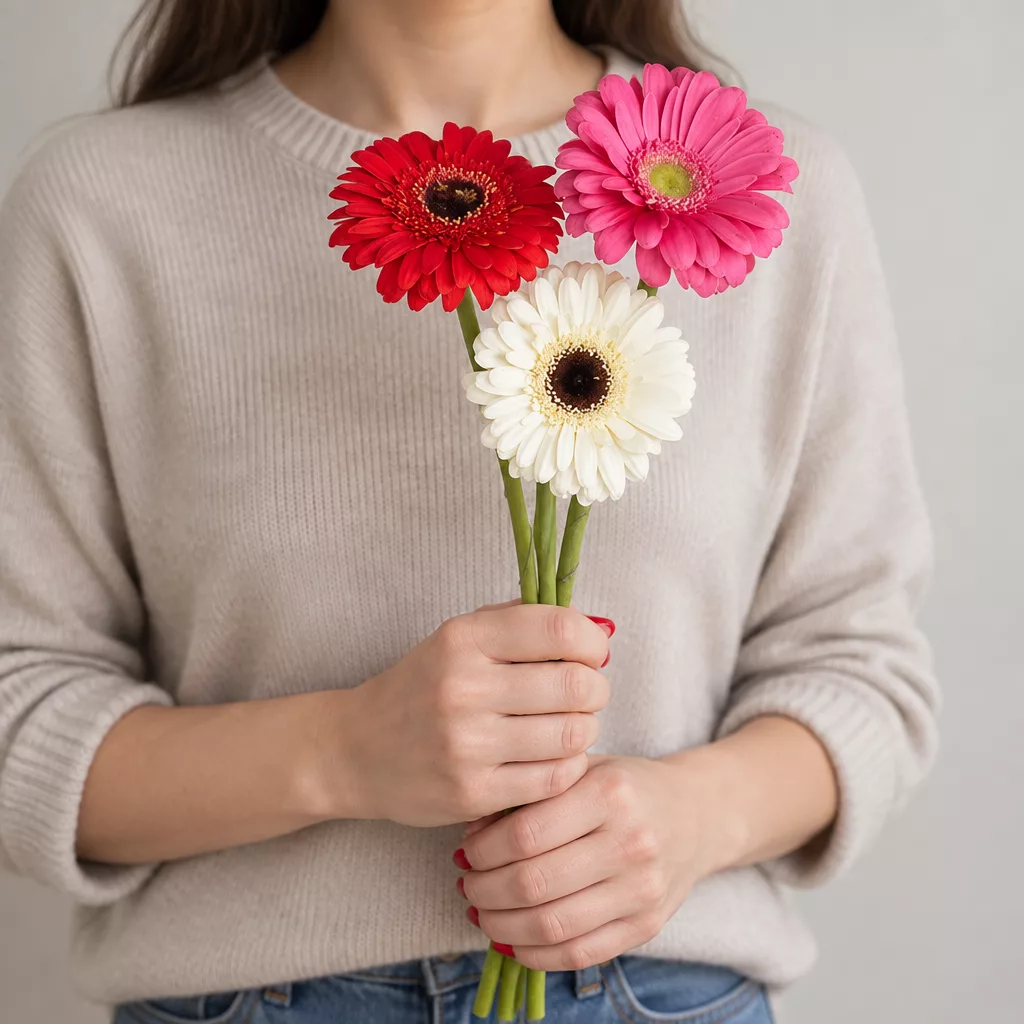
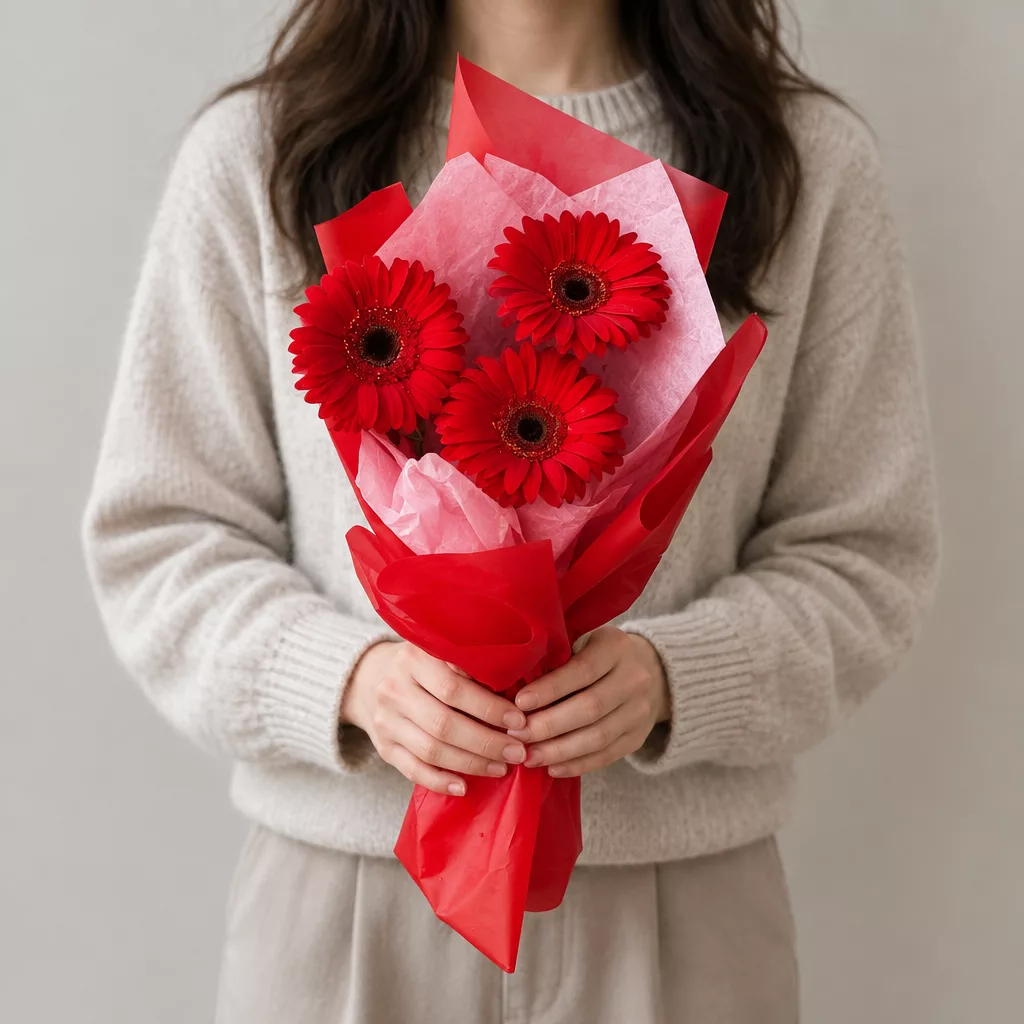
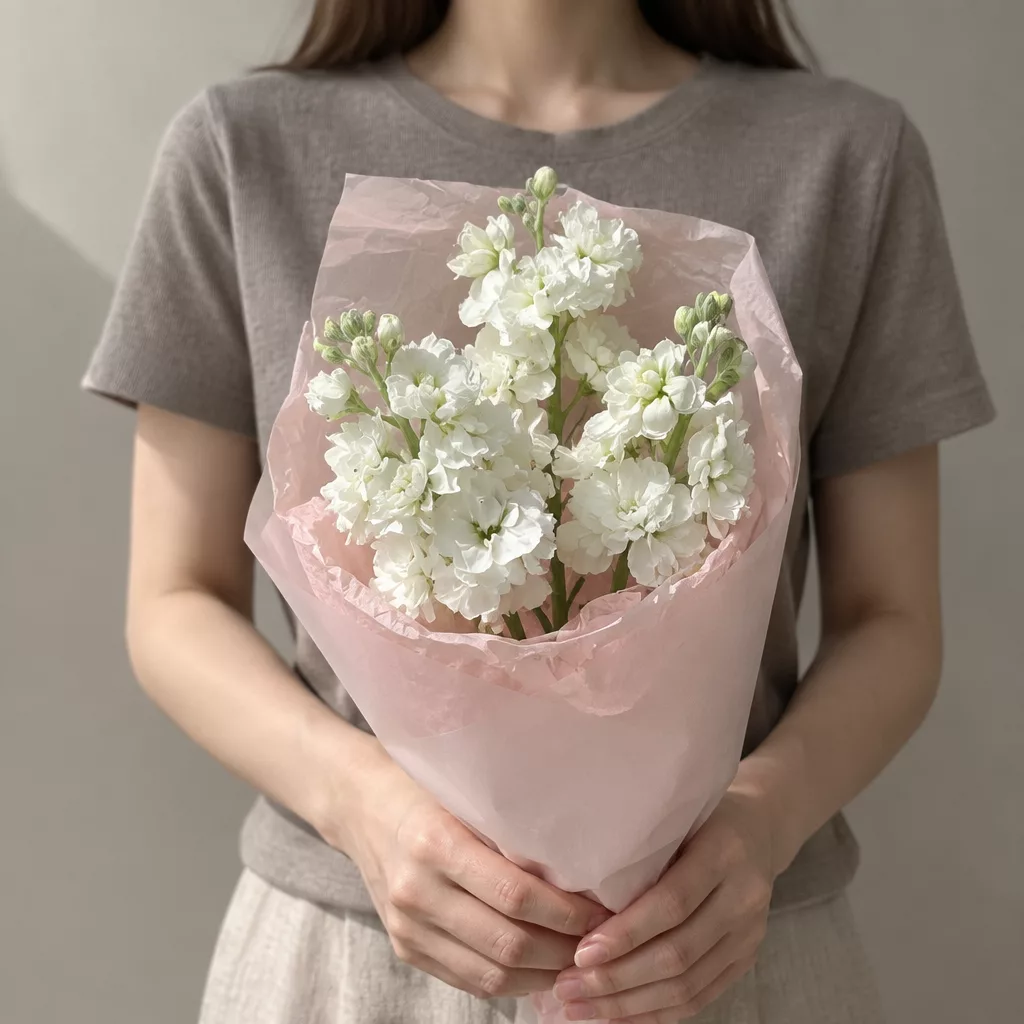
Bouquets we can deliver

Choosing Flowers for the Person, Not Just the Occasion
The best starting point is always the recipient, not the calendar. A birthday is a birthday, but a woman in her fifties who gardens at her dacha every weekend will feel something completely different receiving a loose arrangement of garden-style flowers — lisianthus, scabiosa, eucalyptus — compared to a formal dozen red roses. Both are valid, but one of them will make her eyes light up in a way the other simply will not.
For a romantic gesture, deep red or burgundy tones carry weight. Spray roses combined with dark burgundy alstroemeria and a few stems of waxflower create a bouquet that feels rich without being stiff. If the relationship is newer and you want something lighter, blush pink tulips or white ranunculus with soft greenery read as thoughtful and warm rather than intense.
For a friend or colleague, think about personality over convention. Someone creative and a little unconventional might love a single-variety arrangement of bright orange gerbera with no filler at all — clean, confident, unexpected. Someone who values elegance would appreciate white freesia paired with cream chrysanthemums, where the scent is as much a gift as the colour.
For a new mother, avoid strongly scented flowers since they can be overwhelming in a small room with a newborn. Soft pink peonies in season, pale lisianthus or white alstroemeria are gentle choices that photograph beautifully and do not compete with the atmosphere of those first days at home. Think about what the room will feel like with the bouquet in it, not just what the bouquet looks like on its own.
What Happens Between Your Order and the Front Door
When an order is placed for Kirsanov, the process begins with assembly, not just picking up a pre-made bouquet from a shelf. Stems are cut at an angle under water to maximise uptake. Leaves that would sit below the waterline are removed to prevent bacterial growth. Conditioning paper or a protective sleeve goes on before the bouquet is placed in a temperature-controlled environment while the route is confirmed.
The courier carries the bouquet upright whenever possible. This is not a small detail — flowers transported on their side shift weight onto the petals, and roses especially can bruise at the outer guard petals during a bumpy road stretch. Kirsanov roads, like most roads in smaller Russian cities, have their uneven sections, and a well-packed bouquet handles that better than a loosely wrapped one.
On arrival, the courier will contact the recipient before ringing the bell if you have left a phone number, which is always recommended. This avoids the bouquet sitting on a cold doorstep in winter or in direct afternoon sun in summer. If the recipient is not home, a short wait and a second call is standard — flowers are not left unattended in temperatures below five degrees Celsius or above twenty-five.
You will receive confirmation once delivery is complete. If you are sending from another city and cannot be there yourself, this confirmation is the moment you can exhale. It means the flowers arrived in the condition they left in, which is the only standard that matters.
Seasonal Flowers That Travel Well to Kirsanov
Not every flower is a good traveller, and the distance to Kirsanov makes variety selection genuinely important. Some flowers are resilient by nature — chrysanthemums, alstroemeria and carnations hold water well, resist temperature swings and arrive looking almost exactly as they did when they were assembled. These are not boring choices; they are smart ones when the journey is part of the equation.
In spring, tulips are excellent. They are sturdy, arrive tightly closed and open gradually over several days, which means the recipient gets to watch the bouquet evolve. Dutch tulips in particular — parrot varieties, fringed varieties, double-flowered types — have enough visual interest that they do not need much supporting material. A tight bundle of one variety in a single colour is often more striking than a mixed arrangement.
Summer brings gerbera, sunflowers and the brief but glorious peony season. Peonies are available roughly from late May through June, and they are worth ordering during that window because nothing else has quite the same combination of scent, texture and visual generosity. They do need to be kept away from direct heat, so summer delivery timing matters — morning orders fare better than afternoon ones when temperatures peak.
In autumn, dahlias and lisianthus are reliable and beautiful. Dahlias have a garden quality that feels right in September when the season is turning. Lisianthus, sometimes called eustoma, resembles a ruffled rose but lasts significantly longer in the vase — up to two weeks with proper care — making it one of the most practical choices for a recipient you want to delight for more than a few days.
Timing Your Order for the Best Result
The most common mistake when sending flowers to a smaller city is ordering too close to the moment you want them to arrive. A one-to-two-hour delivery window means exactly that — it starts from the moment the order is confirmed and assembled, not from the moment you click the button. If you are ordering during a busy period, assembly itself takes a few minutes, so the honest advice is to add thirty minutes to whatever time you have in mind.
For morning deliveries, placing the order the evening before is always the most comfortable option. This gives the florist time to source the specific varieties you want, especially if you have a preference for something seasonal or less common. A next-day morning order for peonies in June is easy to fulfil. The same order placed at nine in the morning for a ten o'clock arrival is a much tighter situation.
For surprise deliveries — where you want the recipient to have no idea — coordinate with someone who can be near the address to confirm the person is home. In Kirsanov, as in any smaller city, there are fewer opportunities to leave a bouquet with a neighbour or a building concierge compared to a large apartment complex in a major city. A quick message to a mutual friend who can quietly confirm the recipient is home makes the whole thing go smoothly.
Public holidays in Russia, including the days around March 8 (International Women's Day), are the busiest periods for flower delivery anywhere in the country. Ordering at least two to three days in advance for those dates is not overcaution — it is simply how you ensure the bouquet you want, rather than whatever is left, reaches the person you are thinking of.
Care Instructions to Pass Along with the Bouquet
A beautiful bouquet deserves a long vase life, and that depends almost entirely on what happens in the first thirty minutes after it arrives. Passing along simple care instructions is one of the kindest things you can do, especially if the recipient does not have much experience with cut flowers. A small note tucked into the wrapping can make the difference between a bouquet that lasts four days and one that lasts ten.
The first step is always a fresh cut. Even if the stems were cut properly during assembly, they seal over within a few hours. Cutting another centimetre off at a forty-five-degree angle under running water before placing the stems in a vase opens the uptake channels again. This single step has more impact on vase life than almost anything else.
Water temperature matters more than most people realise. Cool to lukewarm water suits most cut flowers. Very cold water slows uptake and can shock tropical varieties. Very warm water encourages bacterial growth. The vase itself should be clean — a residue from a previous bouquet left inside is enough to shorten the life of a fresh one by several days.
Keep the bouquet away from fruit bowls. Ripening fruit releases ethylene gas, which accelerates the ageing of flowers. Tulips and carnations are particularly sensitive to this. Also keep flowers away from direct sunlight and heating vents. A cool room with indirect light is the closest thing to ideal for most varieties.
Change the water every two days, or every day in warm weather. Remove any stem that begins to soften before it affects the water quality for the others. With this level of attention, alstroemeria and chrysanthemums will easily reach twelve to fourteen days. Roses, with good care, will give a full week of beauty.
Making the Moment Feel Right, Not Just Delivered
Flowers are not a product in the way a book or a kitchen appliance is a product. They are a gesture that arrives in physical form. The difference between a bouquet that feels genuinely thoughtful and one that feels like a checkbox ticked is often in the small decisions around the flowers rather than the flowers themselves.
The wrapping style sets the tone before a single petal is seen. Kraft paper with a simple ribbon reads as warm and artisan. Matte black paper with a white ribbon reads as sophisticated and modern. If you know the recipient's home aesthetic — a lot of white linen and natural textures, or bold colours and eclectic style — matching the wrapping to that sensibility is a quiet way of showing you paid attention.
A handwritten note, even a short one, transforms a bouquet into a conversation. In Russian culture, a card with a personal message is expected and valued. If you are sending from abroad or simply want to write in English, that is completely fine — the gesture translates regardless of language. What matters is that it is specific: not just a name, but a sentence that only you could have written for only that person.
Think about the vase situation. Not everyone has a vase at home, and a large bouquet arriving with nowhere to go loses some of its magic. Adding a simple glass vase to the order is a practical kindness, especially if you are sending to someone who has recently moved or who does not receive flowers often. It means the bouquet goes straight from the courier's hands to water, which is exactly where it belongs.
Sending flowers to Kirsanov from anywhere in Russia is entirely straightforward when you know what to expect from the process. The city's scale, the seasonal climate and the character of its streets all shape the experience in ways that are easy to plan around once you understand them. Choose varieties suited to the season and the journey, order with a comfortable time buffer, pass along a few care notes, and the bouquet will do exactly what you intended it to do — make someone feel genuinely seen on a day that matters to them.
Frequently asked questions
How long does flower delivery to Kirsanov actually take?
From the moment your order is confirmed and assembled, delivery to Kirsanov typically takes one to two hours. This window accounts for route planning specific to the city. For the most comfortable experience, especially for a timed surprise, placing your order thirty to sixty minutes earlier than your target arrival time is the safest approach.
Which flowers are best to send to Kirsanov in winter?
In winter, choose cold-tolerant varieties like chrysanthemums, alstroemeria, carnations and spray roses. Avoid delicate tropical flowers such as orchid stems or anthurium, which can suffer cold shock in transit. Roses are fine in winter but should be well wrapped and delivered quickly once they reach the recipient's building entrance.
Can I send flowers to Kirsanov if I am ordering from another city or country?
Yes, completely. Turboflora handles orders placed from anywhere. You provide the recipient's address and phone number in Kirsanov, choose your bouquet, and the delivery is coordinated locally. You receive confirmation once the flowers are delivered, so you know the moment they arrived even if you are thousands of kilometres away.
What should I do if the recipient is not home when the flowers arrive?
The courier will call the recipient before the final approach and wait a short period if there is no answer. Flowers are not left unattended in extreme temperatures. If the recipient cannot be reached, you will be contacted to arrange a new delivery window. Providing an accurate phone number for the recipient is the single most important step to avoid this situation.
Is it possible to include a personal note or card with the bouquet?
Yes, and it is strongly encouraged. A handwritten card with a personal message is a valued part of gift-giving in Russian culture. You can write your message during checkout and it will be printed or handwritten and included with the bouquet. Even a few sincere sentences make the delivery feel like a real gift rather than a transaction.
Ready to send flowers?
Pick the city, choose the bouquet, and a local florist takes it from there.
Choose a city →