Flower Delivery in Kostroma: What to Expect and How to Plan It
Kostroma sits on the Volga about 340 kilometres from Moscow, and it carries the quiet, unhurried atmosphere of a classic Russian provincial city — golden onion domes, linden-lined embankments and a pace of life that still makes a bouquet feel like a genuine event. Whether you are sending flowers to a colleague in the city centre, a relative near the Ipatiev Monastery or a friend in one of the newer residential districts, getting a fresh arrangement there quickly is entirely possible. This guide walks you through delivery zones, realistic timing, what the local climate means for your flowers and how to choose an arrangement the recipient will actually love.
Which Parts of Kostroma We Reach and How Quickly
Kostroma is a compact city by Russian standards, with most of its population living within a relatively contained area along both banks of the Volga and the Kostroma River. The historic centre, the Susaninskaya Square area, the Zavolzhsky district and the residential neighbourhoods stretching toward the northern and eastern edges of the city all fall within our standard delivery window. That window is one to two hours from the moment you confirm your order.
For addresses on the left bank of the Volga — the Zavolzhsky side — couriers cross the bridge, which adds a small amount of transit time, so placing your order with a little extra lead time is wise if the occasion is time-sensitive. Villages and settlements immediately outside the city boundary, such as those along the Yaroslavl highway or toward Nerekhta, are reachable but may require scheduling in advance rather than same-day express delivery.
The practical advice here is simple: if you know the recipient's postcode or can name the district, share it when you order. Our team will confirm the delivery window immediately rather than leaving you to guess. Kostroma's road network is generally straightforward, without the severe congestion of larger cities, which helps couriers keep to their estimated arrival times even during busy periods like March and May.
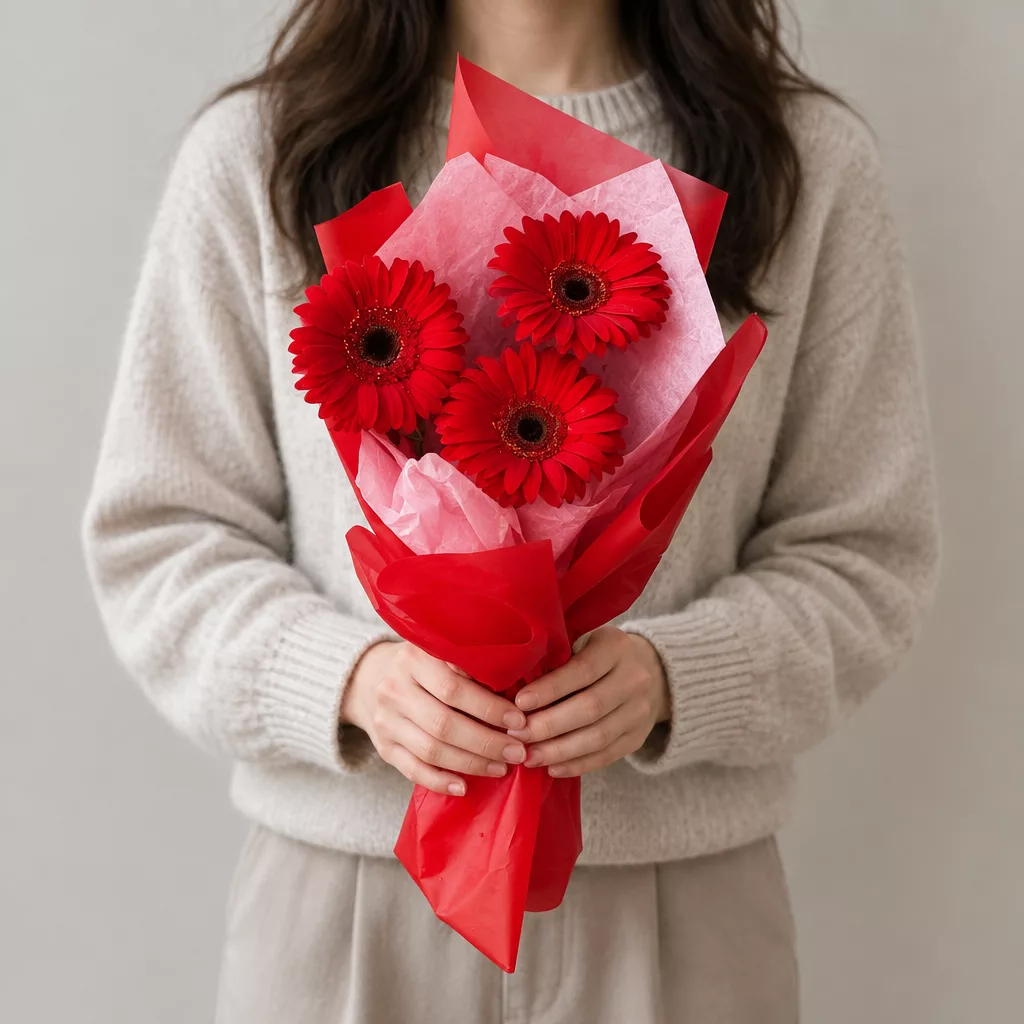
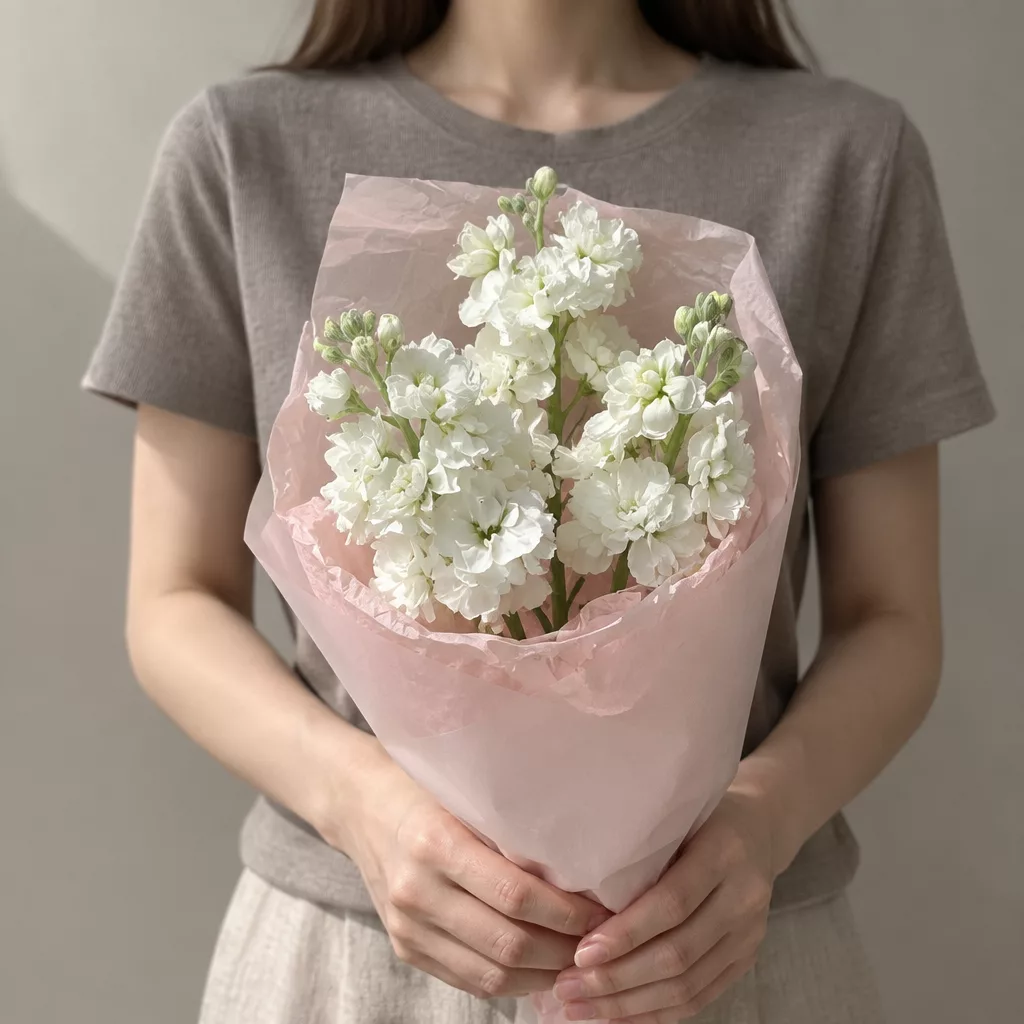
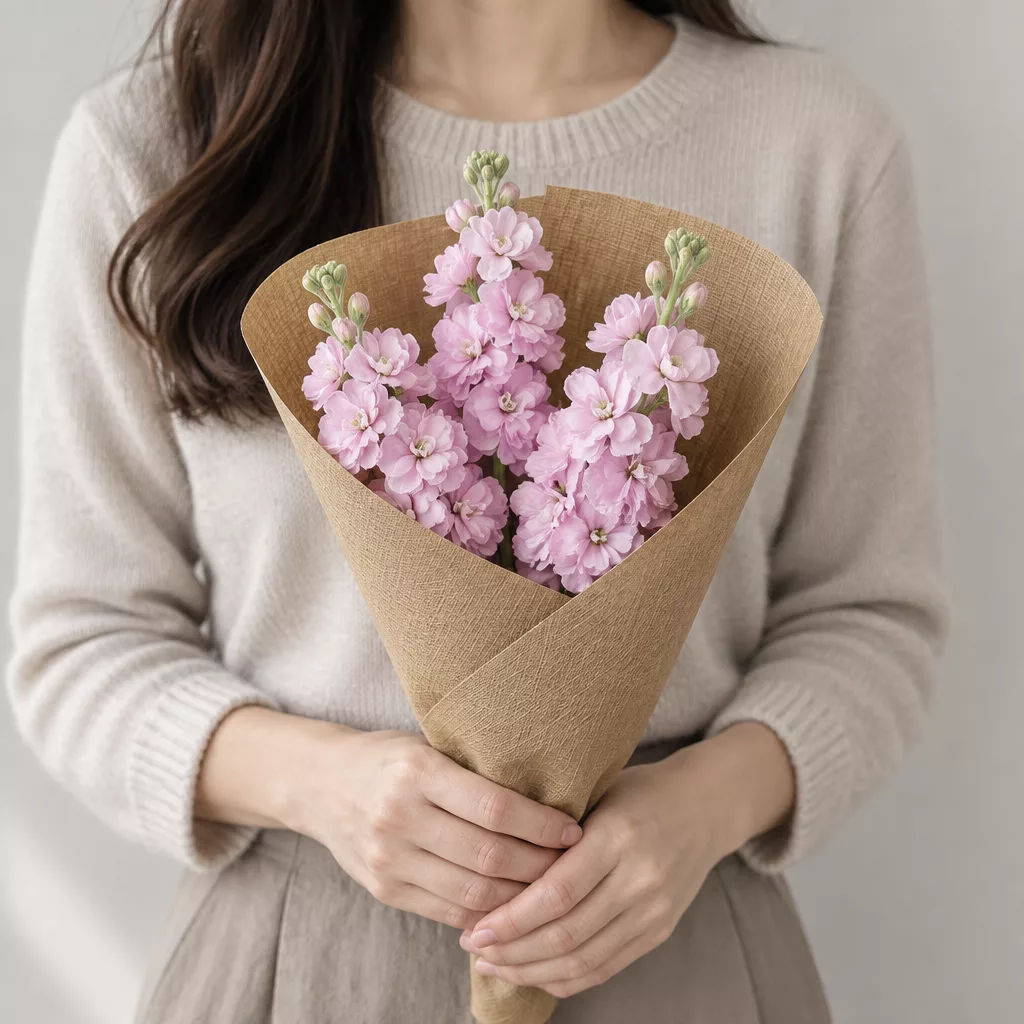
Bouquets we can deliver

Timing Your Order Around Kostroma's Occasions
Russians mark a wide range of occasions with flowers, and Kostroma is no different. Teacher's Day in October, International Women's Day on the eighth of March, graduation ceremonies in late June, birthdays and name days throughout the year — each of these creates a surge in demand that is entirely predictable. If your date falls within one of these peaks, placing your order the evening before rather than the morning of the occasion will protect you against any last-minute pressure on courier availability.
For everyday deliveries — a spontaneous birthday gift, a thank-you to a host, flowers for someone who has just moved into a new flat — same-day ordering works reliably well. Place the order before noon and you have the widest choice of delivery slots. Orders placed in the afternoon are still fulfilled the same day in most cases, though the selection of specific varieties may be narrower as the day progresses.
One thing worth knowing about Russian custom: flowers are almost always given in odd numbers. An even number of stems is associated with mourning, so if you are choosing a hand-tied bouquet and want to respect local tradition, ask for five, seven, nine or eleven stems rather than six or ten. Our florists follow this automatically, but if you are specifying an exact count yourself, keep it odd. This small detail will not go unnoticed by a Russian recipient and signals that you understood the gesture.
Choosing Flowers for the Person, Not Just the Occasion
The most memorable bouquets are built around the recipient rather than around a category. A woman in her sixties who keeps a traditional Russian home will often respond more warmly to lush, garden-style arrangements — think garden roses, lisianthus and eucalyptus — than to a minimalist single-variety bunch, however elegant that might be. A younger colleague in a modern office might appreciate the clean lines of a monochrome tulip or ranunculus arrangement in a kraft-paper wrap.
For children and students, sunflowers remain a perennial favourite in Russia — bright, generous and completely unpretentious. Chrysanthemums are widely loved across generations and hold up exceptionally well in Kostroma's colder months, making them a practical as well as beautiful choice for autumn and winter deliveries. Peonies, when in season between late May and early July, are the flower most Russians associate with joy and abundance, and a full peony bouquet makes an immediate impression.
Spray roses and alstroemeria are excellent choices when you want volume and longevity without a high price point. They layer beautifully with greenery — ruscus, pittosporum or salal — and the combination looks generous even in a modest arrangement. If you are unsure, describe the recipient's personality and home style to our florists when ordering. A brief note like 'she has a colourful, eclectic flat' or 'he works in a formal office' gives us enough to make a genuinely considered recommendation rather than defaulting to the most generic option.
How Kostroma's Climate Affects Your Flowers
Kostroma has a continental climate with cold winters and warm summers. From November through to March, outdoor temperatures regularly drop below minus ten degrees Celsius, and brief spells of minus twenty are not unusual. This matters directly to flower delivery because cold air damages blooms rapidly — petals of roses and hydrangeas, in particular, can bruise and turn translucent within minutes of exposure to severe frost.
Our couriers carry flowers in insulated packaging during cold months, and for the most delicate varieties — garden roses, open peonies, anemones — we use additional protective wrapping. When you receive a delivery in winter, unwrap the flowers indoors immediately rather than leaving them in a cold hallway or on an unheated balcony. Even ten minutes at minus fifteen can set back a bouquet that would otherwise last a full week.
In summer, the concern reverses. July and August in Kostroma can bring temperatures above thirty degrees, and a bouquet left in direct sunlight or a warm car will wilt within hours. Couriers plan their routes to minimise time in transit during peak afternoon heat, but on your end, placing flowers in water as soon as they arrive and keeping them away from south-facing windows will make a significant difference. Spring and autumn — roughly April through May and September through October — are the most forgiving seasons for flower delivery, with mild temperatures that suit almost every variety and give arrangements their best chance of lasting well.
Presentation Details That Make the Difference in Russia
Russians pay close attention to how a gift is presented, and a bouquet that arrives beautifully wrapped carries a different weight from one that looks hastily assembled. The wrapping style has shifted noticeably over the past decade: the older tradition of cellophane cones has given way to kraft paper, fabric ribbons and layered tissue in muted or contrasting tones. Both styles are still appreciated, but if the recipient is under forty, a contemporary wrap will feel more considered.
A handwritten card remains one of the most valued additions to any flower delivery in Russia. Even a short message — three or four lines — is read carefully and often kept long after the flowers have faded. If you are sending from abroad or writing in English, do not worry: a sincere message in any language is understood as a sincere message. Our team can also write the card in Russian if you provide the text and ask us to translate the tone rather than just the words.
Ribbons, dried flower accents and small decorative elements like cotton stems or dried citrus slices have become popular additions to bouquets in Russian cities, including Kostroma. They add texture and visual interest without overwhelming the fresh flowers. If you want something that photographs well — and many recipients will photograph their bouquet to share with family — ask for a design with varied heights and at least one textural element alongside the main blooms. This small request consistently produces arrangements that feel curated rather than assembled.
Vase Life and Care Once the Flowers Arrive
A well-chosen bouquet delivered in good condition should last between five and ten days in a home environment, depending on the variety. Roses, when properly conditioned, typically give seven to nine days. Tulips are shorter-lived — four to six days — but they continue to open and move after cutting, which many people find beautiful in itself. Chrysanthemums and alstroemeria are among the longest-lasting cut flowers, often reaching ten to fourteen days with basic care.
The single most important thing a recipient can do is cut the stems at an angle under running water immediately after unwrapping, then place them in a clean vase filled with fresh, cool water. Removing any leaves that would sit below the waterline prevents bacterial growth, which is the primary reason flowers decline faster than they should. Changing the water every two days and re-cutting the stems extends vase life noticeably.
Keep the vase away from radiators — a common issue in Russian homes during the heating season, which runs from October through April. Central heating in Russian apartments is often vigorous and drying, and a bouquet placed on a windowsill above a radiator will lose moisture faster than the stems can replace it. A cool interior wall, a dining table away from direct heat or a kitchen counter away from the cooker are all better positions. If the recipient has a cool room or an enclosed balcony that stays just above freezing in winter, that can serve as an overnight resting place for the flowers and add a day or two to their life.
What to Write When You Send Flowers to Kostroma
The card message is where many people hesitate, particularly when sending to someone in a different cultural context. Russian recipients appreciate directness and warmth in equal measure — a message that says exactly what you feel, without excessive formality or hollow phrases, will land better than a generic 'wishing you all the best.' Specific is always better: 'I thought of you when I saw these peonies and wanted you to have them' says far more than 'with best wishes.'
For professional occasions — a colleague's promotion, a business anniversary, a thank-you to a client — a tone of genuine respect works well. Russians in professional settings value sincerity but also appropriate restraint; a warm but measured message fits better than an effusive one. For close friends and family, there is no such constraint: affectionate, personal and even playful messages are entirely welcome.
If you are marking a significant birthday — a fortieth, fiftieth or sixtieth — Russians often treat these milestone ages as particularly important celebrations, and the flowers and message both tend to be more elaborate than for an ordinary birthday. A larger arrangement, a richer combination of varieties and a more heartfelt card are all appropriate. If you are unsure of the exact wording, our team can suggest phrasing that fits the occasion and the relationship. We have written hundreds of cards for senders who knew exactly what they felt but could not quite find the words, and we are glad to help.
Sending flowers to Kostroma is straightforward when you know the city's rhythms, its climate and the small cultural details that make a bouquet feel genuinely thoughtful rather than merely delivered. From the Zavolzhsky riverside to the quieter residential streets near the city's edges, fresh arrangements reach recipients within one to two hours, wrapped well and chosen with the person in mind. The flowers you send become part of someone's day in a city that still values that kind of gesture — and getting it right is simply a matter of planning a little, choosing with care and trusting that the details will be handled.
Frequently asked questions
Can I order flower delivery to Kostroma on the same day?
Yes, same-day delivery is available across Kostroma. Orders placed before noon give you the widest choice of varieties and time slots. Afternoon orders are also fulfilled the same day in most cases. During peak dates such as March 8th and graduation season, placing your order the evening before is strongly recommended to guarantee your preferred delivery window.
Do you deliver to addresses outside the Kostroma city centre?
We deliver across all main districts of Kostroma, including the Zavolzhsky area on the left bank of the Volga and residential neighbourhoods on the city's northern and eastern edges. For addresses just outside the city boundary, same-day delivery may still be possible but advance scheduling is advisable. Share the full address when ordering and we will confirm availability immediately.
How are flowers protected during cold winter deliveries in Kostroma?
Couriers use insulated packaging and protective wrapping for all deliveries when outdoor temperatures fall below freezing. For particularly delicate varieties such as open roses or anemones, additional insulation is added. Recipients should unwrap flowers indoors immediately upon arrival and never leave them in a cold hallway or unheated space, even briefly, to avoid frost damage to petals.
Why do Russian florists always use an odd number of stems?
In Russian tradition, an even number of flowers is associated with mourning and is given at funerals. An odd number signals celebration, affection and good wishes. This convention is observed across the country and noticed by most Russian recipients. Our florists follow this rule automatically, so every bouquet we prepare for a celebratory occasion will always contain an odd number of stems.
Which flowers last longest after delivery in a Kostroma home?
Chrysanthemums and alstroemeria are the most durable cut flowers, often lasting ten to fourteen days with basic care. Roses typically give seven to nine days. Tulips are shorter-lived at four to six days but continue to open attractively after cutting. All varieties benefit from clean water, angled stem cuts and placement away from radiators, which are common in Kostroma homes during the long heating season.
Ready to send flowers?
Pick the city, choose the bouquet, and a local florist takes it from there.
Choose a city →