Sending Flowers to Kovrov? Here Is Everything You Need to Know
Kovrov is a quiet, unhurried city, but the moments that call for flowers — a birthday, an anniversary, a simple Tuesday that needs brightening — arrive just as suddenly here as anywhere else. Ordering a bouquet from another city and trusting it to arrive fresh, on time and looking exactly as you imagined is a reasonable thing to feel uncertain about. This article walks you through what delivery to Kovrov actually looks like, which flowers travel best, and how to make sure the person who opens the door feels genuinely moved.
Ordering for Someone in Kovrov When You Are Not There Yourself
Most orders for Kovrov come from people who are somewhere else entirely — Moscow, Saint Petersburg, Yekaterinburg — and that distance adds a layer of quiet anxiety to the whole thing. You cannot pop round to check the bouquet yourself, and you are relying entirely on what arrives at the door to speak for you. That is a lot to ask of flowers, and it is worth thinking carefully before you click confirm.
The first thing to settle is the occasion and the person, not the flower variety. A colleague turning fifty calls for something structured and composed — garden roses, lisianthus, a few stems of eucalyptus for texture. A daughter celebrating a university result wants something joyful and a little wild — ranunculus, anemones, maybe a loose arrangement with some seasonal greenery. The bouquet should feel like it was chosen for that specific person, not assembled from a default template.
When you place the order, write the recipient's address carefully, including the flat number and entry code if there is one. Kovrov has a mix of older Soviet-era apartment blocks and newer residential areas, and delivery drivers navigate both. A missing entry code can delay everything by fifteen minutes and make a warm moment feel awkward. If you know the recipient's schedule — they leave for work at nine, they return at six — share that information in the order notes. It takes thirty seconds and makes the delivery far more likely to land at the right moment.
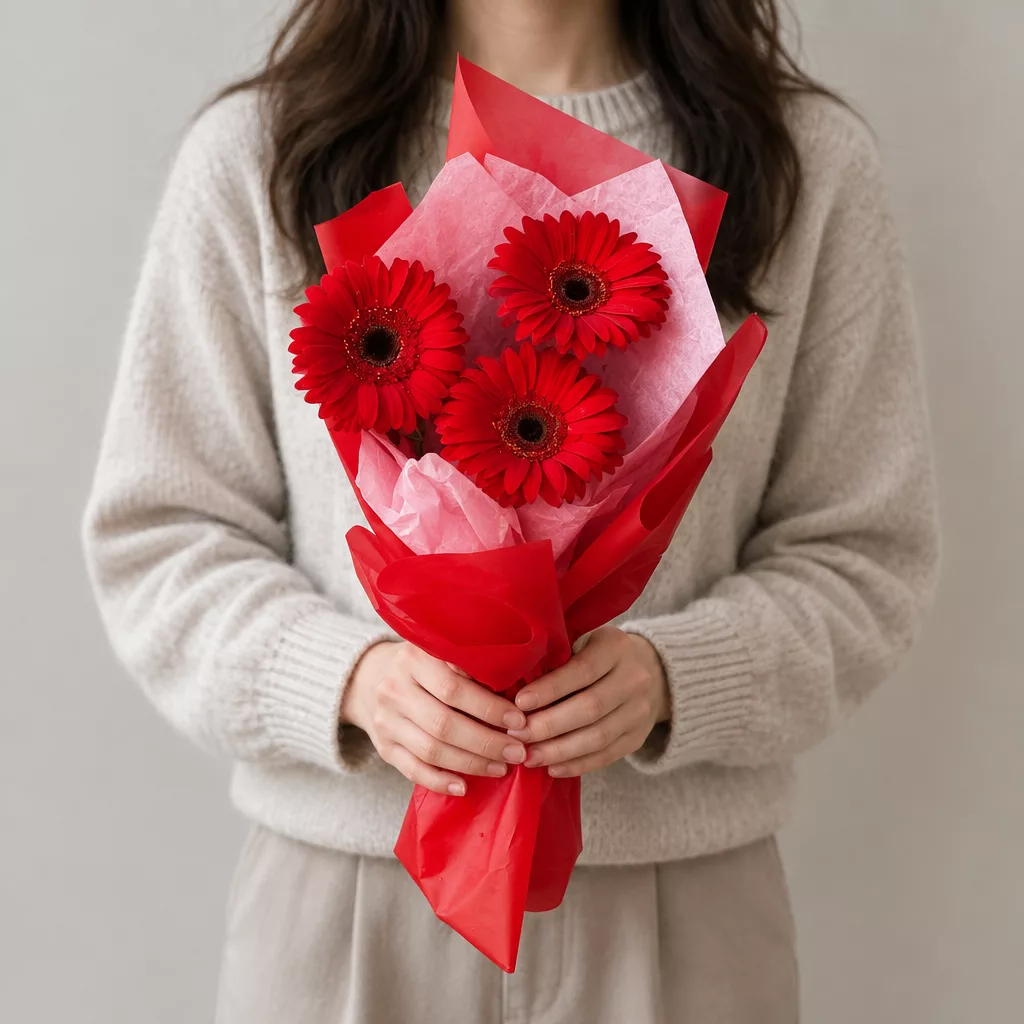
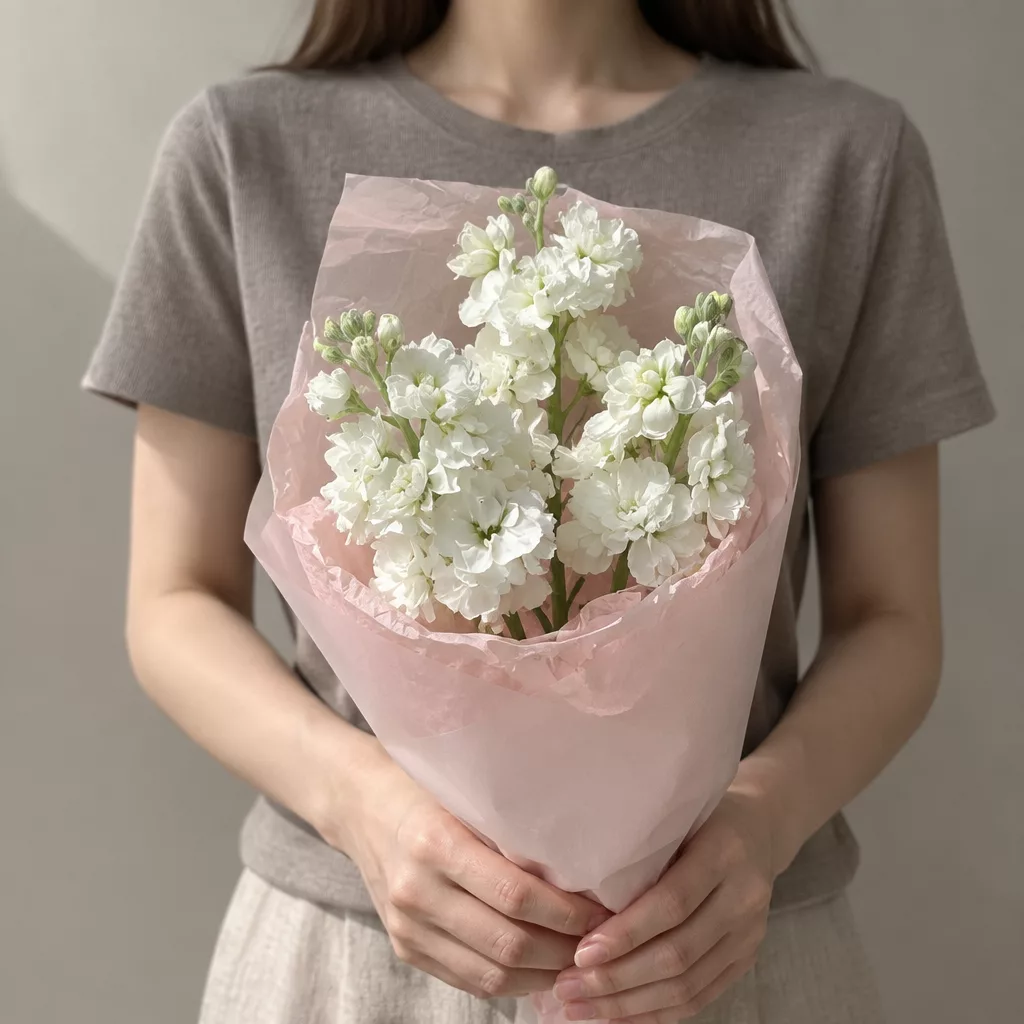
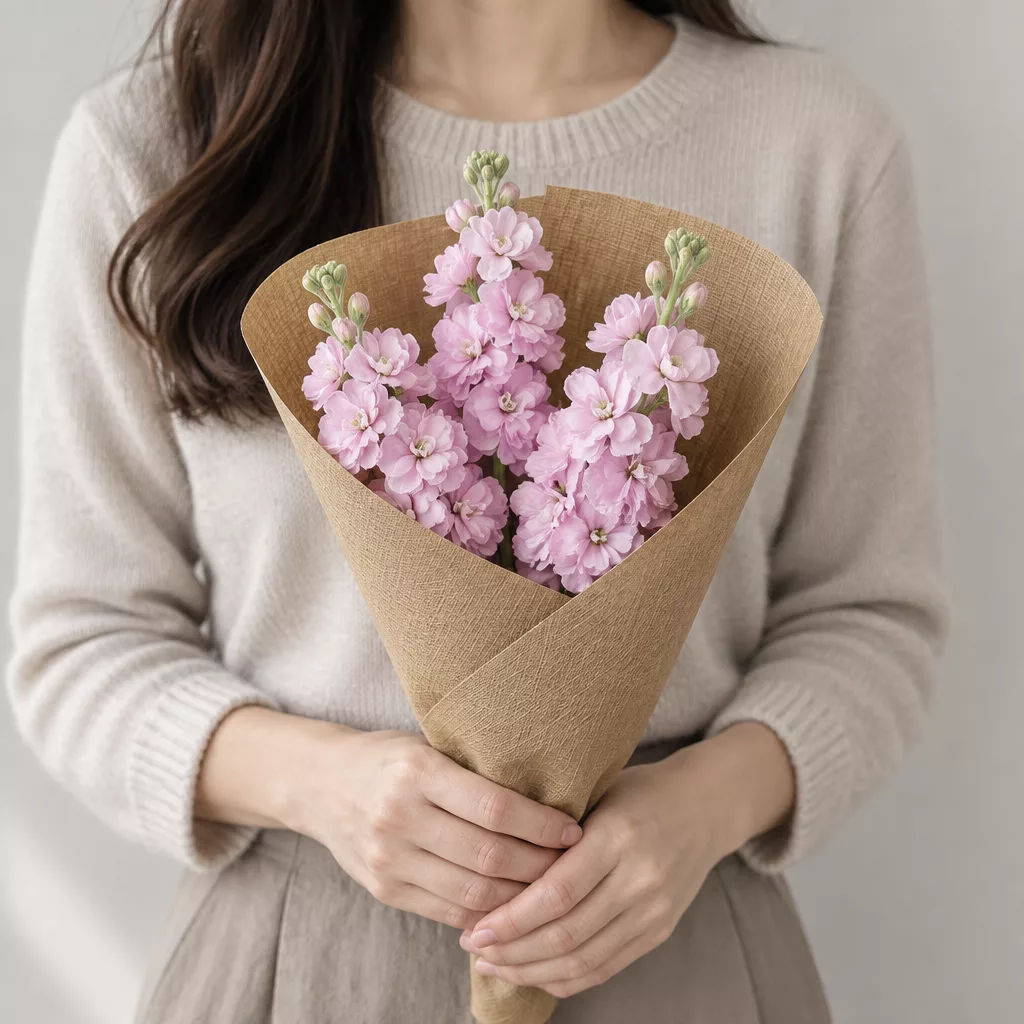
Bouquets we can deliver

Delivery Timing in Kovrov and What the 1–2 Hour Window Really Means
When Turboflora says delivery within one to two hours, that window starts from the moment the order is confirmed and the bouquet is assembled, not from the moment you begin browsing the website. Assembly itself takes time — flowers are cut fresh, stems are trimmed at an angle to improve water uptake, and the arrangement is wrapped and conditioned before it leaves. Rushing that process produces a bouquet that looks hurried, and hurried flowers wilt faster.
Kovrov is a mid-sized city with a compact centre and residential districts spreading outward along the Klyazma River. Traffic inside the city is generally manageable, though the main streets can slow during morning and early evening commute hours. Orders placed between roughly eight and ten in the morning, or between five and seven in the evening, may sit at the upper edge of the delivery window for that reason. If timing is critical — a surprise at a specific hour — ordering thirty to forty minutes earlier than you think you need to is a sensible habit.
For same-day delivery, placing your order before early afternoon gives the most reliable results. Late-evening orders are possible, but the selection of available stems narrows as the day progresses, simply because the freshest flowers move first. If you are planning ahead for a birthday or anniversary, scheduling the delivery for the morning of the occasion means the recipient has the flowers for the whole day, not just the last hour before bed. That small shift in timing changes the entire experience for them.
Which Flowers Actually Survive the Journey and Last in a Kovrov Apartment
Not every flower handles transit equally, and this matters more in Kovrov than in a city where the florist is three streets away. Roses, particularly spray roses and garden-style roses with fuller petals, are reliable travellers. They are sturdy, they hold their shape under wrapping, and when properly hydrated before dispatch they arrive looking composed. Chrysanthemums are another dependable choice — they have a long vase life of ten to fourteen days and tolerate temperature changes better than more delicate blooms.
Lisianthus is worth knowing about if you are not familiar with it. It looks like a softer, ruffled version of a rose and is often mistaken for peony. It travels extremely well, costs less than peony, and lasts seven to ten days in a vase with clean water. For spring and early summer orders, tulips are beautiful but need a little care on arrival — they continue to grow after cutting and will lean toward light, so placing the vase away from a sunny windowsill keeps them upright longer.
Flowers that need more caution include open peonies in warm weather and large tropical blooms like bird of paradise, which can bruise during wrapping. In summer, when Kovrov temperatures regularly reach twenty-five degrees Celsius or above, delicate open blooms stress quickly in transit. A closed or semi-open bud is always preferable in heat — it opens beautifully over the following day or two in the recipient's home, which is actually a lovely thing to watch unfold. In winter, the concern reverses: flowers need protection from frost, and a good florist wraps them accordingly.
Seasonal Considerations: What Kovrov Weather Does to Your Bouquet
Kovrov has a proper continental climate — cold winters, warm summers, and transitional seasons that can be unpredictable. January temperatures regularly drop to minus fifteen or lower, and July can push past thirty degrees Celsius. Both extremes affect flowers in transit, and understanding this helps you choose more wisely and set realistic expectations.
In winter, the danger is cold shock. A bouquet moving from a warm florist's preparation space into minus-fifteen air and then into a warm apartment again experiences a significant thermal swing. Roses and tulips are particularly sensitive to this. Proper insulating wrap reduces the risk, but it cannot eliminate it entirely. Flowers ordered in deep winter should be unwrapped promptly on arrival and placed in cool — not cold — water immediately. Leaving them in wrapping in a warm hallway for an hour is one of the most common mistakes people make, and it shortens vase life noticeably.
In summer, heat is the enemy of longevity. Flowers sitting in a warm delivery vehicle for even twenty minutes begin to lose moisture. This is why ordering earlier in the day, when temperatures are lower, produces better results in July and August. Ask for buds rather than fully open blooms when ordering in the hottest weeks — they will open at their own pace once indoors and last considerably longer than flowers that have already peaked.
Spring and autumn are the kindest seasons for flower delivery in Kovrov. Temperatures are moderate, and a wider range of varieties holds up well in transit. If you have flexibility in when you send flowers, these months reward it.
Choosing by Occasion: Birthdays, Celebrations and Everyday Gestures
In Russia, flowers are given far more freely than in many Western countries, and the gesture carries real weight regardless of the occasion. You do not need a formal reason. A friend who has just moved into a new flat, a teacher at the end of term, a parent who has had a hard week — all of these are valid and appreciated reasons to send flowers in Russian culture. If you are unfamiliar with this, it can feel slightly formal at first, but the warmth with which flowers are received will quickly reassure you.
For birthdays, abundance tends to read well — a generous arrangement rather than a minimal one. This does not mean expensive; it means full. A mix of textures, a combination of a focal flower like a large rose or peony with supporting stems of alstroemeria or waxflower, and good greenery creates a sense of generosity that a single-variety arrangement sometimes lacks. Odd numbers of stems are traditional in Russia for celebratory occasions, so five, seven, or eleven roses rather than ten or twelve.
For romantic occasions — anniversaries, Valentine's Day, a spontaneous gesture — red roses remain the clearest and most universal signal. But a bouquet of deep burgundy roses mixed with blush lisianthus and dusty miller reads as more considered and personal than an all-red dozen. For a new baby or a graduation, softer palettes work beautifully: white, pale pink, lavender, with plenty of greenery. The colour choice communicates something before the card is even read.
What to Write on the Card and How It Shapes the Whole Experience
The card is not an afterthought. It is the moment when the flowers become personal, when the recipient understands who sent them and why, and when the emotion of the gesture is fully received. A beautiful bouquet with a blank card or a generic message loses half its power. A modest arrangement with a specific, warm note can move someone to tears.
When writing for a Russian recipient, you do not need to write in Russian — a heartfelt message in English is understood and often treasured precisely because it is personal and a little different. What matters is specificity. Instead of "Happy Birthday, with love," try something that references a shared memory, an inside joke, or a quality you genuinely admire in that person. "You always know how to make a room feel warmer — these are just trying to return the favour" is a sentence that lands differently than "Wishing you all the best."
Keep the card brief. Three to five sentences is enough. The flowers are doing the visual work; the card just needs to answer the question the recipient will immediately have, which is: who thought of me today, and why? If you are ordering from abroad and worried about translation, write in your own language clearly and naturally. The feeling comes through even when the words need a moment to be understood.
If the delivery is a surprise, make sure the card does not give away the sender in the delivery instructions — some people prefer the mystery to last until the card is opened.
Caring for the Flowers Once They Arrive: Simple Steps That Double Vase Life
The florist's job ends at the door. What happens next determines whether those flowers last four days or ten, and a few simple steps make an enormous difference. The first thing to do on receiving a bouquet is to unwrap it promptly. Flowers wrapped tightly in paper and cellophane are holding their breath, and leaving them wrapped for hours in a warm room accelerates wilting.
Trim the stems before placing them in water. Cut at a forty-five degree angle — this increases the surface area through which the stem draws water. Use a sharp knife rather than scissors, which can crush the stem tissue and reduce uptake. Remove any leaves that will sit below the waterline, as submerged foliage rots quickly and contaminates the water, shortening the life of every stem in the vase.
Fill the vase with cool, clean water. Not cold — cool. Flowers in very cold water take up moisture more slowly. Change the water every two days and re-trim the stems each time. This one habit alone can add three or four days to vase life. Keep the arrangement away from direct sunlight, radiators, and bowls of fruit — ripening fruit releases ethylene gas, which causes flowers to age faster. This is not a myth; it is plant biology.
Roses and tulips in particular benefit from being placed in a cool room overnight. In a Kovrov apartment in winter, a hallway or an unheated spare room works well. The cooler temperature slows cellular activity and extends freshness. It takes about thirty seconds to move the vase, and the flowers will reward you for it.
Sending flowers to Kovrov is a straightforward and genuinely lovely thing to do, and with a little thought about timing, variety and the person receiving them, the bouquet that arrives at the door will feel exactly as considered as you intended. The distance between you and the recipient does not diminish the gesture — if anything, a delivery that arrives fresh and well-timed from far away carries its own quiet message about how much someone was thinking of you.
Frequently asked questions
Can I order flowers to Kovrov for same-day delivery?
Yes, same-day delivery to Kovrov is available. For the best results and the widest choice of flowers, place your order before early afternoon. Orders placed later in the day are still possible, but the selection of the freshest stems narrows as the day goes on, since the most popular varieties move first.
What happens to flowers in very cold Kovrov winters during delivery?
Flowers are wrapped with insulating materials to protect them from frost during transit. When they arrive, unwrap them immediately and place them in cool water. Leaving them wrapped in a warm hallway causes condensation and cold shock. Prompt unwrapping and hydration on arrival is the single most important step in cold weather.
How many roses should I send for a birthday in Russia?
Odd numbers are traditional for celebratory occasions in Russia — five, seven, nine, eleven or more. Even numbers are associated with mourning, so a bouquet of ten roses can feel unintentionally out of place. If you are ordering a mixed arrangement rather than single-variety roses, the odd-number tradition is less strictly observed.
Which flowers last the longest in a vase after delivery to Kovrov?
Chrysanthemums consistently offer the longest vase life, often ten to fourteen days with proper care. Alstroemeria and lisianthus also last well, typically seven to ten days. Roses vary by variety but average five to eight days. Changing the water every two days and re-trimming stems each time makes the biggest practical difference regardless of variety.
Can I include a card message in English for a Russian recipient?
Absolutely. A message in English is personal and often warmly received precisely because it feels specific to you. Write naturally in your own words — the sincerity comes through clearly. If you would like the message transliterated or translated into Russian, note that in the order comments and it can be arranged when placing your order.
Ready to send flowers?
Pick the city, choose the bouquet, and a local florist takes it from there.
Choose a city →