Sending Flowers to Kurgan? Here Is Everything You Need to Know
Kurgan sits in the southern Urals, and if you are ordering flowers for someone there from another city, you probably have a simple question: will they actually arrive fresh, on time, and looking the way you imagined? The answer depends on a few things — the season, the flowers you choose, and how the order is handled from the moment you click confirm. This article walks you through all of it, from timing and delivery zones to which combinations hold up best in Kurgan's climate.
Which Parts of Kurgan Receive Same-Day Delivery
Kurgan is a mid-sized city, and most residential districts, office areas, and shopping zones fall within the standard delivery radius. The central districts around Lenina Street and the area near Kurgan State University are straightforward to reach within the promised window. Residential neighbourhoods further from the centre, including areas near the Tobol River embankment and the northern housing estates, are also covered without any added delay in most cases.
If the recipient lives in a suburban village or a dacha settlement outside the city boundary, delivery is still possible but may require a slightly longer window. When you place your order, you can specify the full address and the system will confirm whether the location falls within the standard zone or needs a custom arrangement.
One practical point: apartment buildings in Russian cities often have entry codes or intercoms, and many recipients do not answer unknown numbers. When you order, include a note with the entry code if you know it, and let the recipient know a delivery is coming so they can be available. This single step prevents more failed first attempts than any other precaution. A florist arriving with a bouquet of garden roses and spray chrysanthemums does not want to stand in the cold — and neither does the bouquet.
Bouquets we can deliver

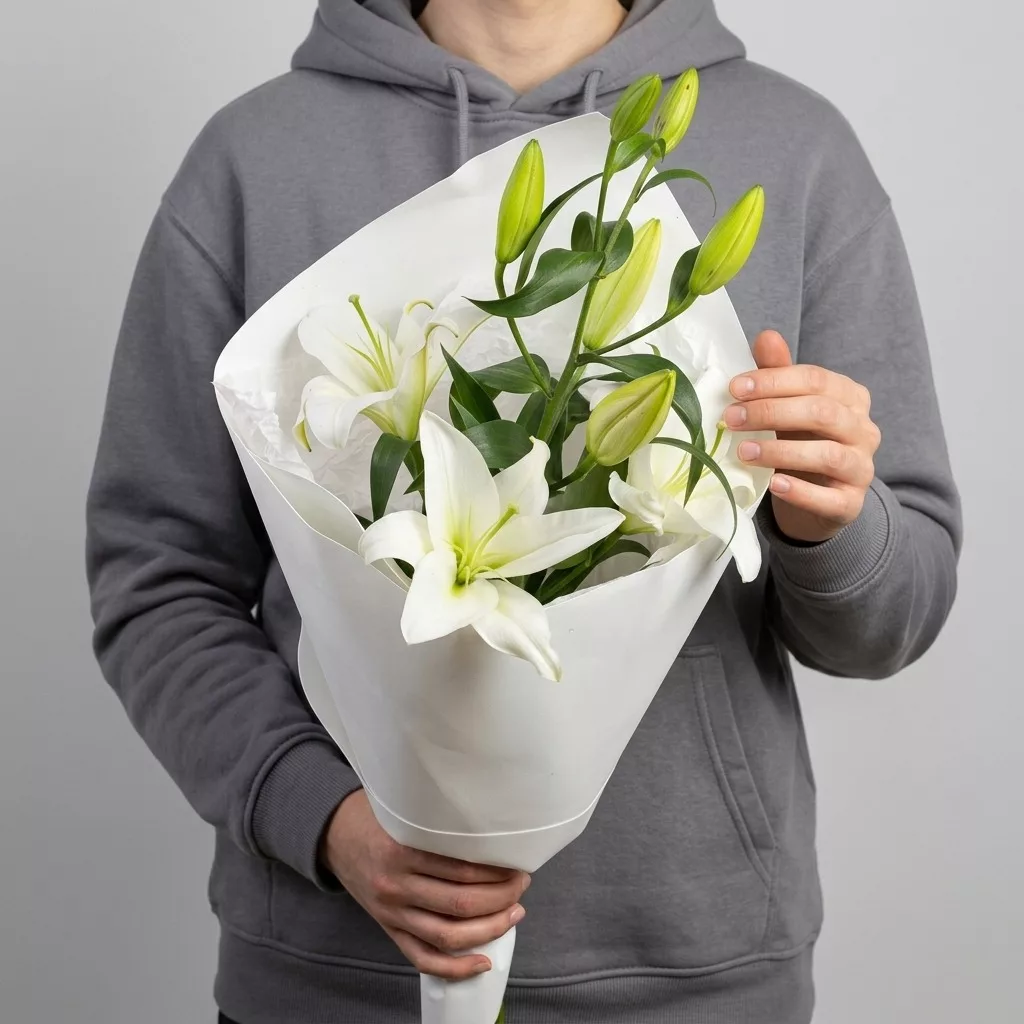
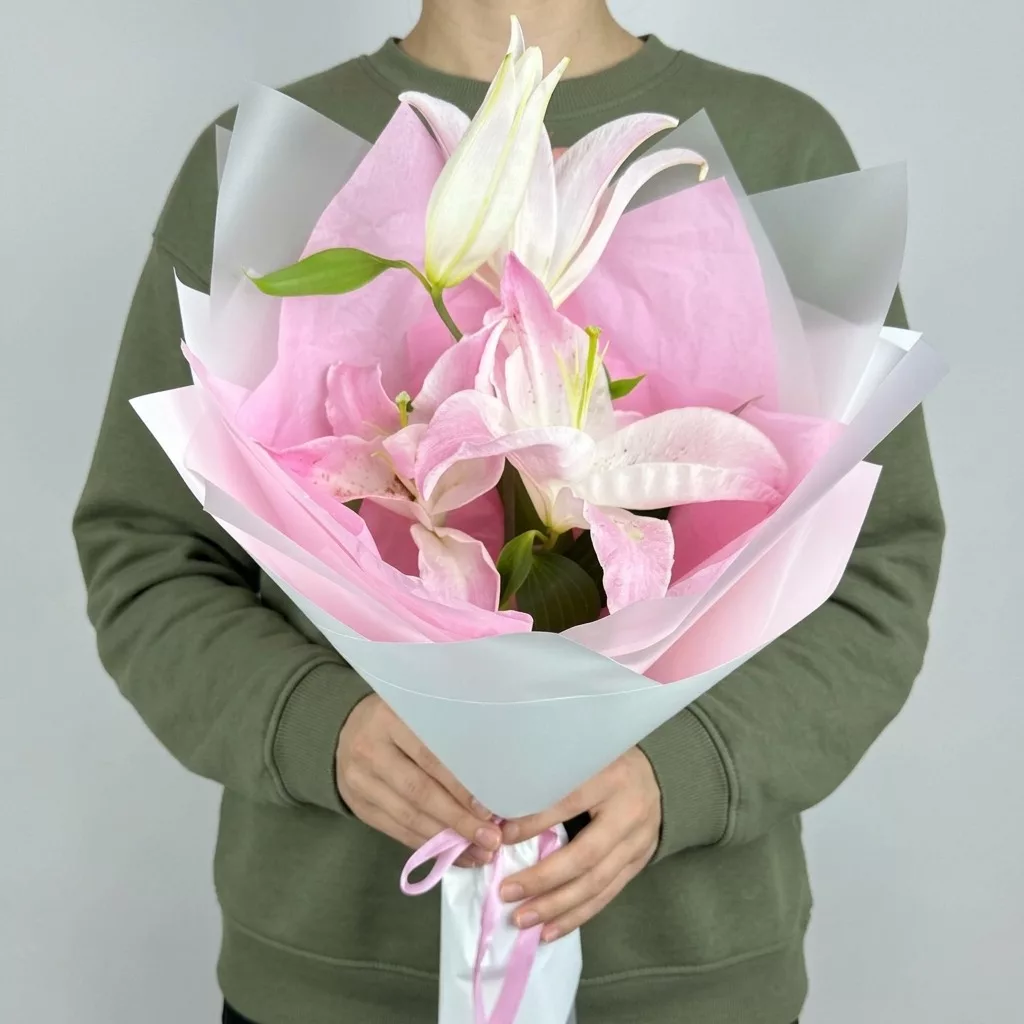
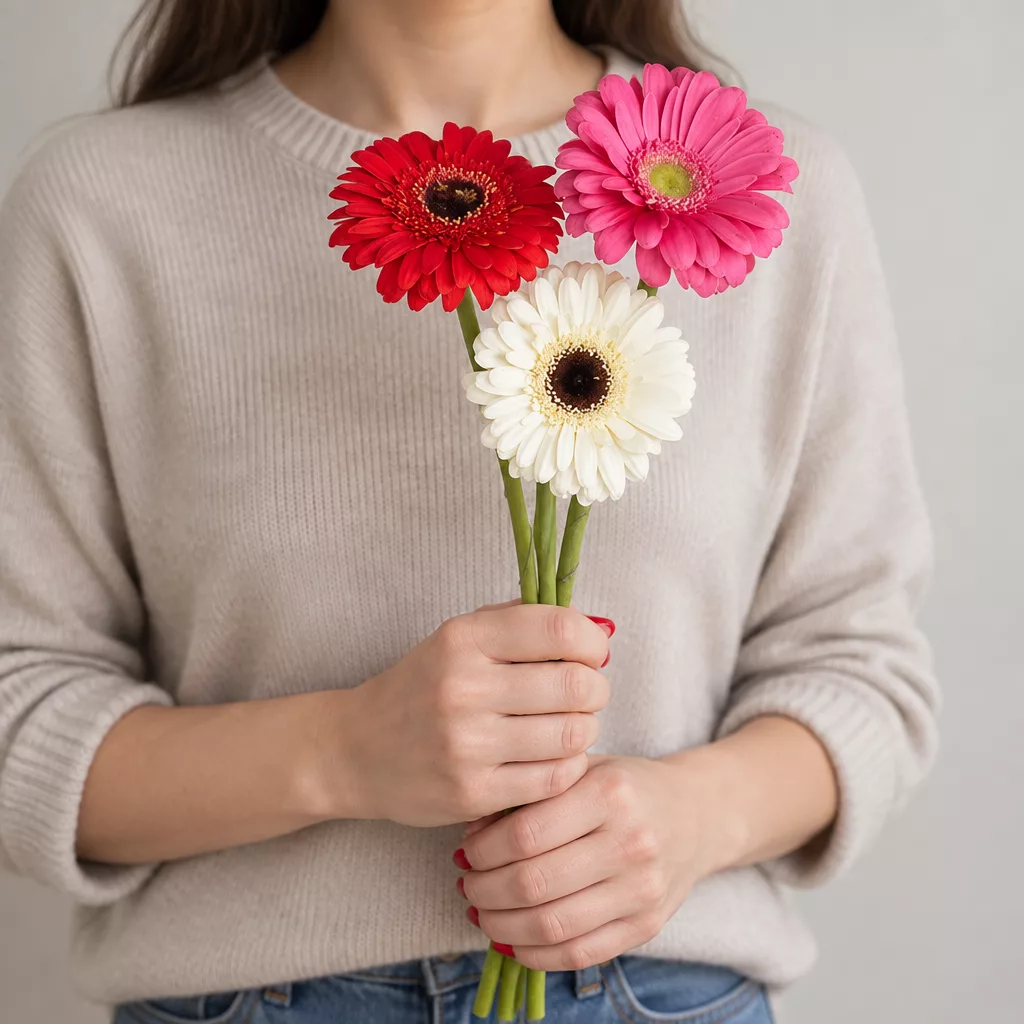
Timing Your Order: What the Delivery Window Really Means
Turboflora works on a one-to-two hour delivery window, which means that once your order is confirmed and assembled, the bouquet is on its way within that timeframe. In Kurgan, this window holds reliably during standard hours on weekdays. Peak periods — the morning of March 8th, Valentine's Day, and the first of September — see higher order volumes, so placing your order the evening before or early in the morning gives you the most control.
If you want the flowers to arrive at a specific moment, say just before a birthday dinner or at the start of a work meeting, choose a time slot at least two hours ahead of that moment. Flowers need a few minutes to be unwrapped and placed in water before they look their best, and giving that buffer means the recipient is not rushing.
Curious detail for those unfamiliar with Russian gift culture: it is entirely normal to send flowers to a workplace here. Colleagues and managers receive bouquets at the office regularly, especially for professional anniversaries and public holidays. If you are sending to an office address in Kurgan, note the working hours and any reception procedures in your order comments. A delivery arriving at 8 in the morning when the office opens at 9 will sit in a cold entrance, which is not ideal for tulips or lisianthus. Timing awareness is part of getting the presentation right.
Choosing Flowers for Kurgan's Climate and Seasons
Kurgan has a continental climate with cold winters and warm summers, which means temperature matters enormously when choosing what to send. In January and February, when temperatures regularly fall below minus fifteen degrees Celsius, delicate tropical flowers like anthurium and strelitzia are vulnerable during even a short transit from vehicle to door. Roses, spray carnations, and alstroemeria handle the cold far better and arrive without petal damage.
Spring in Kurgan arrives later than in Moscow or Saint Petersburg — tulips and daffodils are the natural choice for March and April, both because they are seasonally appropriate and because they are hardy enough to travel well. By May and June, garden-style bouquets with ranunculus, peonies, and eucalyptus branches become possible and feel genuinely festive.
Summer is actually the most flexible season for flower choice. Sunflowers, lisianthus, and mixed seasonal bouquets all travel well in moderate temperatures, and the range of available stems is at its widest. Autumn is the season for bold, warm palettes — dahlias, orange roses, burgundy chrysanthemums, and seasonal berries on branches work beautifully together and suit the mood of September and October.
The practical rule: the simpler and more structured the flower, the more reliably it travels in extreme temperatures. A tight bouquet of red roses wrapped well will outlast a loose garden arrangement of sweet peas in a winter delivery every single time.
Bouquet Combinations That Work Well as Gifts in Kurgan
Choosing a single type of flower is always safe, but combinations tell a more complete story. For a birthday, pairing white or blush roses with pale lisianthus and a few stems of waxflower creates something that looks considered without being fussy. The lisianthus adds volume and a soft ruffled texture, while the waxflower provides a fine, almost lacey edge that makes the whole arrangement feel handmade.
For a professional occasion — a promotion, a work anniversary, or a congratulation for a colleague — a monochromatic bouquet in white or ivory reads as elegant and appropriate across most Russian workplace cultures. White spray roses, white eustoma, and a single variety of greenery like ruscus or salal keep the palette clean and the message respectful.
For a romantic gesture, deep red roses remain the clearest statement, but if you want something slightly less expected, consider burgundy peonies in season paired with dusty miller foliage and a few stems of dark hypericum berry. The result is rich and warm rather than formal.
For a new mother or a celebration involving children, soft pinks and yellows with round, friendly shapes work well. Spray roses, gerberas, and button chrysanthemums in pastel tones feel cheerful without being overwhelming. Avoid strongly scented flowers like lilies for new mothers, as the fragrance can be too intense in a small room. Presentation matters here too — a soft ribbon rather than a stiff formal bow suits the warmth of the occasion.
What Happens to Your Bouquet Between the Shop and the Door
From the moment an order is confirmed, the bouquet is assembled fresh. Stems are cut at an angle, which increases the surface area drawing water and helps the flowers stay hydrated during transit. Each bouquet is wrapped in a way that protects the heads from wind and cold while allowing some airflow — sealing flowers completely in plastic traps moisture and can cause premature wilting, especially in warmer months.
During winter transit in Kurgan, bouquets are wrapped with an additional insulating layer to protect against frost. This is not decorative — it is functional, and it makes a real difference to whether tulip petals arrive intact or bruised. The driver handles the bouquet upright wherever possible, because laying flowers flat during a short trip can shift the arrangement and cause stems to bend.
When the delivery arrives, the recipient will receive the bouquet along with care instructions. If you want to include a personal message card, you add it during the ordering process and it travels with the flowers. In Russian gift culture, handwritten or printed cards are appreciated and often kept — a thoughtful message is part of the gift itself, not an afterthought.
If the recipient is not home at the time of delivery, the courier will attempt to contact them. Do not assume that leaving flowers at the door is a good solution in winter — even thirty minutes in freezing temperatures can damage a bouquet significantly. Confirming the recipient's availability before ordering is always the better approach.
How to Care for the Flowers Once They Arrive
The first thing a recipient should do when a bouquet arrives is remove the outer wrapping and place the stems in water within thirty minutes. If the flowers have been in the cold, let them adjust to room temperature for about fifteen minutes before unwrapping — this prevents condensation shock, which can spot petals on roses and gerberas.
Cut one to two centimetres from the bottom of each stem at a diagonal angle before placing them in a clean vase. Tap water at room temperature works well in most cases. Avoid very cold water for tropical varieties and avoid warm water for tulips, which prefer it cool. Change the water every two days and re-cut the stems each time — this is the single most effective thing anyone can do to extend vase life.
Remove any leaves that would sit below the waterline, as they rot quickly and contaminate the water. Keep the vase away from direct sunlight, radiators, and fruit bowls — ethylene gas from ripening fruit shortens the life of roses and carnations noticeably.
Expected vase life by variety: roses last seven to ten days with good care, spray carnations can reach twelve to fourteen days, lisianthus holds for eight to ten days, and tulips typically last five to seven days but look their best in the first three. Chrysanthemums are among the longest-lasting cut flowers and can hold for two weeks. Letting the recipient know these basics as part of your message adds a genuinely useful touch to the gift.
Making the Occasion Feel Considered, Not Just Delivered
A flower delivery is a gesture, and the details around it shape how it lands. The choice of flowers, the timing, the message, and even the colour palette all communicate something. If you are sending to someone you know well, think about what they actually like rather than defaulting to the most traditional option. Someone who decorates their home with plants and greenery might love an arrangement heavy on eucalyptus, fern, and textural foliage with just a few focal flowers. Someone more traditional will appreciate a classic round bouquet of roses.
For significant milestones — a graduation, a major birthday, a new job — a larger bouquet makes a stronger statement than a small one. Volume is read as generosity in Russian gift culture, and a bouquet that fills a vase feels more celebratory than one that looks sparse. If budget is a consideration, choosing fewer varieties in larger quantities looks more intentional than many varieties in small numbers.
If you are sending flowers to Kurgan from another city and you will not be there in person, your message card does the work of your presence. Write something specific — reference the occasion, say something only you would say. A generic congratulations is forgettable. A sentence that makes the recipient laugh or feel seen stays with them.
Turboflora handles the logistics and the freshness. The meaning behind the bouquet is yours to put there, and a little thought at the ordering stage makes the delivery feel like much more than a transaction.
Sending flowers to Kurgan is straightforward when you understand the timing, the climate, and what makes a bouquet hold up through transit and then last in a vase. Choose varieties suited to the season, give the delivery window enough room before the key moment, include a message that means something, and the gesture lands the way you intended. Turboflora delivers fresh bouquets across Kurgan within one to two hours, assembled to order and handled with the care that fresh flowers require.
Frequently asked questions
Can I schedule a flower delivery in Kurgan for a specific time?
Yes. When placing your order you can select a preferred delivery time slot. For occasions where timing matters — a birthday dinner, an office celebration — choose a slot at least two hours before the key moment. This gives the recipient time to receive the bouquet, unwrap it, and place it in water before guests arrive or the event begins.
Which flowers travel best in Kurgan's cold winters?
Roses, spray carnations, alstroemeria, and chrysanthemums are the most cold-tolerant cut flowers and arrive in good condition even when outdoor temperatures are well below freezing. Tulips also handle winter transit well. Tropical varieties like anthurium are more vulnerable to frost damage and are better chosen for spring and summer deliveries.
What should I do if the recipient is not home when the flowers arrive?
The courier will contact the recipient directly. If no one is available, they will arrange a new delivery attempt. Leaving flowers unattended outside in Kurgan's winter temperatures is not a safe option — frost can damage a bouquet within thirty minutes. The simplest solution is to let the recipient know in advance that a delivery is coming so they can be available.
Is it acceptable to send flowers to someone's workplace in Russia?
Completely normal and quite common. Russians regularly send bouquets to colleagues and managers for birthdays, professional anniversaries, and public holidays such as March 8th. When ordering to an office address, include working hours and any reception notes in your order comments, and choose a bouquet style that is elegant rather than overly romantic for a professional setting.
How long will the flowers last after delivery in Kurgan?
With basic care — fresh water every two days, stems re-cut at an angle, kept away from heat and direct sun — roses last seven to ten days, lisianthus eight to ten days, carnations up to two weeks, and tulips five to seven days. Chrysanthemums are the longest-lasting option at around two weeks. Sharing these tips with the recipient helps them get the most from the gift.
Ready to send flowers?
Pick the city, choose the bouquet, and a local florist takes it from there.
Choose a city →