Flower Delivery in Leninsk-Kuznetsky: Timing, Choices and What Actually Arrives
Leninsk-Kuznetsky sits in the Kemerovo region of Western Siberia, a city with real winters, real distances and people who appreciate a bouquet that arrives looking like it was just cut. If you are ordering flowers here for someone you love — a birthday, an anniversary, a moment that simply needs marking — the details matter more than you might expect. This guide walks you through everything: when to order, what survives the journey, how to match flowers to the occasion, and what your recipient will actually see when the door opens.
What the City Looks Like and Why It Matters for Flowers
Leninsk-Kuznetsky is an industrial city of around 90,000 people in the Kuzbass coalfield. It is not a small village, but it is also not a metropolis with a flower shop on every corner. That means the person receiving your bouquet is genuinely surprised and moved when fresh flowers appear at their door — the gesture carries more weight here than it might in a larger city.
The climate is continental and serious. Winters bring temperatures that can drop below minus 25 degrees Celsius, and summers can be warm but short. This matters because flowers traveling in extreme cold need proper insulation during the final stretch of delivery. Roses and tulips are particularly sensitive to frost shock, which causes petals to turn translucent and limp within hours of exposure. A good delivery operation accounts for this with insulated packaging and timed handoff.
The city's streets are a mix of Soviet-era apartment blocks and newer districts, with addresses that can be spread across a wide area. When you place an order, giving a precise entrance number and floor is genuinely helpful — it is not bureaucracy, it is how the bouquet reaches the right hands without delay. If your recipient lives in a large residential complex, note that in the comments. Florists who know Siberian cities plan for this.
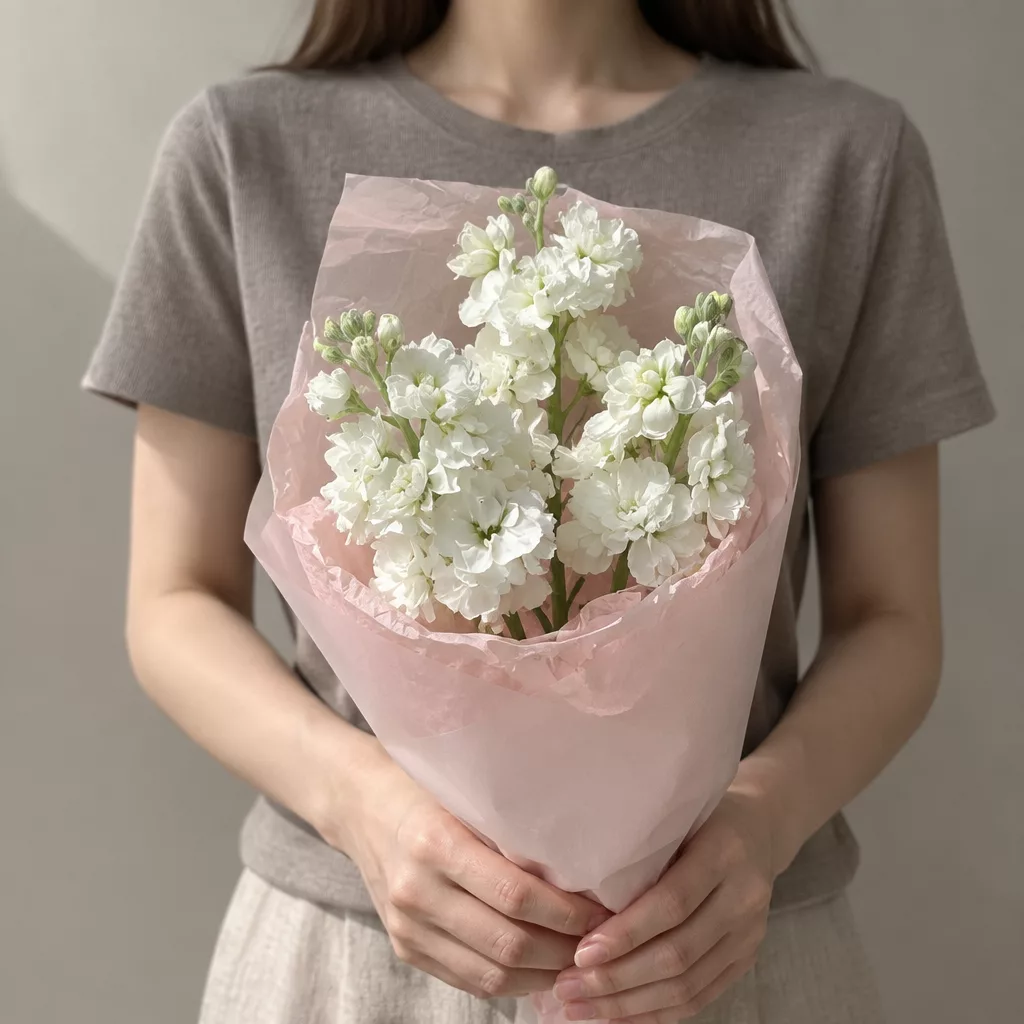
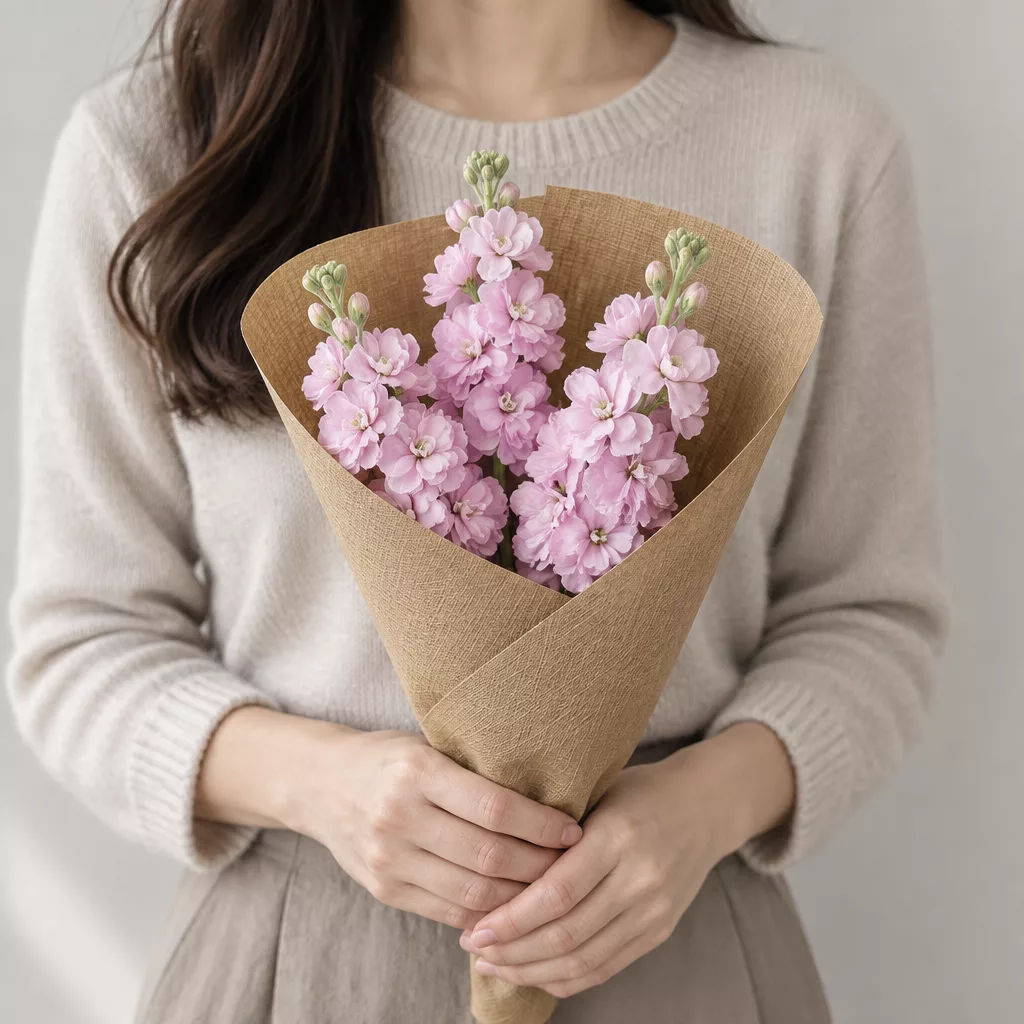
Bouquets we can deliver


Choosing Flowers for the Person, Not Just the Occasion
Before you think about budget or variety, think about the person standing at the door. A colleague celebrating a promotion responds differently than a grandmother on her birthday. A young woman who loves bold colour needs something different from a friend who prefers quiet elegance. This is the first question a working florist always asks.
For someone warm and expressive, combinations built around garden roses, ranunculus and lisianthus in blush, coral or deep burgundy tend to land beautifully. These varieties have a lush, layered look that photographs well and fills a room. For someone who prefers restraint, a single-variety bouquet of white freesias or cream spray roses with eucalyptus reads as considered and personal rather than showy.
In Russian culture, bouquets are traditionally given in odd numbers — three, five, seven stems or more. This is not superstition so much as aesthetic convention, and recipients notice it. If you are ordering from outside Russia, this is worth knowing: an even number is associated with mourning, so florists here always compose arrangements in odd counts.
For children or teenagers, bright gerberas, sunflowers and solidago in yellow and orange are reliably joyful. For a romantic gesture, deep red roses remain the classic choice, but pairing them with white waxflower or pale pink alstroemeria softens the composition and makes it feel more modern. Think about who opens the door, and the right flowers will follow.
Timing Your Order: When to Place It and When It Arrives
Turboflora works on a one-to-two-hour delivery window, which is the standard we hold ourselves to. For Leninsk-Kuznetsky, this means that a bouquet ordered in the morning can arrive before lunch, and an order placed in the early afternoon can reach your recipient before they leave work. That said, a few timing habits will make the experience smoother.
Order at least two to three hours before you need the flowers to arrive, especially on peak days. In Russia, the main peak days are February 14th, February 23rd, March 8th and the period around May 9th. On these dates, demand across the country spikes sharply, and even well-staffed operations work at capacity. Placing your order the evening before — or even a day ahead — means your bouquet is prioritised and assembled fresh rather than rushed.
If you are sending flowers as a surprise, coordinate the timing with something you know about the recipient's day. A bouquet arriving when someone is at the school run or a work meeting sits in the hallway and loses its moment. A delivery timed to coincide with an arrival home, a lunch break or the end of a working day lands with full impact.
Kemerovo region is in the Kemerovo time zone, which is UTC plus 7. If you are ordering from Moscow or from abroad, factor in the time difference when calculating arrival. A Moscow afternoon order might arrive in Leninsk-Kuznetsky during evening hours — which can actually be ideal for a surprise dinner.
What to Order by Budget: Compositions That Work at Every Level
A meaningful bouquet does not require the largest arrangement on the page. What it requires is proportion, freshness and the right combination of textures. Here is how to think about it across different spending levels.
At a modest budget, a hand-tied bouquet of five to seven stems of alstroemeria with greenery — ruscus or pittosporum — is reliable, long-lasting and genuinely pretty. Alstroemeria has multiple blooms per stem, so it looks fuller than its price suggests. Pair it with a few stems of white gypsophila and the effect is soft and complete.
At a mid-range budget, you can move into mixed compositions that combine a focal flower with supporting varieties. A bouquet centred on three or five garden roses, filled out with lisianthus and eucalyptus, feels generous without being excessive. This is the range where presentation — wrapping, ribbon, a handwritten card — starts to make a real difference to how the gift is received.
At a higher budget, the options open up considerably. Peonies in season, David Austin roses, or a large arrangement built around calla lilies with tropical foliage are all striking choices. In Leninsk-Kuznetsky, where elaborate floral arrangements are less common than in larger cities, a truly composed bouquet of this kind makes an impression that is remembered. The key is not volume but intentionality — a florist who chooses varieties that complement each other in colour, scale and texture rather than simply adding more stems.
Seasonal Flowers and What Survives the Siberian Climate
Siberia's climate shapes what is available and what travels well. Understanding this helps you order with confidence rather than hoping for the best.
In winter, from November through March, the reliable choices are roses, chrysanthemums, carnations and alstroemeria — all of which are grown in controlled greenhouse conditions and transported in temperature-managed logistics. These varieties handle cold corridors and brief outdoor exposure better than more delicate flowers. Tulips are available in winter as well, grown under lights in the Netherlands and flown into Russia, but they need careful handling at the delivery end.
In spring and early summer, the range expands noticeably. Tulips arrive in abundance from late February onward, and by April you will find ranunculus, anemones and the first peonies from warmer growing regions. These are the months when a bouquet can feel genuinely seasonal and special rather than greenhouse-standard.
Summer in Leninsk-Kuznetsky is warm enough for locally grown flowers to supplement imports, and this is when sunflowers, dahlias and echinacea appear in compositions. These varieties have a relaxed, garden-gathered quality that suits the season perfectly.
Autumn brings chrysanthemums in enormous variety — spider, button, cushion — alongside hypericum berries, ornamental kale and the last of the dahlias. A well-composed autumn bouquet in rust, amber and deep plum is one of the most striking things a florist can put together, and it suits the Siberian palette of that season completely.
Keeping the Bouquet Fresh After It Arrives
The florist's job ends at the door. What happens next determines how long those flowers stay beautiful, and a few simple habits make a real difference.
The first step is always a clean diagonal cut across the stems — about two centimetres from the bottom — using a sharp knife rather than scissors. Scissors compress the stem tissue and reduce water uptake. Do this immediately before placing the flowers in water, not in advance. Remove any leaves that would sit below the waterline, because submerged foliage decays quickly and clouds the water.
Use a clean vase filled with cool, fresh water. In winter, when central heating in Russian apartments keeps rooms very warm and dry, change the water every day and mist the petals lightly in the morning. Flowers in a heated Siberian apartment in January face a drier environment than they would in a milder climate, and they show it faster if the water is not refreshed.
Keep the bouquet away from direct heat sources — radiators, sunny windowsills, the top of the television. Also keep it away from fruit bowls: ripening fruit releases ethylene gas, which accelerates petal drop in roses and tulips noticeably.
With proper care, roses and alstroemeria last seven to ten days. Tulips are shorter — five to seven days — but they continue to open and shift in the vase in a way that is quite beautiful to watch. Chrysanthemums are the longest lasting of all common varieties, often staying fresh for two weeks with daily water changes. Tell your recipient these basics and the gift keeps giving.
Small Details That Make the Delivery Feel Considered
A bouquet is a physical object, but it is also a message. The details around it — the wrapping, the card, the timing — are part of what the recipient experiences, and they are worth thinking about.
In Russia, flowers are typically wrapped in kraft paper or a combination of paper and mesh, tied with ribbon or twine. The wrapping protects the stems and frames the composition. When a bouquet arrives unwrapped or in a generic plastic sleeve, it feels like a delivery rather than a gift. When it arrives properly presented, it feels like someone thought carefully about it — because they did.
A handwritten card is standard in Russian flower culture, and the message matters. Even a short, genuine sentence lands better than a generic greeting. If you are ordering from abroad and writing in English, that is completely fine — it often adds a personal touch that a recipient finds charming and keeps.
If your recipient is not home when the delivery arrives, the florist will contact them to arrange a new time or a safe handoff point. This is worth communicating clearly in the order notes — include a mobile number for the recipient and a brief note if there is a preferred alternative contact. It avoids the situation where a beautiful bouquet waits in a cold stairwell.
Finally, if the order is a surprise, say so explicitly. A good florist will not call the recipient to confirm the address in a way that gives it away. Small instructions like this make the whole experience feel smooth and intentional from the first click to the moment the door opens.
Sending flowers to Leninsk-Kuznetsky is a gesture that lands with real warmth in a city where fresh bouquets are not an everyday sight. The distance, the climate and the local culture all shape what works best — and now you have the knowledge to order with confidence. Choose for the person, not just the occasion. Think about timing, season and care. And trust that when the door opens and the bouquet is there, the thought behind it is exactly what the recipient feels first.
Frequently asked questions
Can flowers really be delivered to Leninsk-Kuznetsky within two hours?
Yes. Turboflora operates a one-to-two-hour delivery window across its service areas, including Leninsk-Kuznetsky. To stay within that window, place your order with enough lead time and ensure the recipient's address — including entrance number and floor — is accurate. On major Russian holidays, ordering a day ahead is strongly recommended.
Which flowers hold up best in Siberian winter conditions?
Roses, chrysanthemums, carnations and alstroemeria are the most cold-tolerant common varieties and travel reliably in winter conditions. Tulips are available but need careful handling at the delivery stage. Delicate varieties like anemones and ranunculus are better ordered in spring and summer when temperatures allow safer transit to the door.
Why do Russian bouquets always have an odd number of flowers?
Odd numbers are a longstanding convention in Russian flower culture — three, five, seven or more stems. Even numbers are traditionally associated with mourning occasions. Florists in Russia always compose bouquets in odd counts as a matter of course, so you do not need to specify this when ordering through Turboflora.
What if the recipient is not home when the flowers arrive?
The delivery team will contact the recipient using the phone number provided in the order. If they are temporarily unavailable, a new delivery time can be arranged. Including the recipient's mobile number in the order notes — and flagging if the delivery is a surprise — helps the florist handle the situation smoothly without spoiling the moment.
How can I make the bouquet last longer in a warm apartment?
Change the water daily, re-cut the stems at a diagonal every two to three days and keep the bouquet away from radiators, direct sunlight and fruit bowls. In heated Siberian apartments, which tend to be very dry in winter, lightly misting the petals each morning helps. Chrysanthemums last the longest; tulips the shortest, but they open beautifully as they age.
Ready to send flowers?
Pick the city, choose the bouquet, and a local florist takes it from there.
Choose a city →